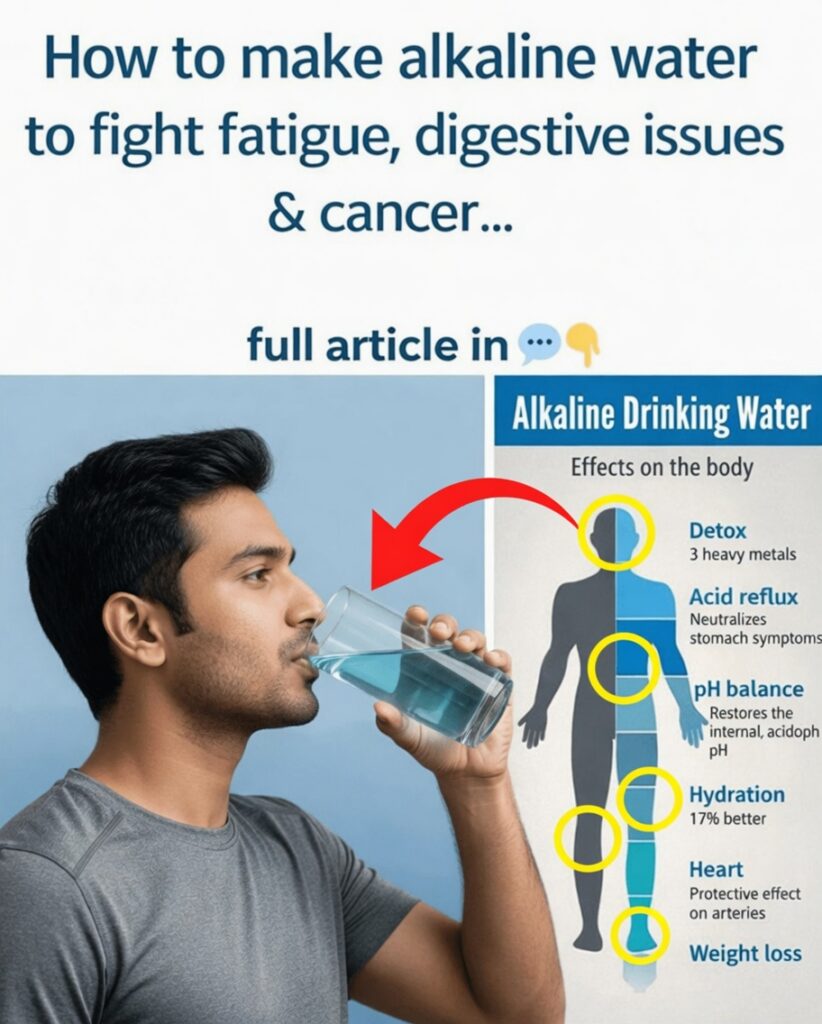
Many people try alkaline water in hopes of easing fatigue, improving digestion, or even supporting serious illnesses such as cancer. The theory is that a more “alkaline” internal environment could offset acidity associated with health problems. While good hydration absolutely matters for energy and gut function, it’s important to separate marketing claims from what research actually supports—especially around the popular DIY drink made with lemon and Himalayan salt.
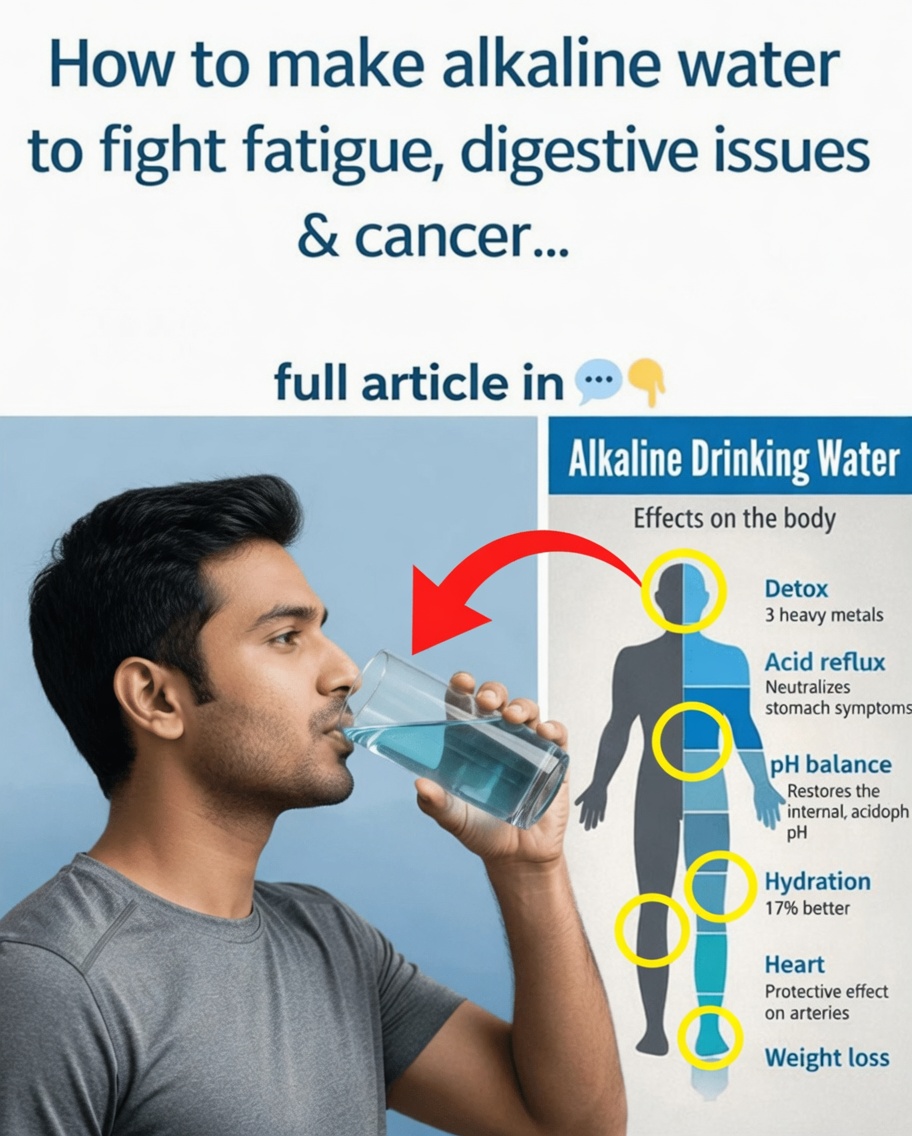
What Is Alkaline Water?
Alkaline water simply means water with a pH above 7, while most regular drinking water sits around neutral (about pH 7). Supporters often say it can “neutralize acid” in the body and therefore reduce tiredness, improve overall health, or prevent disease.
In practice, your body already controls pH extremely tightly. Blood pH stays in a narrow range (about 7.35–7.45), regulated primarily by the lungs and kidneys. When you drink alkaline water, it doesn’t meaningfully change this system because the stomach is highly acidic (roughly pH 1.5–3.5) and quickly neutralizes what you drink.
Reputable medical sources (including major clinics and cancer centers) consistently report that strong evidence is lacking for claims that alkaline water significantly changes body pH or delivers the wide-ranging health benefits often advertised.
The Homemade Lemon + Himalayan Salt Recipe: Does It Actually Create Alkaline Water?
A common do-it-yourself version uses:
- 2 liters of purified water
- 1 sliced organic lemon
- 1 tablespoon of Himalayan salt
- Left to sit 12–24 hours
What really happens in the bottle
- Lemon: Adds aroma, taste, and vitamin C, but lemon juice is acidic (roughly pH 2–3). It does not reliably raise the mixture’s pH into a truly alkaline range.
- Himalayan salt: Contains sodium plus small amounts of trace minerals and can act as an electrolyte source. However, it does not meaningfully “alkalize” the water.
- Bottom line: This drink typically ends up near neutral or slightly acidic, often around pH 6–7, rather than strongly alkaline.
So, this recipe is best understood as flavored water with added minerals. It may encourage you to drink more fluids (a real benefit), and the electrolytes can be useful in certain situations—but it’s not a reliable way to “alkalize the body.”
Evaluating the Health Claims
Fatigue and Digestive Complaints
For many people, mild fatigue and digestive discomfort improve with better hydration, sleep, and diet—without needing special water.
- Hydration: Drinking enough fluids supports circulation, energy, bowel regularity, and digestion. Regular water already does this well.
- Lemon water: May help some people drink more due to taste. It may also mildly stimulate digestive processes for certain individuals.
- Salt/electrolytes: Can help after heavy sweating (exercise, heat exposure). But too much salt can be problematic—especially for blood pressure and those advised to limit sodium.
Evidence-based steps that typically help:
- Drink enough fluids throughout the day (many people do well around 8–10 glasses, adjusting for activity and climate).
- Prioritize a balanced, high-fiber diet (vegetables, fruit, whole grains, legumes).
- Support energy with regular movement and consistent sleep.
- If fatigue or digestive symptoms persist, see a clinician—they can reflect issues like anemia, thyroid disorders, reflux, food intolerances, infections, or other conditions.
Cancer Prevention or Treatment
Claims that alkaline water can prevent or treat cancer are often tied to misunderstandings of early cancer metabolism research (including the work associated with Otto Warburg). While cancer cells can produce acidic byproducts and may thrive in certain lab conditions, this does not mean that drinking alkaline water can shift the body’s pH enough to prevent or cure cancer.
Major cancer and research organizations state clearly that there is no credible evidence showing that alkaline water or “alkaline diets” can prevent, treat, or cure cancer. Cancer care should always be guided by evidence-based medical treatment, not unproven remedies.
Better, Science-Backed Alternatives for Everyday Wellness
Instead of chasing pH promises, focus on habits with consistent evidence:
- Hydration: Choose clean, safe water (filtered if preferred).
- Nutrition: Emphasize whole foods—vegetables, fruits, lean proteins, legumes, whole grains, and healthy fats.
- Lifestyle: Exercise regularly, manage stress, and limit ultra-processed foods, excess sugar, and alcohol.
- Electrolytes when appropriate: After intense workouts or heavy sweating, water with a small pinch of salt and/or fresh lemon can be reasonable—avoid excessive sodium.
If you’re dealing with ongoing fatigue or digestive concerns, consider tracking triggers (sleep, foods, stress, timing) and discuss the pattern with a healthcare professional for personalized guidance.
Educational note: This content is for information only and does not replace medical advice. Consult a qualified clinician before making major health changes—especially if you have medical conditions or concerns such as cancer.