
Everyday Kidney Protection Starts Before Breakfast
What if your most powerful kidney protection strategy isn’t written in a medical file, but built from the choices you make before your day even begins?
Think about it: the first glass of water you drink, the extra shake of salt on your food, the pain pill you grab when your joints hurt. These tiny decisions, repeated for months and years, can quietly push your kidneys toward strain—or help keep them stable for longer. That difference is where real hope lies.
For many people, kidney problems feel like they appear overnight—one checkup you’re told everything looks “normal,” and at the next, you’re suddenly facing alarming lab results, swelling, or exhaustion that doesn’t make sense. In reality, kidney function usually declines slowly and silently. It rarely demands your attention until the damage is advanced. That’s exactly why early awareness and daily habits matter more than dramatic symptoms.
The strategies below, grounded in guidance from kidney and chronic disease experts, can start easing the load on your kidneys today.

6. Stay Hydrated—But Spread It Out Over the Day
When you don’t drink enough, your kidneys have to work harder to concentrate waste and maintain fluid balance. Over time, this extra effort can increase stress on kidney tissue and leave you feeling drained, headachy, or mentally foggy by mid-afternoon.
Many people barely drink during busy hours, then try to “catch up” in the evening. These big swings in intake force your kidneys to constantly adjust.
A more kidney-friendly approach is steady, moderate hydration:
- Sip water or unsweetened drinks consistently rather than chugging large amounts at once.
- Aim for frequent small sips—about every hour—if your healthcare provider hasn’t given you specific fluid limits.
- Watch your urine color: pale yellow usually indicates good hydration for most adults.
Organizations such as the National Kidney Foundation emphasize that the “right” amount of fluid depends on your health status, medications, and climate. If you have kidney disease, heart issues, or other conditions, ask your healthcare provider how much fluid is appropriate so you avoid both dehydration and fluid overload.

5. Reduce Hidden Salt and Ultra-Processed Foods
Too much sodium can raise blood pressure and cause your body to hold onto extra fluid. Both of these put additional pressure on the tiny filtering units in your kidneys and can accelerate damage long before you feel anything wrong.
The challenge is that sodium often hides in foods that look harmless—or even healthy—such as canned soups, frozen meals, sauces, deli meats, and snack foods.
To protect kidney health:
- Base most of your meals on whole, minimally processed foods.
- Season with herbs, garlic, onion, lemon juice, vinegar, or spices instead of reaching for the salt shaker.
- Read food labels and compare brands; choose options lower in sodium whenever possible.
The NIDDK (National Institute of Diabetes and Digestive and Kidney Diseases) suggests keeping sodium under 2,300 mg per day for most adults, and often less for those at risk of kidney disease. Making this shift helps stabilize blood pressure and lightens your kidneys’ workload.

4. Use Over-the-Counter Painkillers Carefully (Especially NSAIDs)
Common pain relievers like ibuprofen and naproxen (nonsteroidal anti-inflammatory drugs, or NSAIDs) are easy to grab for headaches, back pain, or joint discomfort. But frequent or long-term use can reduce blood flow to the kidneys in some people, adding stress that goes unnoticed until kidney function is already affected.
To be more kidney-conscious with pain relief:
- Avoid taking NSAIDs on a daily or long-term basis unless your doctor specifically recommends it.
- Talk with your healthcare provider about safer alternatives if you need regular pain control.
- Consider non-drug strategies where appropriate, such as heat or cold therapy, stretching, gentle movement, physical therapy, or relaxation techniques.
Experts, including those from the National Kidney Foundation, advise using NSAIDs at the lowest effective dose and for the shortest possible time. Thoughtful use helps you manage pain while protecting kidney function.
3. Keep Blood Pressure and Blood Sugar in a Healthy Range
High blood pressure and poorly controlled blood sugar are two of the leading causes of chronic kidney disease worldwide. Over time, both can injure the delicate blood vessels and filters inside your kidneys, often without noticeable symptoms until damage is advanced.
Support your kidneys by:
- Moving your body regularly—walks, light exercise, or any activity you can maintain consistently.
- Choosing meals that are balanced, with fewer refined carbohydrates and sugary drinks.
- Monitoring your blood pressure and blood sugar at home if your healthcare provider recommends it.
- Taking prescribed medications as directed and following up regularly.
Research from organizations such as NIDDK shows that even modest improvements in blood pressure and blood sugar control can slow kidney damage. Small, sustainable changes—like cutting one sugary drink per day or adding a 10–15 minute walk—can make a meaningful difference over time.
2. Follow Eating Patterns That Support Kidney Health
Every snack and meal either eases or increases the load on your kidneys. Diets high in salt, added sugar, and unhealthy fats tend to drive inflammation, raise blood pressure, and strain kidney function. In contrast, nutrient-dense, plant-forward eating patterns support your heart, blood vessels, and kidneys.
Consider these kidney-supportive shifts:
- Fill more of your plate with vegetables, fruits, whole grains, beans, and lentils (as appropriate for your health condition).
- Choose lean protein sources such as fish, poultry, eggs, or plant proteins.
- Limit heavily processed foods, sugary drinks, and foods high in saturated or trans fats.
- Use caution with “high-protein” diets if you already have kidney issues—discuss your needs with a dietitian or doctor.
Organizations like the American Kidney Fund highlight that balanced, lower-sodium eating patterns can help preserve kidney function and support overall metabolic health. One easy starting point: add one extra serving of vegetables or fruit to your meals each day.
1. Make Consistent, Quality Sleep a Priority
Sleep isn’t just about feeling rested—it’s a key pillar of kidney protection. Poor or irregular sleep can raise stress hormones, disrupt normal blood pressure patterns, and contribute to insulin resistance. Together, these changes quietly increase strain on your kidneys.
To support healthier sleep and kidney function:
- Aim for about 7–8 hours of sleep per night, if possible.
- Go to bed and wake up at roughly the same time each day.
- Create a wind-down routine: lower the lights, avoid screens close to bedtime, and skip late-day caffeine when you can.
The NIDDK notes that good sleep supports metabolic health, blood pressure regulation, and hormonal balance—all of which influence kidney health. Even improving the consistency of your bedtime can help your body repair overnight and stabilize daytime energy.
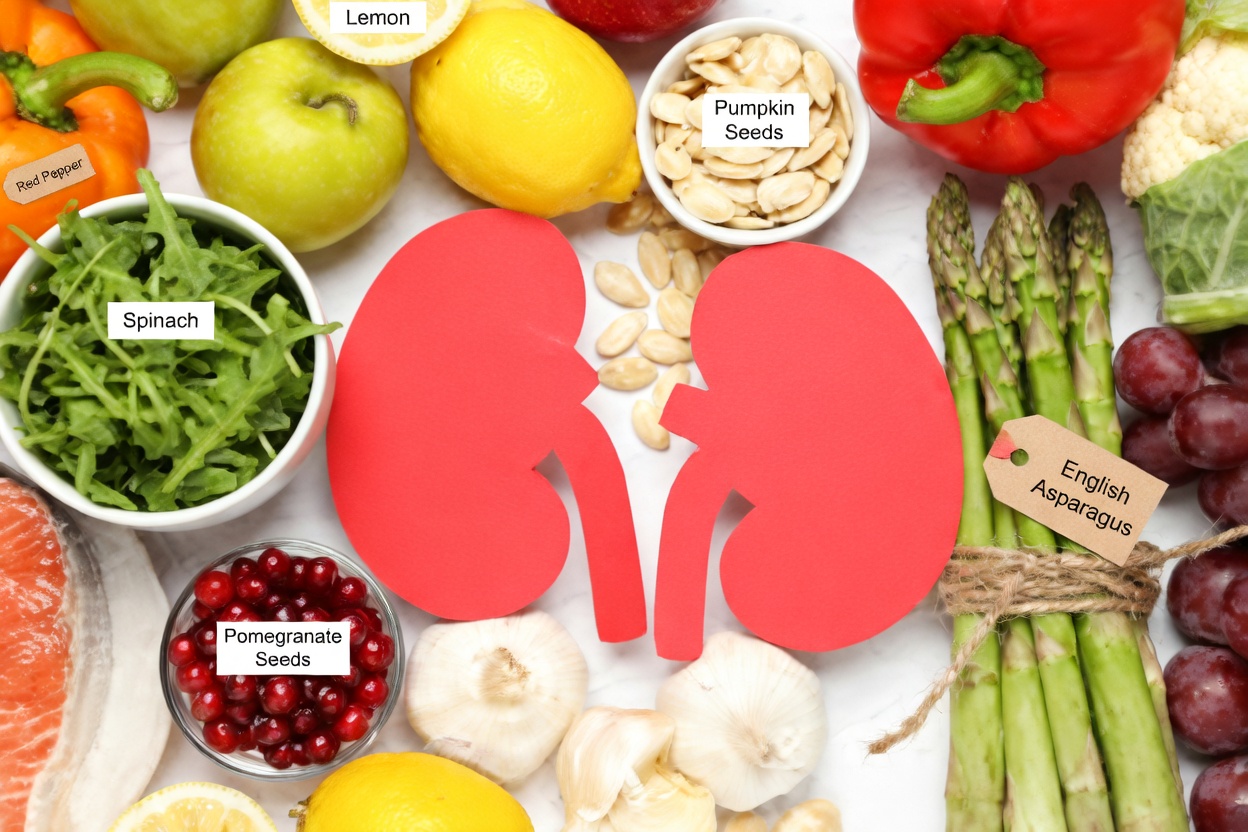
Quick Comparison: Everyday Habits That Help or Harm Your Kidneys
Use this overview to spot simple places to begin without feeling overwhelmed:
| Habit Area | Pattern That Can Strain Kidneys | Kidney-Supportive Alternative | Why It Helps |
|---|---|---|---|
| Hydration | Skipping fluids most of the day, then drinking a lot at night | Regular small sips of water throughout the day | Prevents big concentration swings and eases filtration |
| Sodium | Relying on salty packaged and fast foods | Cooking with fresh ingredients, herbs, and spices | Reduces blood pressure load on kidney filters |
| Pain Relief | Frequent or long-term NSAID use without medical advice | Limited use; explore non-drug pain relief options | Lowers risk of reduced kidney blood flow |
| Blood Pressure/Sugar | Ignoring high readings; high intake of refined carbs and sugar | Monitor when advised; move more; balanced meals | Protects the tiny blood vessels in the kidneys |
| Eating Pattern | Diet high in salt, sugar, and ultra-processed foods | More plants, whole foods, and healthy fats | Decreases inflammation and daily kidney workload |
| Sleep | Short, irregular, or poor-quality nights | 7–8 hours with a consistent bedtime routine | Supports hormone balance and blood pressure |
This kind of snapshot can help you find a few “quick wins” to support kidney health without completely overhauling your lifestyle overnight.
A Simple Kidney-Friendly Daily Routine to Try
Here is a gentle framework you can adapt to your life:
-
Morning
- Drink water shortly after waking, before coffee or tea.
- Take medications as prescribed, and note how you feel.
-
Meals
- Include at least one fruit or vegetable at each meal.
- Use herbs, spices, citrus, and vinegar instead of extra salt.
-
Daytime
- Fit in short walks, light stretching, or movement breaks to support circulation and blood pressure.
- Keep water nearby and take regular small sips.
-
Evening
- Eat your last large meal a few hours before bed.
- Dim lights, limit screens, and avoid late caffeine to prepare for deeper sleep.
-
Ongoing
- Pay attention to patterns: How do sleep, food, and hydration affect your energy, swelling, or bathroom habits?
- Bring your observations to your healthcare appointments.
These are flexible guidelines, not rigid rules. Adjust them to your abilities, preferences, and medical advice.
The Real Advantage: Small Steps, Repeated Often
Kidneys don’t need perfection; they benefit from steady, reasonable care. No single habit is a magic cure, and established kidney damage usually cannot be reversed. However, reducing daily stressors—through better hydration, smarter food choices, careful painkiller use, and improved sleep—can help slow decline and preserve the kidney function you still have.
The fear of “maybe it’s already too late” often eases once you take one concrete step. Progress comes from consistency, not intensity.
Practical next step: Choose just one change—such as sipping water hourly, checking sodium on food labels, or going to bed 20 minutes earlier—and try it for a week. Then, if you have risk factors like diabetes, high blood pressure, or a family history of kidney disease, talk with your healthcare provider about routine kidney checks.

FAQ: Everyday Habits and Kidney Health
How much water should I drink each day for healthy kidneys?
Most adults do well with enough fluid to keep their urine light yellow—often around 6–8 glasses per day. However, the ideal amount depends on your size, activity level, climate, and medical conditions. If you have kidney disease, heart failure, or are on certain medications, ask your healthcare provider for a personalized fluid target.
Are all pain relievers harmful to the kidneys?
No. Not all pain medications carry the same level of kidney risk. However, frequent or long-term use of NSAIDs (such as ibuprofen and naproxen) can be problematic for many people, especially those with existing kidney issues, heart disease, or dehydration. Use them sparingly and under medical guidance, and ask your healthcare provider about safer options if you need regular pain control.
Can lifestyle changes actually reverse kidney damage?
Lifestyle habits rarely reverse established kidney damage, especially in advanced stages. However, they can be very effective at helping slow progression, protect remaining function, and reduce the impact of related conditions like high blood pressure and diabetes. Early detection and consistent management—both medical and lifestyle—offer the best chance to preserve kidney health.
This information is meant for educational purposes only and does not replace professional medical advice. Always consult your healthcare provider before making significant changes to your diet, medications, or daily routine, especially if you have existing health conditions or take prescription drugs.