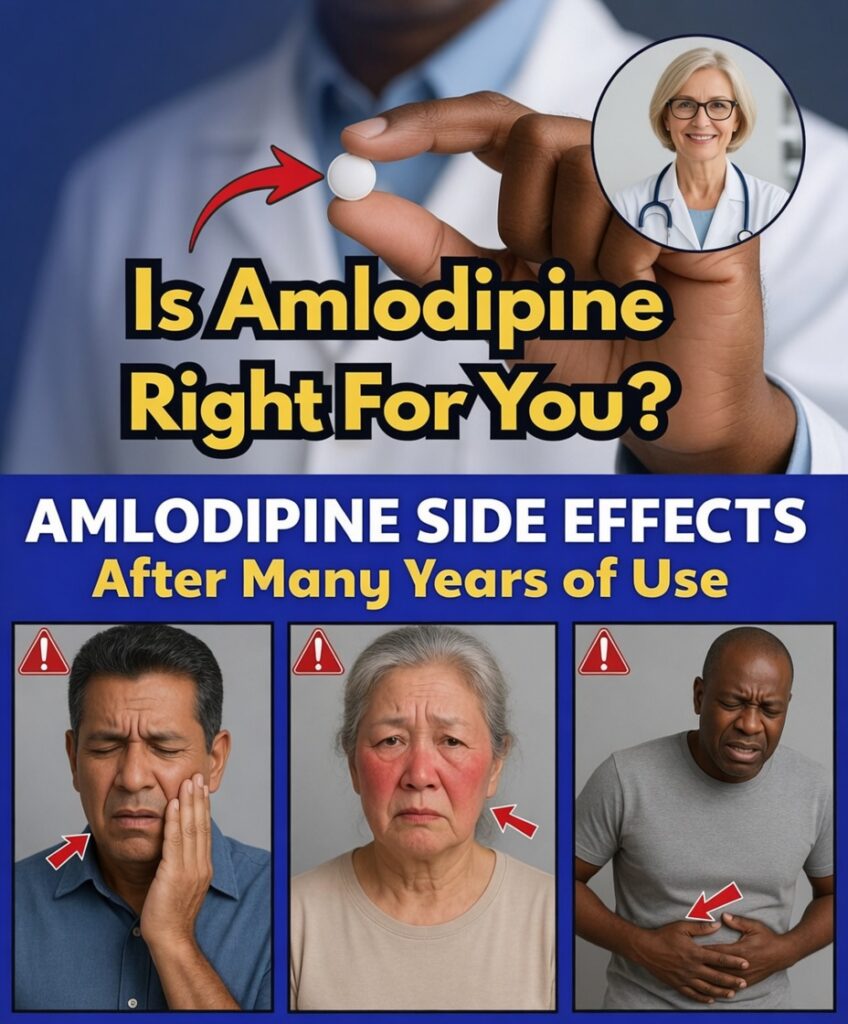
Amlodipine Side Effects: What to Watch For After 40
For many adults in their 40s, 50s, and beyond, amlodipine is a daily staple for controlling high blood pressure. The routine becomes automatic: take the tablet, trust the numbers will improve, protect the heart. But over time, small changes can creep in—shoes that feel tighter by evening, a nagging sense of fatigue, or subtle dizziness—that are easy to blame on age, a hectic lifestyle, or stress instead of the medication.
These potential amlodipine side effects may start off mild or vague, yet they can gradually affect your comfort, confidence, and overall quality of life. Recognizing them early allows you to track patterns and have more informed conversations with your healthcare provider. Some of the most common—and frustrating—side effects might already sound familiar.
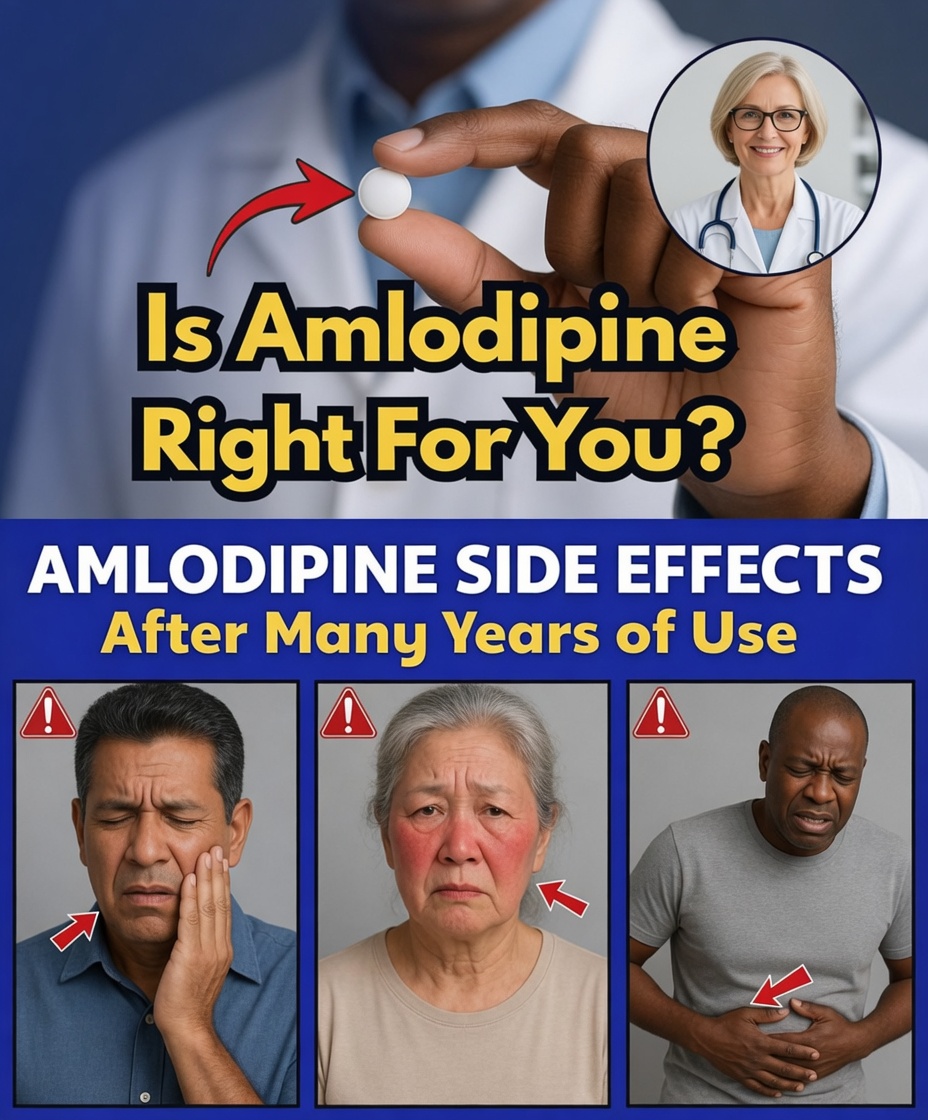
Why Amlodipine Side Effects Are Often Overlooked
High blood pressure rarely causes noticeable symptoms, which is why it’s often called a “silent” condition. Because of this, new discomforts that appear after starting amlodipine can feel random or unrelated.
Fatigue caused by amlodipine side effects may be blamed on long workdays or poor sleep. Lightheadedness might be dismissed as not drinking enough water. Someone like “Linda,” who starts amlodipine and gradually notices swollen feet, restless nights, and lower energy, may not connect those changes to her medication for months.
By becoming aware of common side effects of amlodipine, you can:
- Recognize early warning signs instead of brushing them off.
- Track when symptoms appear and how severe they are.
- Discuss practical adjustments or alternatives with your doctor.
1. Swollen Ankles and Feet (Peripheral Edema)
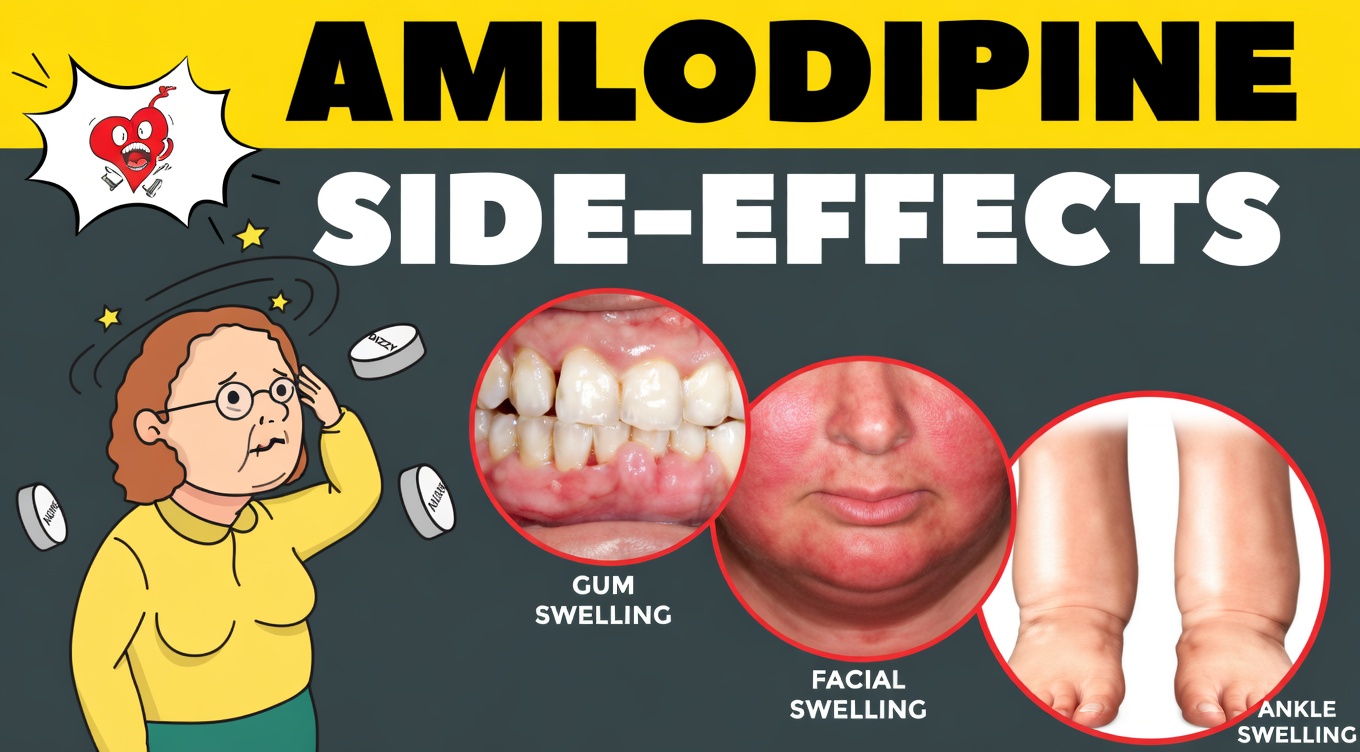
One of the most frequently reported amlodipine side effects is swelling in the lower legs, especially around the ankles and feet. You might notice:
- Socks leaving deeper marks than before
- Shoes feeling tight or uncomfortable by late afternoon or evening
- A heavy, puffy sensation in your legs
Amlodipine works by relaxing blood vessels, but this can sometimes cause fluid to leak into surrounding tissues, particularly at higher doses. Research suggests that ankle and foot swelling may affect around 10–15% of people taking amlodipine, with higher rates at the 10 mg dose and in women.
If ignored, this swelling can limit mobility, make walking or standing tiring, and interfere with daily activities or family time.
How to recognize and ease this side effect
- Elevate your legs when you sit or rest.
- Ask your doctor if compression stockings are appropriate.
- Notice whether the swelling improves overnight or after lying down.
- Track when it started and how it changes over time.
If the swelling persists, becomes painful, or worsens, your healthcare provider may adjust your dosage, switch medications, or occasionally add a diuretic.
2. Facial Flushing and Sudden Warmth
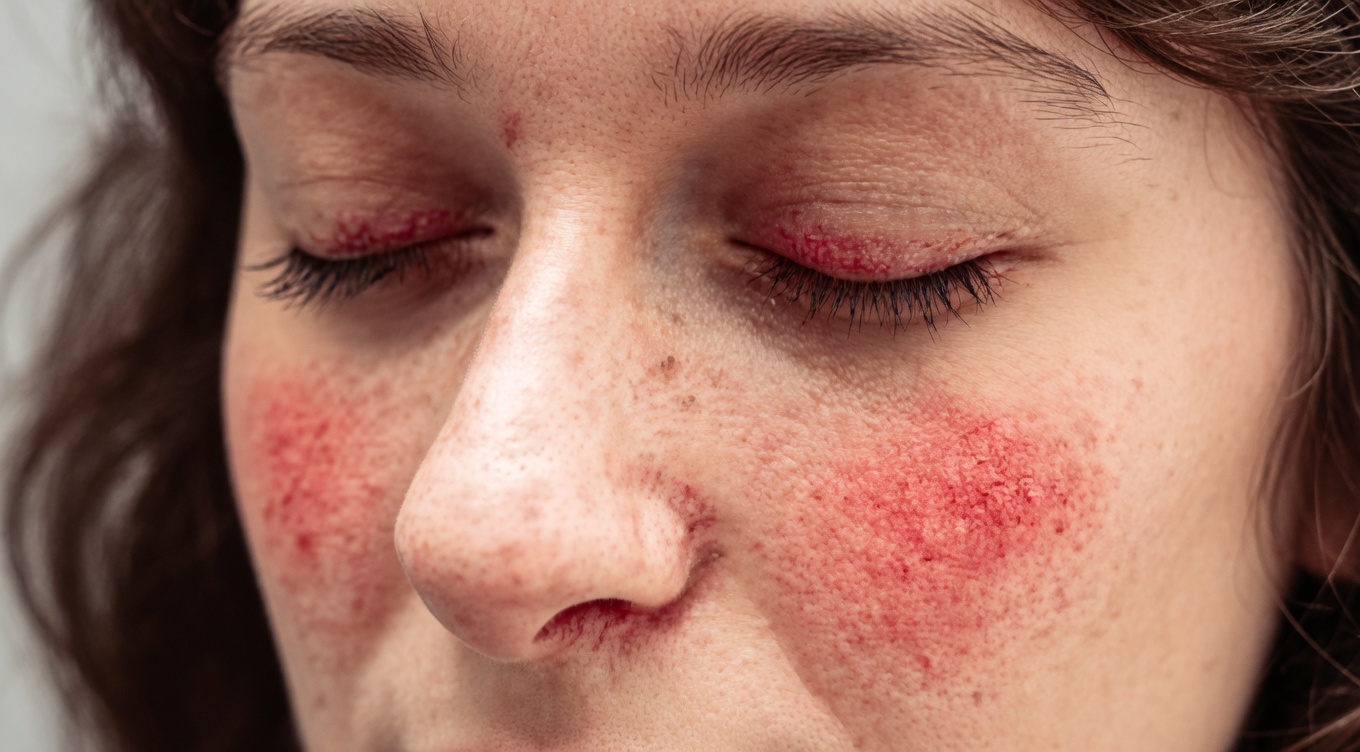
Another common amlodipine side effect is flushing—a sudden sensation of heat, often accompanied by redness across the:
- Face
- Neck
- Upper chest
You may feel hot or flushed even in a cool room. While usually harmless, flushing can be embarrassing or uncomfortable, especially in social or professional settings, and may lead some people to avoid gatherings or feel self-conscious.
This reaction is related to blood vessel dilation and often lessens as your body adapts to the medication, though occasional episodes may still occur.
3. Headaches That Interrupt Your Routine
Headaches are among the early side effects of amlodipine, particularly soon after starting treatment or after a dose increase. They can range from mild, nagging pressure to stronger, throbbing pain that affects concentration and productivity.
These headaches are often connected to changes in blood vessel tone and blood pressure. Many people reach for over-the-counter pain relievers without realizing that their new blood pressure medication might be contributing.
If headaches are severe, persistent, or different from what you usually experience, it’s important to mention them to your doctor.
4. Dizziness and Feeling Lightheaded
A classic side effect of amlodipine is dizziness or lightheadedness, especially:
- When standing up quickly from sitting or lying down
- After bending over
- When starting the medication or increasing the dose
Because amlodipine lowers blood pressure, a sudden change in position can cause a brief drop in blood flow to the brain, leading to a spinning or unsteady sensation. For adults over 50, this can increase the risk of falls and injuries, which can be especially worrying for those living alone or prioritizing independence.
Simple strategies that may help:
- Stand up slowly and pause before walking.
- Sit on the edge of the bed for a moment before getting up.
- Stay hydrated, unless your doctor has advised fluid restriction.
If you experience fainting, near-fainting, or very frequent dizziness, seek medical advice promptly.
5. Ongoing Fatigue and Low Energy
Many people taking amlodipine report feeling more tired than usual, even when they are sleeping adequately. This amlodipine side effect can show up as:
- Heavy, sluggish afternoons
- Reduced stamina for daily tasks
- Less enthusiasm for hobbies, exercise, or social plans
Because fatigue is so common with aging, stress, and busy schedules, it is easy to overlook the possibility that your medication may be involved.
Keeping a symptom diary—recording days or times when fatigue is worst, and when doses are taken—can help determine whether amlodipine might be playing a role. Your doctor may adjust your dose, timing, or consider an alternative if fatigue is significantly affecting your life.
6. Heart Palpitations or Irregular Heartbeats
Although amlodipine is prescribed to help protect the heart and blood vessels, some people experience:
- A sensation of the heart “racing”
- Flutters or skipped beats
- Strong, pounding heartbeats
These palpitations can be unsettling and may trigger anxiety, especially if you already have heart concerns. While not always dangerous, they should never be ignored.
If you notice frequent or severe palpitations, dizziness, chest discomfort, or shortness of breath, contact your healthcare provider immediately or seek urgent care.
7. Gum Overgrowth (Gingival Hyperplasia)
Gum changes are a lesser-known but documented side effect of amlodipine. Over time, some people develop:
- Thickened, enlarged gums
- Gums that begin to cover more of the teeth
- Difficulty flossing or cleaning between teeth
Poor oral hygiene or plaque buildup can make this worse, leading to discomfort, bleeding, and self-consciousness about your smile. In severe cases, chewing and speaking can be affected.
If you notice gum overgrowth:
- See your dentist for a professional evaluation and cleaning.
- Maintain meticulous daily oral care (brushing and flossing).
- Discuss the possibility of a medication switch with your doctor if the issue progresses.
8. Nausea and Digestive Upset
Some individuals experience gastrointestinal amlodipine side effects, such as:
- Nausea
- Stomach discomfort or cramping
- Reduced appetite
These symptoms can make meals less enjoyable and sometimes lead to unintentional weight loss if they persist. Because digestive issues are often blamed on diet, stress, or “something you ate,” the link to amlodipine may be overlooked.
Taking the medication at the same time each day, with or without food depending on your doctor’s advice, and noting when symptoms occur can help identify patterns.

If nausea or abdominal pain is persistent or severe, it’s important to seek medical evaluation.
9. Mood Changes and Anxiety-Like Symptoms
A smaller number of people report feeling “not quite themselves” after starting amlodipine. Possible mood-related side effects include:
- Increased irritability
- Restlessness
- Unexplained nervousness or anxiety
Because life stress, work pressure, and family responsibilities all affect mood, these changes are easily misattributed to external factors. Nonetheless, if your emotional state shifts noticeably after starting or adjusting amlodipine, mention this to your healthcare provider.
10. Changes in Taste or a Metallic Sensation
A less common but bothersome side effect is an altered sense of taste, including:
- A persistent metallic or bitter taste in the mouth
- Food tasting “off” or less flavorful
- Reduced enjoyment of eating or social meals
Although not dangerous, this can subtly undermine your daily comfort and enjoyment. If taste changes persist, your doctor may consider whether amlodipine is a likely contributor.
11. Rare but Serious: Liver-Related Effects
Liver problems from amlodipine are rare, but they can occur. Possible signs may include:
- Unexplained fatigue or weakness
- Nausea or loss of appetite
- Yellowing of the skin or eyes (jaundice)
- Dark-colored urine
- Pale stools
If you notice any of these symptoms, especially yellowing of the skin or eyes, seek medical care right away. Blood tests can check liver enzyme levels and help your doctor decide whether amlodipine should be stopped or replaced.
12. Rare Allergic Reactions (Including Angioedema)
Serious allergic reactions to amlodipine are uncommon but potentially life-threatening. One of the most critical reactions is angioedema—sudden swelling in deeper layers of the skin and tissues. Warning signs include:
- Rapid swelling of the lips, tongue, face, or throat
- Tingling sensations in these areas
- Difficulty breathing or swallowing
- Hives or widespread rash (sometimes)

This is a medical emergency. If you experience these symptoms, call emergency services immediately and do not wait for them to resolve on their own.
Quick Reference: Overview of Common Amlodipine Side Effects
| Side Effect | How Common? | How It May Feel | When to Take Action |
|---|---|---|---|
| Ankle/Foot Swelling | Very common (up to ~15%) | Tight shoes, puffiness, leg heaviness | If persistent, painful, or worsening |
| Flushing | Common | Sudden warmth and redness of face/neck/chest | Usually improves; discuss if frequent |
| Dizziness/Lightheadedness | Common | Unsteady on standing, brief “head rush” | If you fall, faint, or symptoms are severe |
| Fatigue | Common | Ongoing tiredness, low energy | If it limits daily activities |
| Headaches | Common (especially early) | Mild to strong headaches affecting focus | If severe, ongoing, or unusual for you |
| Palpitations | Less common | Racing or fluttering heartbeat | If frequent, accompanied by other symptoms |
| Gum Changes | Less common | Thicker or enlarged gums, harder to clean | See dentist and inform your doctor |
| Nausea/Stomach Upset | Less common | Queasiness, abdominal discomfort | If persistent or affecting intake |
| Taste Changes | Less common | Metallic or bitter taste, food tastes different | If ongoing and bothersome |
| Liver-Related Issues | Rare | Fatigue, jaundice, dark urine | Seek urgent medical evaluation |
| Allergic Reactions | Rare but serious | Swelling of face/throat, trouble breathing | Emergency care immediately |
What You Can Do About Amlodipine Side Effects
If you suspect you’re experiencing amlodipine side effects, you don’t have to navigate them alone. Practical steps include:
-
Keep a symptom log
- Note the date, time, and description of each symptom.
- Record your amlodipine dose and the time you take it.
- Bring this record to medical appointments to help your doctor see patterns.
-
Use simple lifestyle strategies (as appropriate for you)
- Elevate your legs to reduce swelling.
- Stand up slowly and avoid sudden position changes to limit dizziness.
- Stay hydrated if your doctor allows it.
- Maintain good oral hygiene and schedule regular dental checkups.
-
Never stop amlodipine abruptly on your own
Suddenly discontinuing blood pressure medication can lead to a rebound rise in blood pressure and increase cardiovascular risk. Any dose changes or medication switches should be guided by a healthcare professional.
Your doctor might:
- Adjust the dose
- Change the time of day you take it
- Add another medication to counteract certain side effects
- Switch you to a different blood pressure medication if needed
When to Contact Your Doctor About Amlodipine Side Effects
Seek medical advice promptly if you experience:
- Severe or worsening dizziness, fainting, or falls
- Chest pain that is new or getting worse
- Marked swelling of the legs, hands, or face
- Yellowing of the skin or eyes, or dark urine
- Persistent mood changes, anxiety, or depression
- Any signs of an allergic reaction, especially swelling of the lips, tongue, or throat, or trouble breathing (call emergency services)
Early communication often allows for simple fixes—such as dose adjustments or scheduling changes—before problems become more serious.
Conclusion
Amlodipine is an effective and widely used treatment for high blood pressure, helping millions reduce their risk of heart attack and stroke. However, like any medication, it can cause side effects—from common issues such as swelling, fatigue, and flushing to rare but serious reactions involving the liver or allergic responses.
By understanding the possible amlodipine side effects, paying attention to how you feel, and openly sharing concerns with your healthcare provider, you take an active role in protecting both your heart health and your day-to-day comfort.
FAQ About Amlodipine Side Effects
What are the most common amlodipine side effects?
The most frequently reported side effects include swelling in the ankles and feet, flushing, dizziness, fatigue, and headaches. These are often mild and may improve over time or with adjustments recommended by your doctor.
Do amlodipine side effects go away?
Many side effects, such as flushing, headaches, or mild swelling, lessen as your body adapts or after your doctor modifies the dose or timing. However, if symptoms persist or worsen, they should be evaluated.
Can amlodipine side effects be serious?
Yes, although most side effects are mild, serious reactions can occur. These include significant drops in blood pressure, liver problems, and rare allergic reactions like angioedema (sudden swelling of the face, lips, or throat). These require immediate medical attention.
This information is for educational purposes only and does not replace personalized medical advice. Always consult a qualified healthcare professional before changing your medication, and seek medical care if you notice any concerning symptoms while taking amlodipine.