
Many people experience muffled hearing, a blocked or “plugged” ear sensation, or mild discomfort that makes conversations seem farther away and everyday sounds less distinct. When earwax buildup increases over time, it can interfere with enjoying music, following meetings, and feeling comfortable in busy places. Although the ear is built to manage wax on its own, learning why excess wax accumulates—and what it can lead to—helps you choose safer, gentler ways to regain comfort.

Stay with this guide to explore safe, evidence-based earwax care and understand when it’s time to seek professional help.
What Is Earwax (Cerumen) and Why Do We Have It?
Earwax—also called cerumen—is a protective substance made in the outer part of the ear canal. It helps:
- Trap dust, debris, and microorganisms
- Lubricate the ear canal to prevent dryness and irritation
- Support the ear’s natural defenses against infection
In other words, earwax is normally beneficial. However, when wax is produced in excess or doesn’t move outward efficiently, it can create a temporary blockage, leading to fullness and reduced sound clarity. Trusted medical sources (including Mayo Clinic) emphasize that cerumen is essential—yet it can become troublesome when it accumulates.
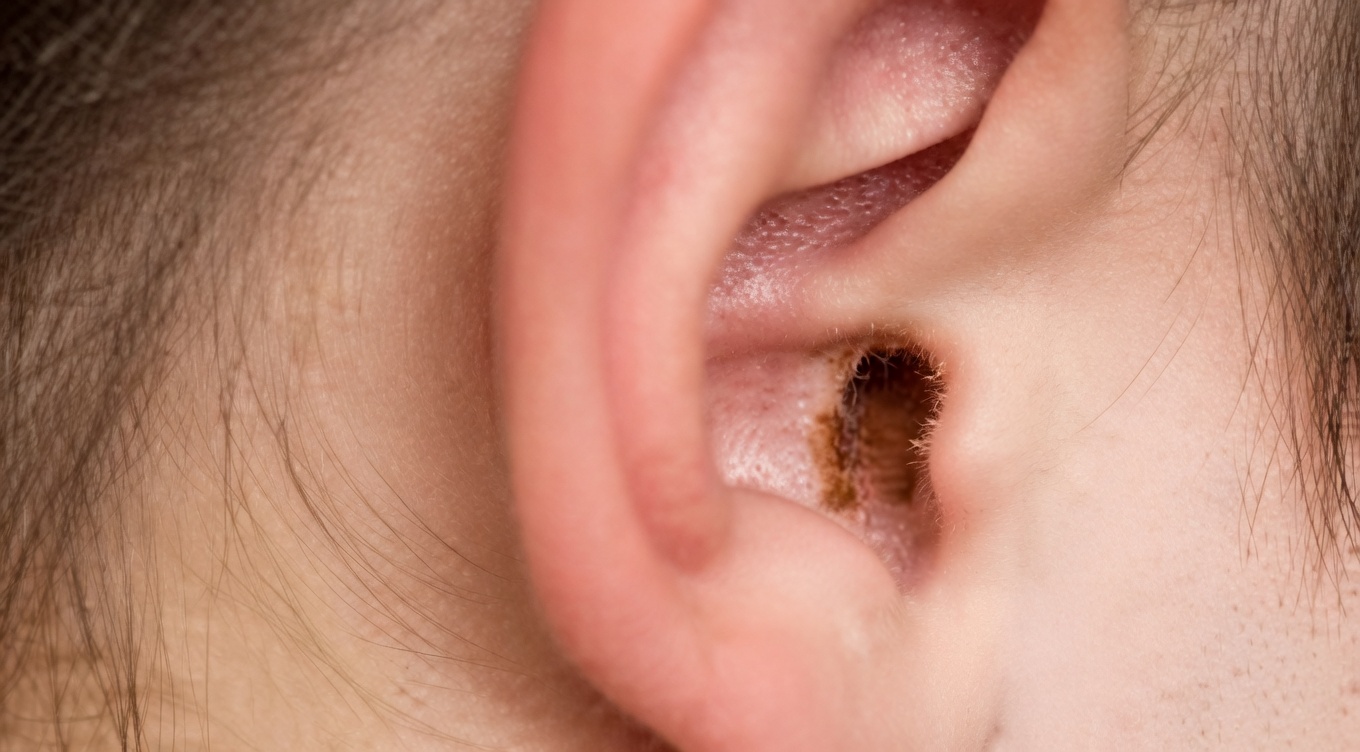
As a result, simple routines can start to feel unexpectedly difficult when hearing becomes less clear.
Surprising and Common Reasons Earwax Builds Up
Earwax buildup often happens for practical, everyday reasons—many of which people don’t realize are contributing factors. Common causes include:
- Naturally narrow or hairy ear canals, which slow wax movement
- Aging, which can make earwax drier and harder to clear
- Overproduction of wax that outpaces natural removal
- Using cotton swabs, which frequently push wax deeper
- Frequent use of earbuds, hearing aids, and in-ear plugs, which can compress wax and reduce natural clearance
- Certain skin conditions that affect the ear canal
Instead of solving the problem, inserting objects into the ear often worsens blockage and irritation.

The important takeaway: many of these triggers can be reduced with simple awareness and better habits.
How Earwax Buildup Can Affect Hearing and Daily Well-Being
When wax blocks part or all of the ear canal, sound waves cannot reach the eardrum effectively. This often causes temporary hearing reduction, making voices seem distant and conversations harder to follow. Some people also notice:
- Tinnitus (ringing or buzzing)
- Dizziness or a mild sense of imbalance
- Discomfort or earache
- Itching and irritation
Clinical guidance (such as information shared by Cleveland Clinic) also notes that, in some cases, earwax issues can contribute to odor, and occasionally even coughing due to nerve stimulation in the ear canal.

Quick symptom checklist
- Feeling of fullness or blockage
- Muffled hearing or reduced sound clarity
- Ear pain or discomfort
- Ringing noises (tinnitus)
- Itching or irritation
- Dizziness in some cases
- Occasional cough or noticeable odor
Recognizing these signs early makes it easier to choose safer next steps.
Safe, Evidence-Based Ways to Support Natural Earwax Removal
For many people, the safest approach is to soften hardened wax so the ear’s natural motions (chewing, talking, yawning) can help move it outward gradually. Commonly recommended options include:
- Mineral oil
- Baby oil
- Olive oil
- Over-the-counter ear drops containing hydrogen peroxide or carbamide peroxide (used exactly as directed)
These methods are often suggested by reputable health organizations (including Mayo Clinic and Harvard Health) as gentler options compared to physical removal at home.

Avoid cotton swabs and similar tools. They frequently push wax deeper, increase irritation, and raise the risk of injury.
Using Olive Oil for Earwax: A Gentle Option (With Important Cautions)
Olive oil is widely discussed as a mild softener that can help lubricate the ear canal and potentially make wax easier to move out naturally. If you choose to try it:
- Warm the oil to body temperature (not hot).
- While lying on your side, place a few drops into the affected ear.
- Remain in position for a few minutes.
- Let it drain out when you sit up.
Some people find this soothing, especially when dryness and hardened wax contribute to discomfort. Still, results vary—olive oil may help soften wax, but it is not guaranteed to clear a stubborn blockage.

Stop immediately if you notice irritation, worsening symptoms, or pain.
Garlic Mixed With Olive Oil: What the Evidence Actually Says
Garlic has been studied for compounds such as allicin, which may have antimicrobial properties in certain settings. This has led to traditional remedies combining garlic and olive oil for ear concerns.
However, major medical sources note that garlic oil is not strongly supported as an earwax-removal method, and it may trigger irritation or reactions in sensitive ears. Even if some individuals report relief, the scientific support for garlic oil specifically for earwax buildup remains limited.

If you’re considering this approach, professional guidance is the safest way to decide whether it’s appropriate for your situation.
Essential Safety Rules Before Using Any Ear Drops
Before trying oils or over-the-counter drops, keep these precautions in mind:
- Check the temperature on your wrist first; hot liquid can burn the ear canal.
- Never insert objects into the ear canal to “dig out” wax.
- Do not attempt home treatment if you have:
- A perforated eardrum
- Ear tubes
- Recent ear surgery
- Active infection, drainage, or discharge
- Stop immediately if you develop pain, dizziness, or increased irritation
These warning signs may indicate you need evaluation rather than continued home care.
Simple Daily Habits to Reduce Future Earwax Buildup
Preventing recurring wax problems often comes down to consistent, low-effort habits:
- Skip cotton swabs and avoid inserting tools into the ear
- Limit prolonged use of in-ear devices when possible
- Stay hydrated to support healthy skin and wax consistency
- Encourage natural jaw movement (for example, chewing gum occasionally)
- If you’re prone to buildup, schedule periodic professional checks to catch blockages early
Small choices add up and can reduce the chance that muffled hearing returns.
When to See a Professional for Earwax Problems
Seek medical care promptly if you experience:
- Ongoing or worsening hearing changes
- Persistent ear pain
- Significant tinnitus
- Dizziness or balance issues
- Discharge, drainage, or signs of infection
- No improvement after careful home measures
Clinicians can remove earwax using specialized tools and can also check for other causes of symptoms. Professional removal is often fast, safe, and effective—especially when blockage is stubborn or recurring.
Medical Disclaimer
This article is for informational purposes only and does not replace professional medical advice. Always consult a qualified healthcare provider before trying ear care methods, particularly if you have symptoms or a history of ear conditions.
Frequently Asked Questions
What are the most common signs of earwax buildup?
Typical symptoms include muffled hearing, a blocked/full sensation, ear discomfort, ringing (tinnitus), itching, and sometimes dizziness. Many people notice the changes gradually during daily conversations.
Is olive oil safe to use at home for earwax buildup?
Olive oil is commonly considered a gentle wax softener when used carefully and warmed only to body temperature. Avoid it if you have ear pain, discharge, a known eardrum issue, tubes, or recent surgery, and consider checking with a clinician first.
When should I avoid home remedies for earwax?
Avoid home treatment if you’ve had a perforated eardrum, ear surgery, ear tubes, infection symptoms, or drainage/discharge—or if you develop pain or dizziness. In these cases, professional evaluation is the safest next step.