
Fluid retention can make you feel uncomfortable, swollen, and low on energy from morning to night. Post-meal bloating, tight-fitting clothes, puffy ankles, and a heavy sensation in the legs can impact both confidence and daily comfort—especially with age, shifting hormones, or lifestyle changes. For many people, diuretic tea is a gentle, natural option that may support the body’s ability to release excess water and sodium by mildly increasing urine flow.
So which natural diuretic teas are most worth trying? Below is a ranked list of the 8 best diuretic teas based on traditional use and early scientific interest—counting down to the most popular choice.

Why Diuretic Tea Is Popular for Bloating and Water Retention
If you’ve ever woken up with a puffy face or felt your waistband tighten by late afternoon, adding diuretic teas for bloating relief can feel like a simple daily reset. Many herbs naturally contain compounds such as flavonoids, potassium, antioxidants, and plant bioactives that may help support fluid balance and reduce that “weighed down” feeling.
Across many traditions, herbal diuretic teas have been used for generations to ease mild water retention and promote comfort. Beyond the herbs themselves, the warm routine of sipping tea can also help people feel more in control when swelling and bloating become a recurring frustration.
What makes diuretic teas stand out is the balance: hydration plus mild herbal support, which fits well with a natural wellness approach.
The 8 Best Diuretic Teas (Ranked)
8) Green Tea: An Easy, Everyday Diuretic Tea
Green tea is one of the most accessible diuretic teas. Its natural caffeine may gently increase urine output, while catechins and other antioxidants support overall wellness.
Many people who experience daily water retention say they feel “lighter” when green tea becomes a consistent habit. The clean, grassy taste also makes it easy to drink regularly.
7) Parsley Tea: A Traditional Herbal Favorite
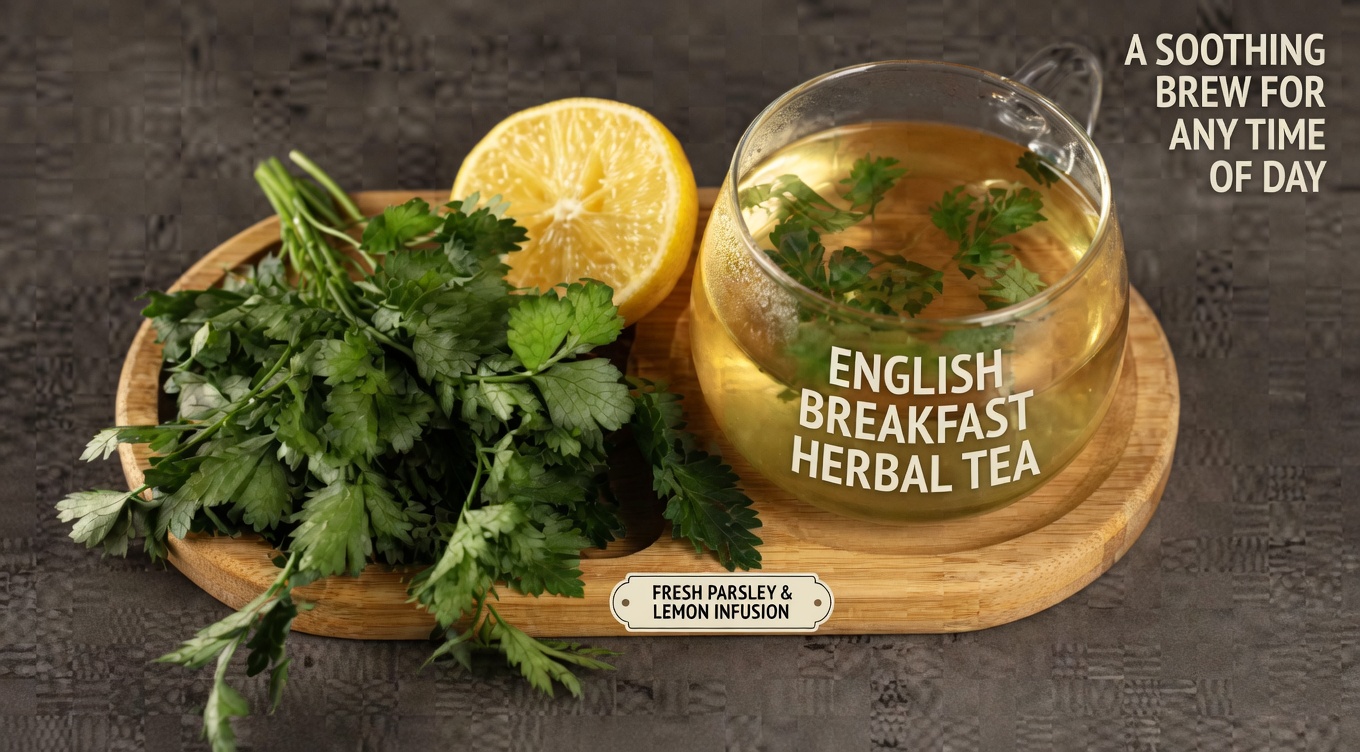
Parsley tea has long been used as a classic herbal diuretic tea, traditionally associated with kidney and urinary support. If puffiness around the eyes or fingers is a frequent issue, parsley tea is often chosen for its strong historical reputation.
Its fresh, green flavor can be surprisingly pleasant, especially when brewed lightly and enjoyed as part of a morning routine.
6) Horsetail Tea: Strong Traditional Support for Stubborn Swelling
Horsetail tea is frequently mentioned among more potent natural diuretic teas. It contains silica and antioxidant compounds, and some research suggests it may encourage a more noticeable diuretic effect than milder herbs.
Because it can be stronger, many people use horsetail tea for short-term support rather than all-day, everyday sipping. Its flavor is mild and earthy, making it easy to blend with other herbs.
5) Ginger and Cinnamon Tea: Warming Comfort for Bloating
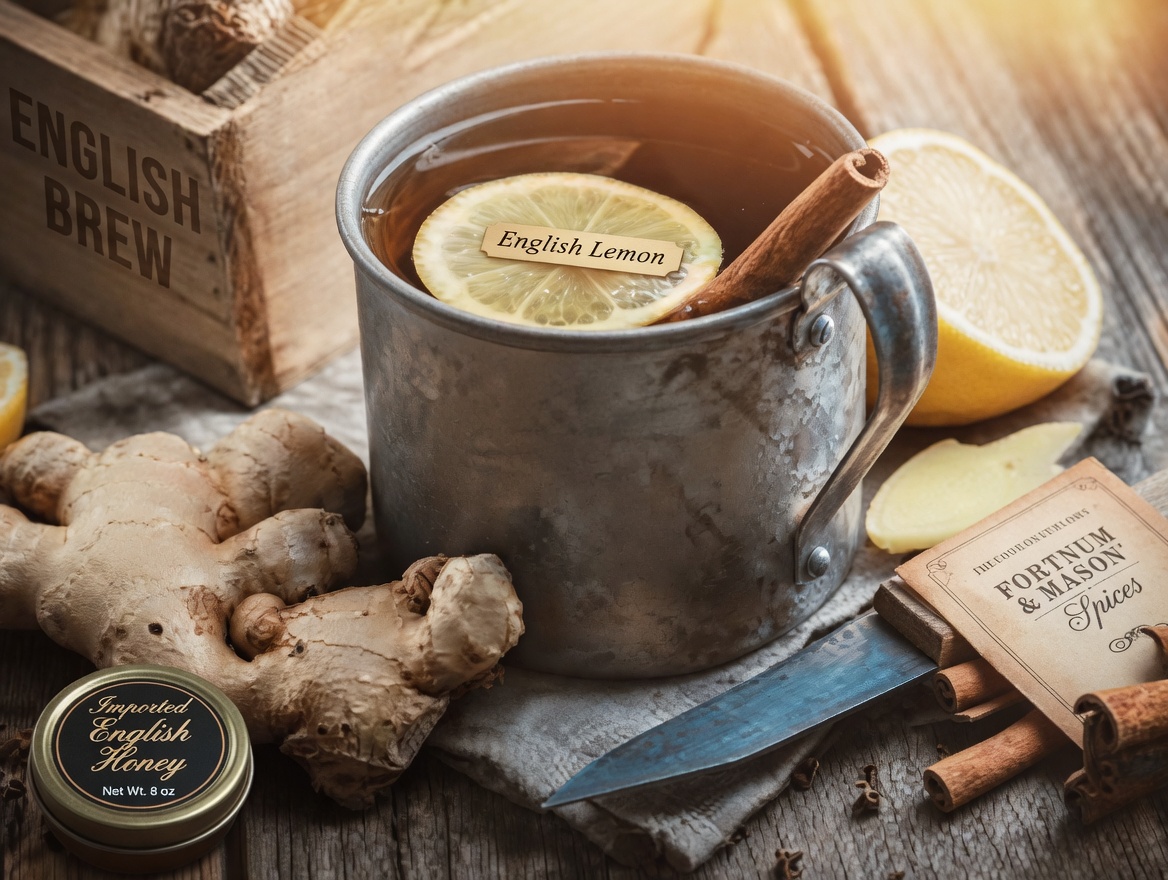
When bloating comes with a sluggish digestive feeling—or when you feel cold and “stuck”—a ginger-cinnamon blend can be especially comforting. This warming tea is often used traditionally to support digestion and circulation while also helping the body release excess fluid.
The spicy aroma and naturally sweet notes make it one of the most enjoyable diuretic tea blends, particularly during colder months.
4) Fennel Tea: Diuretic Support Plus Gas Relief
Fennel tea earns a high spot because it supports more than fluid balance. It’s widely used for digestive comfort—especially bloating linked to gas, tightness, and abdominal pressure.
With a naturally sweet, licorice-like taste, fennel tea is popular for those dealing with hormonal shifts and digestive sensitivity. Many people report a flatter, calmer feeling when fennel is used consistently.
3) Hibiscus Tea: Bright Flavor with Antioxidant Benefits
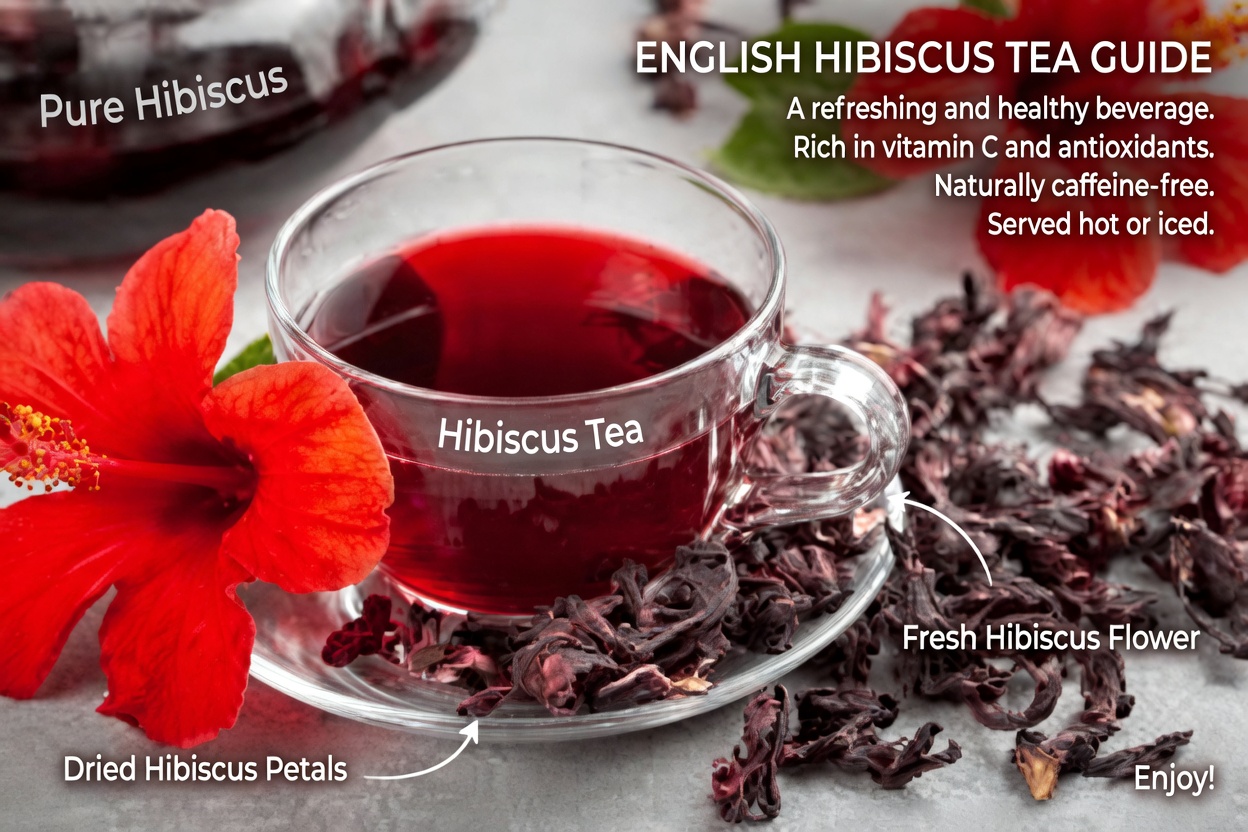
Hibiscus tea stands out for its vivid ruby color and tart, cranberry-like taste. Along with antioxidants (including anthocyanins), hibiscus is often discussed for its role in supporting vascular comfort and fluid balance.
It works well both hot and iced, making it a great option for anyone who wants a refreshing daily diuretic tea that doesn’t feel medicinal.
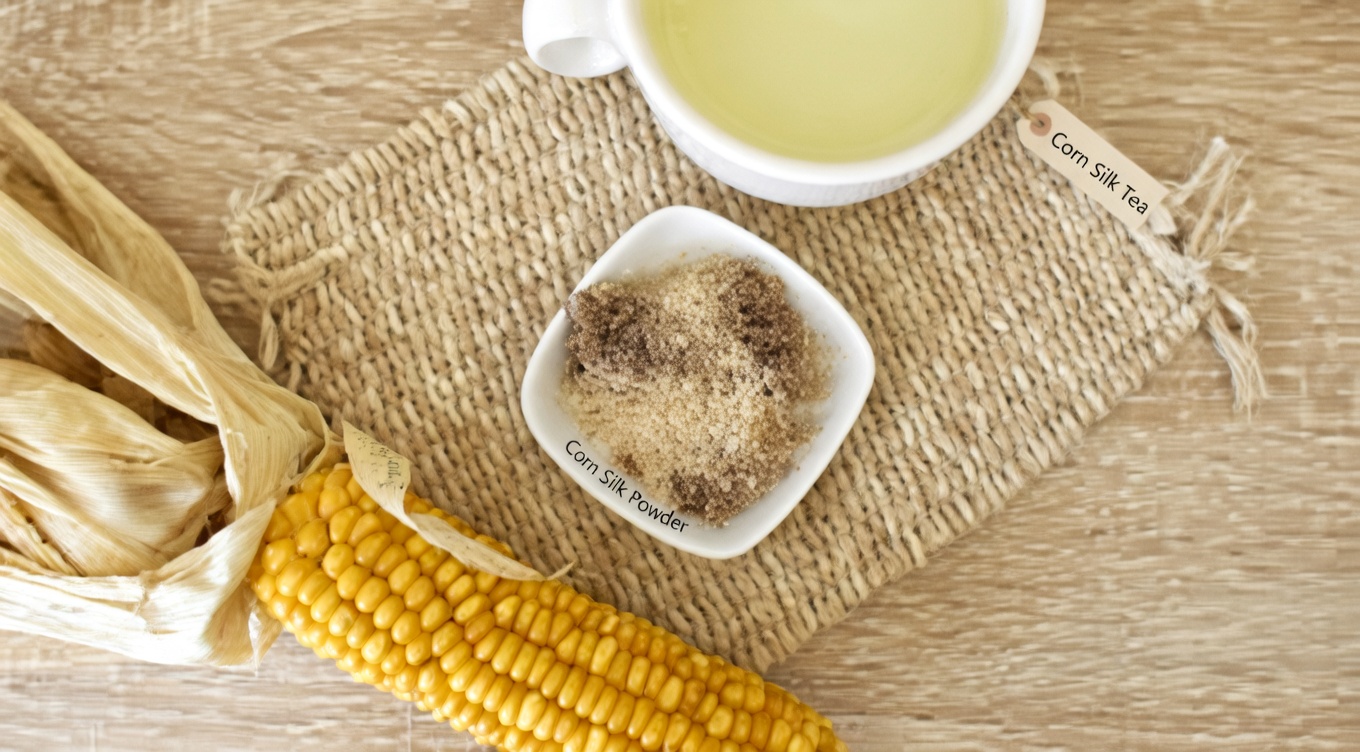
2) Corn Silk Tea: A Gentle, Underappreciated Option
Corn silk tea—made from the silky strands found under corn husks—is one of the more underrated diuretic teas for water retention. Traditionally, it has been used to support urinary comfort and help ease mild swelling.
Its flavor is extremely mild and slightly sweet, making it easy to drink alone or combine with other herbs. This gentle profile is also why many people prefer it when they have a sensitive stomach.
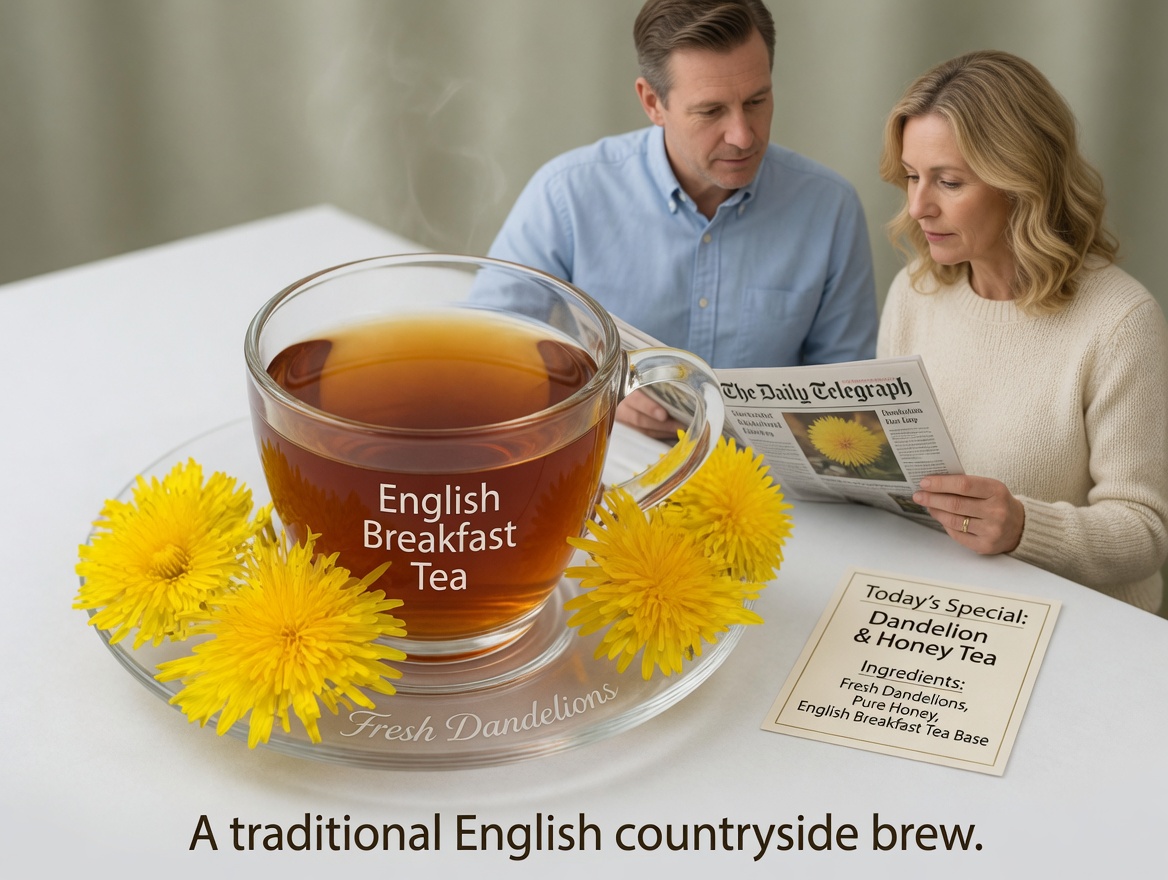
1) Dandelion Tea: The Most Celebrated Diuretic Tea for Puffiness
Dandelion tea takes the top spot as the most talked-about diuretic tea for recurring bloating and fluid retention. It’s naturally rich in potassium and has a long history of traditional use to support healthy kidney function.
One reason dandelion is so popular is its reputation for a more “balanced” approach—helping the body move excess water while being less associated with mineral depletion compared to some other options. Many people notice the most obvious reduction in puffiness and heaviness when they drink dandelion tea regularly.
The taste is earthy and slightly bitter (often compared to mild coffee), and it tends to become more enjoyable over time.
Comparison Table: The 8 Best Diuretic Teas at a Glance
| Diuretic Tea | Key Compounds | Potential Benefits (Traditional + Emerging) | Best For | Flavor Profile |
|---|---|---|---|---|
| Dandelion Tea | Potassium, flavonoids | Fluid balance + mineral support | Daily bloating and puffiness | Earthy, slightly bitter |
| Corn Silk Tea | Flavonoids | Gentle urinary comfort + fluid support | Sensitive stomachs | Very mild, lightly sweet |
| Hibiscus Tea | Anthocyanins | Fluid balance + antioxidant support | Refreshing daily use (hot/iced) | Tart, fruity |
| Fennel Tea | Anethole | Bloating + gas relief | Digestive comfort | Sweet, licorice-like |
| Ginger + Cinnamon Tea | Gingerols, cinnamaldehyde | Warming digestion + circulation support | Cold, bloated days | Spicy, warming |
| Horsetail Tea | Silica, antioxidants | Strong traditional diuretic effect | Stubborn swelling | Mild, grassy/earthy |
| Parsley Tea | Flavonoids, vitamins | Traditional kidney support + puffiness reduction | Morning puffiness | Fresh, green |
| Green Tea | Caffeine, catechins | Mild diuretic + antioxidant support | Everyday routine | Fresh, vegetal |
This overview makes it easier to choose the best diuretic tea for bloating, swelling, or daily comfort.
How to Brew Diuretic Teas Safely and Effectively
To get the most from herbal diuretic teas, keep preparation simple and consistent:
- Choose quality tea (ideally organic) from reputable suppliers.
- Steep properly: use 1–2 teaspoons of dried herb (or 1 tea bag) in hot water for 5–10 minutes.
- Start slowly: try 1–2 cups per day, ideally in the morning or early afternoon.
- Add extra water intake: drink plain water alongside diuretic teas to stay well hydrated.
Safety Notes to Keep in Mind
- Use diuretic teas in moderation to avoid potential electrolyte imbalance.
- Speak with a healthcare professional before using diuretic teas if you are pregnant, nursing, have kidney conditions, or take medications (including blood pressure meds or prescription diuretics).
- If you feel dizziness, cramping, unusual fatigue, or discomfort, stop and reassess.
Practical Tips to Boost Results from Diuretic Tea
- Cut back on sodium: reducing salty foods often improves bloating faster than any tea alone.
- Pair tea with movement: a short walk can help circulation and reduce that heavy, swollen feeling in the legs.
- Be consistent (not extreme): daily habits tend to work better than overdoing strong teas occasionally.
- Support digestion: if bloating is also gas-related, rotate in fennel or ginger-cinnamon to complement fluid support.