Many people notice small physical shifts as they get older—occasional tiredness, mild aches, or subtle discomfort—and often brush them off as “normal life.” However, when these changes don’t go away and start disrupting your routine, they can become a source of stress and confusion. Learning to recognize common warning signs early can help you raise the right questions with a healthcare professional and support more informed health decisions.
At the end, you’ll also discover a simple but frequently missed strategy that can significantly improve your day-to-day vigilance.
Why Noticing Body Changes Is So Important
After 40 or 50, it’s easy to blame low energy, aches, or nagging symptoms on work pressure, poor sleep, or a busy schedule. Yet some body changes may be worth documenting rather than dismissing. Guidance and research shared by organizations such as the American Cancer Society consistently emphasize that noticing unusual changes can lead to earlier, more productive conversations with clinicians.
In practice, many people wait—assuming symptoms will fade on their own. The downside is that ongoing issues can quietly affect quality of life, from reduced stamina at work to less presence with family. The encouraging news: simple self-monitoring habits can help you spot patterns earlier and discuss them more clearly.
In many cases, earlier awareness supports more proactive next steps. Let’s move into the key signs to watch.
The 14 Key Warning Signs to Watch For
These signs reflect broad medical guidance and general health insights. They are not diagnoses. If you notice any of them—especially if they persist—seek personalized advice from a qualified healthcare provider.
1. Unexplained Weight Loss
Losing weight without intentionally changing diet or exercise can seem like a lucky break at first. But a noticeable, unplanned drop—commonly described as about 5–10% of body weight—may be linked to a range of health factors, including metabolic changes.
- Track your weight once a month.
- Write down when the change started and whether it was sudden.
2. Recurrent or Persistent Fevers
A fever that returns repeatedly (or lingers at a low level) without an obvious reason can be confusing, especially if it feels like a minor illness that never fully resolves. Persistent fevers are often associated with the immune system responding to something ongoing.
- Keep a simple temperature log.
- Note frequency, time of day, and accompanying symptoms.
3. A Cough That Won’t Go Away or Ongoing Hoarseness
A cough lasting longer than three weeks deserves attention, even if it seems mild. Sometimes it’s related to irritation or environment, but long-lasting respiratory symptoms are worth evaluating early.
- Record how long the cough has lasted.
- Note any additional changes (e.g., shortness of breath or coughing up blood).
4. Skin Changes or a New/Changing Spot
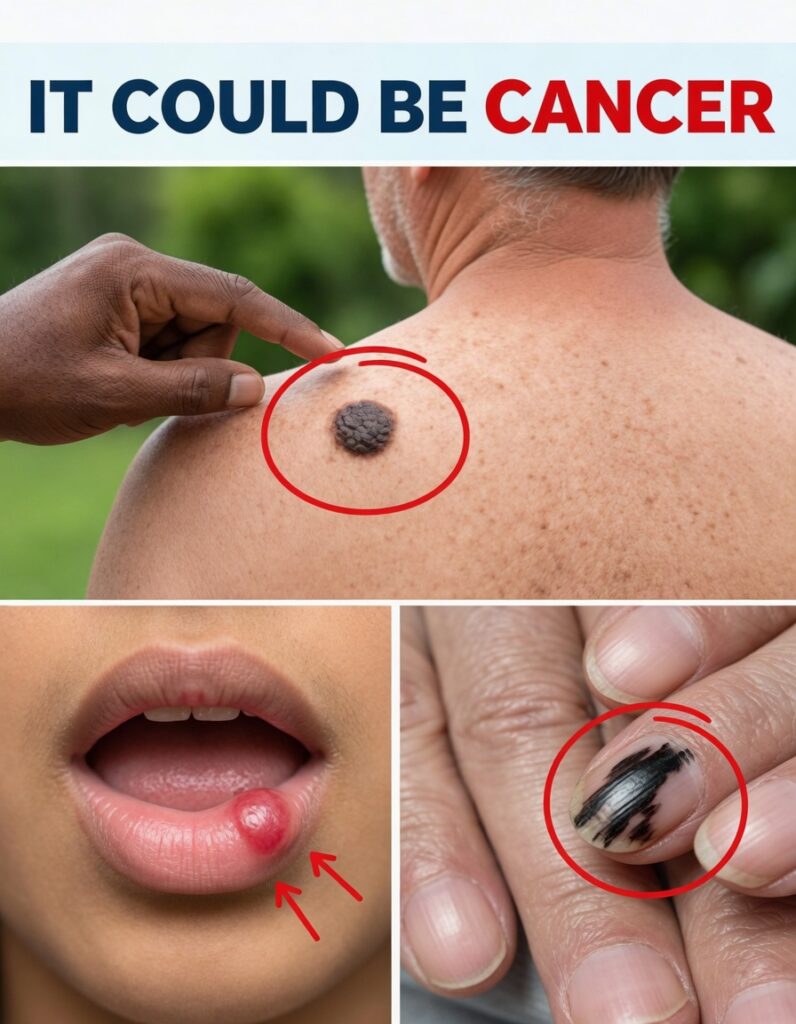
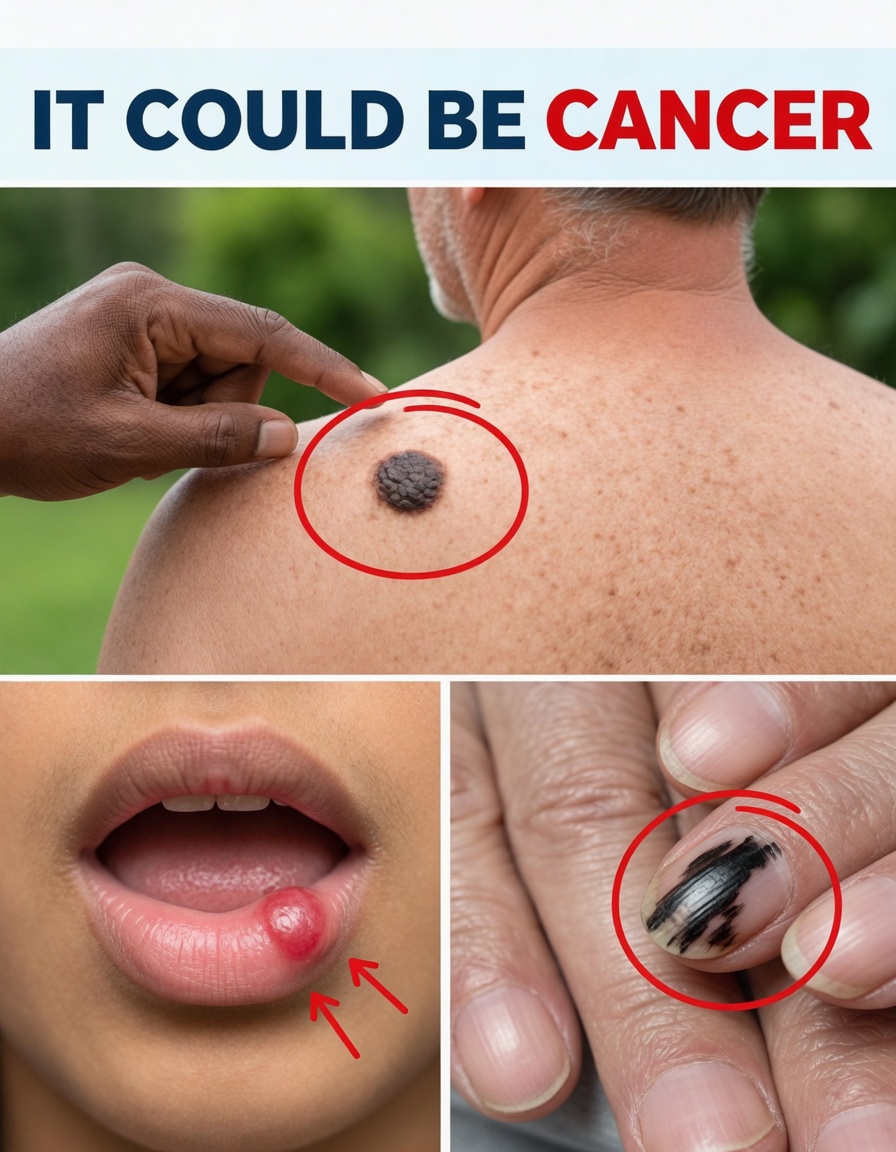
A mole or spot that changes size, shape, or color is an important visual clue—especially in areas that get a lot of sun exposure. Regular skin monitoring helps you catch unusual developments sooner.
Use the ABCDE check:
- Asymmetry
- Border irregularity
- Color variation
- Diameter over 6 mm
- Evolving (any change over time)
Pause today and quickly scan your skin for anything new or changing.

5. A Sore That Doesn’t Heal
A mouth sore or skin sore that persists beyond three weeks may need medical attention. These often begin as something small, then linger longer than expected.
- Track how long it has been present.
- Note whether it’s improving, staying the same, or worsening.
6. Unusual Bleeding or Discharge
Any bleeding that’s unexpected—such as blood in stool or urine—or unusual discharge should be treated as information you shouldn’t ignore. These changes can be connected to digestive, urinary, or reproductive health.
- Write down the date, frequency, and what you observed.
- Don’t postpone bringing it up with a clinician.
7. Changes in Bowel or Urinary Habits
Ongoing constipation, diarrhea, or noticeable changes in urinary flow can disrupt daily life and may reflect interference or obstruction in normal function.
- Log patterns weekly (frequency, urgency, discomfort).
- Note anything that appears persistent rather than occasional.
Helpful tip: Bringing a short symptom log to an appointment often makes the conversation faster and clearer.
8. Difficulty Swallowing
If swallowing becomes uncomfortable or feels unusually difficult, meals can become stressful. This can sometimes relate to narrowing or irritation in the throat or esophagus.
- Track how often it happens.
- Note whether solids, liquids, or both trigger it.
9. Voice Changes That Persist
A hoarse voice or other vocal change lasting more than two weeks can affect communication and may indicate ongoing irritation or issues involving the vocal cords.
- Record the start date and whether it fluctuates.
- Note triggers such as speaking a lot, reflux symptoms, or throat pain.
10. Swelling or Lumps
A new lump in the neck, armpit, groin, breast, or elsewhere can appear unexpectedly. Sometimes these are linked to lymph system activity, but any persistent or growing lump should be assessed.
- Do gentle self-checks periodically.
- Note size changes and whether it’s painful or firm.
11. Persistent Indigestion or Abdominal Discomfort
Frequent indigestion, ongoing fullness, or recurring abdominal pain—especially after eating—can be more than “just something you ate.” Persistent digestive discomfort may point to gastrointestinal factors worth reviewing.
- Keep a meal-and-symptom journal.
- Record what you ate, timing, and symptom severity.
12. Breast Changes
Breast-related changes such as swelling, pain, dimpling, redness, thickening, or a lump should be taken seriously—regardless of gender. Familiarity with your baseline makes new changes easier to notice.
- Perform monthly self-exams.
- Track what changed and when you first noticed it.
13. Extreme Fatigue That Doesn’t Improve With Rest
Deep tiredness that continues even after adequate sleep can affect work, mood, and daily functioning. Persistent fatigue is commonly associated with issues such as anemia or broader metabolic effects.
- Rate your daily energy on a 1–10 scale.
- Note low-energy streaks and accompanying symptoms.
14. Unexplained, Ongoing Pain
Pain that has no clear cause and lasts for weeks can limit mobility and enjoyment of normal activities. Ongoing pain may sometimes relate to pressure or irritation affecting nerves or organs.
- Track location, intensity, and timing.
- Note what improves it and what worsens it.

Warning Signs Comparison Table
| Sign | Common Associated Areas | Why It Might Happen | Action Tip |
|---|---|---|---|
| Unexplained weight loss | Pancreas, stomach, lungs | Metabolic changes, appetite shifts | Track weight monthly |
| Frequent/recurrent fevers | Blood (e.g., leukemia/lymphoma) | Immune system responses | Keep a temperature log |
| Persistent cough | Lungs | Airway irritation | Note duration and any blood |
| Skin changes | Skin | Abnormal cell growth | Use ABCDE mole check |
| Sores that won’t heal | Mouth, skin | Ulceration | Monitor for more than 3 weeks |
| Unexpected bleeding/discharge | Colon, bladder, cervix | Tissue changes | Seek prompt medical advice |
| Bowel/urinary habit changes | Colon, prostate | Obstruction or interference | Log patterns weekly |
| Difficulty swallowing | Esophagus, throat | Narrowing/irritation | Note frequency and triggers |
| Persistent hoarseness | Larynx | Vocal cord impact/irritation | Track duration |
| Swelling or lumps | Lymph, breast, thyroid | Abnormal growths | Regular self-exams |
| Indigestion/discomfort | Stomach, pancreas, bowel | Persistent irritation | Journal meals and symptoms |
| Breast changes | Breast | Swelling/dimpling/thickening | Monthly checks |
| Extreme fatigue | Various | Metabolic effects/anemia-related issues | Daily energy rating |
| Unexplained pain | Various | Pressure/irritation | Track intensity and location |
A Simple Timeline to Build Better Vigilance
- Weeks 1–2: Begin a daily symptom journal and add basic self-checks (skin and breast awareness, if applicable). The goal is to establish your baseline.
- Weeks 3–4: If you notice repeated patterns or persistent symptoms, book a check-up and bring your notes. This often leads to clearer, more focused discussions.
- Month 1 and beyond: Maintain recommended screenings and routine exams. Consistency supports long-term, proactive monitoring.
Advanced Tips to Improve Your Awareness
- Use the ABCDE method monthly during skin checks to quickly flag suspicious mole changes.
- Pair annual physical exams with digital tracking (notes app, symptom tracker, or calendar). Keeping organized records can support more informed medical conversations.
The Simple Strategy Many People Miss
Here’s the key insight promised earlier: connect the dots instead of viewing symptoms in isolation. For example, fatigue may appear alongside unintentional weight loss, or digestive discomfort may pair with changes in bowel habits. Recognizing clusters and patterns early can encourage a more complete, whole-body evaluation rather than focusing on a single symptom.
Wrap-Up: Take a More Empowered Approach to Your Health
Being mindful of these 14 warning signs can help you start timely, clearer conversations with healthcare providers. With basic tracking, regular self-awareness, and attention to symptom patterns, you can feel more prepared—and more in control—when something doesn’t seem right.