Noticing Subtle Changes After 45? They Could Be Early Signs of Diabetes
Waking up with a parched mouth, getting up for water several times a night, or feeling worn out even after a full night’s sleep can seem “normal”—especially once you’re past 45. But sometimes these small shifts are early signs of diabetes, and they’re easy to brush aside.
When thirst keeps interrupting your day and fatigue makes everything feel harder, it’s tempting to blame stress, work, or aging. Still, these early diabetes symptoms can reflect high blood sugar quietly building in the background.
The good news: catching early signs of diabetes sooner can make a major difference in prevention and long-term control. One sign in particular deserves extra attention because of the risks it may signal—keep reading to identify it.
Why Early Signs of Diabetes Are So Easy to Miss
Type 2 diabetes often develops slowly, so early symptoms may be mild or even absent. The Mayo Clinic notes that many people don’t notice clear warning signs at first.
It’s common to explain away:
- Ongoing tiredness as a busy schedule
- Increased thirst as weather changes
- More bathroom trips as “just getting older”
But these early signs of diabetes may point to excess glucose accumulating over time, placing steady strain on organs and blood vessels.
The American Diabetes Association (ADA) also reports that millions of people live with prediabetes without knowing it. Missing these early cues can mean losing a valuable opportunity to act early.
Your body can handle a lot—but symptoms are often signals, not inconveniences.
How High Blood Sugar Quietly Impacts the Body
When blood glucose stays elevated, the kidneys try to remove the extra sugar through urine. That process pulls fluid from tissues, which helps explain several common early signs of diabetes, including thirst, dry mouth, and frequent urination.
The ADA emphasizes that symptoms often appear in groups. Looking at the “pattern” is usually more useful than focusing on one change in isolation.
Consider a scenario like John, 58: he blamed his constant fatigue on age, and he adjusted to sleep being disrupted by frequent nighttime bathroom trips. A routine test later revealed prediabetes—and recognizing the early signs changed his trajectory.
Ignoring these symptoms can raise health risks over time. So what should you watch for?

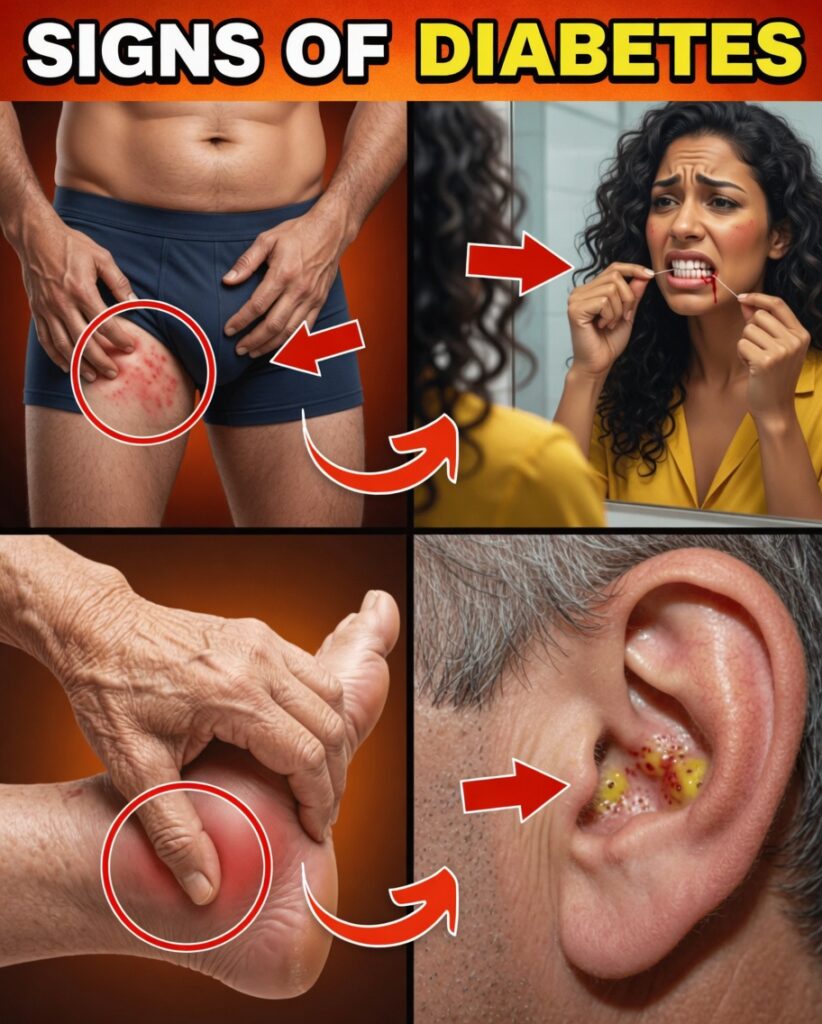
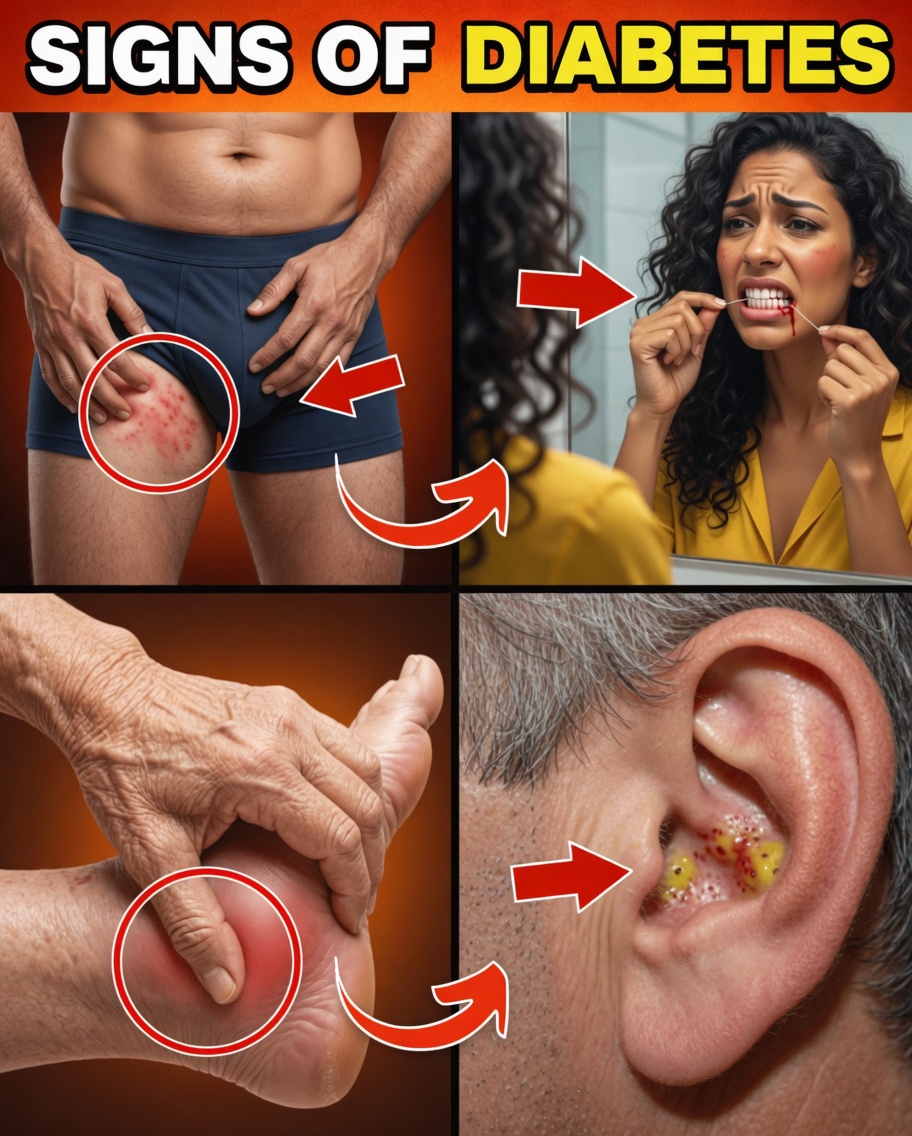
15 Early Signs of Diabetes You Might Be Overlooking
Below are 15 potential early signs of diabetes, based on widely referenced medical guidance from sources such as the ADA and Mayo Clinic. If several sound familiar, it’s worth taking them seriously.
15. Dry Mouth or Dry Skin
High blood sugar can reduce moisture in tissues, leading to cracked lips, itchiness, or noticeably dry skin.
14. Gum Issues or Frequent Oral Problems
Repeated gum irritation or mouth infections may be linked to glucose imbalance and reduced immune resilience.
13. Tingling or Numbness in Hands and Feet
Early nerve involvement can feel like pins-and-needles. Many people mislabel it as circulation problems.
12. Irritability or Mood Shifts
Blood sugar swings can affect brain energy and mood, causing unusual frustration, low mood, or short temper.
11. Darkened Skin Patches
Acanthosis nigricans appears as velvety, darker areas—often in folds like the neck, armpits, or groin—and can be an insulin resistance clue.

10. Recurring Yeast Infections
Extra sugar can encourage yeast growth, leading to repeated infections and discomfort.
9. Constant Hunger (Even After Eating)
When cells struggle to use glucose properly, the body may keep signaling hunger despite adequate meals.
8. Slow-Healing Cuts or Sores
High blood sugar and reduced circulation can delay healing. This is one of the most concerning early signs of diabetes because it may increase the risk of infection, ulcers, and complications.
For example, Maria, 52, noticed a small cut that lingered for weeks—testing later revealed elevated risk.
7. Frequent Infections
Recurring bladder, skin, or other infections can occur when immune defenses are strained.
6. Unexplained Weight Changes
Unexpected weight loss or gain may happen when insulin function shifts and the body changes how it uses energy.

5. Headaches
Dehydration and fluctuating blood sugar can contribute to headaches and reduced concentration.
4. Blurred Vision
Fluid changes can temporarily affect the lens of the eye, causing blurry vision. This symptom matters because persistent high sugar may lead to longer-term eye damage.
3. Extreme Fatigue
When the body can’t use glucose efficiently, daily activities may feel unusually draining, even with sufficient sleep.
2. Intense Thirst
The body attempts to correct high sugar by pulling in fluids—creating ongoing, hard-to-ignore thirst.
1. Frequent Urination (Especially at Night)
Excess glucose draws water into urine, making you urinate more often. This classic early sign can disrupt sleep and signal that blood sugar may be running high.

Common Early Signs vs. Potentially More Urgent Ones
Not every symptom carries the same level of concern. Some signs can indicate your body is compensating, while others may suggest early damage is beginning.
-
More common early signs
- Increased thirst
- Frequent urination
- Fatigue
-
Potentially more urgent signs
- Slow-healing cuts/sores
- Blurred vision
If you notice clusters of symptoms—especially the more urgent ones—consider medical evaluation sooner rather than later.
Real-World Examples: When Early Signs of Diabetes Were Overlooked
Lisa, 50, assumed her thirst and nighttime bathroom trips were just habits. Over time, fatigue began affecting her work. A routine check identified type 2 diabetes early, and she now manages it with a clear plan.
Tom, 62, had a foot sore that wouldn’t heal (the slow-healing warning sign). Testing revealed undiagnosed diabetes. Recognizing that symptom helped him avoid more serious complications.
Many people wonder, “Is this just aging?” That’s understandable—but a simple test can provide clarity and peace of mind.
When to Get Checked for Early Signs of Diabetes
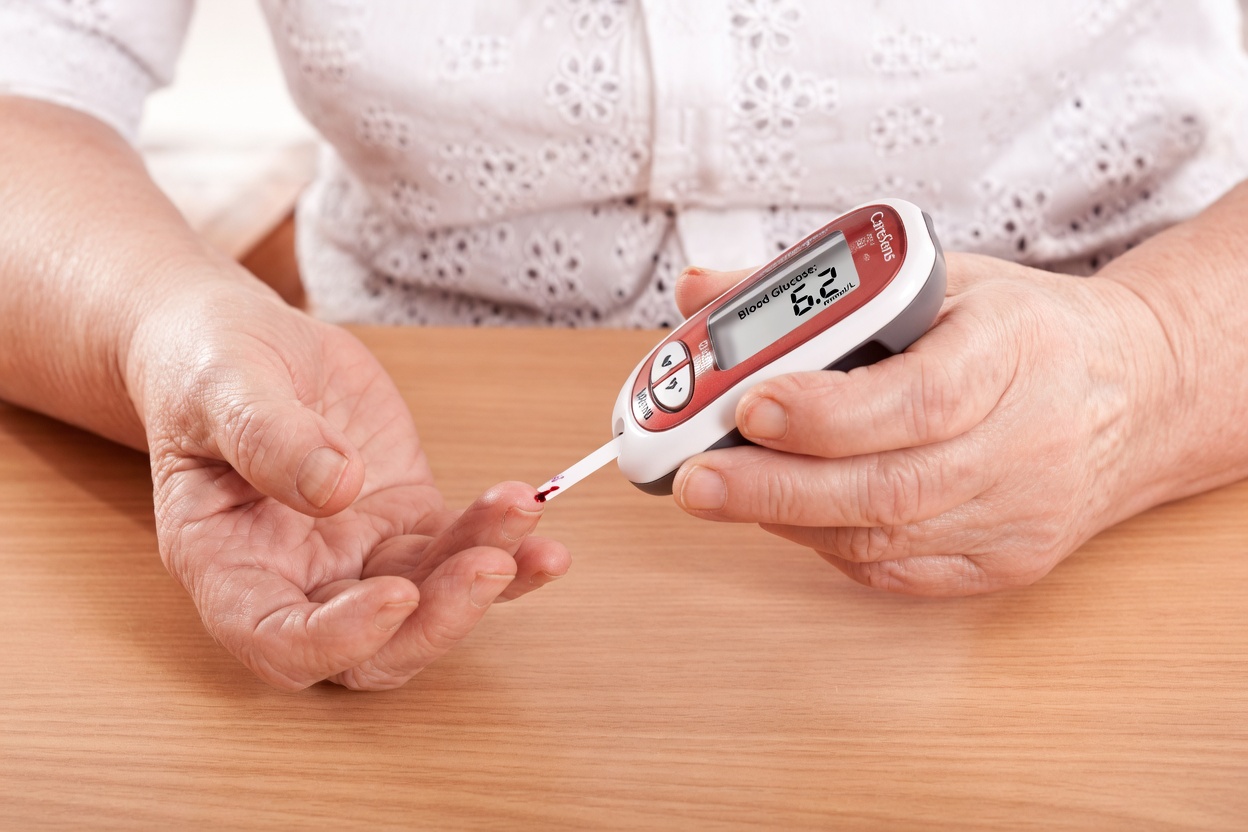
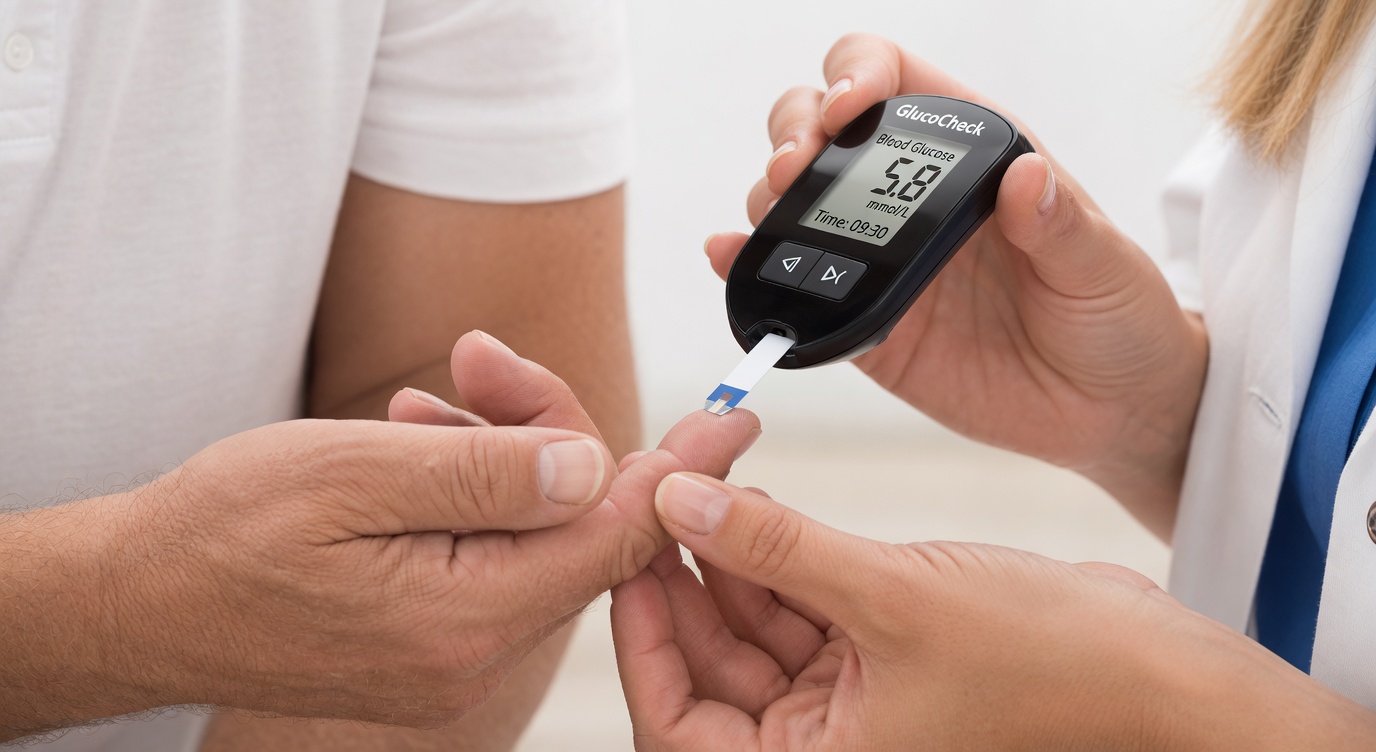
If you’re experiencing three or more early signs of diabetes, don’t wait it out. Screening tests such as A1C or fasting blood glucose can give quick, actionable answers.
Practical steps you can take today
- Track symptoms for 7 days (thirst level, bathroom frequency, energy, sleep interruptions)
- Review your family history (genetics matter)
- Try a reputable online risk questionnaire as a starting point
- Book a medical visit for personalized screening
General screening guidance commonly cited by experts
- Age 45 and older: routine screening is typically recommended
- Risk factors (overweight, inactivity, family history): consider earlier testing
- Symptoms present: test promptly
Take Control of Your Health Today
From increased thirst to ongoing fatigue and frequent urination, these early signs of diabetes are often the body’s way of raising a flag. Paying attention now can help reduce the chance of complications later.
Key signs to remember: frequent urination, intense thirst, extreme fatigue—and especially slow-healing wounds, which can signal higher risk.
Speak with a healthcare professional soon to discuss symptoms and testing options.
P.S. Sudden fruity-smelling breath, nausea, or severe symptoms require immediate medical attention.
Frequently Asked Questions
What are the three most common early signs of diabetes?
According to widely cited guidance from the ADA and Mayo Clinic, the most common include frequent urination, increased thirst, and unusual fatigue.
Can early signs of diabetes come and go?
Yes. Symptoms may fluctuate depending on blood sugar levels, which is why symptom tracking can be useful.
Should I be concerned if I only have one early sign of diabetes?
A single symptom doesn’t necessarily mean diabetes. However, if you also have risk factors, it’s worth discussing screening with your healthcare provider.
Disclaimer: This article is for informational purposes only and does not replace professional medical advice. These symptoms can relate to diabetes or other conditions. Always consult a qualified healthcare provider for appropriate testing and individualized guidance.