Feeling Thirsty at Night or Exhausted in the Morning? Don’t Ignore These Early Signs of Diabetes
Waking up with a dry mouth, getting up to drink water several times overnight, or feeling unusually drained even after a full night’s sleep can slowly chip away at your quality of life. These changes are easy to blame on stress or “just getting older,” especially after 45—but they can also be early signs of diabetes.
When high blood sugar begins rising over time, it can quietly put extra strain on multiple systems in the body. One sign, in particular, can carry a bigger impact than many people realize—stay to the end for simple, practical steps that can help you feel more in control.
Why Early Signs of Diabetes Are So Easy to Miss
For many people, the earliest symptoms don’t feel dramatic. Mild fatigue, increased thirst, or a few extra bathroom trips can be dismissed as normal life. That’s one reason type 2 diabetes often develops unnoticed: blood glucose may climb gradually over years.
Trusted organizations such as the Mayo Clinic and the American Diabetes Association (ADA) report that millions of people live with prediabetes without knowing it. Realizing later that the clues were there can be unsettling—and it can add emotional strain when you’re already dealing with tiredness, disrupted sleep, or constant thirst.
Recognizing patterns earlier can reduce that background worry and help you take timely, confident action.

How High Blood Sugar Quietly Disrupts the Body
When glucose builds up in the bloodstream, it changes how your body manages fluids. Excess sugar can pull water from tissues, leaving you dehydrated, while the kidneys work harder to filter and remove the extra glucose. This chain reaction explains several classic early signs of diabetes, including:
- Ongoing thirst
- Dry mouth and skin
- More frequent urination (especially at night)
- Sleep disruption followed by daytime fatigue
The ADA notes that symptoms often appear in clusters, creating a cycle: thirst leads to drinking more, which leads to more urination, which can disrupt sleep—making exhaustion even worse.

15 Early Signs of Diabetes You Might Be Overlooking
If multiple symptoms on this list feel familiar, it can be concerning—especially when your energy, mood, and confidence start to change. The following signs align with guidance commonly cited by the Mayo Clinic and ADA.

-
Dry mouth or itchy, dry skin
Ongoing dryness from fluid loss can be uncomfortable and hard to ignore once it becomes routine. -
Gum problems or frequent mouth issues
Recurring gum irritation, sores, or oral infections can affect eating and daily comfort. -
Tingling in hands or feet
Pins-and-needles sensations may be an early nerve-related signal and can raise concerns about mobility. -
Irritability or mood swings
Shifting blood sugar levels can affect emotional stability and put strain on relationships. -
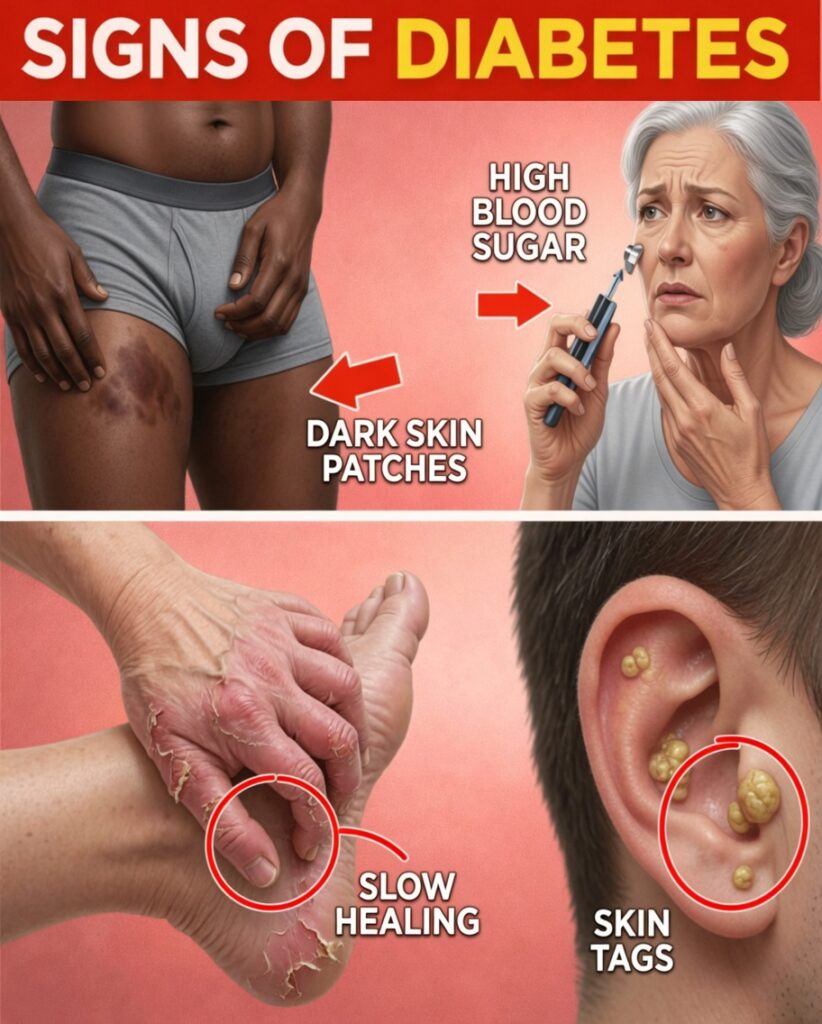
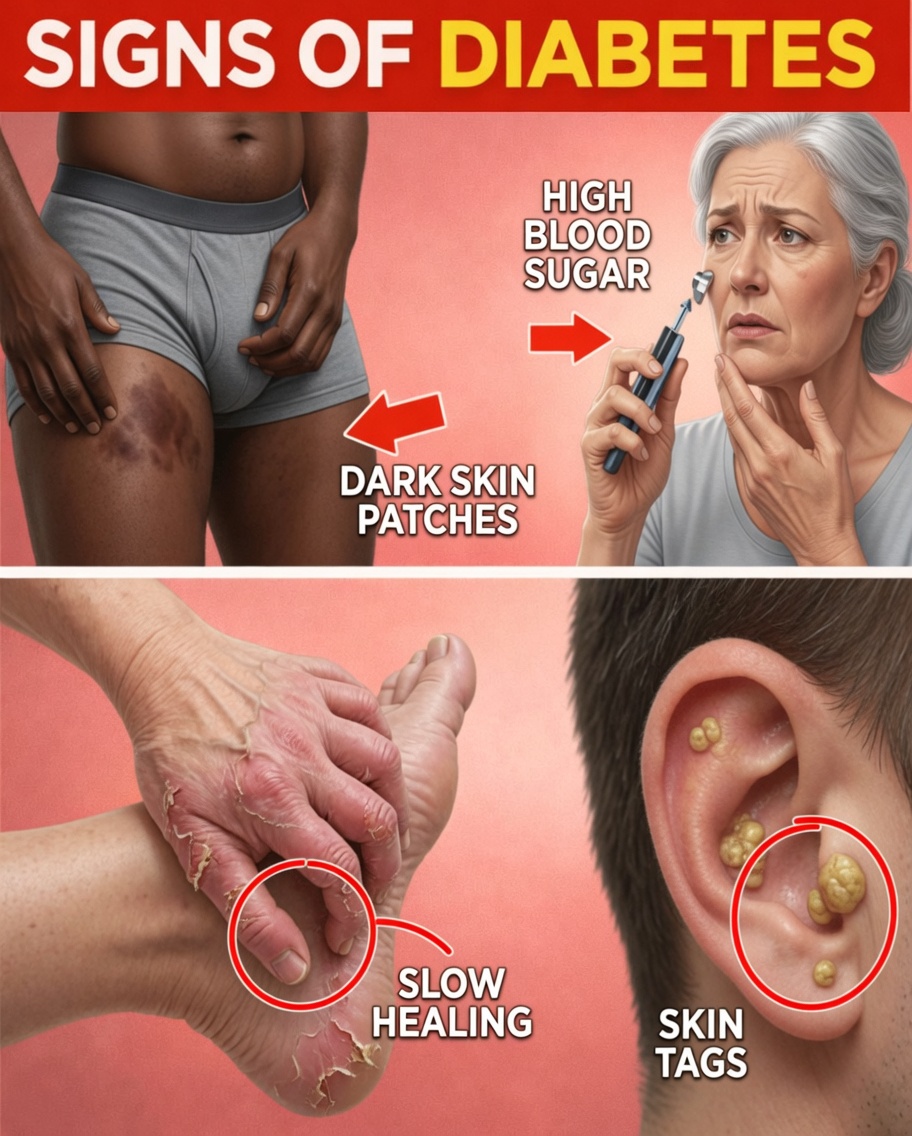
Dark, velvety skin patches
Often seen in body folds (like the neck or armpits), these patches can be linked to changes in insulin function. -
Recurring yeast infections
Higher sugar levels can promote yeast overgrowth, leading to repeated, uncomfortable infections. -
Unexplained hunger (even after eating)
Persistent cravings may feel frustrating and can trigger worry about weight or self-control. -
Slow-healing cuts or sores
Minor wounds that linger for weeks can signal circulation or immune changes and deserve attention. -
More frequent infections
Repeated skin, bladder, or other infections may occur when the immune system is under strain. -
Unexplained weight changes
Sudden gain or loss, despite similar habits, can point to shifting metabolism. -
Frequent headaches
Dehydration or glucose fluctuations can lead to headaches that interfere with focus and productivity. -
Blurred vision
Temporary lens swelling from glucose changes can blur sight and affect reading, screens, or driving. -
Extreme fatigue
Deep, persistent tiredness can reduce enjoyment of hobbies and time with loved ones. -
Increased thirst
Feeling like you can’t drink enough water is one of the most recognizable early symptoms. -
Frequent urination (especially at night)
Extra bathroom trips can disrupt sleep and are often among the first changes people notice.
These symptoms vary in intensity, but clusters—especially when they persist—can make the uncertainty feel heavy.

Common Symptoms vs. Signs That Deserve Faster Attention
Understanding what to prioritize can reduce overwhelm and help you decide what to address sooner.
| Category | Common everyday signs | Signs deserving prompt attention | Why it matters |
|---|---|---|---|
| Daily impact | Thirst, more urination, mild fatigue | Slow-healing sores, vision changes | Some symptoms disrupt routines; others may suggest progressing effects |
| What research often highlights | Frequently connected to lifestyle patterns (ADA) | Often linked to circulation, nerve, or eye concerns | Awareness supports timely screening and reduces uncertainty |
If you’re unsure, it’s reasonable to treat persistent or worsening symptoms as worth checking—especially vision changes and slow healing.

Real-Life Examples: When People Noticed Early Signs of Diabetes
Lisa, 50, assumed her constant thirst and nightly bathroom trips were simply part of aging. But when fatigue started affecting her performance at work and her energy at home, she scheduled a basic blood sugar check. Getting a clear answer helped her feel less anxious and more in control.
Tom, 62, ignored a stubborn sore on his foot until it refused to heal. Once he recognized it could be one of the early signs of diabetes, he addressed it quickly and avoided larger complications—regaining confidence in everyday movement.
Stories like these show a common theme: what feels like “normal aging” can sometimes be your body asking for attention.
When to Discuss These Early Signs of Diabetes With Your Doctor
If you notice three or more symptoms that continue over time, it can create ongoing stress and uncertainty. Tracking symptoms can help you feel proactive and prepared.
Helpful steps you can take now:
- Track patterns weekly (thirst, urination frequency, energy levels, sleep quality)
- Review risk factors, including family history, weight changes, activity level, and past blood sugar results
- Book a check-up to discuss symptoms and ask about testing
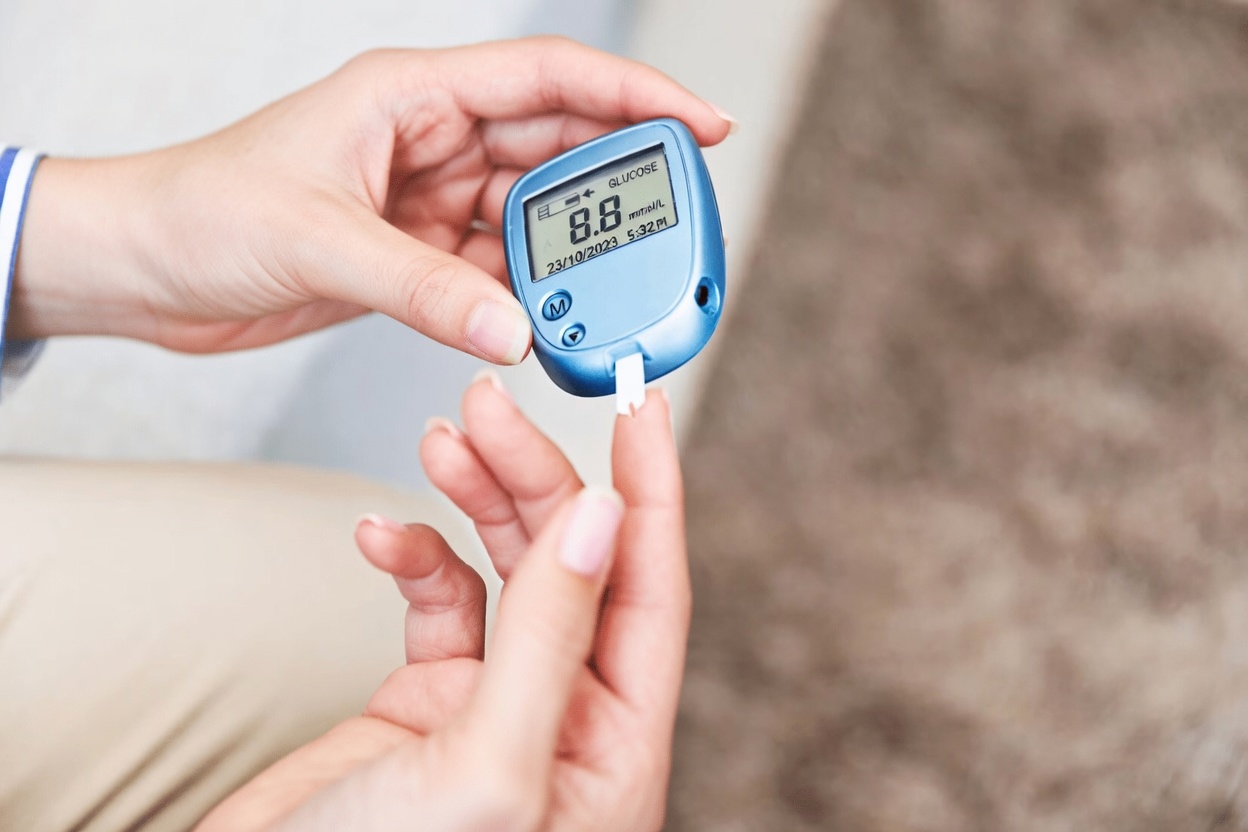
For adults over 45 or anyone with risk factors, screening tests such as A1C or fasting glucose can quickly clarify what’s going on.
Simple Ways to Feel More in Control (Starting Today)
Small, steady habits can support energy and reduce the frustration of unexplained changes—especially when paired with professional guidance.
- Move daily: gentle walks can support circulation and may improve fatigue
- Choose balanced meals: prioritize fiber, protein, and steady-energy foods to avoid major spikes and crashes
- Hydrate consistently: spread fluids throughout the day to better manage thirst
- Protect sleep: a consistent routine can reduce irritability and help your body recover
These steps are not a substitute for medical care, but they can help you feel more stable while you seek answers.
Take Charge of Your Health
From increased thirst to blurred vision and slow-healing cuts, recognizing early signs of diabetes gives you a chance to act before daily life feels heavier than it should. In particular, slow-healing sores are a signal many people wish they had taken seriously sooner.
Like Lisa and Tom, noticing patterns early—and getting the right screening—can replace uncertainty with clarity and a realistic plan forward.