
Plant-Forward Eating and Cancer Risk: 16 Evidence-Based Foods to Add to Your Diet
Cancer is still one of the world’s most serious health challenges, affecting millions of people and raising understandable questions about prevention. With so much contradictory information online, it can be hard to know what actually helps. One message, however, remains consistent across reputable research and major health organizations: a diet centered on plant-based, minimally processed foods is strongly linked to better long-term health.
No single ingredient can “protect” you completely. Still, studies repeatedly show that regularly eating fruits, vegetables, whole grains, beans, nuts, and other nutrient-rich foods may support lower cancer risk as part of an overall healthy lifestyle.
Some foods also stand out because they contain specific compounds associated with reduced inflammation, antioxidant activity, and cellular protection. Below, you’ll find 16 research-supported foods, why they matter, and practical ideas to make them part of everyday meals.

Why Diet Matters for Cancer Risk Reduction
A protective eating pattern is less about “superfoods” and more about consistent habits. Organizations such as the American Cancer Society and the American Institute for Cancer Research emphasize that diets rich in plant foods—including vegetables, fruit, whole grains, legumes, and nuts—are associated with a lower risk of multiple cancers.
These foods contribute key factors that support overall health:
- Fiber, which supports gut health and is associated with reduced colorectal cancer risk
- Antioxidants and phytochemicals, which help reduce oxidative stress
- Vitamins and minerals, essential for normal cell function
- Anti-inflammatory compounds, which may help regulate chronic inflammation
Diet also influences cancer risk indirectly through weight management. Evidence shows that excess body fat raises the risk of several cancers, so a balanced, high-fiber eating pattern that supports a healthy weight can be an important long-term strategy.
16 Foods Associated With Lower Cancer Risk (and How to Eat Them)
The goal is not perfection—it’s variety, consistency, and balance. Here are 16 foods frequently discussed in research for their potential role in cancer risk reduction.
1) Broccoli and Other Cruciferous Vegetables
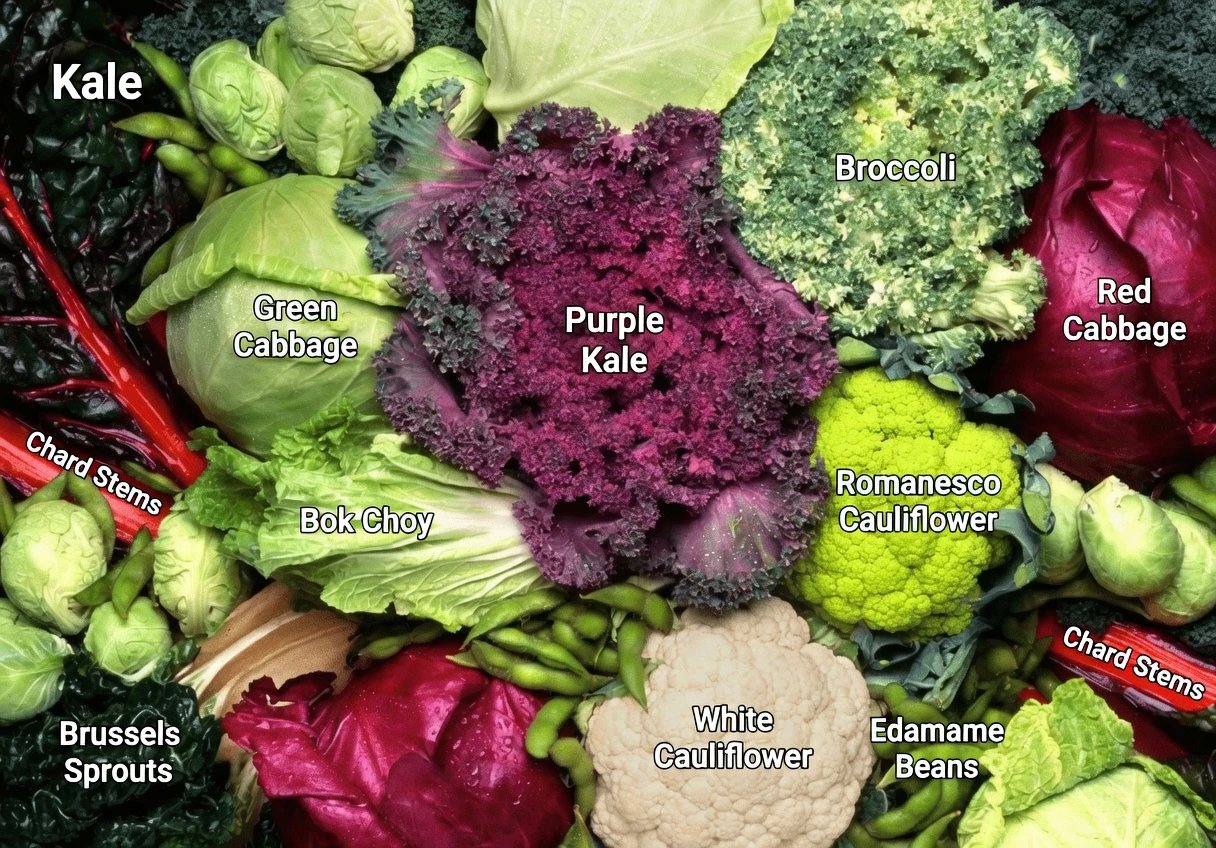
Examples: broccoli, cauliflower, Brussels sprouts, kale
Cruciferous vegetables contain glucosinolates and compounds such as sulforaphane, studied for their potential role in supporting healthy cell processes and inflammation control. The National Cancer Institute notes that higher intake of these vegetables may be linked with lower risk for certain cancers.
Easy ideas: steam broccoli with lemon, roast Brussels sprouts, add kale to soups.
2) Berries
Examples: blueberries, strawberries, raspberries, blackberries
Berries are rich in anthocyanins and other antioxidants associated with reduced oxidative damage and inflammation in research.
Easy ideas: add to oatmeal, blend into smoothies, top plain yogurt.
3) Leafy Greens
Examples: spinach, collards, arugula, kale
Leafy greens provide folate, fiber, and carotenoids, and they regularly appear in plant-forward dietary patterns associated with improved health outcomes in research, including studies related to colorectal cancer.
Easy ideas: salads, sautéed greens with garlic, green smoothies.
4) Tomatoes
Tomatoes are known for lycopene, an antioxidant studied for potential relevance to prostate health. Cooking tomatoes (sauce, stew, roasting) can improve lycopene absorption.
Easy ideas: tomato-based pasta sauce, roasted cherry tomatoes, tomato soup.
5) Garlic
Garlic contains allicin and sulfur-based compounds. Population studies have linked frequent garlic intake with a lower risk of colorectal cancer.
Easy ideas: stir-fries, soups, roasted vegetables, salad dressings.
6) Whole Grains
Examples: oats, brown rice, quinoa, barley
Whole grains deliver fiber and beneficial plant compounds that support gut health and weight management. Higher fiber intake is consistently associated with reduced colorectal cancer risk.
Easy ideas: oatmeal breakfast, quinoa bowls, swap white rice for brown rice.
7) Beans and Legumes
Examples: black beans, lentils, chickpeas
Legumes are high in fiber and plant protein and are associated in research with improved gut health and lower colorectal cancer risk patterns.
Easy ideas: lentil soup, chickpea salads, bean-based chili.
8) Nuts
Examples: walnuts, almonds, pistachios
Nuts provide healthy fats, fiber, and phytochemicals. Some analyses link regular nut intake with lower overall cancer mortality.
Easy ideas: a small daily handful, sprinkle on salads, add to oatmeal.
9) Carrots
Carrots supply beta-carotene and other carotenoids, common in plant-rich diets associated with protective health outcomes.
Easy ideas: raw with hummus, roasted as a side dish, shredded into salads.
10) Turmeric (Best With Black Pepper)
Turmeric contains curcumin, widely studied for anti-inflammatory properties. Pairing it with black pepper may increase absorption.
Easy ideas: add to soups, curries, roasted vegetables, or warm grain bowls.
11) Green Tea
Green tea contains catechins such as EGCG, studied for antioxidant and cell-protective effects in lab and population research.
Easy ideas: replace sugary drinks with unsweetened green tea.
12) Citrus Fruits
Examples: oranges, grapefruit, lemons
Citrus fruits provide vitamin C and flavonoids, supporting a nutrient-dense diet and overall immune health.
Easy ideas: orange slices with breakfast, lemon on vegetables, citrus in salads.
13) Apples
Apples offer fiber and phytochemicals like quercetin and are frequently included in dietary patterns associated with better long-term health.
Easy ideas: snack with nut butter, dice into oatmeal, add to salads.
14) Flaxseeds
Flaxseeds contain lignans and omega-3 fats, researched for possible relevance in hormone-related cancers.
Easy ideas: ground flax in smoothies, sprinkle on yogurt, stir into oatmeal.
15) Grapes (Especially Red Grapes)
Grapes include antioxidants such as resveratrol, studied for anti-inflammatory and cell-supporting pathways.
Easy ideas: snack bowl, add to salads, freeze for a cold treat.
16) Dark Chocolate (70%+ Cocoa, Moderation)
Dark chocolate contains flavonoids that may offer mild protective effects when part of an overall balanced eating pattern.
Easy ideas: a small square after meals, shaved over fruit.

Why “Food Synergy” Matters
These foods can work better together than alone. For example:
- A salad combining leafy greens + berries + nuts + flaxseeds delivers fiber, healthy fats, and multiple antioxidant compounds in one meal.
Simple Ways to Add These Foods Without Overhauling Your Life
Use small, repeatable changes that fit your routine:
- Make oatmeal your go-to breakfast and top it with berries + ground flaxseed
- Swap refined grains for quinoa or brown rice a few times per week
- Add garlic to soups, roasted vegetables, and stir-fries
- Choose snacks like nuts or carrot sticks with hummus (chickpeas)
- Eat cruciferous vegetables at least twice weekly (steamed broccoli or roasted Brussels sprouts)
- Drink green tea more often instead of sweetened beverages
- Aim for half your plate to be fruits and vegetables at most meals
Tracking your meals for one week can help you spot easy wins and build momentum.
Quick Guide: Fiber-Rich Food Groups That Support Gut Health
- Cruciferous vegetables (broccoli, cauliflower, kale)
- Key benefit: compounds like sulforaphane; strong nutrient density
- Simple serving: steamed with lemon
- Legumes (beans, lentils, chickpeas)
- Key benefit: high fiber linked to colorectal health
- Simple serving: soups or salads
- Whole grains (oats, quinoa, brown rice)
- Key benefit: steady energy and gut support
- Simple serving: breakfast base or side dish
- Nuts and seeds (walnuts, flaxseeds)
- Key benefit: healthy fats and lignans
- Simple serving: sprinkle on yogurt, salads, or oatmeal
Conclusion: Small Dietary Shifts Can Add Up
Adding these 16 foods to a varied, plant-forward diet is a realistic way to support overall wellness and may contribute to lowering cancer risk over time. The biggest impact comes from the full lifestyle picture—healthy weight, regular physical activity, avoiding tobacco, and consistent nutritious eating.
Start with one change this week (one new vegetable, one whole-grain swap, or a daily serving of berries), then build from there.
FAQ
Can one food prevent cancer by itself?
No. Research consistently shows that no single food provides complete protection. Potential benefits come from a balanced dietary pattern maintained over time.
How much should I eat each day?
A practical goal is at least 5 servings of fruits and vegetables daily, along with regular whole grains and legumes. Many guidelines also recommend filling half your plate with produce.
Are supplements better than whole foods?
Typically, whole foods are preferred because they contain a natural combination of nutrients and phytochemicals that work together. Supplements are not a replacement and may not provide the same effects.
Disclaimer
This article is for informational purposes only and does not provide medical advice. Diet may support overall health, but it does not prevent or treat cancer. For personalized guidance—especially if you have medical conditions or a family history of cancer—consult a qualified healthcare professional.