Could Your Everyday Symptoms Be Signs of Fatty Liver Disease?
Have you been feeling unusually tired, dealing with frequent bloating, or noticing discomfort under your ribs—without a clear reason? These issues can look like normal “life stress” or aging, but for many adults (especially those over 40), they can also be subtle signs of fatty liver disease. The challenge is that it often progresses quietly, damaging the liver long before obvious warning lights come on.
The good news: in many cases, early fatty liver changes can improve with consistent lifestyle adjustments. Start by learning the signs you can recognize right now—then take action before the condition escalates.
17 Warning Signs of Fatty Liver You Shouldn’t Ignore
1) Ongoing Stomach Discomfort and Heartburn
Occasional heartburn is common, but repeated reflux or stomach pain may be connected to liver-related inflammation that disrupts digestion.
Action tip
- Track meals and symptoms in a food log.
- Cut back on greasy and spicy foods, especially if symptoms keep returning.
- If it’s persistent, don’t self-diagnose—get evaluated.
2) Frequent Gas and Bloating
If bloating and trapped gas happen regularly, fatty liver may be affecting the gut microbiome, increasing digestive discomfort.
Action tip
- Add probiotic foods (yogurt, fermented vegetables).
- Reduce fizzy drinks and common bloat triggers such as beans or cabbage (especially in large portions).
3) Dull Pain or Pressure Under the Right Ribs
A heavy sensation or ache under the right rib area can occur when the liver becomes enlarged from fat buildup, pressing on nearby tissues.
Action tip
- Stay well-hydrated to support liver function.
- Try gentle movement (stretching, yoga) to reduce tension while you arrange medical assessment.
4) Sudden Drop in Appetite
Losing interest in food, feeling nauseated around meals, or struggling to eat normally can be linked to impaired digestion associated with liver dysfunction.
Action tip
- Choose smaller, more frequent meals.
- Prioritize liver-supportive foods like leafy greens and whole grains.
5) Constant Fatigue Without a Clear Cause
Feeling drained even after adequate sleep is a common complaint in fatty liver disease, since the liver plays a major role in metabolism and energy regulation.
Action tip
- Shift toward whole foods: fruits, vegetables, and minimally processed meals.
- Add low-impact activity (walking, swimming) to improve energy and insulin sensitivity.
6) Recurring Nausea
Unexplained nausea can happen when the liver struggles with toxin processing, affecting digestion and overall well-being.
Action tip
- Try ginger tea for mild relief.
- If nausea keeps coming back, book a full check-up.
7) Very Dark Urine (Tea- or Cola-Like)
Urine that becomes noticeably darker may signal problems with waste handling, including bilirubin processing.
Action tip
- Increase water intake.
- If dark urine persists, seek medical advice promptly.

8) White or Unusually Pale Nails
Nails that look washed out or pale can be associated with circulation or blood-related changes sometimes seen with liver dysfunction.
Action tip
- Add iron-rich foods such as spinach and legumes to your meals.
- Treat this as a health signal—monitor other symptoms and follow up clinically.
9) Small Red Spots on the Skin
Tiny red dots (often on the chest, arms, or abdomen) may appear when clotting support is disrupted, sometimes linked to reduced vitamin K processing.
Action tip
- Reduce or eliminate alcohol.
- Eat vitamin K–rich foods like leafy greens.
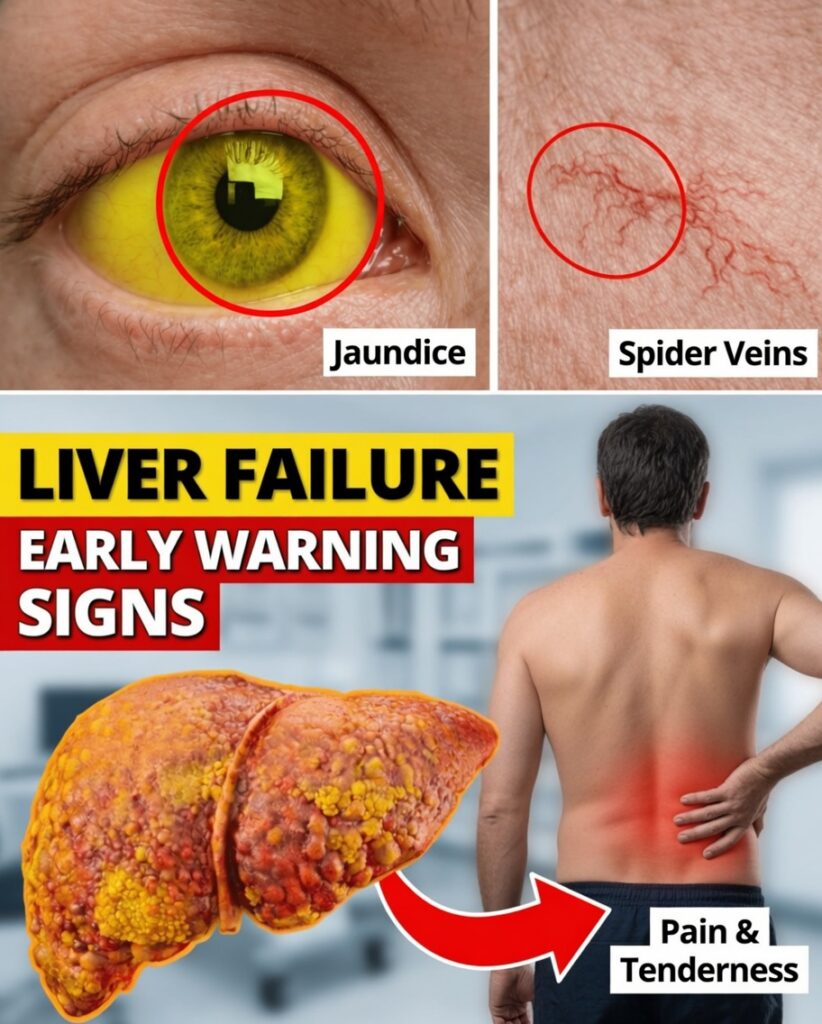
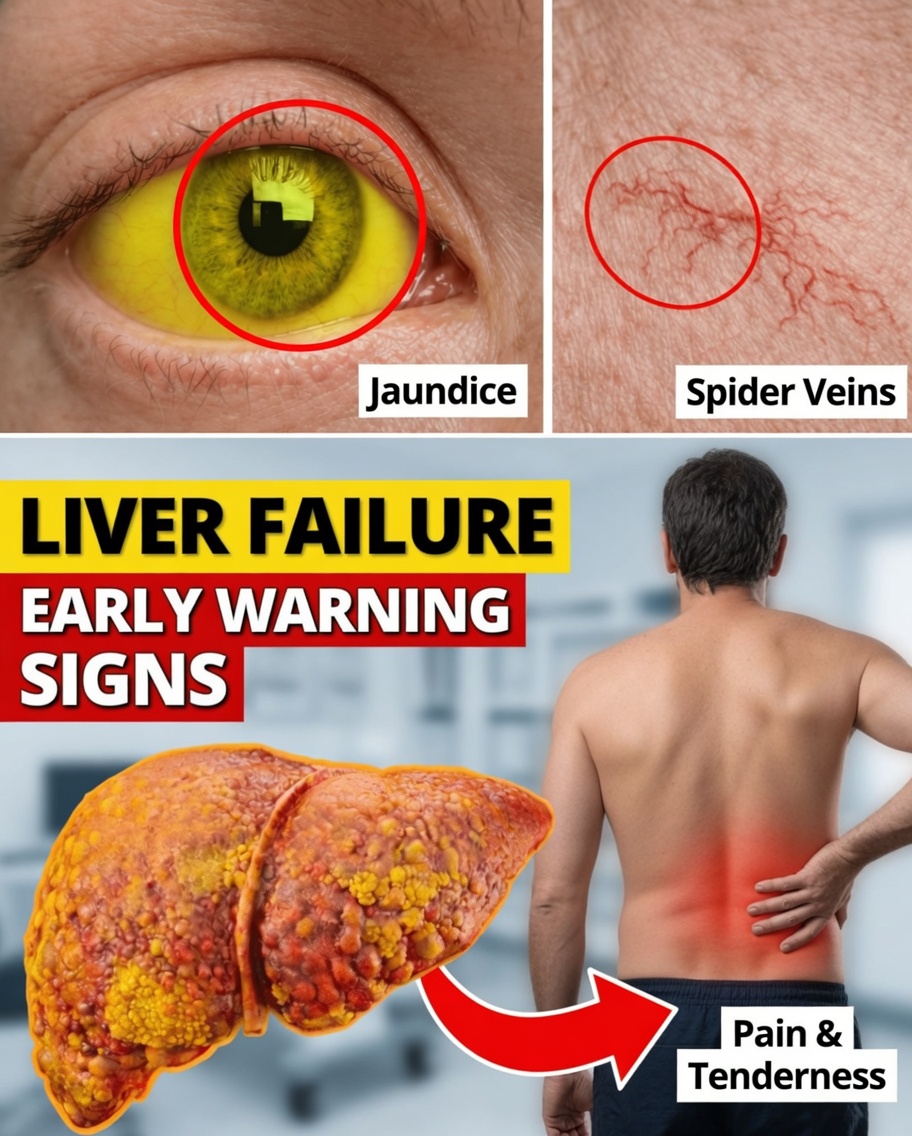
10) Spider Veins
Visible “spider-like” veins near the skin surface can be associated with hormone imbalance and liver strain.
Action tip
- Stay active and avoid sitting/standing for long stretches.
- Movement improves circulation and may prevent worsening.
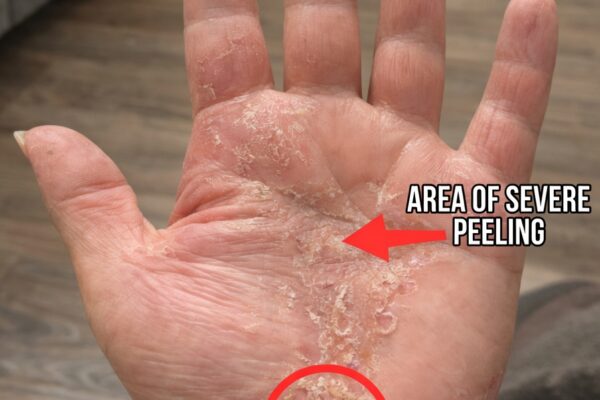
11) Intense Itching (Especially Palms/Soles)
Persistent itching can occur when bile-related substances build up in the bloodstream due to impaired liver function.
Action tip
- Moisturize regularly with simple natural oils (coconut or almond oil).
- If itching is severe or ongoing, consult a clinician for targeted treatment.
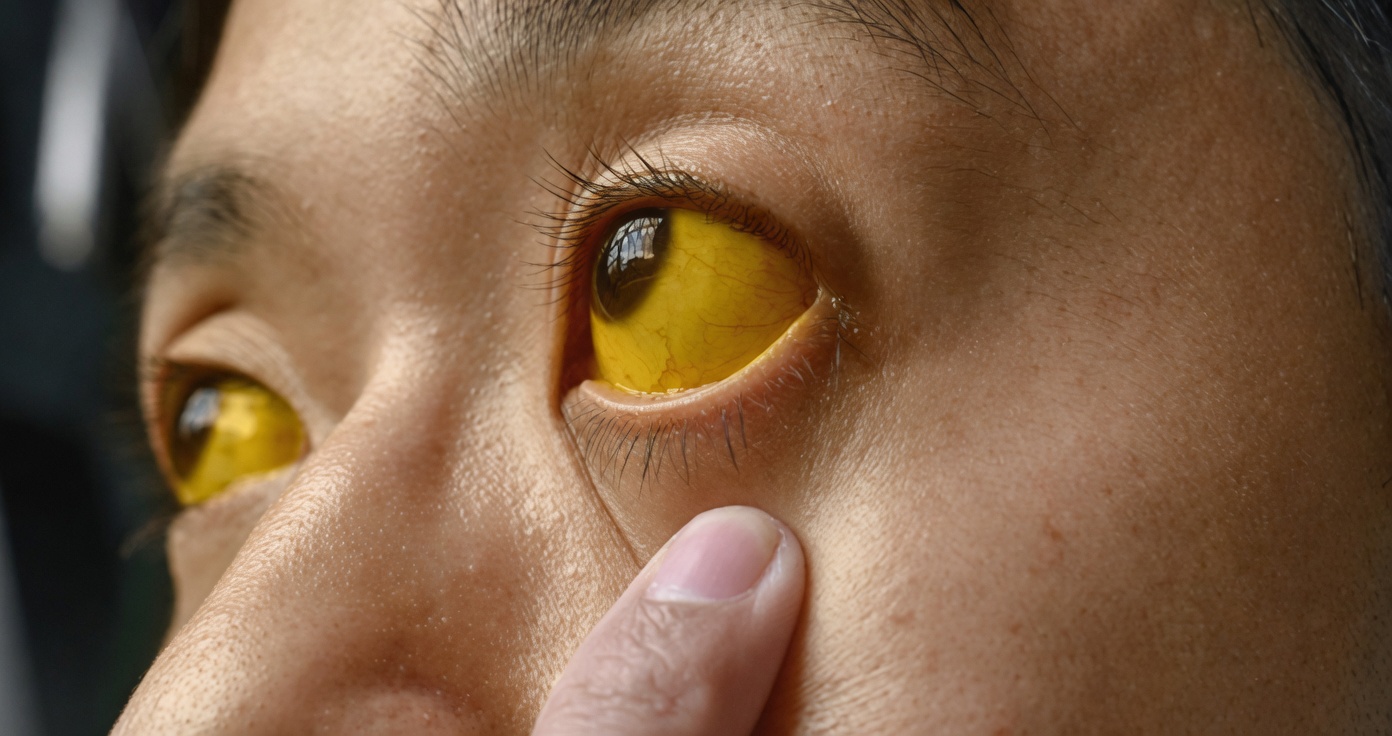
12) Jaundice (Yellowing of Skin or Eyes)
Yellow skin or yellowing in the whites of the eyes can indicate bilirubin buildup and requires urgent medical attention.
Action tip
- Do not wait—seek immediate evaluation.
13) Unusually Red Palms
Reddened palms (palmar erythema) can be linked to advanced liver stress and should not be dismissed.
Action tip
- Prioritize lifestyle changes: stop alcohol, improve diet quality, and address metabolic risk factors.
- Arrange medical testing to understand the cause.
14) Pale or Clay-Colored Stools
Light-colored stools may suggest inadequate bile reaching the digestive tract, which affects fat digestion.
Action tip
- Reduce alcohol intake.
- Focus on a fiber-rich, balanced diet and get medical advice.
15) Night Blindness
Trouble seeing in low light can be related to vitamin A processing, a function the liver supports.
Action tip
- Increase vitamin A–rich foods such as carrots and sweet potatoes.
- If symptoms persist, seek a professional assessment.
16) Gynecomastia (Breast Tissue Development in Men)
Hormone imbalance linked to liver dysfunction can contribute to gynecomastia in some men.
Action tip
- Aim for gradual weight loss, reduce alcohol, and exercise consistently to support hormone balance.
- Discuss changes with a healthcare provider.
17) Severe Right-Side Abdominal Pain
Sharp or intense pain on the right side can indicate significant liver enlargement or complications and should be treated as urgent.
Action tip
- Seek immediate medical care to identify the cause and begin proper treatment.
Natural Ways to Support Liver Recovery
If several of the signs above feel familiar, the most important step is to act early. Many people can support liver recovery by improving the habits that drive fatty liver in the first place.
- Exercise: Target at least 150 minutes of moderate activity per week (brisk walking, cycling, swimming).
- Diet: Emphasize whole foods (vegetables, fruits, whole grains) and reduce ultra-processed, high-sugar, and high-fat meals.