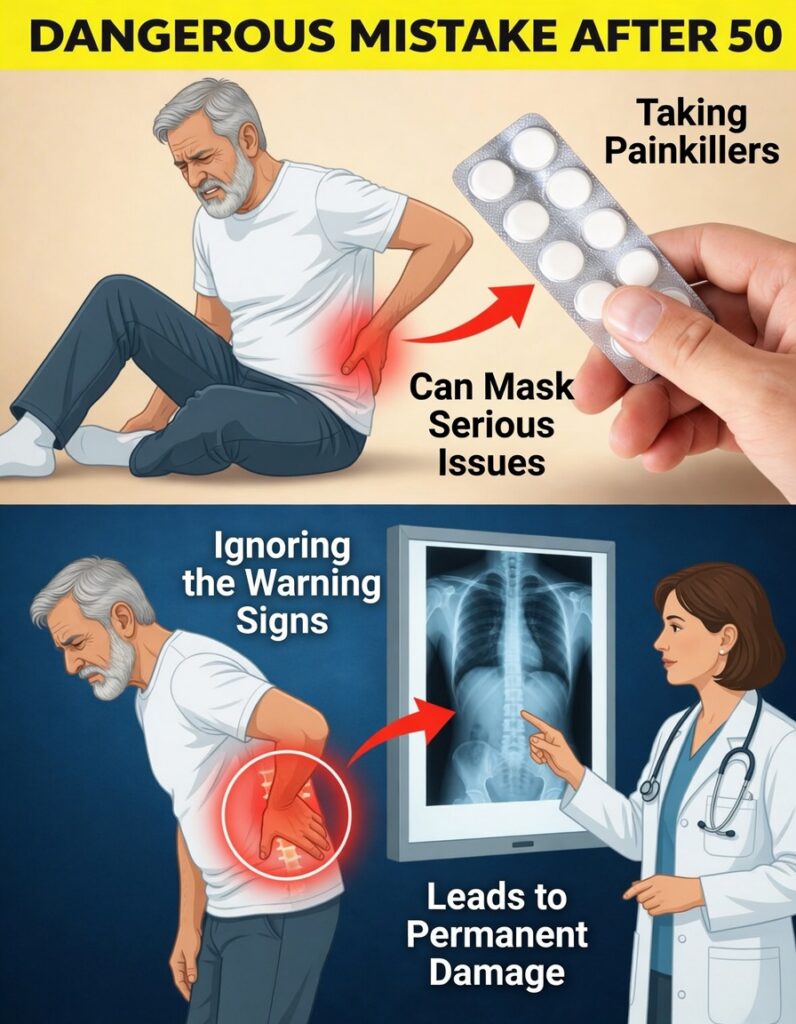
Many adults over 50 begin to notice shifts like persistent fatigue, occasional muscle aches, or “brain fog,” and often chalk them up to normal aging. When these symptoms linger, everyday tasks can feel heavier—and overall quality of life can dip. Research suggests that nutrient gaps become more common with age due to changes in absorption, evolving eating habits, medication use, and lifestyle patterns. The encouraging part: improving key nutrients through smart food choices can support better energy, mobility, and day-to-day well-being.
What if a few simple, consistent upgrades to your meals could help you feel more like yourself again? Below are three frequently overlooked nutrient areas after 50—plus practical, food-first ways to strengthen them naturally.

Why Nutrient Needs Often Change After 50
As we move through midlife, the body gradually shifts in how it digests and uses nutrients. Some vitamins and minerals may be absorbed less efficiently, while the need for certain nutrients can stay steady—or rise—because of their role in muscle function, energy metabolism, and healthy aging.
Population surveys repeatedly show that many adults in midlife and beyond don’t meet recommended intakes for several essential nutrients. Deficiencies can develop quietly: you may not notice dramatic warning signs at first, but low stores can influence how you feel day to day. Many people try to “push through” with extra coffee, more naps, or skipping activities—yet addressing diet-related gaps often provides more stable, long-term support.
Let’s start with a mineral that’s commonly missed.
Mistake #1: Falling Short on Magnesium (A Key Mineral for Muscles and Energy)
Magnesium supports more than 300 processes in the body, including muscle relaxation, nerve signaling, and energy production. Despite its importance, studies show a large percentage of adults—especially those over 50—consume less than recommended. In some U.S. data, roughly half (or more) fall short.
When magnesium intake is low, people may notice:
- Nighttime muscle cramps or tightness
- Ongoing fatigue or low stamina
- Occasional restlessness or trouble unwinding
Because absorption can decrease with age, these issues may become more noticeable over time.
A common real-world pattern: someone in their early 60s feels frequent leg discomfort and reduced energy. After consistently adding magnesium-rich foods—such as leafy greens and nuts—they may feel more comfortable and energized within a few weeks. Higher magnesium intake is also associated in research with broader wellness benefits, including support for cardiovascular health.
Magnesium-rich foods to add this week
- Spinach and other dark leafy greens
- Almonds, pumpkin seeds, and other nuts/seeds
- Avocados
- Whole grains such as quinoa
Easy (and often overlooked) option: a small serving of dark chocolate (70% cocoa or higher). About 1 ounce can provide a modest magnesium boost as part of a balanced diet.
If cramps or fatigue regularly feel more than a “minor annoyance,” increasing magnesium-rich foods is a smart first step. Next is a nutrient that often works closely with magnesium in the body.
Mistake #2: Not Getting Enough Vitamin D (The “Sunshine Vitamin” for Mood and Movement)
Vitamin D is well known for bone health, but it also supports immune function and plays a role in mood regulation. After 50, low vitamin D becomes more common—especially for people who spend less time outside, live in low-sun regions, or experience reduced skin production with age. Depending on the population and definition used, studies often report that 20–50% (or more) of adults may have insufficient levels.
Possible signs linked with low vitamin D status include:
- Heavy or tired legs
- Lower mood or reduced motivation
- A general sense of low vitality
Many people notice improvement when they combine sensible sun exposure with vitamin D-rich foods.
Food-first ways to support vitamin D
- Get 15–20 minutes of midday sunlight on arms and face several times per week (adjust for skin tone, season, latitude, and personal risk factors)
- Eat fatty fish such as salmon or mackerel
- Include fortified options like milk or fortified orange juice
Practical tip: pair sunlight time with a short walk. You may support vitamin D production while also improving daily movement, circulation, and mood.
Now, let’s cover a third nutrient that becomes harder to absorb with age and often shows up as fatigue or mental “fuzziness.”
Mistake #3: Overlooking Vitamin B12 (Essential for Nerves, Blood, and Focus)
Vitamin B12 is vital for red blood cell formation and healthy nerve function. After 50, absorption often declines due to lower stomach acid or the use of certain medications. Estimates vary, but research commonly suggests that up to 20% or more of older adults may have marginal or low B12 status.
Common clues that may be associated with low B12 include:
- Fatigue or weakness
- Occasional memory slips or difficulty concentrating
- Reduced mental clarity (“brain fog”)
Some people find that prioritizing B12 sources helps them feel sharper and more resilient during the day.
Reliable B12 food sources
- Lean meats, poultry, and eggs
- Fish such as tuna or salmon
- Fortified cereals or fortified plant milks (useful for varied or plant-forward diets)
Small strategy: combining B12-containing foods with vitamin C sources (like citrus fruit) may support overall nutrient intake patterns and digestion for some people.
How these nutrients connect
These nutrients don’t work in isolation:
- Magnesium supports processes involved in vitamin D activation
- Vitamin B12 supports the nervous system, complementing the energy and mobility goals supported by magnesium and vitamin D
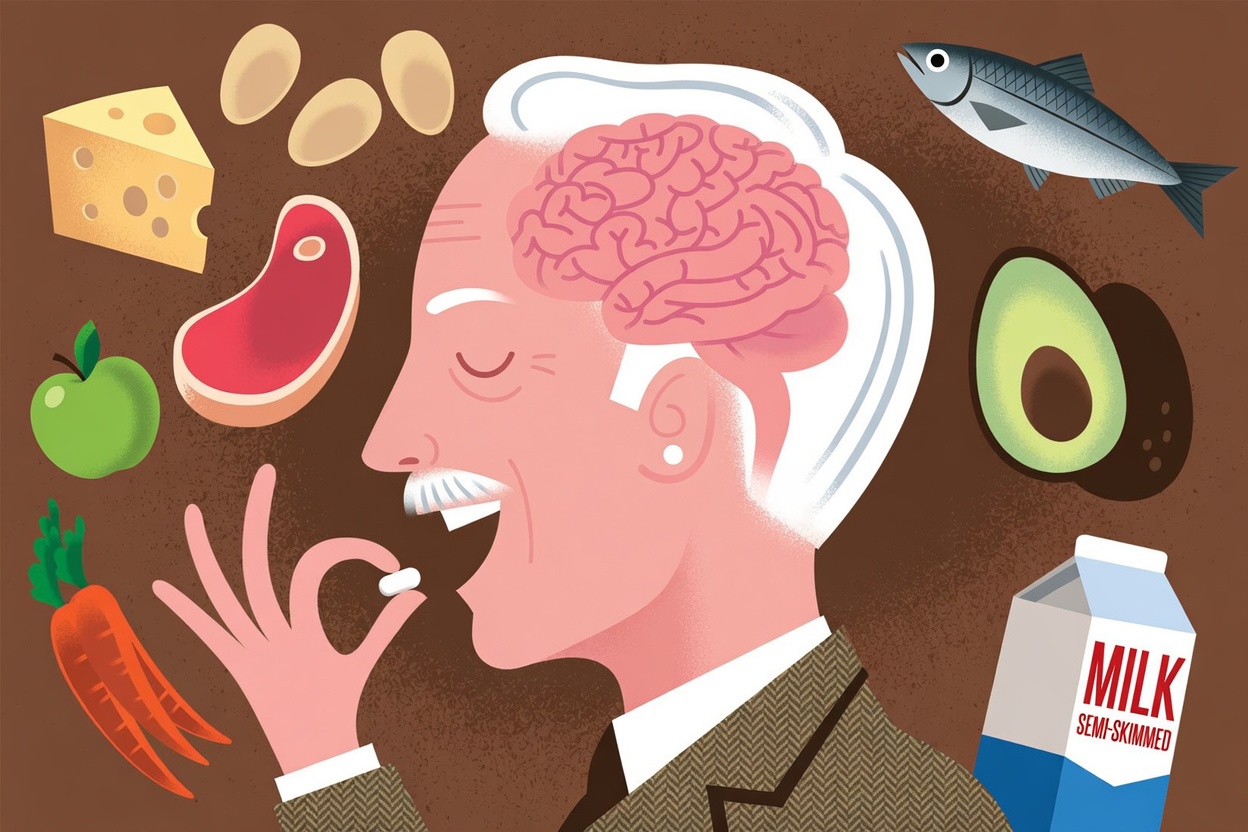
Nutrient Gaps at a Glance
-
Magnesium
- Common signs: cramps, fatigue, restlessness
- Why it may decline: lower absorption, diet patterns
- Food fixes: spinach, almonds, pumpkin seeds, avocado, quinoa
-
Vitamin D
- Common signs: tired legs, low mood, low vitality
- Why it may decline: less sunlight, skin changes with age
- Food fixes: salmon/mackerel, fortified milk, fortified foods, sensible sun exposure
-
Vitamin B12
- Common signs: brain fog, weakness, reduced focus
- Why it may decline: lower stomach acid, medication effects
- Food fixes: eggs, lean meats, fish, fortified cereals/plant milks
Quick Check-In: Make This Personal
Take a moment to reflect:
- How many nutrient areas were covered? (Three)
- What is your biggest daily energy challenge right now?
- On a scale from 1–10, how energized do you feel today?
- What is one small food change you can realistically try this week?
Simple reflection makes it easier to turn information into action.
A Simple Starter Timeline (Food-First)
-
Week 1: Prioritize magnesium
- Add a handful of almonds or a serving of spinach daily
- Pay attention to changes in comfort, sleep, or muscle tightness
-
Week 2: Add vitamin D support
- Try 15 minutes of sun exposure several times a week
- Eat salmon (or similar fatty fish) twice per week
-
Month 1: Make B12 consistent
- Include eggs, fish, or fortified cereal most mornings (choose what fits your diet)
Synergy bonus: addressing magnesium, vitamin D, and B12 together can provide broader support than focusing on only one.
Lifestyle shortcut that supports results
Outdoor walks combine gentle movement (helpful for mood and mobility) with sunlight exposure (vitamin D support).
Food-first vs. other approaches
- Food sources: natural combinations, sustainable habits, enjoyable variety
- Supplements: convenient, but discuss with a qualified professional—especially if you take medications or manage chronic conditions
- Ignoring gaps: may allow fatigue, stiffness, or low mood to persist
One small improvement at dinner tonight can be enough to build momentum.
Imagine How You Could Feel in 30 Days
Picture waking up more refreshed, moving with less discomfort, and having more energy for hobbies, travel, or time with family. Small daily choices—repeated consistently—often create noticeable changes.
Waiting can mean ongoing tiredness and reduced enjoyment of life. Acting now can support independence, confidence, and a stronger day-to-day spark.
P.S. Many people stick with new habits more easily when they track meals weekly using a simple note or app.
Medical Note
This article is for informational purposes only and is not a substitute for professional medical advice. Always consult your healthcare provider before changing your diet or using supplements, especially if you have medical conditions or take medications.
FAQ
What are early signs of low magnesium after 50?
Many people notice nighttime cramps, fatigue, or restlessness—often subtle at first but more persistent over time.
How can I raise vitamin D naturally without supplements?
Use short periods of midday sun exposure several times per week (when appropriate), and eat vitamin D sources like fatty fish and fortified foods.
Why does vitamin B12 absorption get harder after 50?
Age-related reductions in stomach acid—plus certain medications—can make it harder to absorb B12 from foods. Fortified foods and professional guidance can help.
Ready to try one small change today? Your future energy may feel the difference.