
Living with diabetes often involves careful meal planning, daily medication routines, and frequent blood glucose checks. Even with consistent effort, many people still struggle with low energy, nerve-related discomfort, or glucose readings that are difficult to stabilize. One lesser-known factor is nutrition: persistent high blood sugar—and some widely used diabetes medications—may be associated with lower levels of certain vitamins that support antioxidant defenses, metabolism, and overall wellbeing. In addition, people with diabetes may have higher nutrient needs or reduced absorption, making suboptimal vitamin status more common than many realize.
This guide focuses on three vitamins that research frequently connects with lower levels in people with diabetes: vitamin C, vitamin E, and vitamin B6. You’ll learn why they matter, what low status may look like, diabetes-friendly food sources, and general supplement considerations. Use this information to have a more informed conversation with your healthcare provider about strengthening your diabetes care plan.

The Overlooked Nutrient Issue in Diabetes
Elevated blood glucose can increase oxidative stress and inflammation, which places extra pressure on the body’s antioxidant systems and key metabolic pathways. At the same time, certain medications—most notably metformin for type 2 diabetes—have been linked in studies to lower levels or reduced absorption of some B vitamins. Together, these factors can contribute to nutrient gaps that may influence energy, nerve function, and blood vessel health.
The encouraging part is that many of these gaps can be addressed by prioritizing nutrient-dense, diabetes-friendly foods. When needed, targeted supplementation—under medical supervision—may offer additional support. A practical approach is to build a food-first foundation before considering supplements.
Vitamin C: Antioxidant Support and Cellular Protection
Vitamin C is a water-soluble antioxidant that helps defend cells against oxidative damage, which can be amplified when glucose levels remain high. Studies often find that people with diabetes have lower circulating vitamin C, potentially due to competition between glucose and vitamin C for cellular transport or increased loss through urine.
Possible signs of low vitamin C status
These symptoms are not specific (and can overlap with diabetes-related issues), but may include:
- Slower-than-expected wound healing
- Ongoing fatigue
- Easy bruising
Why vitamin C matters for diabetes
Research suggests adequate vitamin C intake may help support:
- Insulin sensitivity in some individuals
- Lower inflammation markers in certain contexts
- Vascular flexibility, contributing to healthier blood flow
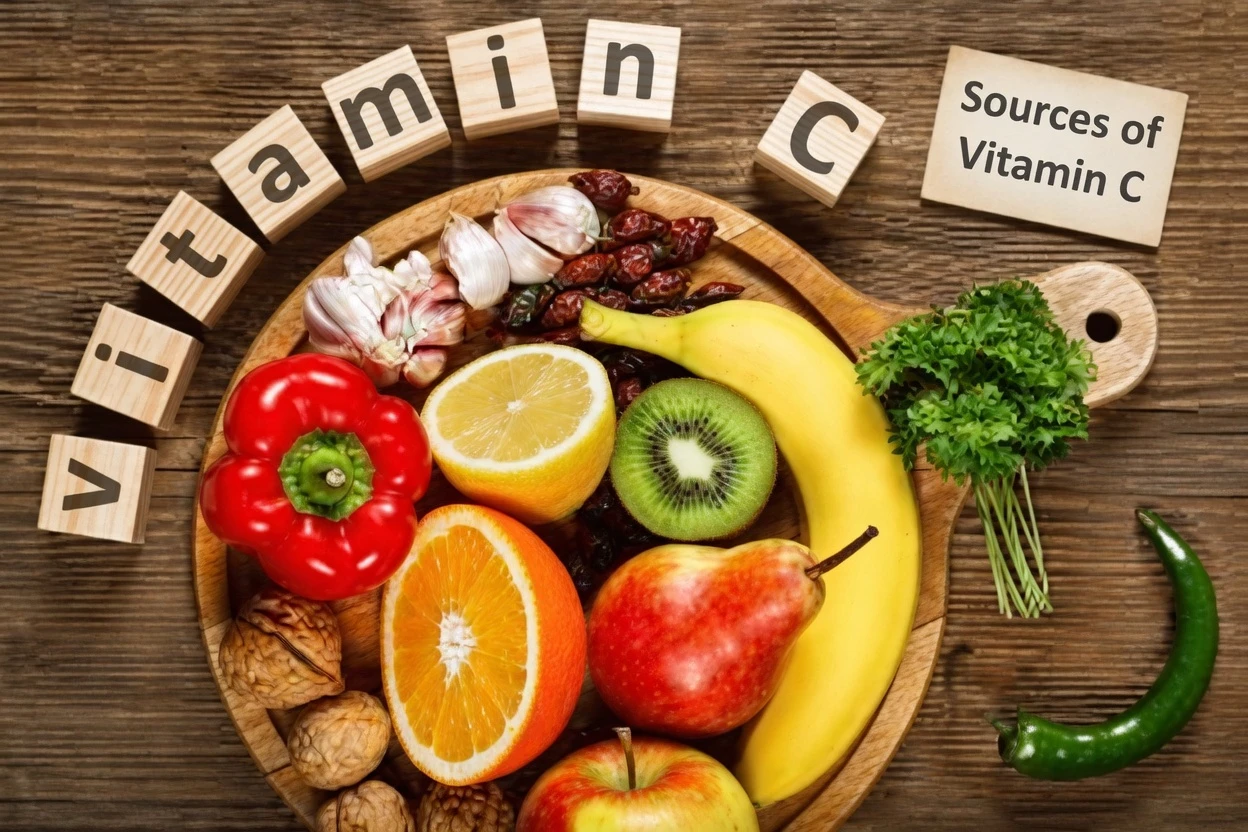
Diabetes-friendly vitamin C food sources (lower carb options)
- 1 medium red bell pepper (raw or lightly cooked): ~190 mg
- 1 kiwi: ~70–90 mg
- 1/2 cup strawberries: ~50 mg
These foods can provide meaningful vitamin C without dramatically increasing blood sugar for most people.
Typical needs: The general adult RDA is 75–90 mg/day, though some diabetes-related studies explore higher intakes (often 500–1,000 mg/day from food and/or supplements). Always confirm what’s appropriate for you with your clinician. “Liposomal” vitamin C is sometimes discussed for absorption, but evidence is mixed.
Vitamin E: Defending Nerves and Blood Vessels
Vitamin E (especially natural mixed tocopherols) is a fat-soluble antioxidant that helps protect cell membranes, including those in nerves and blood vessels. Because diabetes can intensify oxidative stress, the body may have greater demand for protective antioxidants like vitamin E.
Some research associates lower vitamin E status with higher oxidative strain in diabetes. In select studies, vitamin E—particularly natural forms—has shown potential benefits related to circulation and nerve conduction, although findings are not consistent across all trials.
Possible signs of low vitamin E status
These are nonspecific and should be assessed by a professional:
- Dry skin
- Muscle discomfort or weakness
- Changes in sensation
Blood sugar-friendly vitamin E food sources
- 1 oz sunflower seeds: ~10 mg (about 66% of daily needs)
- 1 oz almonds: ~7 mg
- 1/2 medium avocado: ~2–3 mg
Supplement notes
Studies often use ranges around 200–400 IU, frequently emphasizing natural mixed tocopherols rather than synthetic forms. Because results vary and vitamin E is fat-soluble (and can accumulate), supplementation should be discussed with a healthcare provider—especially if you take blood thinners or have other risk factors.
Vitamin B6 (Pyridoxal-5-Phosphate): Metabolism and Nerve Health
Vitamin B6 is essential for more than 100 enzyme-driven processes, including pathways involved in glucose metabolism and homocysteine regulation. The active form, pyridoxal-5-phosphate (P-5-P), is often highlighted because it’s already biologically active.
Multiple studies have linked metformin use with lower status of certain B vitamins, including B6 in some populations. Suboptimal B6 may contribute to elevated homocysteine, a factor associated with vascular and nerve health concerns. Research also connects low B6 status with issues such as neuropathy progression or impaired metabolic signaling in certain diabetes groups.
Possible signs of low vitamin B6 status
Symptoms vary and can resemble other conditions, so testing matters:
- Tingling or “pins and needles” sensations
- Mood shifts or irritability
- Mouth or tongue discomfort
Diabetes-appropriate food sources of vitamin B6
- 1 cup cooked chickpeas: ~1.1 mg
- 3 oz wild salmon or beef liver: ~0.9–1.0 mg
- 3 oz chicken breast: ~0.5–0.6 mg
Supplement notes
When supplementation is considered, P-5-P is often chosen, commonly in the 25–50 mg/day range. Some studies suggest potential support for homocysteine balance and nerve comfort, but responses differ by individual, medication use, and baseline nutrient status.

A Simple 30-Day Food-First Plan to Support These Vitamins
Small, consistent changes are often easier to maintain than major overhauls. Start with food, then consider lab testing and professional guidance.
- Week 1: Add one vitamin C-rich food daily (such as bell pepper or kiwi) and include a small serving of nuts or seeds for vitamin E.
- Week 2: Add vitamin B6-rich meals (salmon or chickpeas) 3–4 times per week.
- Week 3: If needed, add a second vitamin C serving on most days.
- Week 4: Keep all three consistent; talk with your clinician about blood testing and whether low-dose active-form supplements make sense for you.
Track what changes (if any) you notice in:
- Energy and stamina
- Nerve comfort
- Glucose patterns
Share this log with your care team for better personalization.
Quick Guide: Which Vitamin May Be Most Relevant?
- Vitamin B6 (P-5-P): Commonly discussed for nerve support and metabolic signaling; changes may take 2–8 weeks; active form is often used in research.
- Vitamin E: Supports circulation and nerve comfort; effects are sometimes reported in 4–12 weeks; food plus carefully selected supplementation may be used.
- Vitamin C: Supports antioxidant defense, immunity, and vascular health; changes may be noticed in 1–4 weeks for some people; liposomal options are sometimes considered for absorption (evidence varies).
Bottom Line
Diabetes management is not only about carbs and medication schedules. Nutrient status can be an important “missing layer,” especially because diabetes and certain treatments may increase the risk of lower levels of vitamin C, vitamin E, and vitamin B6. For many people, prioritizing these nutrients through smart, diabetes-friendly food choices—and using supplements only when appropriate and supervised—can support daily wellbeing, energy, and comfort.
This article is for educational purposes only and does not replace medical advice. Consult your physician or a registered dietitian before making changes, particularly if you take medications such as metformin or have other conditions that require monitoring. When possible, confirm status through blood testing.
FAQ
-
Can people with diabetes meet vitamin C, E, and B6 needs through food alone?
Often, yes. Emphasize lower-carb options like bell peppers, nuts, seeds, salmon, chickpeas, and strawberries. However, diabetes can raise nutrient needs for some individuals. -
Are supplements safe for everyone with diabetes?
Supplements can be safe when properly selected and dosed, but they are not universal solutions. High doses may cause side effects or interact with medications. Personalized medical guidance is essential. -
How can I tell if I’m low in these vitamins?
Symptoms are not enough because they can overlap with diabetes itself. The clearest approach is testing—such as plasma levels for vitamins C and E and PLP for vitamin B6—based on your clinician’s recommendations.