Aging and Brain Health: How Everyday Foods Can Support Mental Clarity
As the years pass, it’s common to notice small shifts in how sharp your mind feels—misplacing names, hitting an afternoon “fog,” or finding it harder to stay engaged in conversations. These changes can be annoying at best and worrying at worst, especially when they begin to affect your work, hobbies, or time with family and friends.
The encouraging part is that nutrition for brain health is a practical, science-backed place to start. While no single food is a cure-all, eating more nutrient-dense foods (especially those rich in antioxidants, healthy fats, and minerals) may help support cognitive function, memory, and focus over time.
Below are five research-supported foods for brain health—plus a simple 30-day approach many people find easy to follow.

Why Nutrition Matters for Brain Health as You Age
Your brain is one of the body’s most energy-demanding organs, consuming roughly 20% of daily calories, even when you’re resting. With aging, processes such as oxidative stress and inflammation may influence how efficiently brain cells function and how well blood circulates to brain tissue.
Large-scale research discussions (including widely cited health sources) commonly highlight that dietary patterns emphasizing:
- Antioxidants
- Omega-3 fatty acids
- Minerals like magnesium and zinc
- Whole, minimally processed foods
are associated with stronger long-term brain wellness, including memory and attention. The most important factor isn’t perfection—it’s consistent habits.
Food #1: Dark Chocolate (70%+ Cacao) for Circulation and Cognitive Support
High-cacao dark chocolate is rich in cocoa flavanols, plant compounds studied for their role in supporting vascular function and cerebral blood flow. Better blood flow can help deliver oxygen and nutrients that the brain depends on.
A realistic, moderate portion is:
- 20–30 grams per day (roughly 1–2 small squares)
Many people enjoy it in the evening as a satisfying treat that still aligns with healthy eating—especially when choosing 70% cacao or higher to keep added sugar lower.
Food #2: Pumpkin Seeds for Magnesium, Zinc, and Steady Focus
Pumpkin seeds are a compact source of brain-relevant nutrients, including:
- Magnesium (supports nerve signaling and relaxation)
- Zinc (involved in cognitive processes and brain communication pathways)
- Healthy fats (important for overall brain structure and function)
An easy serving is:
- About ¼ cup raw or lightly toasted
Use them in ways that fit your routine:
- Sprinkle over yogurt or oatmeal
- Add to salads
- Eat as a simple afternoon snack to help counter the mid-day slump
Food #3: Wild-Caught Fatty Fish (Salmon, Sardines, Mackerel) for Omega-3s
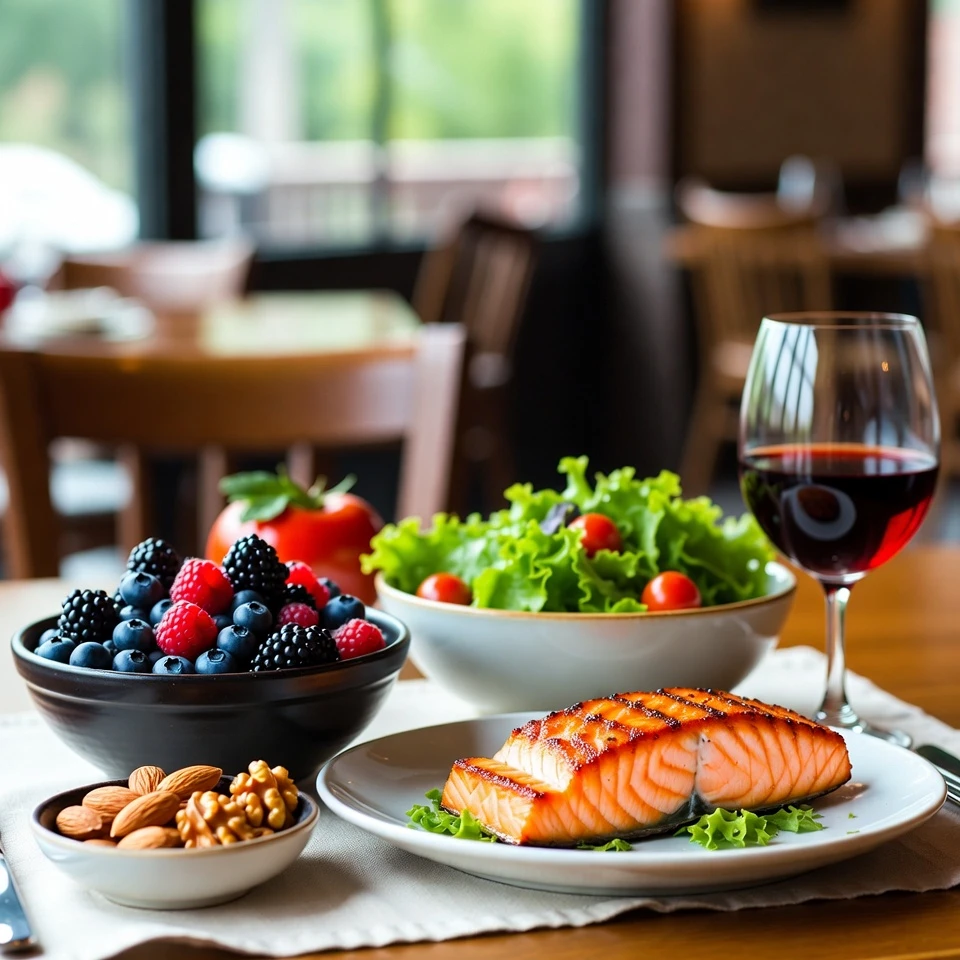
Fatty fish is one of the best food sources of omega-3 fatty acids—especially DHA and EPA, which are key components of brain cell membranes. Research frequently connects higher omega-3 intake with support for cognitive health and balanced inflammation levels.
A practical goal:
- 2–3 servings per week
- 4–6 oz (115–170 g) per serving
Simple preparation ideas:
- Bake or grill salmon with herbs
- Add sardines to a salad
- Poach fish and serve with vegetables for a balanced, brain-supportive meal
Food #4: Blueberries for Antioxidants and Memory Support
Blueberries are well known for their anthocyanins, antioxidants studied for their ability to support brain tissue and help defend against oxidative stress. Long-term research on older adults has associated regular berry intake with slower cognitive aging trends and better memory performance in some measures.
An easy daily target:
- ½ to 1 cup, fresh or frozen
Ways to make it effortless:
- Mix into oatmeal
- Blend into smoothies
- Eat as a snack
Other berries (like strawberries) can offer similar benefits, especially when blueberries aren’t available.
Food #5: Walnuts for Plant-Based Omega-3s and Protective Polyphenols
Walnuts provide alpha-linolenic acid (ALA), a plant-based omega-3, along with polyphenols that support overall cellular protection. Studies often link regular nut consumption with better vascular health, which matters because the brain depends on healthy circulation.
A simple serving:
- 1 oz (about a small handful) daily
Easy ways to eat them:
- Add to trail mix
- Top salads
- Pair with fruit for a quick snack
These five foods are also consistent with eating patterns often recommended for long-term brain support, such as the MIND-style approach focused on whole foods.
A Practical 30-Day Starter Plan (Simple and Sustainable)
You don’t need to change everything at once. Try stacking habits gradually:
-
Days 1–7
- Add dark chocolate in the evening
- Add pumpkin seeds as an afternoon snack
-
Days 8–14
- Add blueberries daily (breakfast or snack)
- Eat fatty fish twice this week
-
Days 15–30
- Add walnuts daily
- Keep the other foods in regular rotation
To make it measurable, track a few quick notes:
- Energy level
- Focus during the day
- Mood stability
Small improvements often become more noticeable after a few consistent weeks.
Quick Match Guide: Common Concerns and Helpful Food Choices
- Afternoon mental dip: pumpkin seeds or walnuts
- Occasional forgetfulness: blueberries
- Want an evening wind-down snack: dark chocolate (70%+ cacao)
- Foundational brain nourishment: fatty fish for omega-3s
Many people report better results when these habits are paired with sleep, hydration, and regular movement.
Advanced Tips to Get More Out of These Brain-Healthy Foods
- Prioritize whole-food versions (minimize ultra-processed snack forms).
- Pair healthy fats (walnuts, fish) with colorful produce to support nutrient absorption.
- Reduce added sugars and heavily processed foods that may work against brain-friendly goals.
- Stay hydrated—water supports every brain process, including attention and memory.
In brain health nutrition, steady consistency beats short-term intensity.
Final Thoughts: Small Changes That Can Add Up
Adding dark chocolate, pumpkin seeds, fatty fish, blueberries, and walnuts is a realistic, enjoyable way to support brain health as you age. These foods are widely available, easy to use in everyday meals, and backed by growing scientific interest in the link between nutrition and cognitive wellness.
If you want a simple first step, start tonight: try a square of high-cacao dark chocolate or sprinkle pumpkin seeds on tomorrow’s breakfast. Over time, small choices can help you feel more like yourself.
FAQ
What’s the best time to eat brain-supporting foods?
There isn’t one perfect schedule. Many people find the afternoon helpful for steady energy (seeds or nuts) and the evening convenient for a small portion of dark chocolate. The key factor is regular intake over time.
Are supplements as effective as getting nutrients from food?
Whole foods deliver a combination of compounds that work together (fats, antioxidants, fiber, minerals). Food-first is typically preferred. If you’re considering supplements, discuss it with a healthcare professional.
How quickly could I notice changes?
Some people report subtle shifts in energy or mental clarity within a few weeks of consistent habits, but results vary widely depending on sleep, stress, activity level, and health conditions.
Disclaimer
This article is for informational purposes only and does not provide medical advice. Consult your healthcare provider before making significant dietary changes, especially if you have medical conditions or take medications. Individual results may vary.