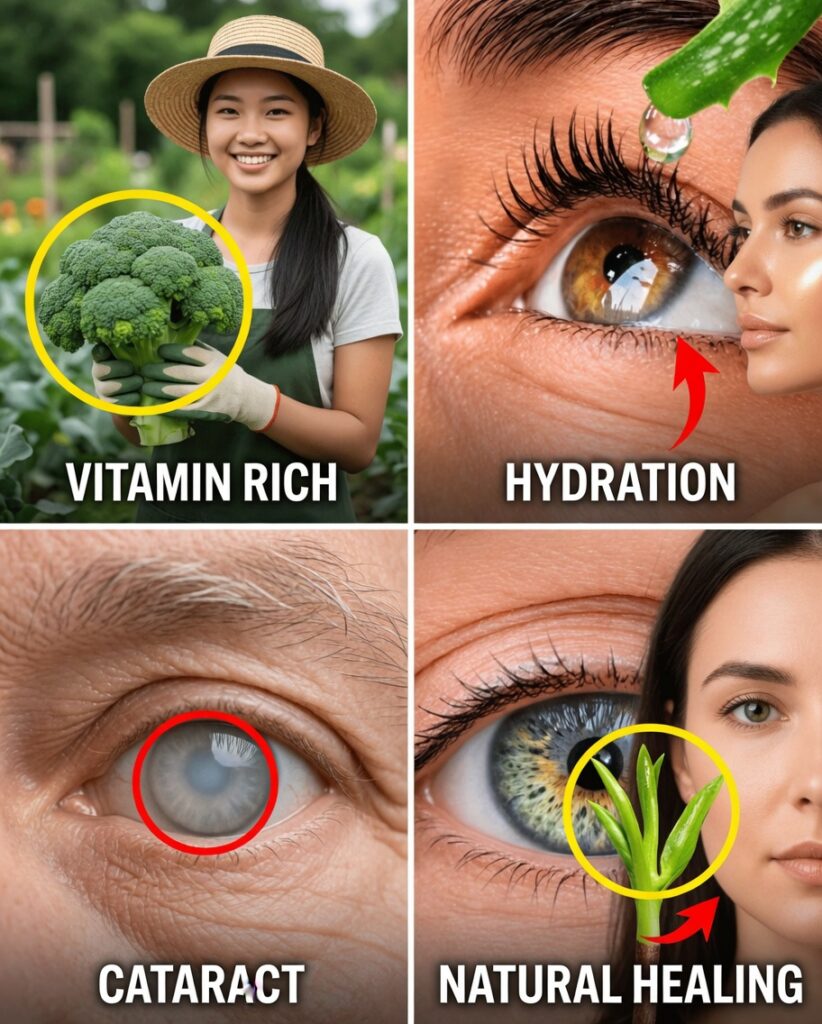
These are not miracle cures. Instead, they’re nutrient-dense leaves packed with antioxidants, lutein, zeaxanthin, and essential vitamins. Research has repeatedly associated these compounds with stronger retinal defense and lower oxidative stress, two key factors in long-term eye wellness.
Many adults over 45 look for practical, everyday strategies to support vision—especially with constant blue light exposure and natural age-related changes. Evidence suggests that regularly eating specific leafy greens can help support macular function and ease mild, everyday visual discomfort.
Below is a countdown of five standout leaves supported by both modern research and long-standing tradition, plus easy ways to add them to your meals.
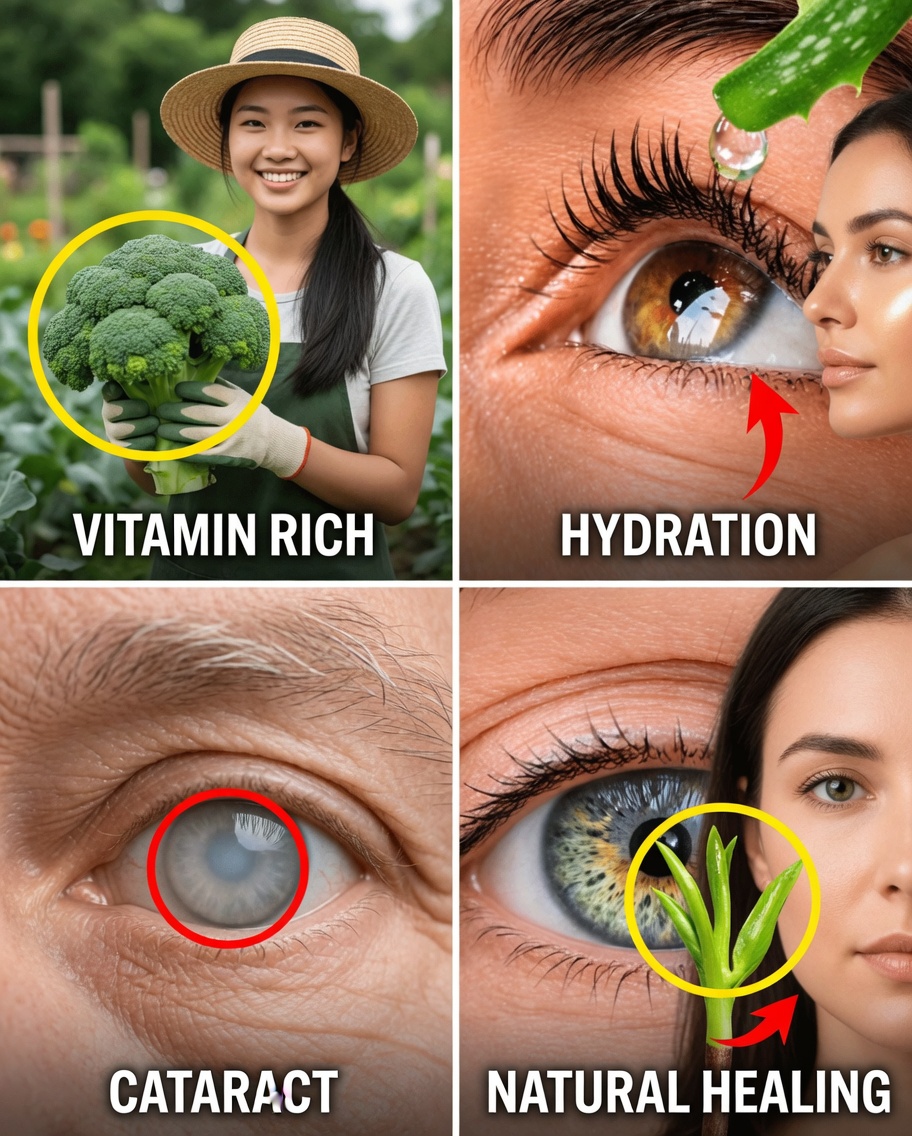
Why These Leaves Matter for Eye Health
Your eyes depend on specialized nutrients—especially lutein and zeaxanthin—to help filter high-energy light and protect the macula, the part of the retina responsible for sharp, central vision. Over time, these compounds can accumulate in retinal tissue.
Meanwhile, antioxidants help neutralize free radicals generated by stress, screens, and sunlight. Vitamins such as A, C, and E contribute to tissue maintenance and can help support healthy blood vessels around the eyes.
When these leaves become a consistent part of your diet, they may contribute to steadier comfort and clearer day-to-day vision. Here’s how each option compares.
5. Parsley – A Quiet Antioxidant Upgrade
Parsley is often treated like a garnish, but it’s far more than decoration. Those vivid green leaves provide lutein, along with vitamin C and beta-carotene.
Lutein is known for helping absorb blue light and may reduce oxidative strain in eye tissues. Regular intake is linked to supporting macular pigment density, which can be valuable for long-term visual performance.
Even small daily amounts can add up—sprinkled consistently, parsley becomes an easy “micro-habit” for eye-friendly nutrition.

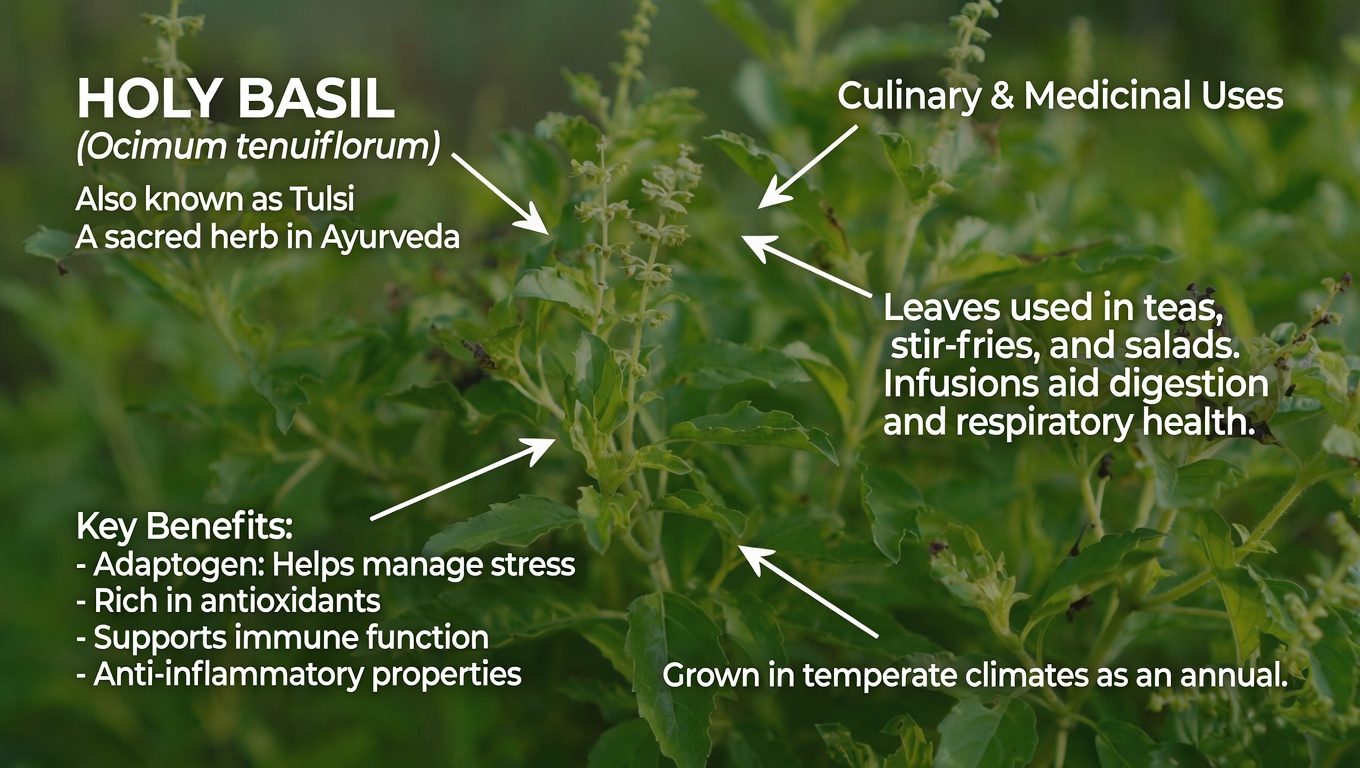
4. Basil – An Aromatic Leaf That Supports Comfort
Basil brings more than flavor. Alongside its signature aroma, basil contains lutein, beta-carotene (a vitamin A precursor), and plant compounds commonly associated with anti-inflammatory effects.
Beta-carotene can convert into vitamin A, which plays a role in corneal health and helps with adapting to low-light conditions. Traditional use often highlights basil as a soothing herb—especially for minor irritation-related discomfort.
If screen time leaves your eyes feeling overworked, basil is an easy kitchen staple to use more often.
3. Spinach – The Classic Choice for Macular Support
Spinach remains one of the most researched leafy greens for vision nutrition, largely because it contains high levels of lutein and zeaxanthin—two key carotenoids associated with retinal protection.
A single cup can contribute meaningfully to daily intake of these nutrients. Large-scale research has linked higher lutein/zeaxanthin consumption with reduced age-related macular changes and improved visual measures such as contrast sensitivity.
For some people, consistent spinach intake aligns with feeling more comfortable when moving between bright and dim environments and experiencing less glare sensitivity.
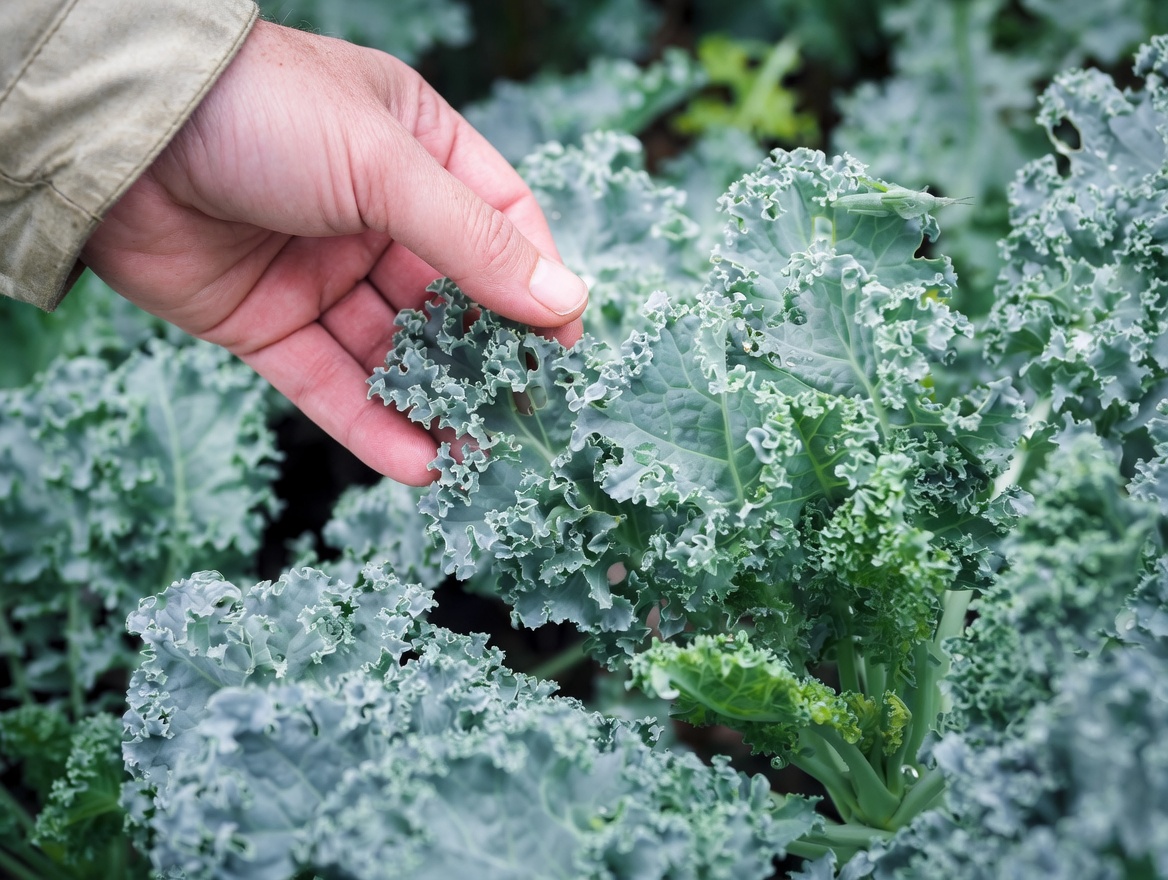
2. Kale – A Dense Shield Against Oxidative Stress
Kale frequently ranks at the top of “best greens” lists for a reason. It delivers substantial lutein and zeaxanthin plus strong support from vitamins C and E, known for their antioxidant roles.
Nutritional analyses show kale’s compound profile can help the eyes manage UV and blue light exposure, supporting long-term retinal resilience. Its sturdier texture also makes it versatile—raw, sautéed, or baked.
Many people describe gradual, subtle improvements after several weeks of regular kale consumption, especially when it replaces less nutrient-rich sides.
1. Ginkgo Biloba Leaves – A Circulation-Focused Option
Ginkgo biloba stands apart because the primary interest isn’t just carotenoids—it’s circulatory support. Traditionally used for circulation, ginkgo leaves (often taken as tea or standardized extracts) have been studied for their potential to improve blood flow to the retina and optic nerve.
Research suggests ginkgo’s flavonoids and terpenoids may contribute antioxidant protection and improved microcirculation—areas that can matter when ocular comfort is affected by reduced blood supply.
Some users report more stable comfort during prolonged focusing tasks. For example, Sarah, 57, added ginkgo tea after noticing frequent reading-related fatigue; within a few weeks, she felt less tired after long sessions, and her optometrist noted stable measurements. John, 62, combined spinach and kale smoothies with occasional ginkgo and reported clearer mornings and less dryness. While timelines vary, benefits—if they appear—typically build with consistency rather than overnight.
Comparing These Leaves: Key Nutrients and Daily Use Ideas
-
Parsley
- Key nutrients: Lutein, vitamin C, beta-carotene
- Main benefit: Supports macular pigment density
- Simple tip: Chop into soups, salads, or eggs
-
Basil
- Key nutrients: Lutein, vitamin A precursors
- Main benefit: Comfort support and low-light adaptation
- Simple tip: Add to pesto, herbal tea, or fresh toppings
-
Spinach
- Key nutrients: High lutein/zeaxanthin, vitamin A
- Main benefit: Helps defend against light-related stress
- Simple tip: Light sauté or blend into smoothies
-
Kale
- Key nutrients: Very high lutein/zeaxanthin, vitamins C/E
- Main benefit: Antioxidant support and light filtering
- Simple tip: Massage into salads or bake into chips
-
Ginkgo biloba (leaves/extract)
- Key compounds: Flavonoids, terpenoids
- Main benefit: Supports retinal blood flow
- Simple tip: Tea or standardized supplement (as directed)
Using more than one of these options can broaden the nutrient profile and strengthen overall dietary support.
Safe, Practical Ways to Add Them to Your Diet
-
Start gradually
- Aim for spinach or kale 3–4 times per week
- Use parsley or basil daily in small amounts
- For ginkgo, choose reputable tea or standardized extracts and follow label directions
-
Cook smart for better absorption
- Light steaming or sautéing can improve usability of nutrients without heavy losses
- Pair greens with healthy fats (like olive oil, avocado, nuts) to enhance absorption of fat-soluble compounds
-
Know when to check with a clinician
- Most people tolerate these leaves well
- If you have allergies or take blood thinners (especially important with ginkgo), consult a healthcare professional first
- Keep regular eye exams as your foundation—nutrition works best alongside professional monitoring
Daily Eye-Nourishing Habit Checklist
-
Choose fresh greens
- Pick crisp, vibrant leaves and wash thoroughly
-
Use reasonable portions
- Consider 1–2 cups of leafy greens per day within a varied diet
-
Prepare gently
- Eat raw, steam, or sauté lightly; avoid overcooking
-
Track how you feel
- Notice comfort, dryness, glare sensitivity, and stamina
- Seek guidance if you have medical conditions or are adjusting supplements
Support Your Vision Naturally
Parsley, basil, spinach, kale, and ginkgo biloba leaves offer a practical mix of lutein-rich nutrition, antioxidant support, and circulation-focused benefits that may help protect the retina and support everyday eye comfort.
Add them consistently, and the payoff—if it comes—tends to be gradual: steadier focus, less strain, and better long-term support for macular health.
Quick idea: Try a spinach–kale smoothie with a small handful of basil as an easy morning routine.
FAQ (Frequently Asked Questions)
How can these leaves support eye health?
They provide key compounds such as lutein, zeaxanthin, antioxidants, and vitamins that may help protect the retina, reduce oxidative stress, and support healthy ocular circulation (notably with ginkgo).
Will I notice changes right away?
It depends. Many people report subtle shifts only after consistent intake over weeks, such as less strain, clearer mornings, or reduced dryness.
Can I use these leaves if I take medication?
Often yes, but be cautious if you take blood thinners or have known allergies—ginkgo in particular can interact with certain medications. Confirm with your clinician before adding it regularly.