
Swollen feet and legs can make long periods of standing feel miserable, turning everyday activities—like shopping, cooking, or gardening—into tiring, uncomfortable chores. That lingering “heavy” sensation often intensifies later in the day, leaving shoes feeling tight and sleep harder to enjoy. One practical, research-supported approach is to prioritize nutrients that help regulate fluids, calm inflammation, and support blood vessel function. Below are five key nutrients that may help reduce swelling in feet and legs.

Understanding Swelling in Feet and Legs (Edema)
Swelling in the lower limbs—often called edema—happens when extra fluid collects in body tissues, commonly in the feet and ankles. Gravity naturally pulls fluid downward, so swelling is more noticeable after hours of sitting or standing.
Common contributors include:
- Prolonged sitting or standing
- High sodium intake, which encourages fluid retention
- Changes in circulation, which can become more common with age
- Other underlying health factors (best assessed by a clinician)
Nutrients matter because they influence fluid balance, inflammation, circulation, and capillary strength. Evidence summarized by major health sources (including Healthline and Cleveland Clinic) suggests that low levels of certain vitamins and minerals may worsen or contribute to swelling. The encouraging part: improving your diet can support healthier fluid regulation.

5 Nutrients That May Help Reduce Swelling in Feet and Legs
These nutrients are frequently highlighted for their role in comfort, circulation, and fluid management.
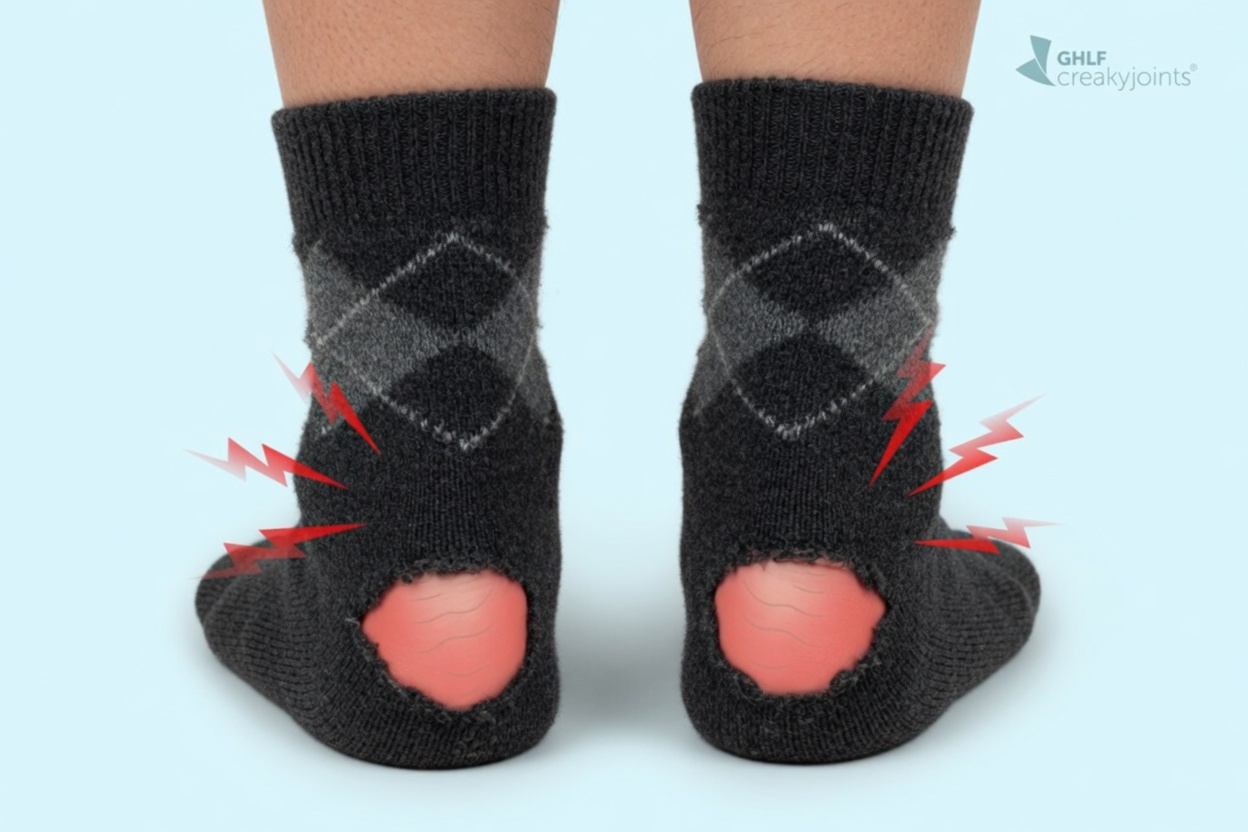
1) Omega-3 Fatty Acids (Anti-Inflammatory Healthy Fats)
Inflammation can amplify swelling and discomfort. Omega-3 fatty acids—best known from fatty fish—are widely studied for their anti-inflammatory effects, which may help ease puffiness and that “heavy legs” feeling over time.
Top food sources:
- Salmon, sardines, mackerel
- Walnuts
- Flaxseeds, chia seeds
2) Magnesium (The Fluid-Balance Mineral)
Magnesium plays a key role in muscle and blood vessel function and helps support normal fluid balance. When magnesium intake is low, some people experience increased water retention. For certain individuals, raising magnesium through foods (or medically guided supplementation) may help reduce swelling.
Top food sources:
- Almonds and other nuts
- Spinach and leafy greens
- Dark chocolate (in moderation)
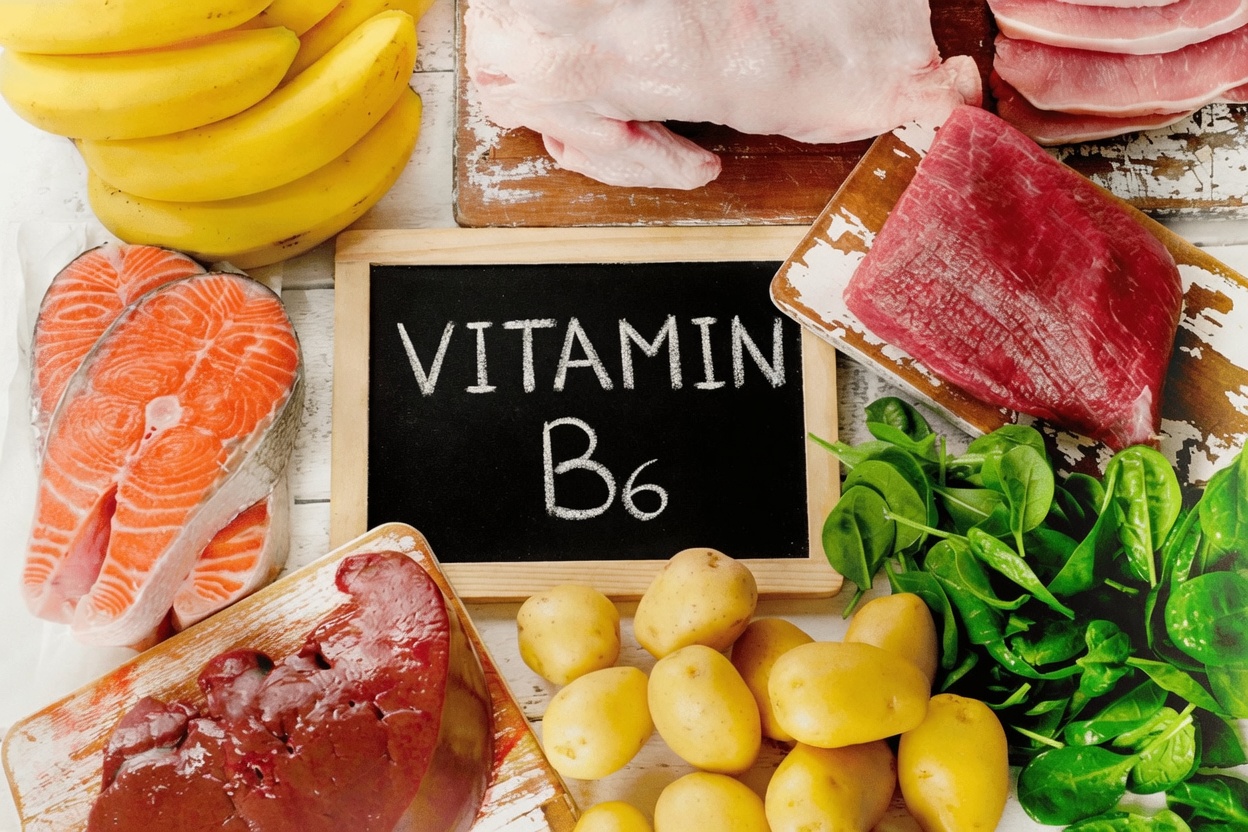
3) Vitamin B6 (Supports Natural Fluid Regulation)
Vitamin B6 is often associated with helping the body manage fluids. It can support a natural diuretic-like effect, assisting the body in moving excess fluid out more efficiently. It’s commonly discussed alongside other diet improvements such as better mineral balance and reduced sodium.
Top food sources:
- Chicken, fish
- Potatoes
- Fortified cereals and some legumes
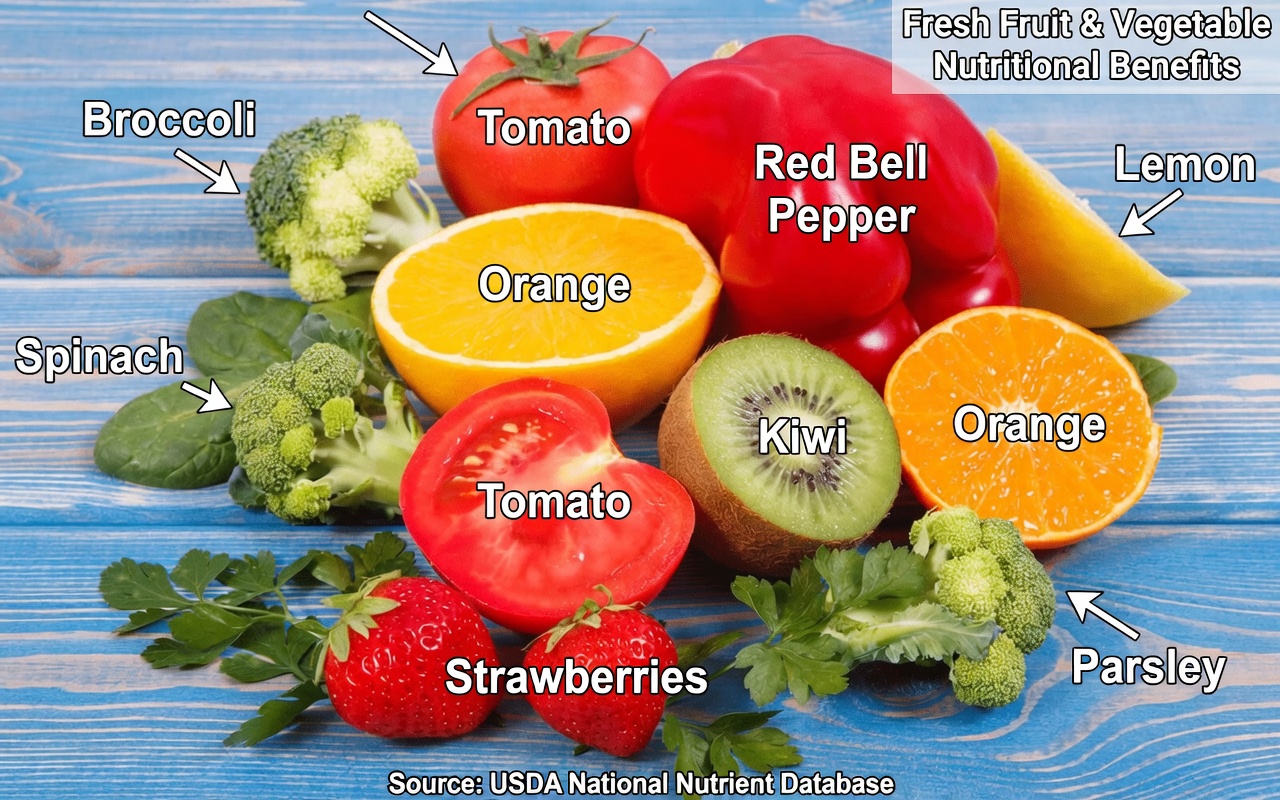
4) Vitamin C (Strengthens Blood Vessels)
Vitamin C supports collagen production, which helps maintain strong, resilient blood vessel walls. When capillaries are weaker, fluid may leak more easily into surrounding tissues, contributing to swelling. Vitamin C also offers antioxidant support, which can help calm inflammatory stress.
Top food sources:
- Citrus fruits
- Bell peppers
- Strawberries, kiwi
5) Vitamin B1 (Thiamine) (Supports Heart and Circulation)
Thiamine (vitamin B1) is important for energy metabolism and cardiovascular support. In more significant deficiency states, fluid buildup can occur, including swelling in the lower limbs. Research in certain heart-related contexts suggests that correcting low thiamine status may improve comfort and reduce fluid-related symptoms.
Top food sources:
- Pork
- Seeds
- Whole grains and legumes

Quick Reference: Nutrients, Food Sources, and Potential Benefits
-
Omega-3 fatty acids
- Role: Helps reduce inflammation
- Foods: Salmon, walnuts, flaxseeds
- Potential benefit: May lessen puffiness and heaviness
-
Magnesium
- Role: Supports fluid balance and vessel relaxation
- Foods: Almonds, spinach, dark chocolate
- Potential benefit: May help reduce water retention
-
Vitamin B6
- Role: Supports natural fluid regulation
- Foods: Chicken, fish, potatoes
- Potential benefit: May encourage excess fluid excretion
-
Vitamin C
- Role: Strengthens blood vessels via collagen support
- Foods: Citrus fruits, bell peppers, strawberries
- Potential benefit: Helps support capillary integrity
-
Vitamin B1 (thiamine)
- Role: Supports heart and circulation function
- Foods: Pork, seeds, whole grains
- Potential benefit: Helps prevent deficiency-related edema
Simple Ways to Get These Nutrients Every Day
Small changes can make these nutrients easier to include consistently:
- Build meals around whole foods: add potatoes, chicken, seeds, leafy greens, and fruit regularly.
- Eat fatty fish twice per week: salmon or sardines are efficient omega-3 sources.
- Choose nutrient-dense snacks: almonds or mixed nuts can support magnesium intake.
- Add vitamin C-rich sides: bell peppers, citrus, and berries pair well with most meals.
- Be cautious with supplements: if diet isn’t enough, discuss options (such as magnesium or a B-complex) with a healthcare professional.
Also consider two habits that strongly influence swelling:
- Reduce sodium, since salt can worsen fluid retention.
- Stay hydrated, which can support normal fluid movement and excretion.
A Gentle One-Week Routine to Support Less Swelling
Use this simple plan to see whether nutrition and basic habits improve how your legs feel:
- Days 1–3: Emphasize magnesium- and potassium-rich foods (spinach, nuts, bananas) and reduce salty/processed foods.
- Days 4–7: Add omega-3 sources and more vitamin-rich produce; elevate your legs 15 minutes daily.
- Track your results: check swelling each evening and note changes in shoe tightness, heaviness, or ankle puffiness.
Light walking can also support circulation and help reduce fluid pooling.
Enjoy Lighter, More Comfortable Days
Swelling in feet and legs doesn’t have to control your routine. By focusing on omega-3s, magnesium, vitamin B6, vitamin C, and vitamin B1, you may support healthier fluid balance, calmer inflammation, and stronger blood vessels. Even small, consistent dietary upgrades can lead to noticeable comfort improvements.
Tip: Elevating your legs for 15–20 minutes a day pairs well with these nutrients for faster relief.
Frequently Asked Questions
How fast can nutrients reduce swelling in feet and legs?
Timing varies. Some people notice reduced puffiness within about a week, especially when combined with lower sodium, good hydration, and leg elevation.
Do I need supplements?
Whole foods are usually the best foundation. Supplements may help if you’re deficient, but it’s safest to consult a doctor before starting them.
What if the swelling doesn’t improve?
Ongoing or worsening swelling in feet and legs can signal an underlying issue. If it persists, seek medical evaluation for personalized guidance.
Medical note: This article is for informational purposes only and is not a substitute for professional medical advice. Always consult your healthcare provider before changing your diet or starting supplements, especially if you have medical conditions or take medications.