
Understanding Amlodipine Side Effects in Everyday Life
You take your morning dose of amlodipine with water, go about your routine, and later notice a gentle heat in your face or that your shoes feel tighter around the ankles. These small changes can raise quiet questions: Is this just aging, or could it be from the medicine that helps control your blood pressure?
Many people on amlodipine notice new sensations—warmth, puffiness, tiredness—and first blame stress, long days, or poor sleep. When those feelings linger, uncertainty follows. Learning how amlodipine side effects show up in real life can reduce worry and help you feel more at ease in your own body.

Why Amlodipine Side Effects Happen
Amlodipine is a calcium channel blocker that lowers blood pressure by relaxing and widening your blood vessels. This vasodilation improves blood flow and eases the workload on your heart—but it also changes how blood and fluid move around your body.
As circulation shifts, you might notice effects in places like:
- The lower legs and ankles, where fluid can collect more easily
- The face, where blood vessels near the surface can expand
- The brain and heart, where changes in vessel tone can affect how you feel
These amlodipine side effects come from your blood vessels opening up, not from the medicine “failing.” For most people, they are:
- Mild to moderate
- Not dangerous
- Often temporary as the body adjusts
Research from major health organizations, including the NHS and Mayo Clinic, suggests many side effects ease with time. Recognizing patterns in your amlodipine side effects can reduce anxiety and help you talk more clearly with your healthcare provider.
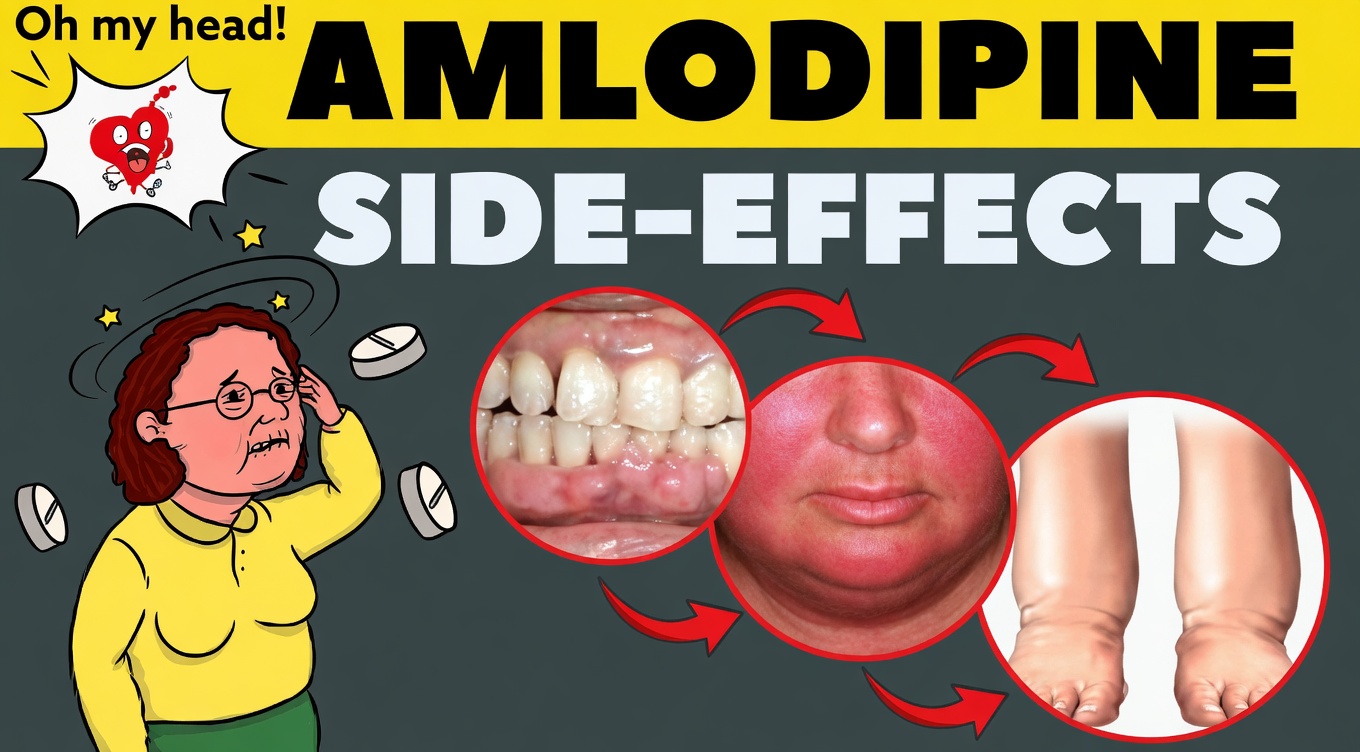
The reassuring reality: many people never experience noticeable amlodipine side effects. And for those who do, simply understanding what’s happening often makes the sensations feel far less alarming.
Mild vs. Concerning: Knowing the Difference
Most amlodipine side effects fall into the “uncomfortable but not urgent” category. They tend to:
- Appear in the first days or weeks after starting or changing dose
- Be more noticeable at certain times of day or with certain activities
- Improve gradually as your body gets used to steadier blood flow
Some will fade on their own; others might benefit from simple habits like moving more, elevating your legs, or adjusting your daily routine. The goal is not to create fear—but to give you language and clarity.
Keeping track of your amlodipine side effects (when they happen, what you were doing) helps turn vague concerns into specific information your provider can work with.
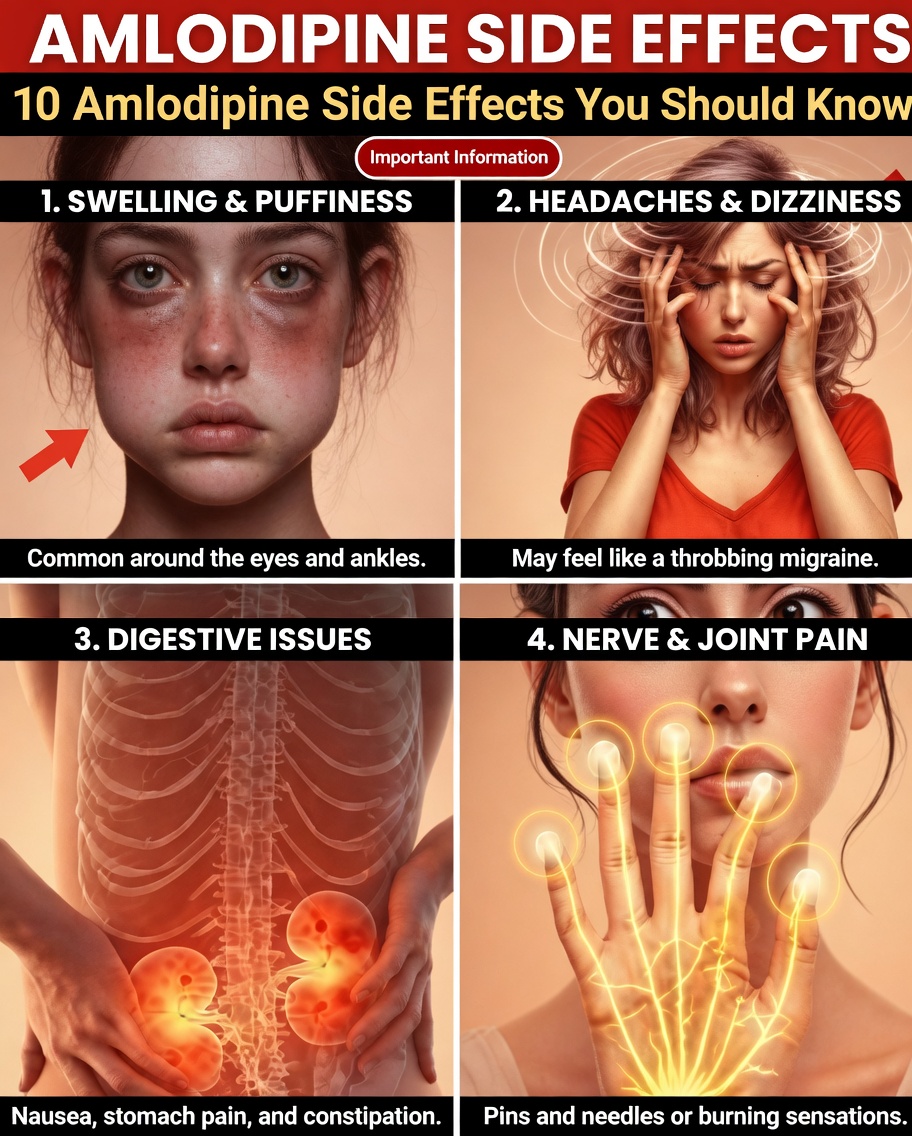
7 Common Amlodipine Side Effects Explained in Everyday Terms
Below are some of the most commonly reported amlodipine side effects, described the way you might actually notice them in your day.
1. Swollen Ankles or Feet (Peripheral Edema)
You take off your shoes and socks in the evening and see deeper marks than usual, or your ankles look slightly puffy, even though they don’t really hurt. This is one of the most frequent amlodipine side effects.
Why it happens:
When blood vessels widen, a bit more fluid can leak into the surrounding tissues—especially in the lower legs where gravity pulls fluid down. Swelling often:
- Gets worse as the day goes on
- Looks better after a night lying flat
Knowing this is a well-known amlodipine side effect can ease some of the frustration you might feel when you notice that extra puffiness.
2. Facial Flushing or Sudden Warmth
Out of nowhere, your cheeks feel hot or you see a brief redness in the mirror, almost like an unexpected blush.
Why it happens:
Surface blood vessels in the face open up, letting more warm blood move closer to the skin. This type of flushing is usually:
- Short-lived
- Harmless
- More of an annoyance or embarrassment than a danger
Because it can appear without a clear trigger, this amlodipine side effect can feel surprising—especially in social or work situations.
3. Lightheadedness or Brief Dizziness
You stand up from the couch or get out of bed and feel a quick spin or wobble. You might reach for the back of a chair or a wall for a moment until everything settles.
Why it happens:
Amlodipine lowers blood pressure, and your body sometimes needs a moment to adjust when you change positions. This effect can be:
- More noticeable when you’re dehydrated
- Stronger in the first days or weeks of treatment
- Less intense as your body adapts
Although usually mild, this amlodipine side effect can make simple movements feel cautious until you understand what’s going on.
4. Fatigue or Waves of Low Energy
You may find yourself dragging mid-morning or mid-afternoon, feeling slower than usual—not entirely wiped out, but not at your normal pace either.
Why it happens:
As blood pressure and circulation patterns shift, your overall sense of energy can change. People often blame:
- Age
- Busy days
- Poor sleep
But sometimes these dips are part of amlodipine side effects. Recognizing the link can reduce self-criticism and help you pace yourself more realistically.
5. Headaches, Especially When Starting or Changing Dose
In the early days of treatment—or after an increase in dose—you might notice a mild, nagging headache that wasn’t there before. Over time, it often fades.
Why it happens:
Blood vessels in and around the head are also relaxing and adjusting. That change in vessel tone and blood flow can produce:
- A mild to moderate throb or pressure
- Symptoms that are more noticeable shortly after taking the medicine
- Headaches that usually improve over days to weeks
If the timing matches recent medication changes, these headaches are often part of typical amlodipine side effects.
6. Awareness of Your Heartbeat (Palpitations)
You lie down at night or sit quietly, and suddenly you’re more aware of your pulse—feeling it in your chest, throat, or neck. It may not be fast, just more noticeable than before.
Why it happens:
With blood vessels relaxed, blood can flow more freely, and your heart may slightly adjust its rhythm or strength of beats. This can lead to:
- A “thumping” sensation at rest
- Heightened awareness during quiet moments
- Increased worry until someone explains it
While this amlodipine side effect can feel unsettling, it’s often harmless. Still, any new or strong palpitations should be discussed with your healthcare provider.
7. Heavy or Warm Sensation in the Legs
A short walk that used to feel effortless now leaves your legs feeling heavier or unusually warm, almost like you’ve done light exercise when you haven’t.
Why it happens:
With more blood reaching the limbs, you may feel:
- A slight weighted sensation in the legs
- Mild warmth or fullness, especially with activity
- Subtle changes that affect how eager you are to move
Understanding this as one of the possible amlodipine side effects can reduce concern and help you adjust your activity routine rather than avoiding movement altogether.
Amlodipine Side Effects at a Glance
Here is a quick overview to connect what you feel with likely explanations.

| Amlodipine Side Effect | Likely Cause | What You Might Notice | When It Often Appears |
|---|---|---|---|
| Ankle/Foot Swelling | Fluid pooling in widened vessels | Puffiness, sock marks, tighter shoes | Later in the day, improves overnight |
| Facial Flushing | Surface blood vessel dilation | Sudden warmth or redness in cheeks/face | Off and on, any time |
| Lightheadedness/Dizziness | Drop in blood pressure with movement | Brief spinning or unsteadiness on standing | When changing position |
| Fatigue or Low Energy | Circulation and pressure adjustments | Slowed pace, energy “dips” through the day | Intermittently, especially early on |
| Headaches | Changes in vessel tone in the head | Mild throbbing or pressure | First weeks or after dose changes |
| Heartbeat Awareness | Increased flow through relaxed vessels | Noticeable pulse, especially at rest | Quiet moments, lying down |
| Leg Heaviness/Warmth | More blood flow to the limbs | Heavy, warm legs with walking or activity | During or after movement |
Seeing these amlodipine side effects laid out can make unfamiliar sensations feel more understandable and less emotionally heavy.
Gentle Ways to Help Ease Amlodipine Side Effects
These supportive strategies are commonly recommended to improve comfort while taking amlodipine. Always check with your healthcare provider before making changes to your routine.

- Move regularly: Take short, gentle walks throughout the day to encourage circulation and reduce fluid buildup.
- Stay hydrated: Sip water consistently (within any fluid limits you may have) to support blood pressure stability and reduce dizziness.
- Elevate your legs: When sitting or resting, prop your feet up to counteract gravity’s pull on ankle and leg swelling.
- Change positions slowly: Move gradually from lying to sitting to standing to minimize lightheadedness or wobbliness.
- Track your symptoms: Jot down when side effects appear, how long they last, and what you were doing at the time.
Practical Reminders for Managing Amlodipine Side Effects
| Supportive Step | How Often | Key Consideration |
|---|---|---|
| Short walks | Several times per day | Start at a comfortable pace; consistency matters most |
| Hydration | Steadily through the day | Use small, regular sips; follow any fluid restrictions |
| Leg elevation | As needed | Choose a comfortable height; avoid straining joints |
| Slow position changes | Make it a daily habit | Especially important first thing in the morning or at night |
| Symptom journaling | 1–2 weeks initially | Note timing, triggers, and patterns to share with your provider |
These small, realistic habits can make living with amlodipine side effects smoother without requiring major lifestyle overhauls.
Real Experiences Many People Recognize

Mark, 61
Mark noticed his ankles looking puffier at night but assumed it was from long hours on his feet. Once he learned that ankle swelling is a common amlodipine side effect, he:
- Started taking short walks during breaks
- Put his feet up in the evenings
- Kept a simple record of when swelling was worst
With these changes and better notes for his doctor, he felt more in control and less worried.
Sarah, 59
Sarah felt confused by sudden afternoon flushing. She wondered if it was anxiety, food, or hormones. After understanding that facial warmth can be an amlodipine side effect, she:
- Noticed it often followed warm meals or hot rooms
- Felt less embarrassed when it happened
- Came to appointments with specific questions and examples
Both stories show how knowledge of amlodipine side effects can transform fear into calm, practical action.
When to Call Your Healthcare Provider
Most amlodipine side effects are mild, but some symptoms need prompt medical attention. Contact your healthcare provider right away—or seek urgent care—if you experience:
- Severe or persistent dizziness
- Fainting or near-fainting episodes
- Chest pain or pressure
- Shortness of breath or difficulty breathing
- Rapidly worsening swelling, especially in the legs, feet, or hands
Also reach out if any amlodipine side effects:
- Last longer than expected
- Interfere with your daily activities or sleep
- Make you consider stopping the medication on your own
Early, open communication allows your provider to adjust the dose, timing, or medication plan if needed.
Moving Forward with Confidence
Amlodipine is a key medication for millions of people managing high blood pressure and protecting their hearts. While amlodipine side effects can be surprising, understanding where they come from and how they tend to behave turns confusion into clarity.
Ask yourself:
- Which of these amlodipine side effects sound familiar?
- When do they show up?
- What seems to make them better or worse?
Sharing these observations with your healthcare team—and with friends or family who also take amlodipine—can lead to better support and more informed choices.
Your path ahead: stay observant, stay informed, and stay connected with your provider. With clear insight into amlodipine side effects, you can balance effective blood pressure control with day-to-day comfort and peace of mind.