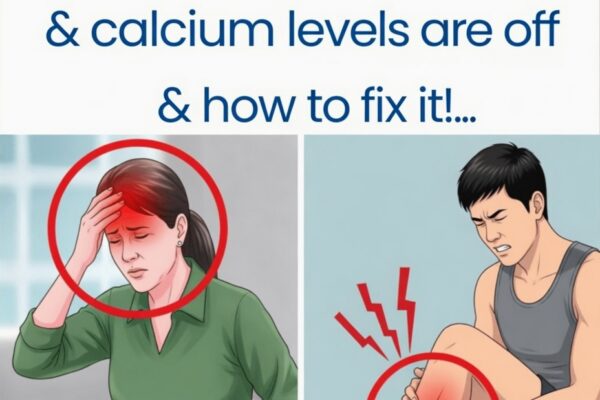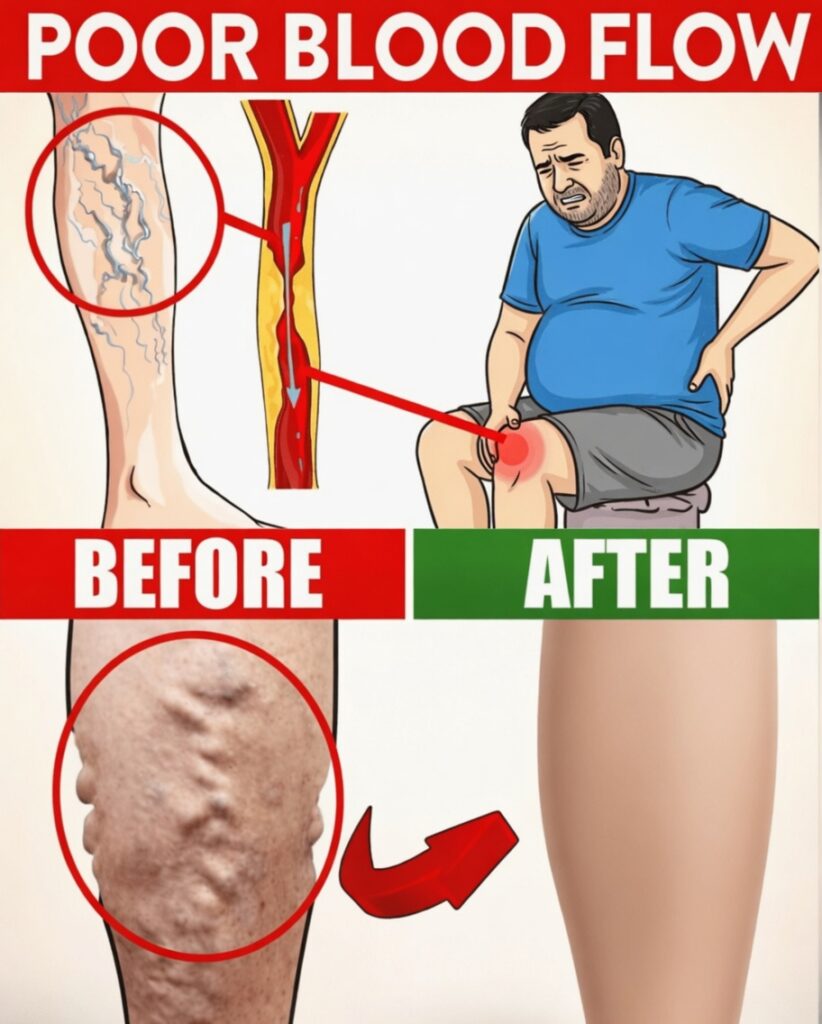
If you’re struggling with persistent numbness in your hands or feet—or a level of fatigue that wipes out your drive—poor blood circulation may be quietly affecting your energy and daily comfort. When blood flow is limited, even simple activities can feel harder than they should, turning relaxing moments into frustrating obstacles. The good news: once you recognize the signs, you can make practical lifestyle changes that support healthier circulation. And at the very end, you’ll find a surprisingly simple everyday habit that many people overlook.
Why Blood Circulation Is So Important
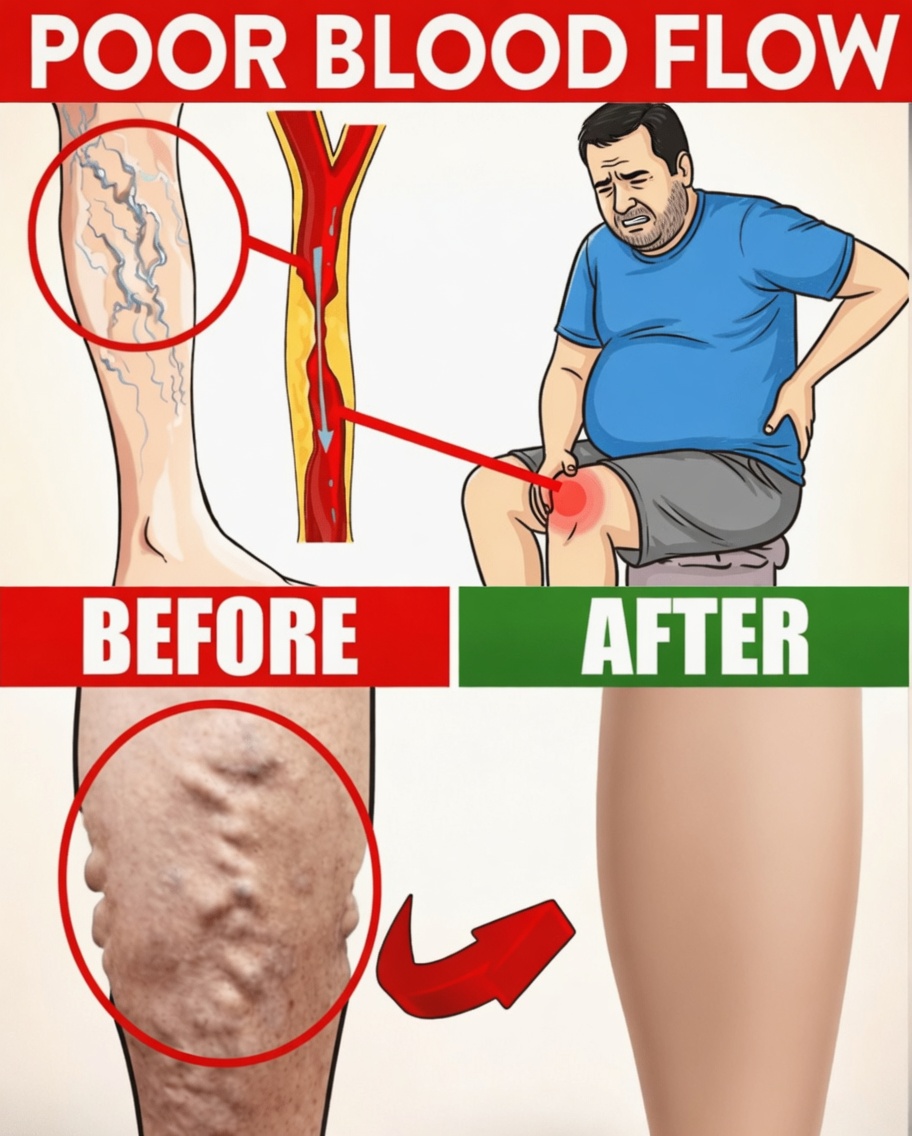
Healthy circulation helps your body deliver oxygen and nutrients where they’re needed, while also carrying away waste products. When that system slows down, it can leave you feeling like you’re operating on “low power”—too tired to exercise, socialize, or stay focused.
Impaired blood flow is not just a comfort issue. Research and public health data connect circulation problems to broader concerns, including peripheral artery disease (PAD), which affects roughly 7% of adults in the United States. Understanding why circulation matters is the first step toward identifying what might be getting in the way.
The “Silent” Factors That Can Block Blood Flow
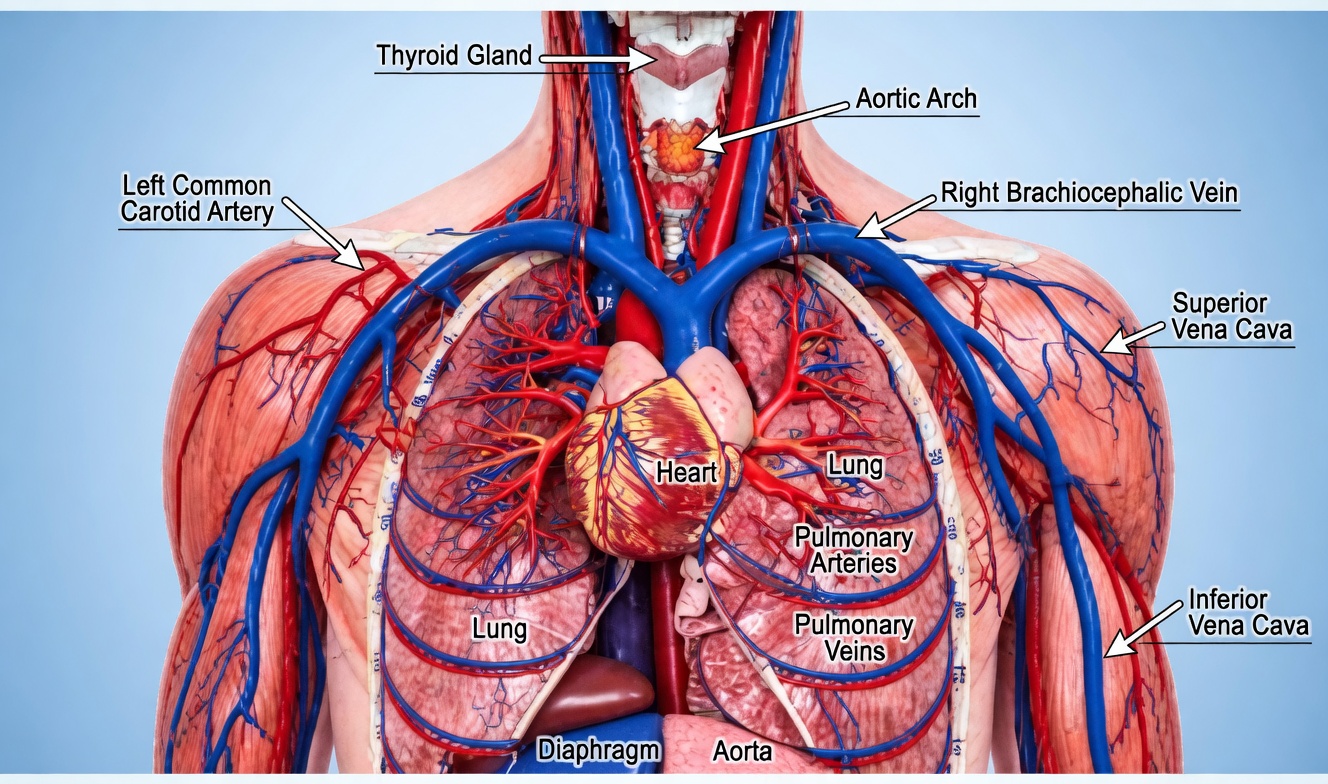
Poor circulation often develops gradually. You might notice heavy legs in the evening, discomfort after sitting, or a general sluggishness that makes movement feel like a chore. In many cases, the underlying issue is related to narrowed or less flexible blood vessels, which reduces how efficiently blood reaches your tissues.
Below are five common causes of poor blood circulation—starting with one that’s built into many people’s daily routines.

5. Sedentary Lifestyle: When Sitting Slows Everything Down
Spending long hours seated can contribute to blood pooling in the lower body, which may lead to stiffness, heaviness, or aching legs—especially at the end of the day. Over time, minimal movement can reduce how effectively blood vessels respond and adapt, making you feel less mobile during everyday activities like walking.
This is especially common in desk-based jobs, where long sitting periods are routine. The encouraging part is that short breaks to stand, stretch, and walk can support healthier flow—but another major contributor may be sitting on your plate.
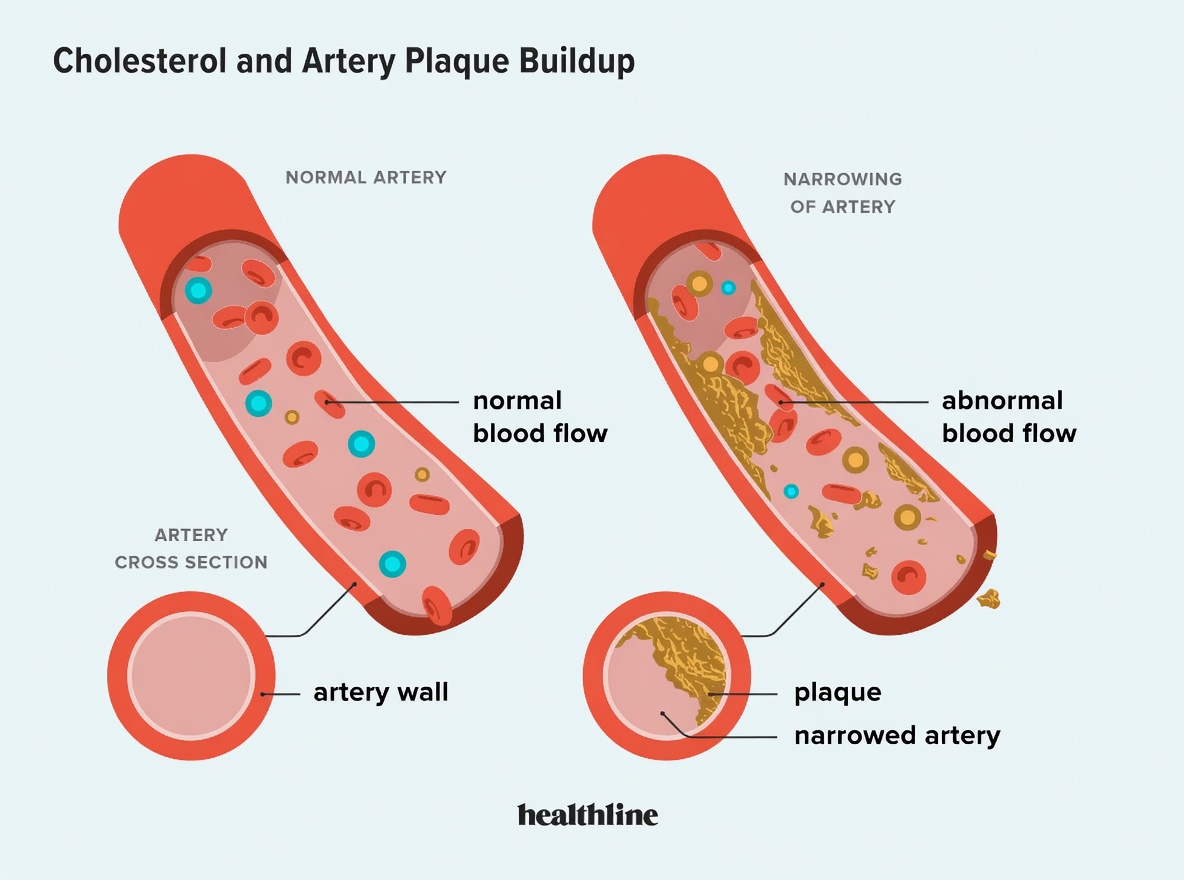
4. High Cholesterol: Plaque That Narrows the Pathway
High cholesterol can contribute to poor blood circulation because plaque buildup may narrow arteries and reduce blood flow. For some people, this shows up as tingling, discomfort, or a sense that something “isn’t right”—sometimes even interfering with sleep.
Around one in three adults is affected by high cholesterol, often linked to diet patterns and lifestyle. It can feel discouraging to realize that everyday food choices may be part of the problem—yet an even more common habit can worsen circulation further.
3. Smoking: A Direct Hit to Blood Vessels
Smoking can seriously worsen poor blood circulation because it constricts blood vessels and reduces oxygen delivery. Many people notice this as cold hands or feet, or discomfort when holding objects due to reduced warmth and circulation.
Nicotine and other chemicals in tobacco damage the vascular system over time. While quitting is challenging, many people experience meaningful improvements in circulation after stopping—especially when combined with movement and nutrition changes. Still, the next cause can be present even when you feel “fine.”
2. Diabetes: Strain on Nerves and Blood Vessels
Diabetes can affect circulation by damaging blood vessels and nerves, which may lead to numbness—often starting in the toes or feet. That numbness can create real worry about injuries you don’t feel right away, and it may limit your confidence in staying active.
High blood sugar places ongoing stress on the body, and diabetes affects more than 34 million Americans, with many cases undiagnosed. Monitoring and medical guidance are essential—but there is one more major factor that can strain the entire circulation network.
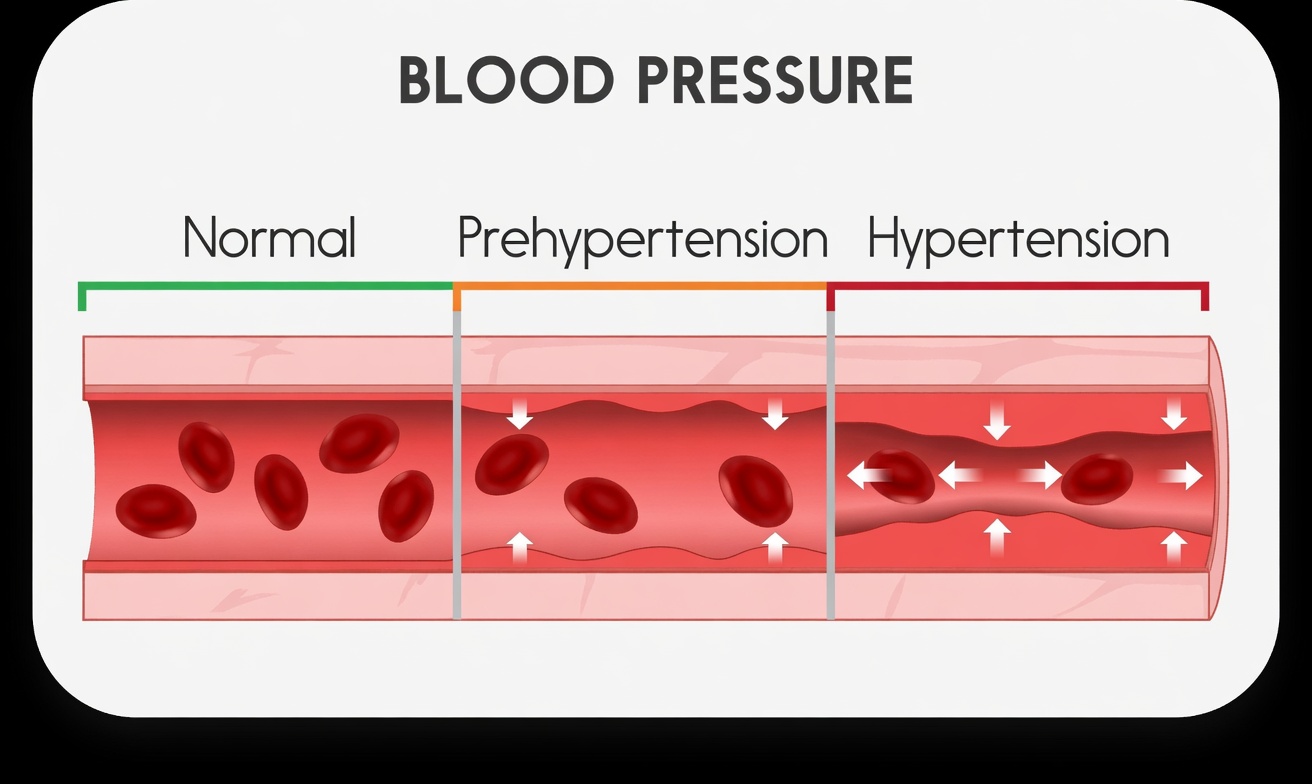
1. High Blood Pressure: Constant Pressure, Weaker Vessels
High blood pressure forces blood vessels to work under ongoing stress, which can weaken them over time and contribute to poor blood circulation. Some people experience this as leg cramps, reduced stamina, or disrupted rest—leading to difficult mornings and low energy throughout the day.
Nearly half of adults have high blood pressure, and many don’t realize it until symptoms or complications appear. Because it’s often “silent,” tracking it can be one of the most important steps you take.
Quick Overview: What Causes Poor Blood Circulation?
- Sedentary lifestyle: slows blood flow due to minimal movement
- High cholesterol: narrows arteries through plaque buildup
- Smoking: constricts blood vessels and reduces oxygen delivery
- Diabetes: damages vessels and nerves through high blood sugar
- High blood pressure: weakens vessels through excess pressure
How to Improve Blood Circulation Naturally
If poor blood circulation is leaving you with cold extremities or low energy, start with small, consistent habits that support healthier blood flow. Gradual progress tends to be more sustainable than drastic changes.
- Move more: Aim for 20 minutes of walking daily, starting gently if you’re new to exercise.
- Eat for vessel health: Reduce ultra-processed foods and include more vegetables and fiber-rich options.
- Quit smoking: Consider cessation programs, coaching, or medical support to reduce relapse triggers.
- Monitor blood sugar: Check levels as advised and speak with a clinician if you notice symptoms.
- Track blood pressure: Use a home monitor and follow professional guidance if readings are elevated.
Get Your Blood Flow Back—and Your Energy With It
Improving poor blood circulation—whether it’s related to sitting too much, high blood pressure, or another factor—can help you feel more clear-headed, more comfortable, and more capable in everyday life. Small actions like daily walks, routine checkups, and smarter food choices can make a noticeable difference over time.
If your symptoms persist or worsen, talk with a healthcare provider for personalized evaluation and advice.
P.S. The unexpected everyday habit: Try elevating your legs for 10 minutes a day. It may help reduce lower-body pooling and support more comfortable circulation.
FAQ
What are common signs of poor blood circulation?
Common symptoms include tingling, cold hands or feet, fatigue, swelling, numbness, and leg discomfort—often influenced by lifestyle or underlying conditions.
Can diet affect poor blood circulation?
Yes. Diets high in saturated fats and heavily processed foods can contribute to plaque buildup, while balanced meals with vegetables and fiber can support healthier blood flow.
When should I see a doctor about poor blood circulation?
Seek medical advice if symptoms persist, worsen, or include pain, increasing numbness, or reduced mobility, so underlying conditions can be identified and treated appropriately.
Medical disclaimer: This article is for informational purposes only and is not a substitute for professional medical advice. Always consult a qualified healthcare provider for personalized guidance.