Feeling Tired After a Full Night’s Sleep? It Might Be a Vitamin B12 Clue
Waking up still exhausted, struggling with “morning brain fog,” or feeling tingling in your fingers that makes holding a coffee mug uncomfortable can be more than an annoying start to the day. For many active older adults, these changes slowly chip away at confidence—whether it’s keeping up with grandchildren, staying steady on walks, or simply feeling like yourself.
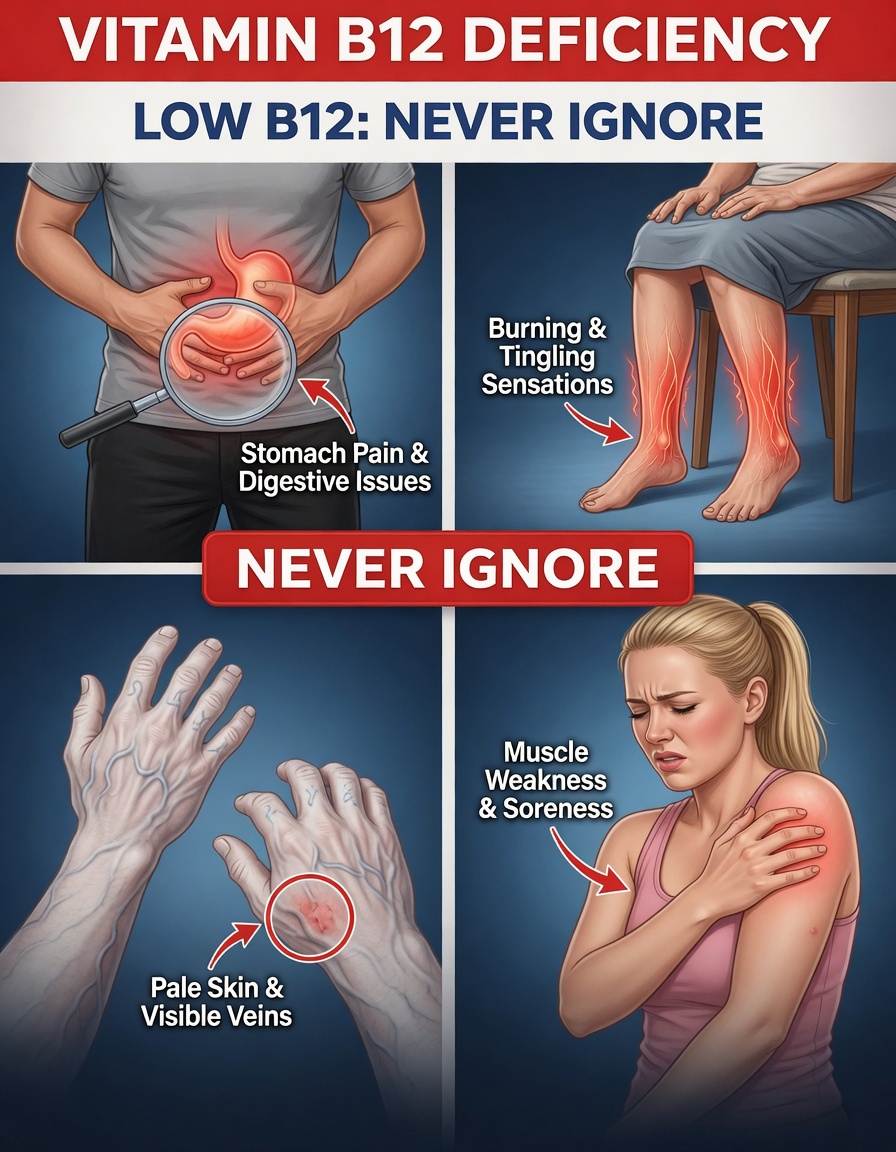
It’s easy to label these shifts as “just aging.” However, they can also be subtle signals that your body may need more vitamin B12 support, especially as natural absorption changes over time. The tricky part: many vitamin B12-related signs are easy to overlook until they begin affecting everyday comfort and independence.
The Hidden Vitamin B12 Challenge Many Seniors Experience
That unexplained pins-and-needles sensation in the hands or feet can turn simple tasks—buttoning a shirt, writing a note, or walking the dog—into something awkward or even unsafe. Research has long associated vitamin B12 with healthy nerve function, and low or poorly absorbed B12 can sometimes show up as strange nerve-related sensations.

Because these symptoms may start gradually, many people dismiss them as minor quirks—until favorite routines feel harder than they should.
Why Vitamin B12 Matters More With Age
As you get older, your body may become less efficient at absorbing vitamin B12 from food. Common reasons include lower stomach acid, digestive changes, or medications that can interfere with absorption.

Vitamin B12 plays critical roles in:
- Energy production at the cellular level
- Nerve signaling and nerve maintenance
- Red blood cell formation (supporting oxygen delivery throughout the body)
If you’ve noticed you tire more easily, feel less steady, or don’t bounce back like you used to, it’s worth discussing B12 with your clinician—especially because addressing the cause can help protect your independence.
Vitamin B12 Sources for Everyday Support (Simple Comparison)
Building vitamin B12 into daily life doesn’t have to be complicated. Here’s a practical overview of common sources:
| Source type | Examples | Typical absorption potential | Best for | Easy daily idea |
|---|---|---|---|---|
| Animal foods | Salmon, eggs, beef | High (natural form) | Most people | 3–4 oz fish/meat, or eggs at breakfast |
| Fortified foods | Cereals, plant milks | Moderate to good | Vegans/vegetarians; mixed diets | Breakfast cereal or a glass of fortified milk |
| Dairy | Yogurt, cheese | Good | Convenient daily addition | 1 cup yogurt or cheese snack |
| Supplements / injections | Pills, liquids, injections | Varies by form and need | When diet or absorption falls short | Use only as directed by a professional |
Animal-based foods often provide B12 in a form the body can readily use, while fortified foods and dairy make it easier to add B12 consistently. Still, even “good eating” may not fully solve the problem if absorption has declined—making awareness and testing especially important for seniors.
8 Unusual Signs Research Often Links to Low Vitamin B12
Symptoms tied to low vitamin B12 can develop slowly and may be mistaken for typical aging. Below are lesser-known signs that can affect daily comfort, safety, and quality of life.
8) Blurred or “Off” Vision
If reading feels harder than usual or your vision seems oddly fuzzy, it can create uncertainty about driving, shopping, or enjoying hobbies. Vitamin B12 is linked in research to optic nerve and neurological health, which is why vision changes are sometimes discussed among possible signs.
7) Mood Shifts and Irritability
Feeling unusually irritable, low, or emotionally “off” can strain relationships and make you feel unlike yourself. Vitamin B12 supports processes involved in brain chemistry that influence mood regulation.
6) Unsteady Walking or Balance Problems
If you find yourself grabbing furniture or feeling wobbly on turns, the fear of falling can shrink your world fast. Lower vitamin B12 levels have been associated with issues affecting coordination and balance, likely due to its role in nerve pathways.
5) Brain Fog or Memory Slips
Trouble concentrating, losing your train of thought, or forgetting names mid-conversation can be discouraging and embarrassing. Studies often connect vitamin B12 with cognitive clarity and long-term brain function.
4) Pale or Slightly Yellow-Tinted Skin
Looking unusually pale—or noticing a subtle yellowish tone—can be linked to changes in red blood cells and related breakdown products. Vitamin B12 supports healthy red blood cell production, which is why skin tone changes sometimes appear in discussions of low B12.

3) A Glossy, Red, or Sore Tongue
A tongue that looks smooth and shiny or feels sore can make eating and talking unpleasant. This is often described as glossitis and is commonly mentioned in relation to vitamin B12 status.
2) Ongoing Fatigue That Rest Doesn’t Fix
When you feel drained even after a full night’s sleep, everyday life can start to feel heavier than it should. Because vitamin B12 supports cellular energy metabolism, low levels are frequently associated with persistent tiredness.
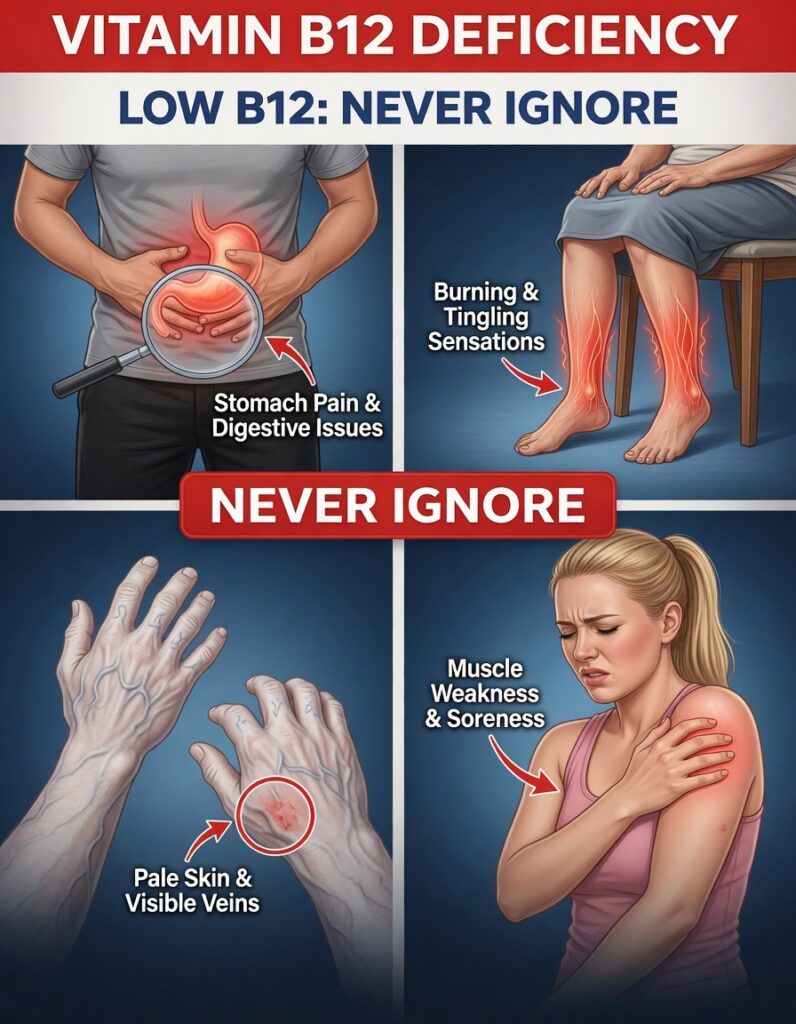
1) Tingling or Numbness in Hands and Feet
Pins-and-needles, burning sensations, or numbness in the extremities is one of the most recognized unusual signs associated with low vitamin B12. Research strongly links B12 to nerve health, and these symptoms deserve timely attention—especially if they’re persistent.

Real Stories: When Seniors Noticed the Pattern
Robert, 68, ignored tingling in his feet and increasing brain fog for months, assuming it was part of getting older—until it started interfering with golf and social time. After prioritizing vitamin B12-rich foods and discussing symptoms with his doctor, he noticed steadier movement and clearer thinking.
Evelyn, 72, struggled with a sore tongue and deep fatigue that dulled her enjoyment of gardening and family time. With small diet adjustments to support vitamin B12 (guided by medical advice), she reported noticeable improvements in comfort without drastic lifestyle changes.

These experiences highlight an important takeaway: noticing potential vitamin B12 deficiency symptoms early can help preserve small, meaningful daily joys.
Safe, Practical Steps to Support Healthy Vitamin B12 Levels
Always partner with a qualified healthcare professional rather than self-diagnosing—especially because symptoms like fatigue, numbness, and memory changes can have multiple causes.
Here are gentle, sensible steps many clinicians recommend:
- Ask about testing: A clinician may suggest blood tests such as serum B12 (and sometimes additional markers like MMA or homocysteine, depending on the case).
- Review medications and digestion factors: Common medications (for example, acid-reducing drugs or metformin) may affect B12 absorption—your clinician can advise on monitoring.
- Improve dietary intake consistently: Add B12-rich foods (fish, eggs, meat, dairy) or fortified foods if you avoid animal products.
- Discuss supplements if needed: If diet alone isn’t enough—or absorption is reduced—your clinician may recommend an appropriate oral supplement, sublingual form, or injection, depending on your situation.
- Track symptom changes: Note when symptoms started, what makes them worse or better, and how they affect walking, grip strength, mood, and memory—this helps your provider assess progress.

Key Takeaway
Unexplained fatigue, tingling, balance issues, mood changes, and brain fog are not always “just aging.” Because vitamin B12 supports nerves, energy, and red blood cells—and absorption can decline with age—recognizing these unusual signs and talking with a healthcare professional can be a smart, low-stress step toward protecting daily independence and quality of life.