Ginger: A Popular Spice That Still Deserves Caution for Some People
Ginger is loved worldwide for its warming taste and its long-standing role in traditional wellness. However, for certain people—especially when ginger is used in larger quantities, strong teas, or supplements—it may raise unexpected concerns. If you’re managing an ongoing health condition, your regular ginger habit could interact with your body or medications in ways that add unnecessary stress.
The reassuring part: once you know when ginger requires extra care, you can usually make smarter, safer choices—often still enjoying ginger in small culinary amounts.
Keep reading, because near the end you’ll find one simple everyday habit that helps many people continue using ginger with less concern.
Why Ginger Can Be Risky in Certain Health Situations
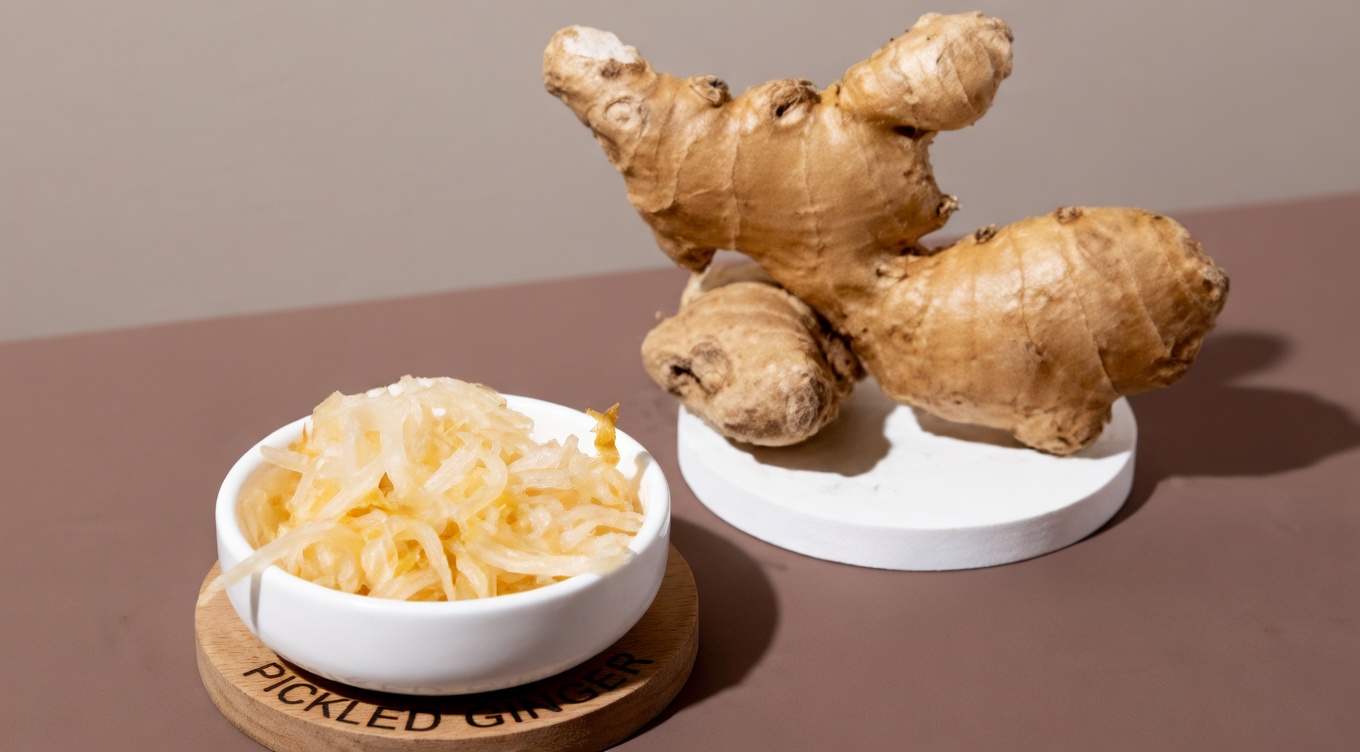
Ginger contains active compounds (including gingerols) that may affect blood clotting, digestion, blood pressure, and blood sugar in some individuals. For most people, ginger used as a food ingredient is well tolerated. But higher doses—especially from concentrated products—can be more likely to cause issues when specific medical conditions are involved.
Trusted health references such as WebMD and NCCIH highlight these potential interactions. The key takeaway is simple: what feels harmless for one person may need adjusting for another.
Below are five common situations where ginger deserves extra attention.
1) Bleeding Disorders or Blood Thinners: Use Ginger Carefully
If you have a bleeding disorder—or you’re taking blood-thinning medications such as warfarin or aspirin—you already need to be cautious about anything that might affect clotting. Ginger may slow blood clotting in some people, which could increase the likelihood of bruising or bleeding when taken in larger amounts.
Many clinicians recommend talking with your doctor before increasing ginger intake if clotting risk is a concern.
Safer ways to approach ginger
- Prefer small culinary amounts rather than capsules or strong ginger tea
- Check with your healthcare provider before changing your routine
- Watch for unusual bruising or bleeding and report it promptly
For many people, a tiny amount in cooking (after medical guidance) may still be manageable.
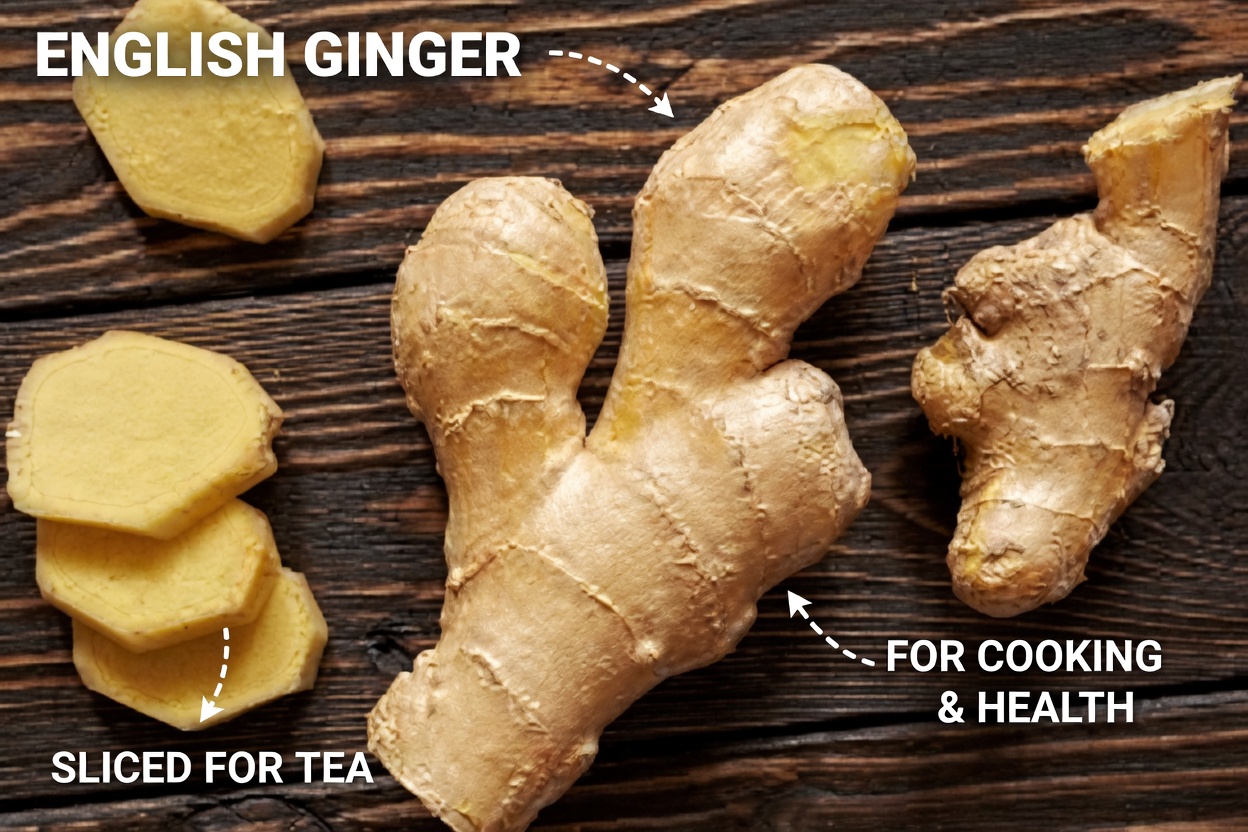
2) Gallbladder Disease or Gallstones: Consider Limiting Ginger
Gallbladder problems and gallstones can make eating stressful, especially if certain foods trigger pain or flare-ups. Ginger may stimulate bile flow in some individuals, which could potentially worsen symptoms for people with gallbladder conditions. Some health resources (including Verywell Health) recommend caution to avoid adding discomfort.
A gentler approach
- Use only small pinches in recipes instead of concentrated forms
- Pay attention to how you feel after ginger-containing meals
- Discuss any plan to increase ginger with your doctor
This is often enough to keep meals enjoyable without escalating digestive symptoms.
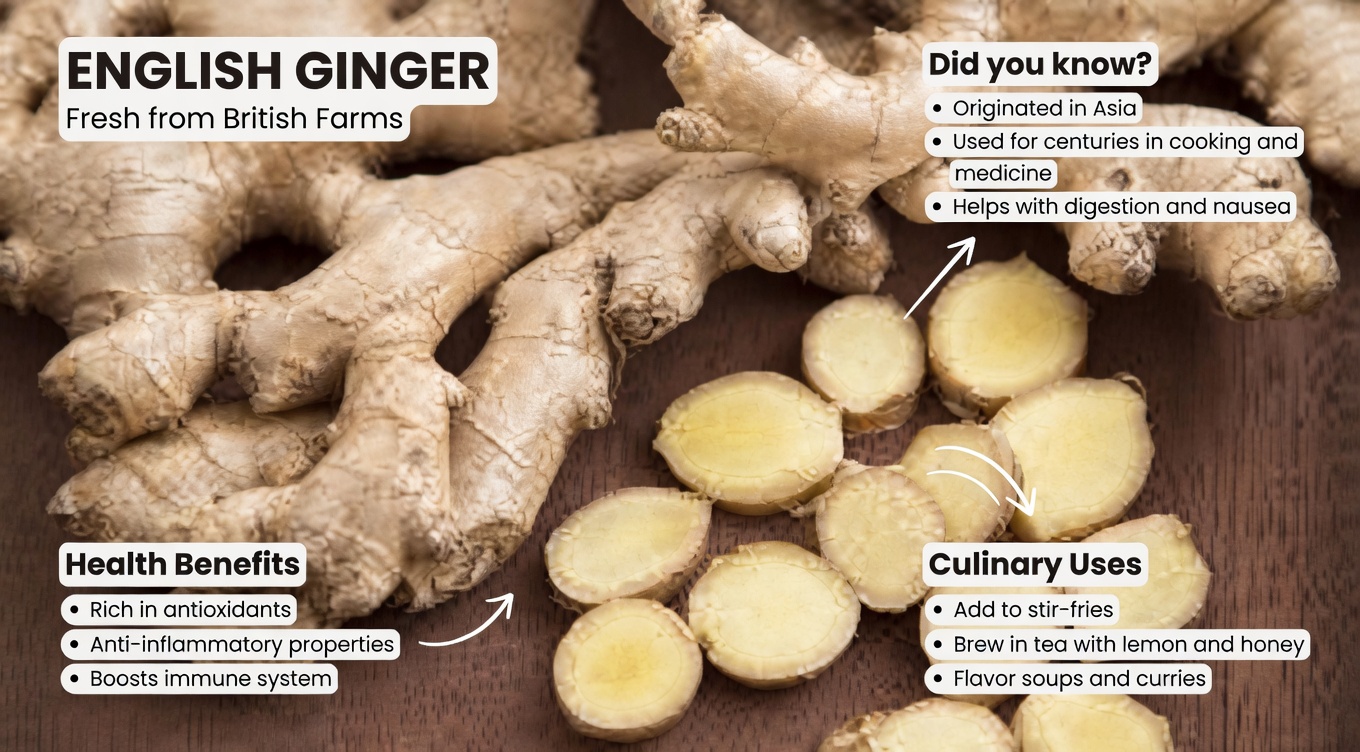
3) Low Blood Pressure or Blood Pressure Medication: Be Mindful
If you live with low blood pressure, dizziness or light-headedness can already be a daily concern. Ginger may lower blood pressure slightly in some people. When combined with blood pressure medications, that effect might become more noticeable.
WebMD and other medical references often advise awareness here, especially if symptoms worsen.
Practical steps
- If your clinician agrees, begin with very small food-based amounts
- Monitor your blood pressure readings after introducing ginger
- Avoid high-dose supplements and concentrated preparations
Many people find they can still enjoy ginger’s flavor without increasing dizziness—by keeping intake small.
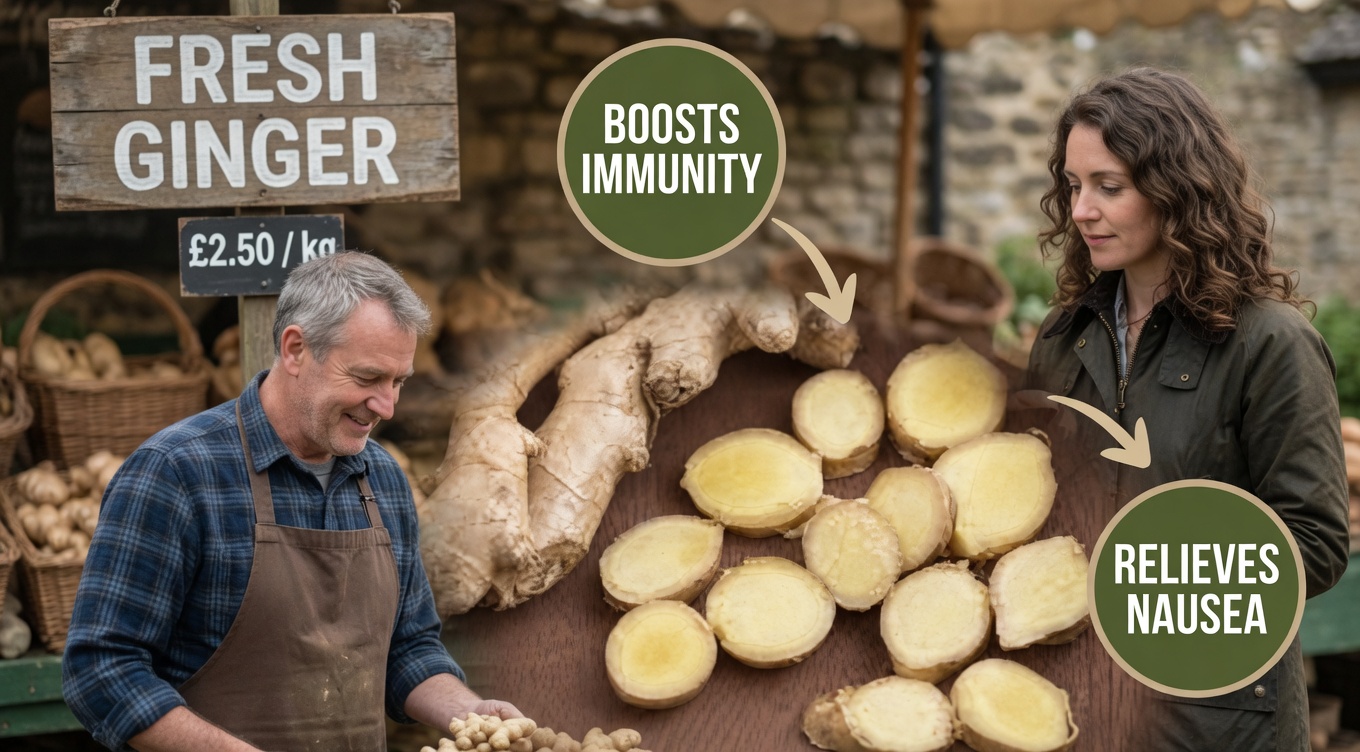
4) Diabetes (While Using Blood Sugar-Lowering Medications): Use Caution
Diabetes management depends on stable blood sugar control. Ginger may help lower blood sugar in some cases, which can be a problem if you’re also taking medications designed to reduce glucose—potentially increasing the risk of blood sugar dropping too low.
Clinical discussions often emphasize that if ginger is added regularly, monitoring becomes more important.
How to use ginger more safely
- Check blood sugar more frequently if ginger becomes part of your routine
- Keep portions small and food-based, not supplement-based
- Tell your diabetes care team about your ginger intake
With the right monitoring, many people can still enjoy ginger occasionally without destabilizing readings.
5) Certain Heart Conditions: Use Ginger Thoughtfully
Heart-related conditions often require extra care with diet and supplements. In high doses, ginger may affect blood pressure or heart rhythm in some individuals with specific cardiovascular concerns. For this reason, it’s wise to treat ginger like any other herbal product: helpful for some, but not automatically safe for everyone at higher doses.
A more careful plan
- Stick to trace amounts in meals rather than daily strong teas or capsules
- Keep your cardiologist informed about herbal or supplement use
- Pay attention to how your body responds and don’t ignore new symptoms
With professional guidance, many people can still include small amounts of ginger in their diet.
Quick Guide: Ginger Caution Levels at a Glance
-
Bleeding disorders / blood thinners
- Main concern: increased bleeding risk
- Typical advice: ask your doctor first
- Culinary amounts: often okay in very small amounts
-
Gallbladder disease / gallstones
- Main concern: bile stimulation
- Typical advice: avoid concentrated forms
- Culinary amounts: often tolerated, but depends on symptoms
-
Low blood pressure / BP medication
- Main concern: blood pressure may drop further
- Typical advice: monitor readings
- Culinary amounts: usually fine in tiny portions
-
Diabetes on medication
- Main concern: blood sugar may drop too low
- Typical advice: test more often
- Culinary amounts: commonly okay, but monitor closely
-
Certain heart conditions
- Main concern: potential rhythm/BP effects at high doses
- Typical advice: get professional guidance
- Culinary amounts: small amounts are often acceptable
Practical Ginger Tips for Almost Everyone
- Choose fresh or dried ginger in meals instead of high-dose supplements
- Start with the smallest amount and observe how you feel
- Pair ginger with balanced meals and stay well-hydrated
- Track changes using a simple food or symptom journal
- Never use ginger (or any herb) as a replacement for prescribed treatment
The Simple Everyday Habit That Reduces Concern for Many People
The most helpful habit is surprisingly simple: use ginger like a regular spice—small culinary amounts in food—rather than concentrated teas, extracts, or pills.
For countless people, this one change keeps ginger enjoyable while staying within safer boundaries.
Final Thoughts: Enjoy Ginger Responsibly
Ginger remains a valued ingredient for flavor and tradition, but these five situations are worth taking seriously. The safest path is to talk openly with your healthcare provider, then decide together what level of ginger use fits your condition and medications. Often, small and mindful choices bring the most peace of mind.
Frequently Asked Questions
Can I still cook with ginger if I have one of these conditions?
Often yes—many people can use small amounts in food after checking with a clinician. Culinary use is usually far lower than supplement-level dosing.
What counts as a “high dose” of ginger?
Many sources consider over 4 grams per day (about 2 teaspoons of dried ginger powder) to be a higher range where interactions become more likely.
What if I already use ginger and I have one of these conditions?
Contact your healthcare provider for personalized guidance. They can help you adjust your intake safely—especially if you use supplements, strong teas, or take medications that may interact.