
Brain Health After 50: 5 Science-Backed Foods That May Support Focus, Memory, and Mental Energy
With age, it’s normal to notice small shifts in mental performance—needing a little longer to remember a name, feeling an afternoon slump, or sensing that your mind isn’t quite as fast as it used to be. These experiences are especially common after 50. Research increasingly points to lifestyle factors—particularly your everyday diet—as major influences on long-term brain function. Brain imaging and nutrition studies suggest that certain nutrient-dense foods may help support healthy blood flow, lower inflammation-related signals, and contribute to overall cognitive well-being.
What if a few simple (and enjoyable) food choices could help your brain feel clearer and more energized? Below are five standout foods frequently discussed by brain health experts, including Dr. Daniel Amen, along with scientific reasons they’re often recommended. You’ll also find practical ways to use them—and an often-overlooked timing tip that may help you get more value from these choices.

Why Brain Health Becomes a Bigger Priority After 50
From your 50s onward, gradual brain changes are part of normal aging. Imaging research shows that brain volume can slowly decline over time, and lifestyle patterns—such as a nutrient-poor diet—may influence how quickly certain changes occur. Although the brain represents only about 2% of body weight, it uses roughly 20–30% of the body’s daily energy. In other words, the quality of your “fuel” matters.
Many people describe:
- Midday mental fog
- Slower recall in conversation
- Reduced drive or motivation
While no single food can stop aging, studies suggest that nutrient-rich eating patterns may support circulation, help manage oxidative stress, and promote healthier neural activity. The encouraging part: these are foods you can start using right away—often without major lifestyle disruption.
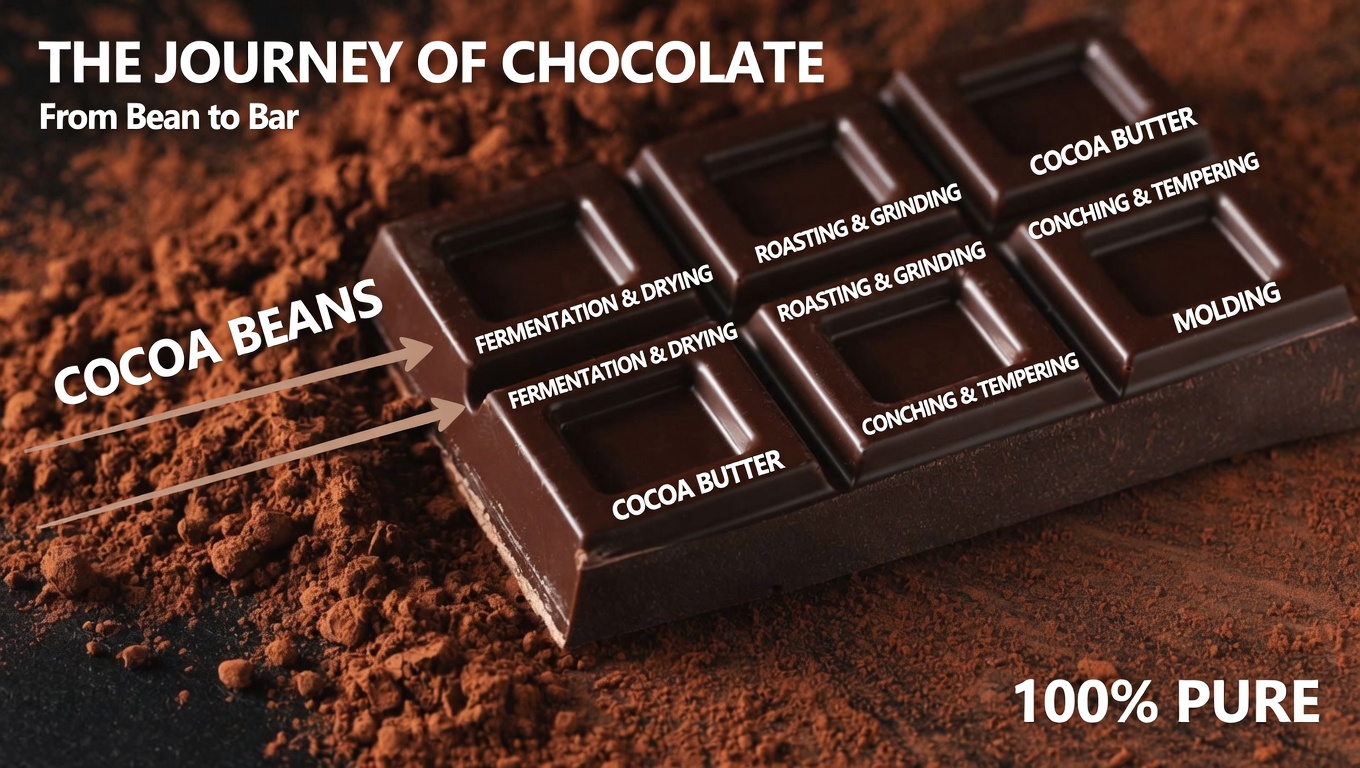
Food #1: Dark Chocolate (85%+ Cacao) for Brain Blood Flow and Focus
High-cacao dark chocolate is rich in cocoa flavonoids, including epicatechin. These compounds are studied for their potential to support cerebral blood flow and mitochondrial activity in neurons—both closely tied to mental energy and concentration.
Research on cocoa flavanols has reported improvements in brain blood flow and certain aspects of cognitive performance, particularly in older adults. A practical angle many people like: a small portion in the evening can double as a relaxing ritual, and some researchers speculate that it may align well with nighttime recovery processes.
How to use it
- Choose 85% cacao or higher to keep sugar lower.
- Try 20–30 grams as an evening treat.
- Eat slowly and mindfully to make it a calming routine rather than a quick snack.
Food #2: Pumpkin Seeds for Calm, Mood, and Attention Support
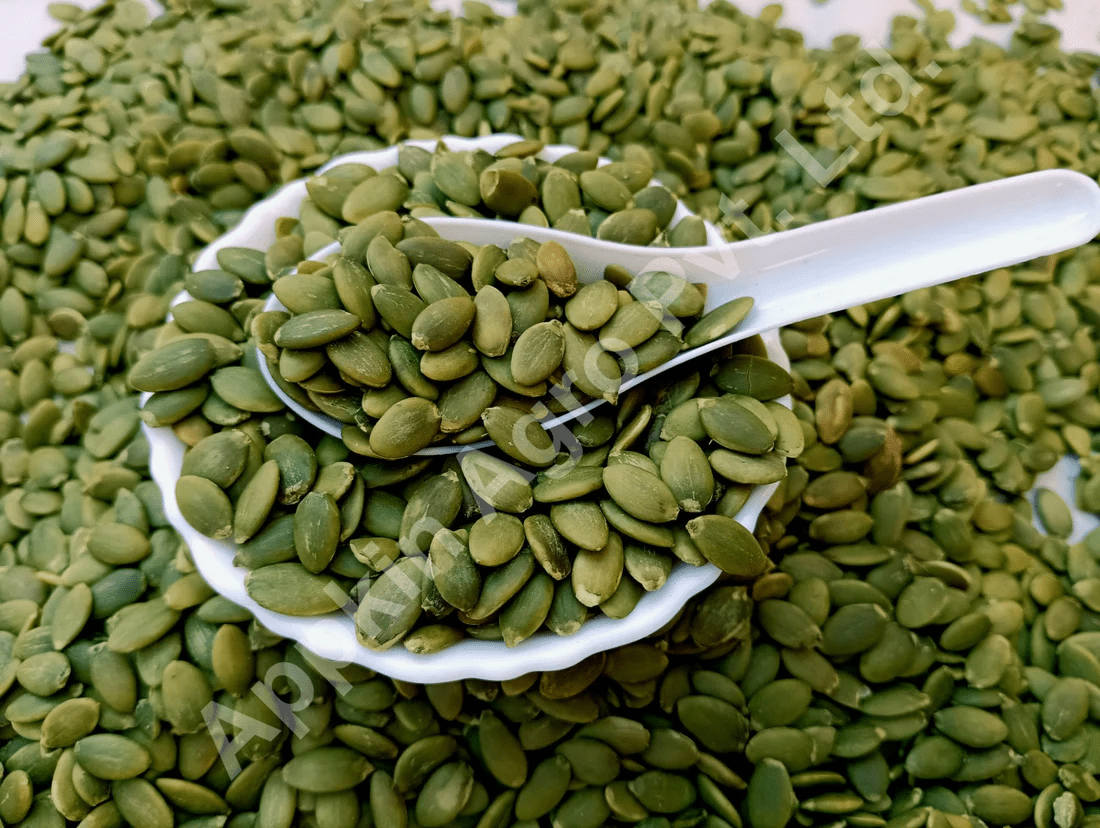
Pumpkin seeds are small but nutrient-dense, providing magnesium, zinc, and tryptophan—nutrients involved in neurotransmitter activity and regulation of stress responses. Magnesium is known for its role in nervous system balance, while zinc and tryptophan are connected to dopamine-related pathways tied to motivation, focus, and emotional steadiness.
Because many modern diets fall short on magnesium and zinc, adding pumpkin seeds can be a simple way to improve consistency.
Easy ways to add pumpkin seeds
- Sprinkle about ¼ cup (raw or lightly toasted) onto salads or yogurt.
- Keep a small handful for an afternoon snack.
- Blend into smoothies for added texture and nutrients.
Food #3: Wild-Caught Fatty Fish (Salmon, Sardines, Mackerel) for Omega-3 Brain Support
Fatty fish is one of the best dietary sources of omega-3 fatty acids DHA and EPA, key structural components of brain cell membranes. Higher omega-3 intake has been associated in research with healthier brain aging, lower inflammation markers, and support for memory and executive function in midlife and beyond.
Omega-3s are also studied for their role in emotional regulation and maintaining gray matter in areas important for thinking and recall.
Practical tips
- Aim for 2–3 servings per week, about 4–6 oz per serving.
- Choose wild-caught when possible.
- Keep cooking simple: bake, grill, or poach.
Food #4: Organic Blueberries for Antioxidant Protection and Memory
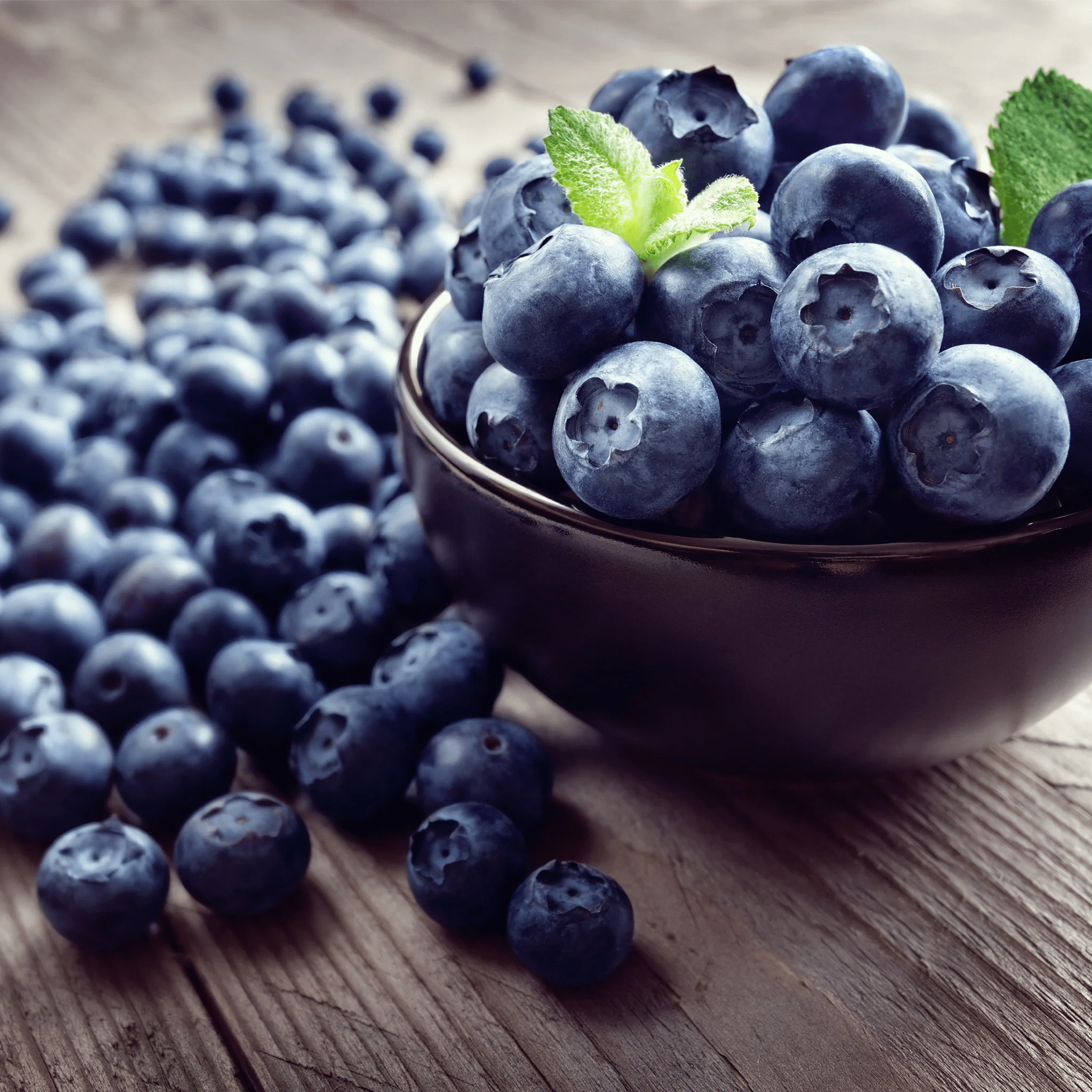
Blueberries are widely studied for their anthocyanins, antioxidants that can reach the brain and help defend against oxidative stress. Multiple human studies, including trials in older adults, suggest that regular blueberry intake may support memory performance.
In one well-known 12-week study, participants with early memory concerns showed meaningful improvements in memory-related tasks after consistent blueberry consumption.
How to include blueberries
- Eat ½–1 cup daily, fresh or frozen.
- Add to oatmeal or smoothies.
- Pair with Greek yogurt for a simple, brain-friendly snack.
Food #5: Walnuts for Plant-Based Omega-3s and Vascular Support
Walnuts provide ALA (a plant-based omega-3) along with polyphenols that may support vascular health. Research links walnut intake to cognitive benefits and anti-inflammatory effects that may help slow certain aspects of brain aging.
They’re also an easy way to add variety if you’re trying to broaden your nutrient sources beyond fish.
Quick serving ideas
- Eat about 1 oz daily (a small handful).
- Chop into salads or add to baked recipes.
- Combine with fruit for a satisfying snack.
Bonus Insight: A Timing Tip Many People Miss
One underappreciated detail is when you eat certain brain-supportive foods. Some experts suggest that consuming flavonoid- and tryptophan-rich foods—such as dark chocolate, pumpkin seeds, and blueberries—in the evening may fit well with the brain’s nighttime “cleanup” activity (often discussed in relation to the glymphatic system), which is more active during sleep.
Also, combining these foods with healthy fats (like those from walnuts or fish) may improve absorption of certain beneficial compounds.
A Simple 60-Day Brain-Support Plan (Easy and Trackable)
Consistency matters more than perfection. Try a gradual build:
-
Weeks 1–2
- Add dark chocolate (20–30g) in the evening
- Add pumpkin seeds (¼ cup)
- Track daily focus and mood on a 1–10 scale
-
Weeks 3–4
- Add blueberries (½ cup daily)
- Add fatty fish 2–3 times per week
- Notice changes in recall, afternoon energy, and mental stamina
-
Weeks 5–8
- Add walnuts (1 oz daily)
- Add green tea or matcha daily (optional, if tolerated)
- Reassess overall clarity, motivation, and consistency
For best results, pair these steps with 7–9 hours of sleep and regular movement.
Common Brain Complaints and Food-Based Support Options
- Afternoon fog: pumpkin seeds + dark chocolate (steady energy without a heavy sugar crash)
- Occasional memory slips: blueberries + omega-3s (fish and/or walnuts)
- Low motivation: magnesium and zinc from pumpkin seeds
- General sluggishness: flavonoids that support circulation (dark chocolate, blueberries)
Final Takeaway: Small Changes Can Add Up
Feeling sharper and more mentally resilient often comes down to repeated, realistic habits. While results vary from person to person, these five foods offer an enjoyable, evidence-informed way to support brain health after 50. If you want a simple starting point, try tonight: a square of high-cacao dark chocolate and a handful of pumpkin seeds.
FAQ
-
How much dark chocolate is considered “too much” for brain benefits?
A practical range is 20–40 grams per day of 85%+ cacao, balancing flavonoids with calories and sugar. -
Can I still benefit from omega-3s if I don’t eat fish?
Yes. Walnuts, flaxseed, and algae-based omega-3 supplements provide alternatives, though fish offers DHA/EPA directly. -
How fast do these foods work?
Some people notice subtle improvements in mood or focus within a few weeks. Many studies observe measurable cognitive support after 8–12 weeks of consistent intake.
Medical disclaimer: This article is for informational purposes only and does not replace medical advice. Speak with a qualified healthcare professional before making major dietary changes, especially if you have medical conditions or take medications.