Chronic kidney disease (CKD) affects millions of adults worldwide, and everyday food choices can quietly add extra strain to kidney function over time. Diets high in minerals such as sodium, potassium, and phosphorus, along with excess protein, may contribute to challenges like higher blood pressure, mineral imbalance, and protein in the urine—an early sign that the kidneys may be under stress. No single food causes kidney disease on its own, but reducing a few common items can help lower the kidneys’ workload and support overall wellbeing.
What if a few small, strategic changes at meals could noticeably improve how you feel day to day? Below are six foods to watch, informed by kidney health guidance, plus simple swaps and practical tips to help you start.
Why Diet Matters for Kidney Wellness
Your kidneys work continuously to filter waste, balance fluids, and regulate minerals in the bloodstream. When the body is dealing with factors like high blood pressure, ongoing inflammation, or mineral buildup, kidney filtration can become less efficient. Over time, this may show up as fatigue, swelling, or changes in urine.
Kidney health organizations and medical sources commonly emphasize that high sodium, potassium, and phosphorus intake can be especially challenging for people with reduced kidney function. Many processed foods—and even some “healthy” staples—contain these nutrients in amounts that can add up fast. The encouraging part: awareness + moderation can be a powerful, practical step.
Protein in Urine (Proteinuria): An Early Warning Sign
Protein in the urine, also called proteinuria, can signal that the kidneys’ filtering units are under pressure. Food choices can influence proteinuria indirectly by affecting blood pressure, inflammation, and mineral levels, all of which are closely tied to kidney health.
If you’ve noticed foamy urine or other subtle changes, paying closer attention to your diet becomes even more relevant. Here are six everyday foods that are worth monitoring.
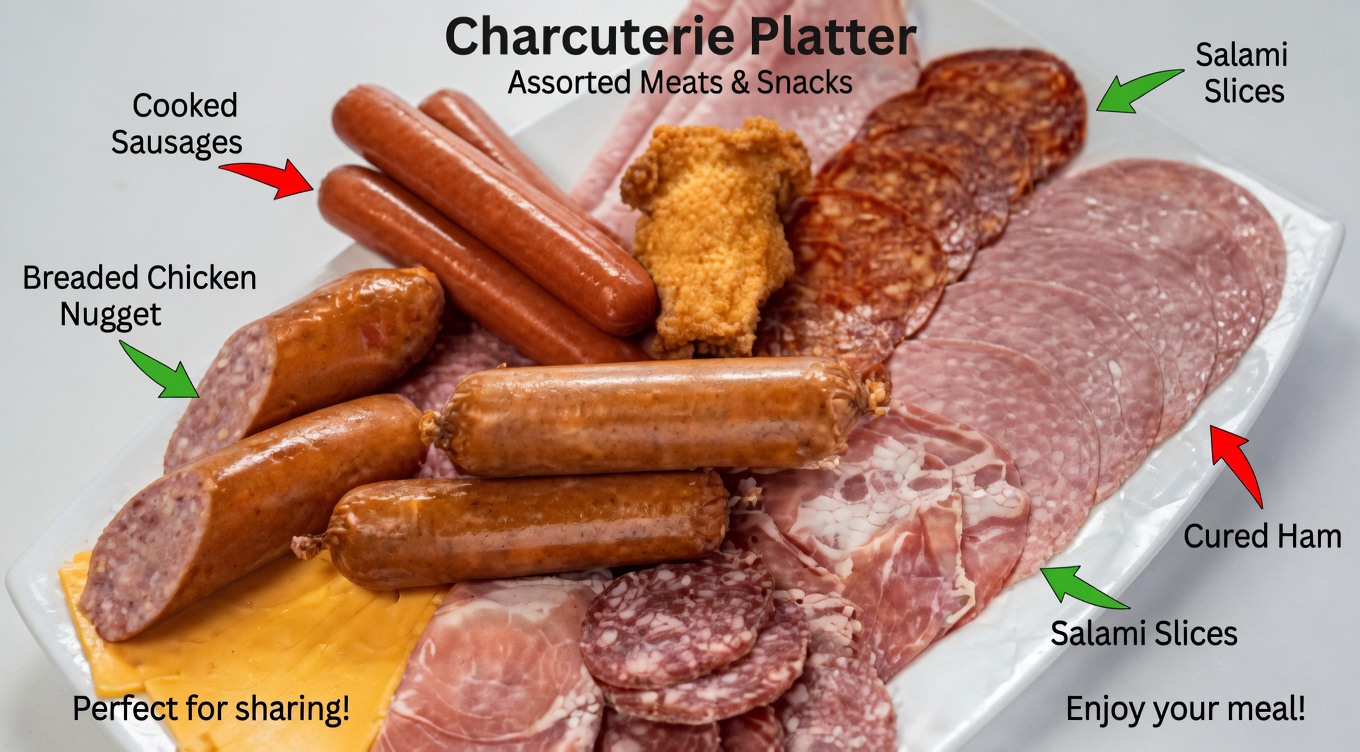
1. Processed Meats (High Sodium + Phosphate Additives)
Foods such as bacon, sausages, deli meats, and hot dogs tend to be loaded with sodium—sometimes 1,000 mg or more per serving—and often contain phosphate additives. Too much sodium can push blood pressure up, while excess phosphorus may disrupt mineral balance when kidneys can’t clear it efficiently.
Many people also notice bloating or puffiness after salty, processed foods. On top of that, these meats add to the overall protein load the kidneys must process.
2. Dairy Products (Phosphorus and Protein Load)
Milk, cheese, and yogurt offer important nutrients, but they’re also naturally higher in phosphorus and protein. If kidney function is reduced, phosphorus may build up over time, which can affect bone health and vascular health.
If dairy is part of your daily routine, portion control and choosing alternatives may help reduce the mineral burden.
3. Canned Vegetables (Convenient, but Often Salty)
Canned vegetables are quick and accessible, but many are preserved with added salt. Even if you rinse them, some sodium often remains—raising total daily intake and potentially impacting blood pressure and fluid balance.
When possible, choose fresh or frozen vegetables labeled no-salt-added.
4. Whole Wheat Bread (More Minerals Than You Might Expect)
Whole grains are generally praised for health, but whole wheat bread contains more phosphorus and potassium than refined bread because it retains the bran and germ. For people managing CKD or mineral restrictions, these extra minerals may accumulate more easily.
Depending on your needs, white bread or lower-mineral grain options can sometimes be an easier fit—especially if your care team recommends limiting phosphorus or potassium.
5. Bananas (A High-Potassium Fruit)
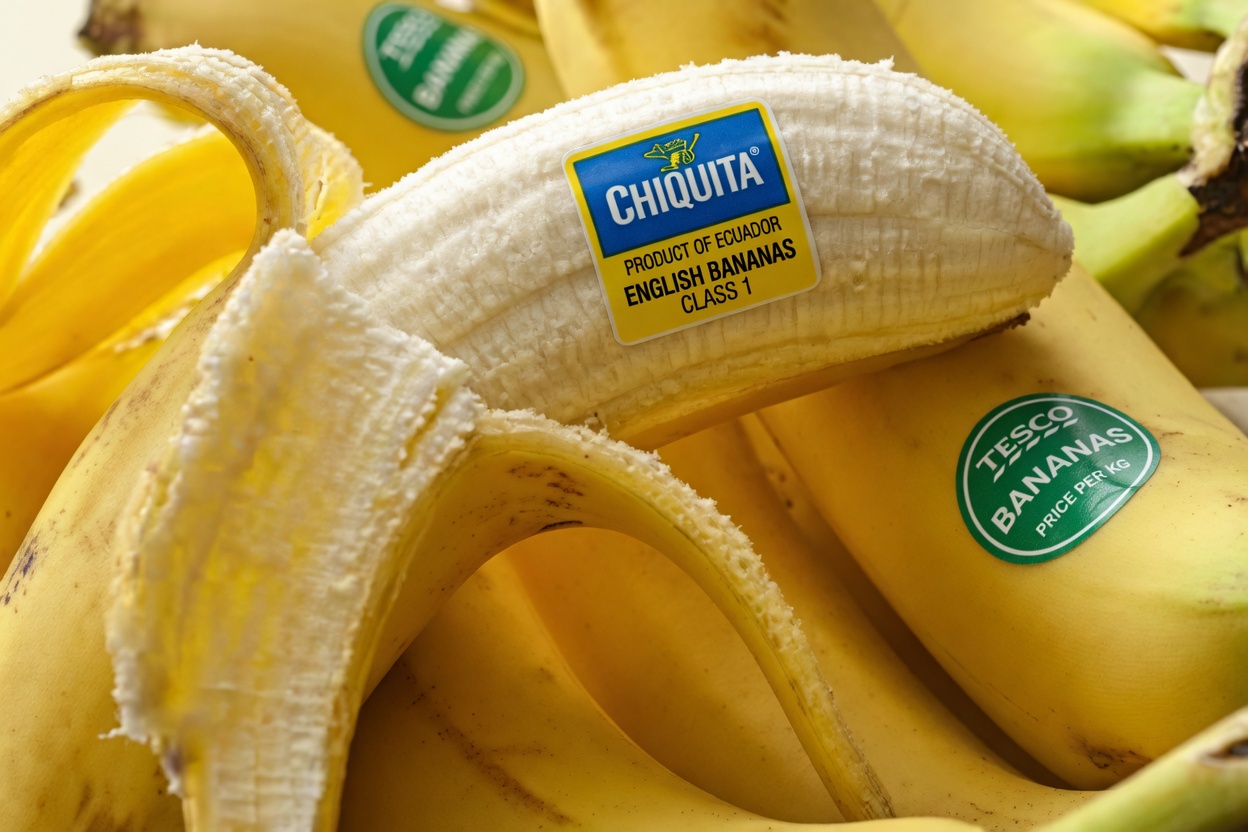
A medium banana provides roughly 400 mg of potassium. Potassium is essential for many people, but if kidneys struggle to regulate potassium levels, too much can contribute to imbalance.
A single banana may not seem like much—until you combine it with other potassium-rich foods throughout the day.
6. Potatoes and Tomatoes (Common High-Potassium Staples)
A medium potato can contain close to 900 mg of potassium, and tomatoes—especially in sauces—can add a significant amount as well. These ingredients are everywhere: fries, mashed potatoes, pasta sauces, soups, and more.
The helpful detail: certain preparation methods (like peeling, soaking, and boiling) can reduce potassium in some vegetables, making them easier to include in moderation.
Kidney-Friendly Swaps to Try
Use these practical substitutions to reduce sodium, potassium, and phosphorus while keeping meals satisfying:
- Processed meats → Fresh grilled chicken or turkey (typically lower sodium and fewer additives)
- Dairy products → Lower-phosphorus options or plant-based alternatives such as unenriched almond milk or rice milk
- Canned vegetables → Fresh or frozen vegetables, ideally no-salt-added
- Whole wheat bread → White bread or lower-mineral grain choices (based on your dietary needs)
- Bananas → Apples, berries, or grapes (lower-potassium fruit options)
- Potatoes & tomatoes → Cauliflower, bell peppers, or cabbage (flavorful alternatives without the same potassium load)
These ideas reflect common kidney-friendly eating guidelines and can help you keep variety while managing mineral intake.
Why Small Changes Can Make a Big Difference
Many people who reduce high-sodium processed foods or cut back on high-potassium staples report feeling less bloated, more comfortable, and sometimes more energetic. These experiences align with research linking lower sodium intake and better mineral balance to improvements in blood pressure control and reduced stress on kidney filtration.
The most sustainable approach is often the simplest: make one change, then build on it.
12 Benefits of Limiting These Foods
- Helps reduce sodium for more stable blood pressure
- Supports healthier fluid balance and may reduce water retention
- Promotes more balanced potassium and phosphorus intake
- Lowers exposure to phosphate additives
- Reduces the kidneys’ overall filtration workload
- May support lower inflammation linked to heavily processed foods
- Helps protect bone mineral balance when phosphorus is high
- Supports heart and vascular comfort through better mineral control
- Encourages steadier day-to-day energy and comfort
- Contributes to long-term wellness through consistent habits
- May align with improved results in routine monitoring (depending on individual factors)
- Makes it easier to build enjoyable, sustainable kidney-friendly meals
A Simple Timeline to Get Started
- Weeks 1–2: Choose 1–2 foods to reduce (for example, processed meats and canned vegetables). Pay attention to bloating, thirst, and energy.
- Weeks 3–4: Add 1–2 swaps (for example, berries instead of bananas). Keep notes on how you feel.
- Week 5 and beyond: Rotate options regularly and consider tracking symptoms—or lab trends—with your healthcare provider.
Momentum comes from consistency, not perfection.
Smart Tips (and Important Notes)
- Read labels and compare sodium levels across brands.
- Flavor food with herbs, spices, lemon, garlic, and vinegar instead of salt.
- When appropriate, use preparation techniques like leaching or double-boiling to reduce potassium in certain vegetables.
- This article is educational and not a replacement for medical care. If you have kidney disease, abnormal labs, or take medications, talk to a healthcare provider or registered dietitian before making major diet changes. Needs differ by CKD stage and overall health profile.
FAQ
What makes some foods tougher on kidney function?
Foods high in sodium, potassium, or phosphorus can be harder to manage when kidney filtration is reduced, potentially affecting blood pressure, fluid balance, and mineral levels.
Can I still eat potatoes or bananas?
Often yes—through portion control, smart preparation (like leaching for certain vegetables), and balancing the rest of your day. Lower-mineral alternatives can also provide similar satisfaction.
How can I tell whether these changes fit my needs?
Your doctor or dietitian can review your labs and medical history and tailor guidance to your specific situation.
Your next grocery trip can be the first step toward feeling more in control. Try limiting just one item today—small choices add up to meaningful support for your kidneys.