
Opening a jar of nuts and catching that warm, roasted scent can feel instantly comforting. Beyond the flavor, nuts are nutrient-dense foods packed with compounds that researchers continue to explore for their role in long-term wellness.
If you’re over 45 and starting to notice subtle shifts in energy, digestion, or overall vitality, adding a variety of nuts to your daily routine can be an easy, enjoyable way to support your body’s natural balance—especially as part of a well-rounded diet.

Nuts deliver a powerful combination of antioxidants, healthy fats, minerals, fiber, and plant compounds. When eaten consistently and in sensible portions, they can contribute to everyday well-being.
The Quiet Changes Many People Notice After 45
Aging is normal, and the body gradually adjusts over time. Common changes include:
- Slightly reduced energy
- Slower or more sensitive digestion
- Greater sensitivity to stress
- Occasional inflammation, stiffness, or discomfort
Research suggests oxidative stress and low-grade inflammation may become more common with age, influenced by sleep, activity, stress, and dietary patterns. That’s where nutrient-rich foods—like nuts—can be helpful, thanks to their mix of unsaturated fats, antioxidants, and essential minerals.
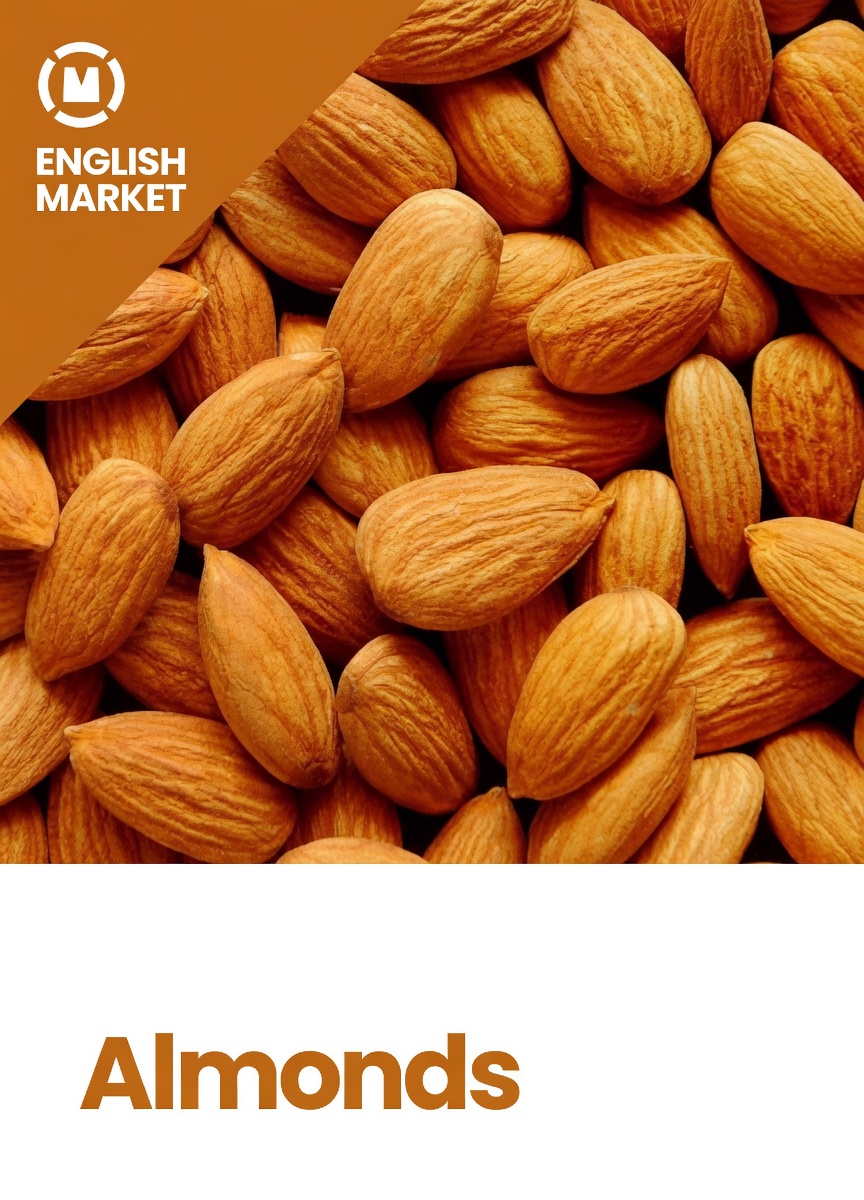
6 Nuts Known for Strong Nutritional Value
1. Almonds: A Natural Vitamin E Boost
Almonds are one of the best natural sources of vitamin E, a key antioxidant that helps protect cells from oxidative stress.
Notable nutritional roles:
- Vitamin E supports cellular antioxidant protection
- Monounsaturated fats support heart-friendly eating patterns
- Fiber helps promote digestive regularity
Many people like almonds as a daily snack because they feel satisfying and provide steady energy.
Suggested portion: about 20–25 almonds per day

2. Walnuts: Plant-Based Omega-3 (ALA)
Walnuts stand out for their content of alpha-linolenic acid (ALA), a plant-based omega-3 fat.
Studies commonly link regular walnut intake with:
- Cardiovascular support
- More balanced inflammatory response
- Improved antioxidant markers
Their earthy taste fits well in salads, yogurt, and oatmeal.
Suggested portion: 4–6 walnut halves per day
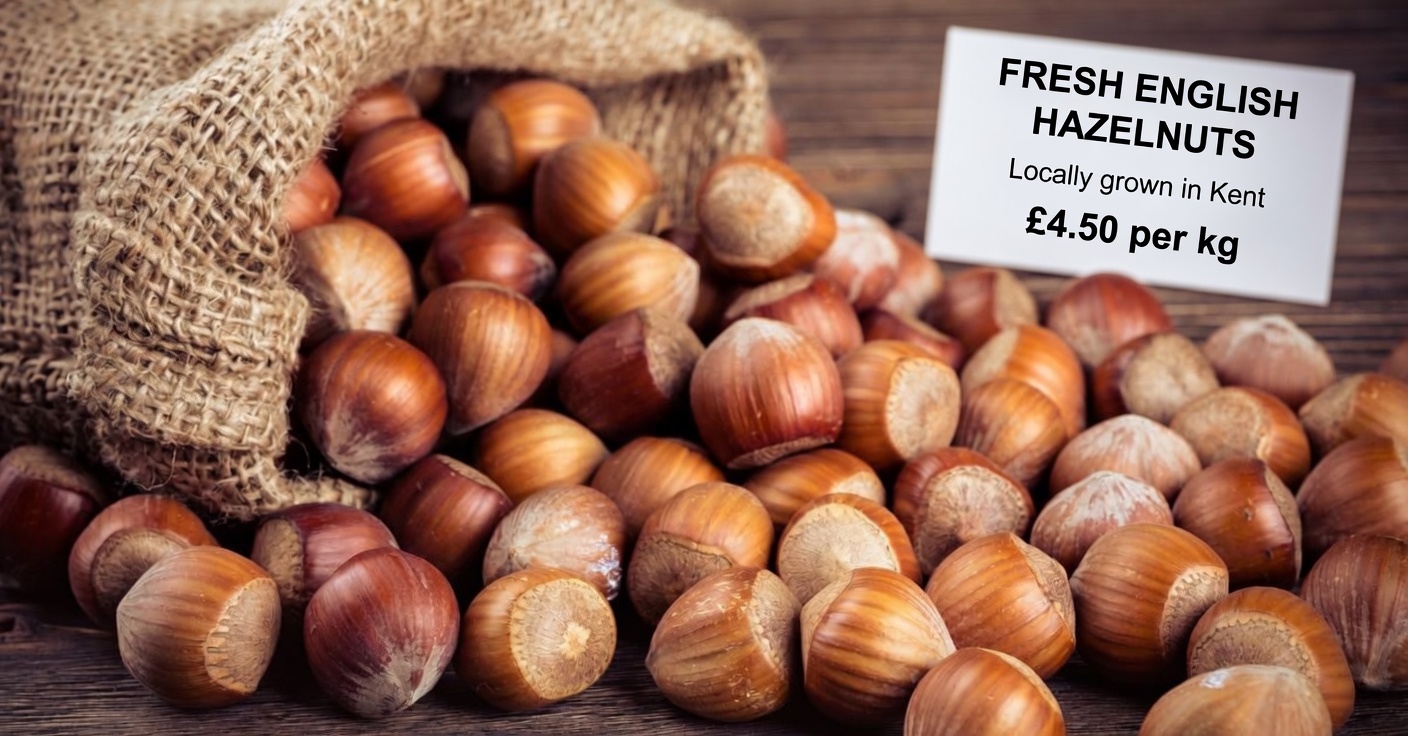
3. Hazelnuts: Polyphenols and Magnesium for Cellular Support
Hazelnuts provide polyphenols, magnesium, and beneficial fats—nutrients associated with everyday metabolic and cellular function.
Potential nutritional strengths:
- Helps support normal cell function
- Contributes to antioxidant defenses
- Supplies minerals involved in energy and metabolism
They’re a great crunchy addition to breakfast bowls or blended smoothies.
Suggested portion: 15–20 hazelnuts per day
4. Pistachios: Naturally Rich in Antioxidants
Pistachios contain lutein and zeaxanthin, antioxidants also linked with eye health and overall antioxidant defense. Their natural green color reflects these carotenoids.
Key highlights:
- Carotenoids that support antioxidant activity
- Fiber for digestive comfort
- Plant protein to help you feel fuller longer
They’re also among the lower-calorie nuts per serving, making them easy to fit into a balanced routine.
Suggested portion: 30–40 pistachios per day
5. Cashews: Zinc and Copper for Metabolism
Cashews are a valuable source of zinc and copper, minerals involved in many enzyme-driven processes.
These minerals support:
- Normal immune function
- Antioxidant enzyme systems
- Energy metabolism
Cashews are especially versatile—easy to snack on or blend into creamy plant-based sauces.
Suggested portion: 15–18 cashews per day
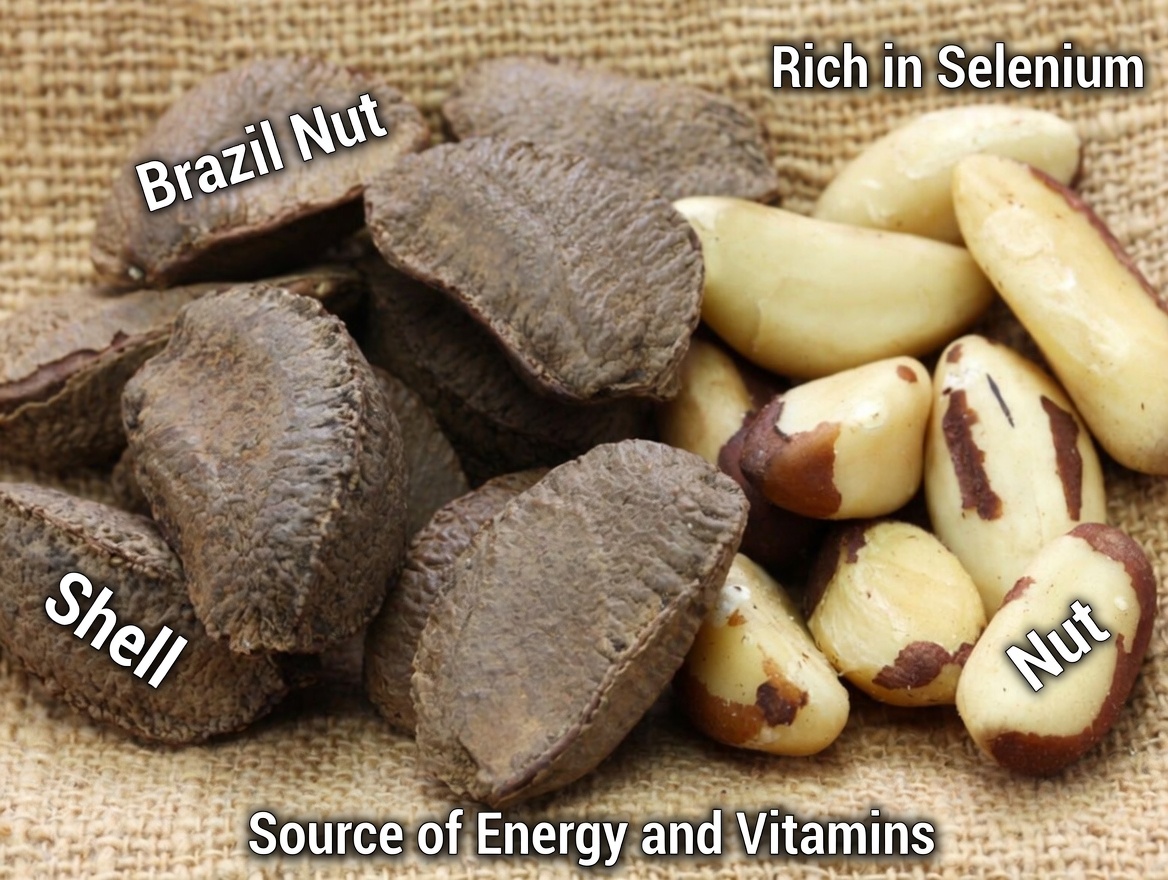
6. Brazil Nuts: Selenium in a Small Serving
Brazil nuts are exceptionally high in selenium, a trace mineral essential for antioxidant pathways.
Just 1–2 Brazil nuts can meet (or exceed) daily selenium needs.
Potential benefits:
- Supports antioxidant enzyme function
- Helps maintain cellular balance
Because selenium is highly concentrated, it’s best to keep portions small.
Suggested portion: 1–2 Brazil nuts per day
Quick Nutrition Summary of These 6 Nuts
- Almonds: Vitamin E — cellular antioxidant support — 20–25
- Walnuts: Omega-3 (ALA) — inflammatory balance — 4–6 halves
- Hazelnuts: Polyphenols, magnesium — cellular health — 15–20
- Pistachios: Lutein, zeaxanthin — antioxidant defense — 30–40
- Cashews: Zinc, copper — metabolic support — 15–18
- Brazil nuts: Selenium — antioxidant enzyme support — 1–2
Simple Ways to Eat More Nuts Every Day
Adding nuts to your routine can be effortless. Try these practical ideas:
- Pre-portion snack containers
Choose 2–3 nuts you enjoy and divide them into small daily servings. - Replace ultra-processed snacks
Swap chips, pastries, or candy for a small handful of mixed nuts. - Upgrade meals
Sprinkle nuts on salads, yogurt, oatmeal, or smoothie bowls. - Lightly toast for flavor
Toast briefly in a dry pan to boost aroma (skip heavy salting). - Pair with fruit
Combine nuts with apples, berries, or bananas for a balanced snack.
For most people, 25–30 grams per day is a reasonable daily serving.
Habits That Can Help You Get More from a Nut-Rich Diet
Nuts work best alongside supportive lifestyle basics:
- Walk 20–30 minutes daily for circulation and mobility
- Drink enough water to help fiber do its job
- Aim for 7–8 hours of sleep to support recovery and metabolism
- Limit refined sugars and ultra-processed snacks
- Rotate different nuts weekly to broaden nutrient variety
Consistency matters more than perfection—small habits are often the most sustainable.
Final Thoughts
These six nuts aren’t miracle foods, but they are nutrient-dense, convenient, and easy to include—especially after 45, when many people benefit from extra nutritional support.
A simple starting point is one small handful of mixed nuts per day. Focus on variety, moderation, and consistency to make it a lasting habit.
Frequently Asked Questions
How many nuts should I eat per day?
A small handful (about 25–30 grams) is a balanced daily portion for most adults.
Can I eat nuts if I have high cholesterol?
Many studies associate nut intake with improved lipid markers—especially when nuts replace processed snacks. Choose unsalted, minimally processed options.
Are nuts helpful for weight management?
Yes, in moderation. The combination of healthy fats, fiber, and protein can support satiety and reduce mindless snacking.
What if I’m allergic to certain nuts?
Avoid any nuts that trigger reactions and consult a healthcare professional. You can choose other options that fit your needs safely.
Disclaimer
This content is for informational purposes only and is not a substitute for medical advice. Nuts can support a healthy diet but are not intended to prevent, treat, or cure disease. Consult a qualified healthcare professional before making major dietary changes, especially if you have medical conditions or allergies.