
Have you ever noticed urine that stays foamy and doesn’t clear even after flushing? This frequent symptom is often linked to proteinuria (protein in the urine)—a condition seen in many adults and sometimes an early clue that the kidneys are working under extra pressure from high blood pressure, diabetes, or inflammation. It can feel worrying, especially if you also notice lower energy or swelling, but you’re not alone. Research suggests that well-chosen lifestyle changes may help reduce kidney workload and support healthier function.
The encouraging part: clinical evidence points to several practical, everyday strategies that may help manage proteinuria—without making unrealistic promises. Below are six research-supported approaches that can support kidney health naturally. Stay to the end for a simple first step many people find easy to start today.

Why Protein in Urine Is a Bigger Deal Than It Looks
Proteinuria is more than an appearance issue. When the kidney’s filtration system (the glomeruli) becomes strained, proteins that normally stay in the bloodstream can leak into the urine. Over time, ongoing leakage can signal continued kidney stress—especially if key drivers like blood pressure or blood sugar remain uncontrolled.
Many people try broad advice such as “drink more water” or “cut carbs.” These steps may help certain symptoms temporarily, but they often don’t address the core issue. The most helpful focus is usually evidence-based habits that lower filtration stress and support kidney resilience—an approach reflected in major clinical guidelines and research findings.
1. Keep Protein Intake Moderate to Reduce Kidney Strain
High-protein eating plans can be useful for some goals, but for people dealing with proteinuria or kidney risk, too much protein may increase the kidneys’ daily filtering demand. Research and guideline insights (including KDIGO updates) support moderating protein intake to help reduce this workload and potentially slow progression in higher-risk individuals.
General targets often used:
- For many people with risk factors but without advanced kidney disease: about 0.8–1.0 g of protein per kg of ideal body weight per day
- In more specific situations: around 0.6 g/kg may be considered only with professional supervision
Ways to apply this in real life:
- Estimate ideal body weight: a rough method is height (m)² × 22
- Choose protein quality over quantity: eggs, fish, lean poultry, and plant choices like lentils or tofu
- Add supportive energy from whole grains and fruit to help preserve muscle and prevent fatigue
Many people also do well with a plant-forward pattern, which can support variety and may reduce acid burden on the kidneys.
2. Eat More Antioxidant-Rich Foods to Help Counter Oxidative Stress
Oxidative stress can contribute to kidney inflammation and damage over time. Foods rich in antioxidants help neutralize free radicals, and studies associate antioxidant-rich diets with improved kidney-related markers.
A helpful daily goal is 5–7 servings of fruits and vegetables, emphasizing high-antioxidant choices such as:
- Berries (blueberries, strawberries, raspberries)
- Apples with the skin, red grapes, bell peppers
- Herbs and spices like turmeric, ginger, and parsley
To preserve nutrients, aim for fresh produce when possible and use gentle cooking methods like steaming or light sautéing. Many people also notice better overall energy once produce intake becomes consistent.

3. Reduce Sodium to Support Blood Pressure and Fluid Balance
Too much sodium increases fluid retention and can raise blood pressure—two factors that can add pressure to already stressed kidneys. Many guidelines advise staying under 2,300 mg sodium per day, with a lower target (often around 1,500 mg) commonly recommended for people with hypertension or kidney risk.
Evidence from meta-analyses suggests sodium reduction can:
- Lower blood pressure
- Support lower urinary protein in some CKD populations
Practical sodium-cutting habits:
- Cook more at home and season with lemon, garlic, pepper, vinegar, and herbs
- Rinse canned foods (like beans or vegetables) before eating
- Read labels and avoid items with very high sodium per serving (for example, products showing >20% Daily Value)
This single shift can make swelling feel noticeably better for some people.
4. Add Omega-3 Fatty Acids to Support a Healthier Inflammation Response
Omega-3s—including EPA and DHA (mainly from fish) and ALA (from plants)—are known for anti-inflammatory effects. Clinical reviews suggest that higher omega-3 intake may be linked to improved outcomes in certain kidney-related conditions.
Common intake approach:
- Aim for 1–2 grams per day of combined omega-3s (as appropriate for your situation)
Food sources to prioritize:
- Fish: salmon, sardines, mackerel
- Plant options: flaxseeds, chia seeds, walnuts
If you rarely eat fish, fish oil or algae-based supplements may help—though it’s best to confirm suitability with a clinician, especially if you take blood thinners or have medical conditions.
5. Choose More Alkaline-Forming Foods to Improve Acid-Base Balance
A key kidney role is helping regulate the body’s acid-base status. When kidney function is under strain, acid can accumulate more easily. Research links lower dietary acid load (often measured as PRAL—potential renal acid load) with better kidney health markers in some groups.
More kidney-friendly, lower-PRAL choices include:
- Leafy greens (spinach, kale)
- Fruits and vegetables such as avocado, carrots, figs
- A reduced emphasis on highly acid-forming foods like large amounts of red meat
This step pairs well with moderate protein intake to create a more kidney-supportive eating pattern.
6. Focus on Blood Sugar Stability and Healthy Weight
Keeping blood sugar steadier and maintaining a healthier weight can reduce vascular strain and protect kidney filtration over time. Landmark research shows that tighter glucose management and even modest weight loss—often 5–10% of body weight—can improve kidney-related markers in at-risk groups.
Useful habits that tend to work together:
- Build meals around whole foods, with attention to portions
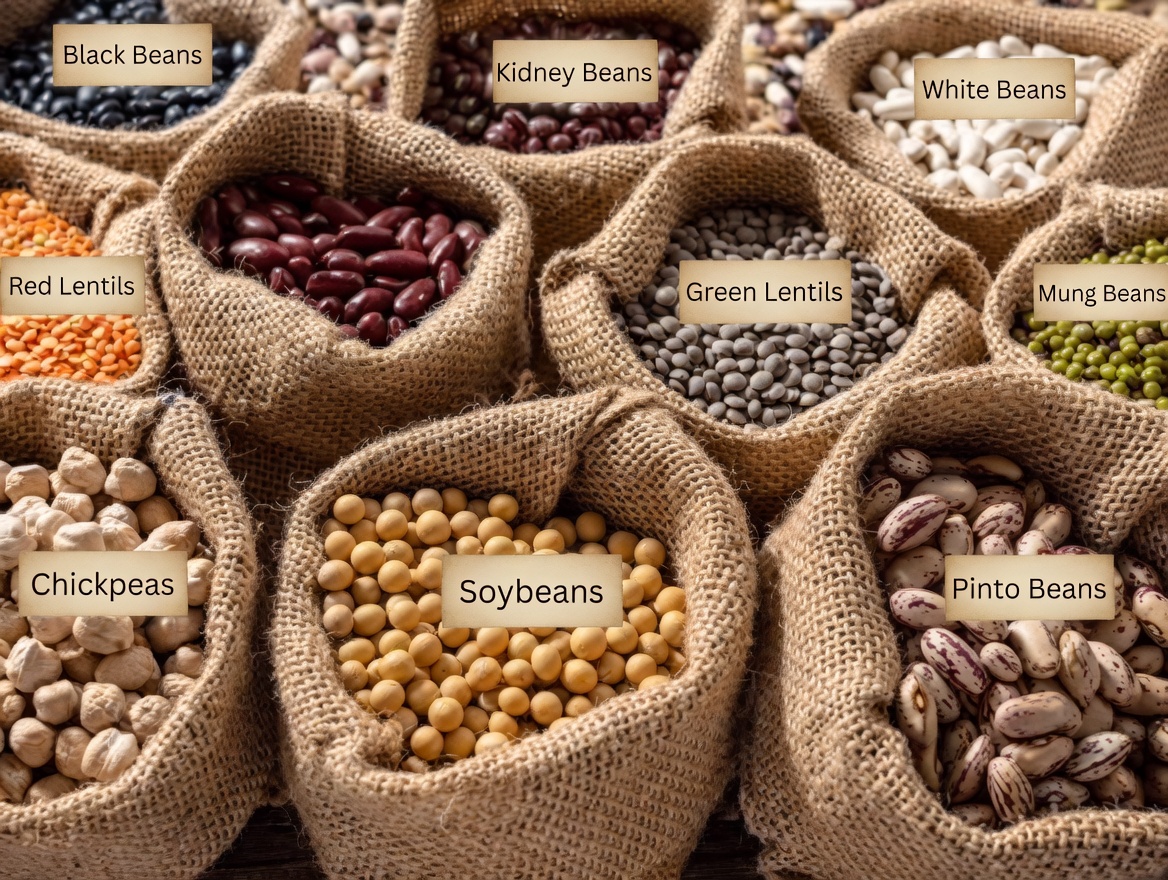
- Increase fiber (vegetables, legumes, oats, whole grains when appropriate)
- Move daily: 30 minutes of brisk walking is meaningful
- Track progress with your healthcare team through labs and follow-ups
Common Factors That Can Make Proteinuria Worse
Protein in urine may increase or persist when these triggers are present:
- Poorly controlled high blood pressure or blood sugar
- Smoking, excess alcohol intake, or prolonged inactivity
- Very high intake of red/processed meat or frequent use of protein supplements
- Frequent use of NSAIDs (such as ibuprofen), especially without medical guidance
A Simple Starting Plan You Can Do Today
Start with small, sustainable actions:
- Add a handful of berries to breakfast
- Make one meal today with no added salt
- Track urine appearance and any swelling or fatigue changes over the next few weeks
Consistency matters most. Work with your healthcare provider for testing, individualized targets, and safe monitoring—especially if you already have kidney disease or other chronic conditions.
Disclaimer: This article is for informational purposes only and does not replace professional medical advice, diagnosis, or treatment. Speak with a doctor or qualified healthcare provider before making changes, particularly if you have kidney concerns or other health conditions.
FAQ
What else can cause foamy urine besides proteinuria?
Foam can sometimes be temporary due to dehydration, fast urination, or toilet cleaning chemicals. If foamy urine is persistent, it’s worth getting evaluated.
Can drinking more water reduce protein in urine?
Hydration supports overall health, but it usually doesn’t resolve proteinuria by itself. Addressing root drivers—like blood pressure, blood sugar, and diet quality—is typically more impactful.
How long does it take for lifestyle changes to show results?
Some people notice changes (like less foam or improved energy) within weeks, but measurable kidney markers often take months. Regular lab monitoring is important.