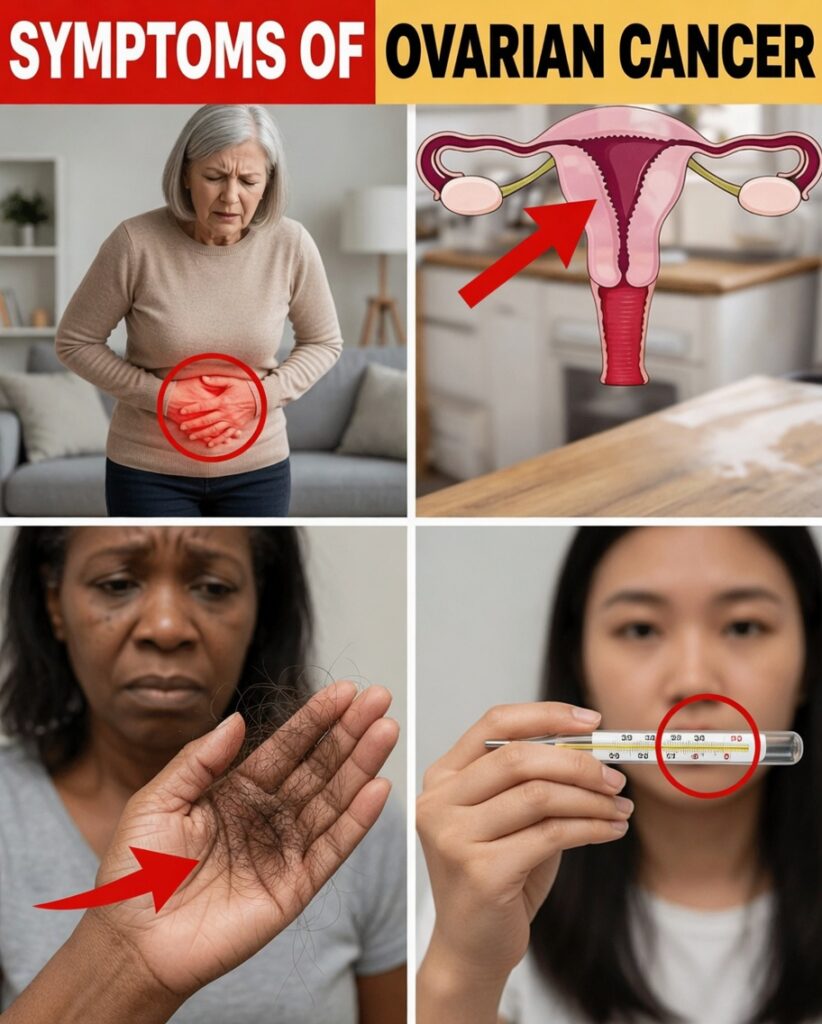
Ovarian cancer can be easy to miss in its early stages because the first symptoms often feel “normal”—mild bloating after meals, low energy, or more frequent bathroom trips. Many women chalk these changes up to stress, aging, menopause, or digestive issues, only to learn later they were early warning signals. The American Cancer Society estimates that 20,890 women in the United States will receive an ovarian cancer diagnosis in 2025, and a significant number of cases are still detected after the disease has advanced, when treatment can be more complex.
The encouraging reality is that noticing symptoms that persist—and acting on them—can support earlier evaluation. Below are six subtle signs commonly associated with ovarian cancer in research and guidance from trusted organizations such as the American Cancer Society and Mayo Clinic. These symptoms are not proof of cancer on their own (they often have harmless explanations), but when they last for weeks or keep returning, they deserve a conversation with a healthcare professional.
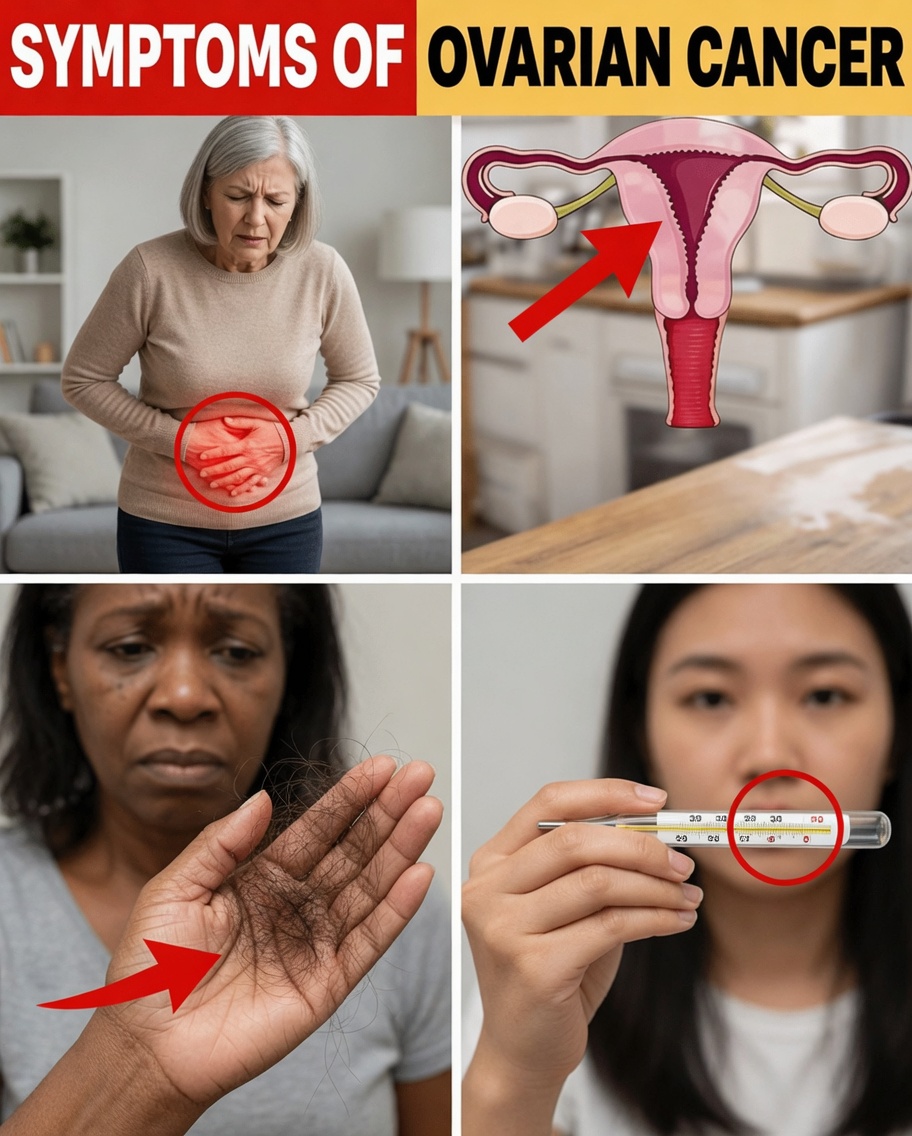
Why Ovarian Cancer Is Often Called a “Silent” Disease
Ovarian cancer is frequently labeled “silent” because its symptoms tend to be vague, gradual, and easy to misattribute—for example to IBS, hormonal shifts, or a busy lifestyle. By the time clearer red flags appear, the cancer may have already progressed. Early detection is linked with better outcomes, yet there is no routine screening test for average-risk women, which makes symptom awareness especially important.
The key takeaway: when something feels “off” and doesn’t resolve, taking it seriously can lead to earlier assessment.
Sign 1: Bloating That Persists and Feels Different
Occasional gas or premenstrual puffiness is common. What’s more concerning is ongoing abdominal swelling or tightness that doesn’t follow the usual pattern of eating, hormones, or short-term digestion changes.
According to commonly cited clinical explanations, this can occur due to fluid buildup (ascites) or pressure from a pelvic/abdominal mass. Many women describe:
- A constant “full” or stretched feeling
- Waistbands suddenly feeling tighter without weight gain
- Bloating that lasts days to weeks, not hours
If bloating remains present for more than two weeks, especially without improvement from typical adjustments (diet changes, rest, reduced salt), raise it with your doctor.
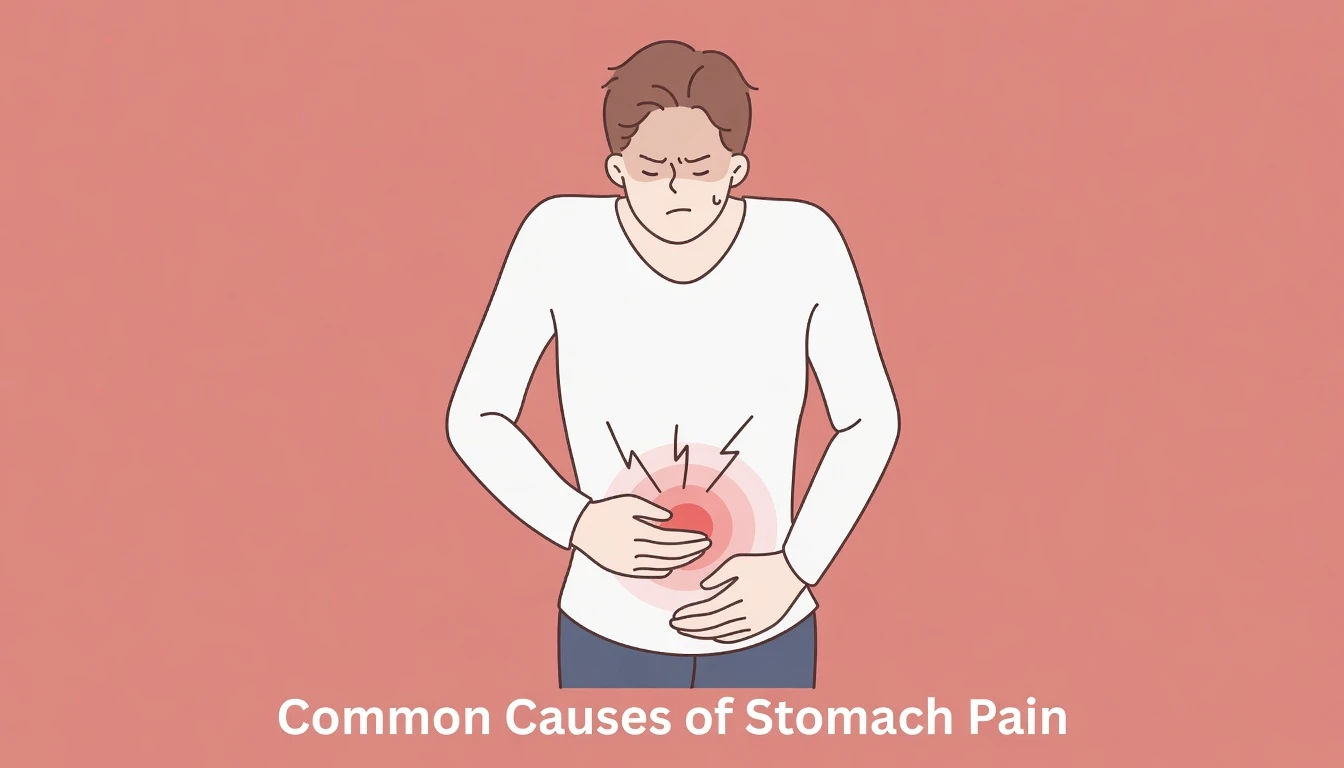
Sign 2: Ongoing Pelvic or Lower-Abdominal Discomfort
Another frequently reported symptom is a persistent ache, pressure, or heaviness in the pelvis or lower abdomen. It can resemble mild cramps, but it doesn’t go away or feels unusual compared to past menstrual or digestive discomfort.
The Mayo Clinic notes that pelvic pain or pressure may be related to irritation or compression of nearby tissues and nerves. Because it can mimic muscle strain, period changes, or back issues, it’s often ignored at first. Consider seeking advice if it is:
- New or noticeably different for you
- Present most days
- Not clearly tied to activity, posture, or a known cause
Keeping track of timing, triggers, and intensity can help make your medical visit more productive.
Sign 3: Getting Full Quickly or a Noticeable Appetite Shift
Feeling satisfied after only a few bites—often called early satiety—is another subtle change linked to ovarian cancer discussions. You might not see dramatic weight loss right away; instead, you may notice that eating feels uncomfortable or unappealing.
A common explanation is that pressure in the abdomen (from growths or fluid) reduces space, making normal meals feel “too much.” Watch for patterns such as:
- Losing interest in food for no clear reason
- Feeling full unusually fast
- Regular meals becoming difficult to finish
If this persists and isn’t explained by factors like stress, illness, or intentional diet changes, document it and mention it at your next appointment.
Sign 4: Frequent or Urgent Urination (Without Infection)
A sudden increase in urinary frequency, strong urgency, or waking at night to urinate can be disruptive—and easy to blame on caffeine, hydration, or aging. However, when urinary symptoms appear without signs of a UTI, they may reflect pressure on the bladder.
The American Cancer Society includes urinary urgency and frequency among symptoms that can be associated with ovarian cancer. A practical approach is:
- Rule out straightforward causes first (UTI, medication changes, excess caffeine)
- If symptoms continue despite treatment or lifestyle adjustments, talk with your healthcare provider
Sign 5: Unexplained, Ongoing Fatigue
Fatigue linked to serious illness tends to feel different from everyday tiredness. It may be a deeper exhaustion that persists even after sleep and begins to interfere with your focus, motivation, or routines.
In gynecologic cancers, fatigue may be influenced by inflammation and metabolic changes. Mayo Clinic guidance includes severe tiredness as a possible related symptom. Consider getting checked if you notice:
- Persistent low energy for weeks
- Rest not helping you recover
- Fatigue showing up alongside other symptoms on this list
Sign 6: Pain or Discomfort During Sex
Pain during intimacy (dyspareunia) can be uncomfortable to discuss, so it often goes unreported. When ovarian cancer is involved, discomfort may feel deep in the pelvis rather than surface irritation.
Many benign issues can also cause painful sex (hormonal dryness, pelvic floor tension, infections). Still, if this symptom is new, persistent, and unexplained, bringing it up with a clinician can lead to helpful evaluation and relief.

Quick Symptom Comparison Guide
Use this simple checklist to spot patterns:
- Bloating after meals → Persistent swelling or abdominal distension
- Occasional cramps → Ongoing pelvic or lower-belly pressure
- Stress or schedule changes → Early fullness or appetite drop
- “Just getting older” → Urgency/frequency without infection
- Normal tiredness → Unexplained fatigue that lingers
- Hormonal dryness → Pain during intimacy (especially deep pelvic pain)
If several symptoms occur nearly daily for more than two weeks, tracking them can make your medical visit clearer and more efficient.
What to Do If These Signs Sound Familiar
There’s no need to panic—these symptoms are common and are usually caused by non-cancer conditions. Still, if they are new, persistent, or happening together, take practical next steps:
- Track symptoms for at least two weeks
- Record dates, frequency, and severity (a 1–10 scale can help).
- Book an appointment with a primary care provider or gynecologist
- Clearly describe the symptom cluster and how long it has lasted.
- Discuss family history and genetic risk
- Inherited factors (such as BRCA mutations) can increase risk.
- Ask what evaluation is appropriate
- Depending on your situation, this may include a pelvic exam, imaging such as ultrasound, and possibly blood work like CA-125 (which is not a standalone screening test).
Early evaluation often brings reassurance—and when further testing is needed, it supports timely care.
Frequently Asked Questions
Are these symptoms common in women who do not have ovarian cancer?
Yes. Bloating, fatigue, urinary changes, and appetite shifts occur frequently for benign reasons. The main concern is persistence, frequency, and multiple symptoms happening together.
Is there a reliable screening test for ovarian cancer?
Not currently for women at average risk. That’s why symptom awareness and prompt medical evaluation remain essential.
When should I contact a doctor?
If one symptom is present nearly every day for more than two weeks, or several occur together, it’s reasonable to seek medical guidance sooner rather than waiting.
Ovarian cancer awareness can save lives because it encourages timely action. If your body keeps sending signals that something isn’t right, trust that observation and advocate for yourself.
Medical disclaimer: This article is for informational purposes only and does not replace professional medical advice, diagnosis, or treatment. Always consult a qualified healthcare provider about persistent symptoms or health concerns.