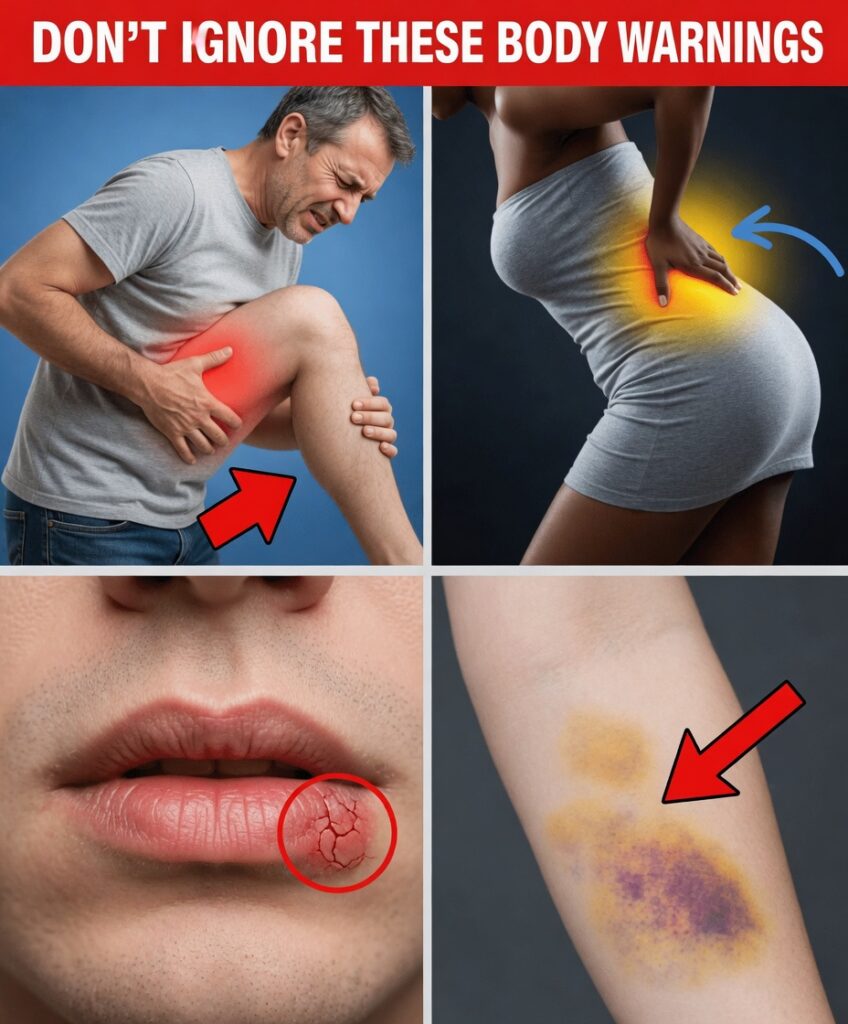
Many adults over 60 start noticing small shifts—occasional leg discomfort at night, unexplained fatigue, mild skin changes—and chalk them up to “normal aging.” In reality, these everyday issues can sometimes reflect lower levels of essential vitamins and minerals, which become more common with age due to changes in absorption, a less varied diet, or medication use. Research referenced by organizations such as the National Institutes of Health notes that when certain nutrients run low, early clues often show up in the skin, nerves, and muscles.
The encouraging part: recognizing these patterns and prioritizing nutrient-dense foods can support overall well-being. There’s also one frequently overlooked sign that’s closely tied to nerve health—and it may be more relevant than you think.
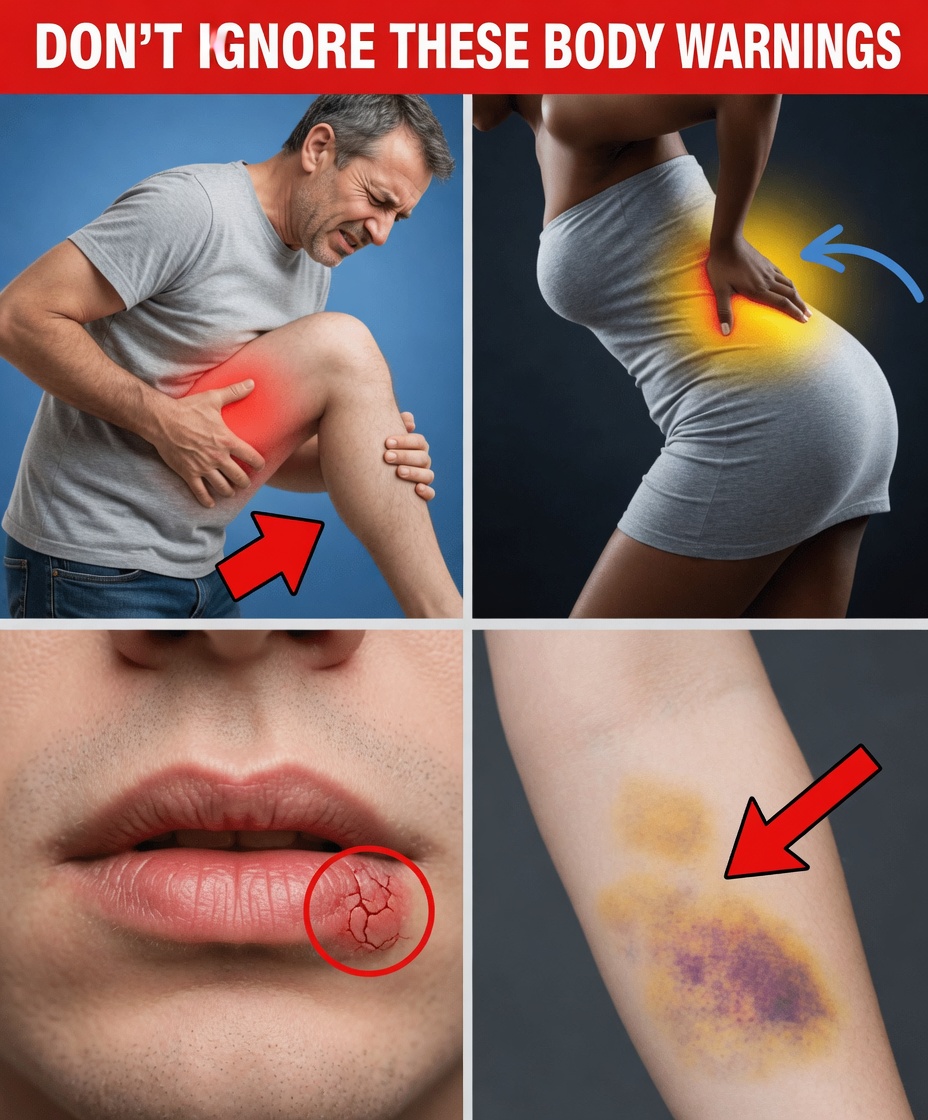
Why Nutrient Gaps Feel More Noticeable After 60
As the body ages, it may not absorb some nutrients as efficiently. At the same time, many people naturally eat smaller portions or repeat the same meals more often, reducing overall nutrient variety. Studies suggest that vitamin B12 deficiency affects roughly 6–20% of adults over 60, while shortfalls in vitamin D, magnesium, and other nutrients are also widely reported.
These gaps don’t always cause obvious, dramatic symptoms. More often, they build slowly—showing up as changes in sleep quality, focus, mood, or everyday comfort. When left unaddressed, they can reduce activity levels and chip away at quality of life. It may feel like “just getting older,” but evidence suggests that improving nutrient intake earlier can help support energy and resilience.
7 Common Body Signs and the Nutrient Links Behind Them
Below are seven patterns frequently reported by adults over 60, along with nutrient connections supported by nutrition research.

Sign #1: Nighttime Leg Cramps That Interrupt Sleep
Sudden calf cramps during the night are common in older adults and can leave lingering soreness the next day.
Possible nutrient connections:
- Magnesium (supports muscle relaxation)
- Potassium and calcium (support nerve-to-muscle signaling)
Food-first steps to try:
- Add magnesium-rich foods such as spinach, almonds, and bananas.
- Include potassium sources like avocados and sweet potatoes.
- Maintain hydration and do gentle pre-bed stretching.
Consistent choices often make nights feel less disrupted—pay attention to whether sleep improves over a few weeks.
Sign #2: Tingling or Numbness in Hands and Feet
A “pins-and-needles” feeling or decreased sensation may start mildly, with hands or feet seeming to “fall asleep” more easily.
Possible nutrient connection:
- Vitamin B12, which supports the protective nerve covering (myelin). Lower B12 status is commonly reported in older adults in some studies.
Practical ways to support B12 intake:
- Choose B12-rich foods like eggs, fish, poultry, and fortified cereals.
- If absorption may be an issue, consider discussing B12 testing with a healthcare professional.
- Pairing B12 sources with folate-rich greens can support overall nutrient utilization.
Sign #3: Gums That Bleed Even With Gentle Brushing
Healthy gum tissue typically shouldn’t bleed from light brushing. Frequent bleeding can indicate more fragile tissues.
Possible nutrient connection:
- Vitamin C, essential for collagen formation and blood vessel support, especially when fruit and vegetable intake is low.
Easy upgrades:
- Add bell peppers, oranges, strawberries, or broccoli daily.
- Aim for a “colorful plate” at meals to naturally raise vitamin C intake.
Many people notice gum comfort improve after increasing fresh produce.
Sign #4: Brain Fog or Small Memory Slips
Mental cloudiness, reduced focus, or forgetting names mid-conversation can be frustrating—and sometimes alarming.
Possible nutrient connections:
- Vitamin B12 and thiamine (B1), both involved in brain energy and nerve function. Low intake can sometimes resemble age-related changes.
Supportive habits:
- For thiamine, include whole grains, legumes, and pork (if appropriate).
- Keep B12 sources consistent from week to week.
Steady routines and balanced meals can support clearer thinking over time.
Sign #5: Bruising From Minor Bumps
If bruises show up easily—especially on arms and legs—nutrient status may be one factor to consider.
Possible nutrient connections:
- Vitamin C (blood vessel support)
- Vitamin K (normal clotting function)
Food-focused support:
- Increase citrus fruits, plus kale, spinach, and broccoli.
- Track bruising patterns and note any medications that may affect bleeding risk.
Sign #6: Vertical Nail Ridges or Noticeable Nail Changes
Lengthwise ridges and brittle nails are common with age, but nutrient intake can influence nail growth and strength.
Possible nutrient connections:
- Iron, vitamin B12, and biotin
What to try:
- Add iron-supporting foods such as spinach, eggs, and lean meats.
- If nail changes persist or worsen, consider asking about lab testing to check for deficiencies.
Sign #7: Cuts and Scrapes That Heal More Slowly
If minor wounds seem to take longer to close than they used to, it may relate to the body’s repair capacity.
Possible nutrient connections:
- Zinc, vitamin C, and protein, all central to tissue repair.
Action steps:
- Include zinc-rich options like oysters and nuts (as tolerated).
- Get vitamin C from citrus and vegetables, and include lean protein regularly.
- Keep wounds clean and watch for signs of infection or unusual changes.

Signs and Nutrients at a Glance
-
Nighttime leg cramps
- Nutrients: magnesium, potassium, calcium
- Foods: leafy greens, bananas, almonds
- Support: add to meals, hydrate, stretch
-
Tingling/numbness
- Nutrient: vitamin B12
- Foods: eggs, fish, fortified foods
- Support: consistent intake, consider testing
-
Bleeding gums
- Nutrient: vitamin C
- Foods: bell peppers, strawberries, broccoli
- Support: increase fresh produce daily
-
Brain fog/memory lapses
- Nutrients: B12, thiamine
- Foods: fish, whole grains, pork, legumes
- Support: balanced meals, routine intake
-
Easy bruising
- Nutrients: vitamins C and K
- Foods: citrus, kale, spinach
- Support: more colorful vegetables; review medications with a clinician
-
Nail ridges/changes
- Nutrients: iron, B12, biotin
- Foods: spinach, eggs, nuts, lean meats
- Support: improve variety; test levels if persistent
-
Slow wound healing
- Nutrients: zinc, vitamin C, protein
- Foods: oysters, nuts, citrus, lean meats
- Support: protein at meals; monitor wound changes
A Simple Roadmap to Support Energy and Comfort
- Week 1: Note symptoms and add 2–3 nutrient-rich foods daily (for example, a spinach salad or a banana snack).
- Weeks 2–4: Expand variety—more colorful produce, quality proteins, and whole grains. Keep hydration steady.
- Ongoing: Track how you feel (energy, sleep, comfort). If issues persist, consider scheduling a check-up and discussing bloodwork.
Start small: choose one sign you relate to and one food you can add today. Gradual, consistent changes often matter most.
Frequently Asked Questions
What leads to nutrient shortfalls in older adults?
Common contributors include reduced absorption (such as lower stomach acid), smaller appetites, limited dietary variety, and certain medications.
When is it important to talk to a doctor?
If symptoms persist, worsen, or interfere with daily life—especially if you have diabetes, take multiple medications, or have existing health conditions—seek medical guidance.
Are supplements always necessary?
Not always. Food is typically the best starting point. Testing can clarify whether supplementation is appropriate, and decisions should be made with a healthcare professional.
Medical Disclaimer
This article is for informational purposes only and does not replace professional medical advice. Consult your healthcare provider before changing your diet or starting supplements, particularly if you have medical conditions or take medications.