Why These “Small” Symptoms May Be Your Body Asking for More Nutrients
Imagine jolting awake at 3 a.m. with a sudden, intense leg cramp—so painful you sit up and massage your calf in the dark, hoping it passes before anyone else wakes. Many older adults in Mexico and beyond experience these uncomfortable changes weekly and dismiss them as “just getting older.”
But clinicians often point out an important reality: seemingly minor symptoms can sometimes be early signs of nutrient deficiencies—especially as the body absorbs certain vitamins and minerals less efficiently with age. The encouraging part is that simple, consistent daily habits may help support your body again.
Sign 1: Nighttime Leg Cramps That Wake You Up
You fall asleep normally, then your calf suddenly tightens into a hard knot. The pain can be sharp and strong enough to disrupt the rest of the night.
Night cramps are commonly reported by adults over 60. Research in aging-related health literature suggests that muscle relaxation depends on adequate mineral balance. When key minerals run low, muscles may contract more easily or nerves may signal unevenly.
Common nutrient gaps often associated with cramps include:
- Magnesium
- Potassium
- Calcium
A key detail many people miss: mineral absorption can decline with age, and factors like medications, lower appetite, or limited food variety may reduce intake.
Daily habits that may support better muscle balance:
- Choose magnesium-rich foods like spinach, pumpkin seeds, and almonds
- Add potassium sources such as bananas, beans, and avocado
- Maintain steady hydration throughout the day
- Do gentle calf stretches before bed
If cramps become frequent or severe, many doctors recommend discussing magnesium and overall mineral intake with a healthcare professional.

Sign 2: Tingling or Numbness in Hands and Feet
That “pins and needles” sensation in your feet while watching TV—or numbness in your fingers—often gets blamed on circulation. Sometimes circulation plays a role, but nutrition can also be part of the picture.
Vitamin B12 is essential for nerve health. It supports the protective covering around nerve fibers that helps signals travel clearly. When B12 levels drop, nerves may send distorted signals, leading to:
- Tingling sensations
- Numbness in toes or fingers
- Reduced sensitivity in the feet
NIH-linked information notes that vitamin B12 deficiency becomes more common after age 60, partly because stomach acid decreases and absorption becomes harder.
Foods that can help support B12 intake include:
- Eggs
- Fish (such as salmon and sardines)
- Dairy products
- Fortified cereals
In some cases, symptoms improve after diet changes or appropriate supplementation guided by a clinician.

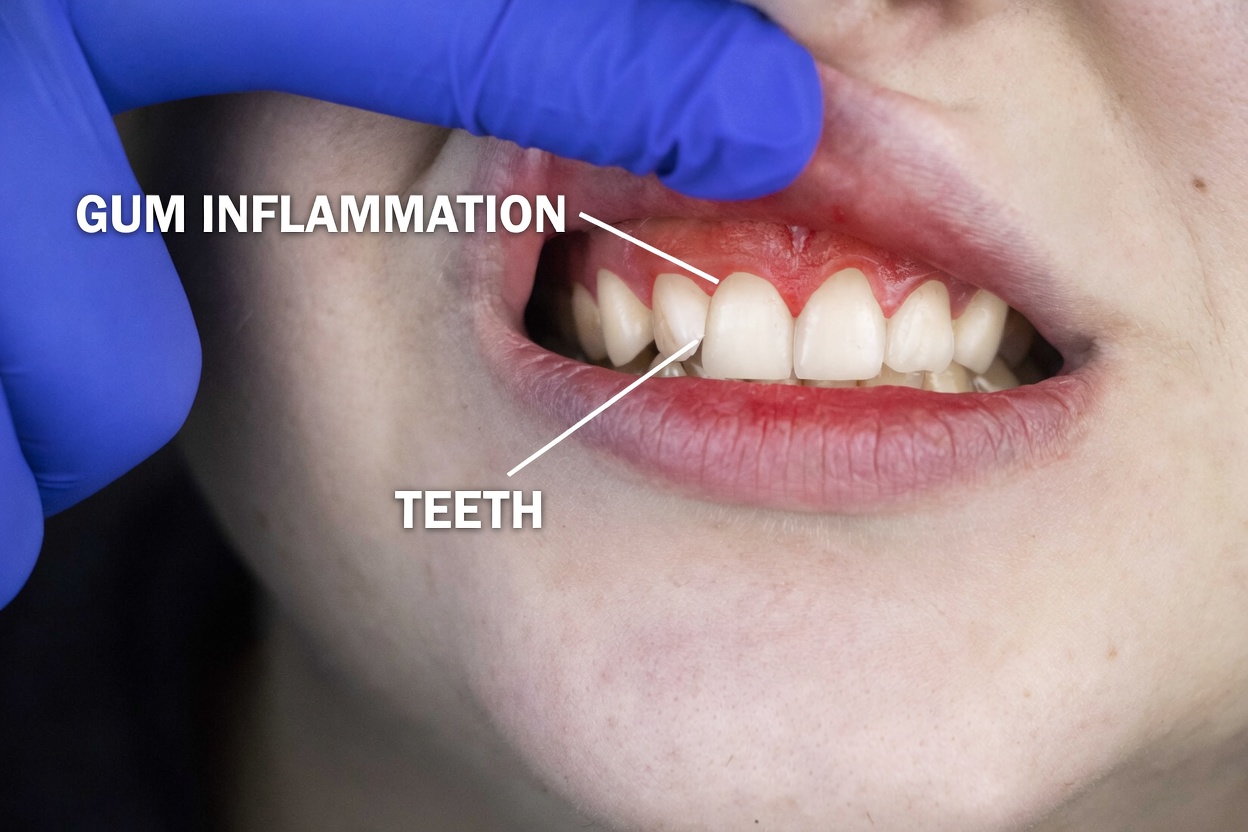
Sign 3: Gums That Bleed Easily When Brushing
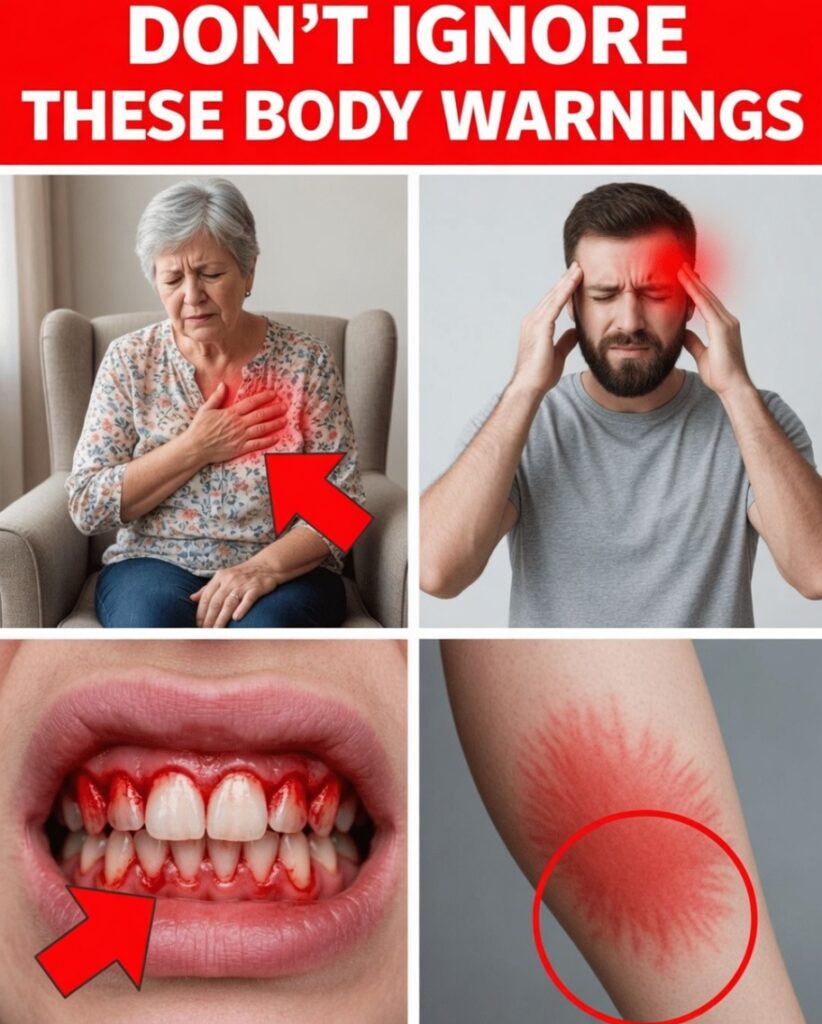
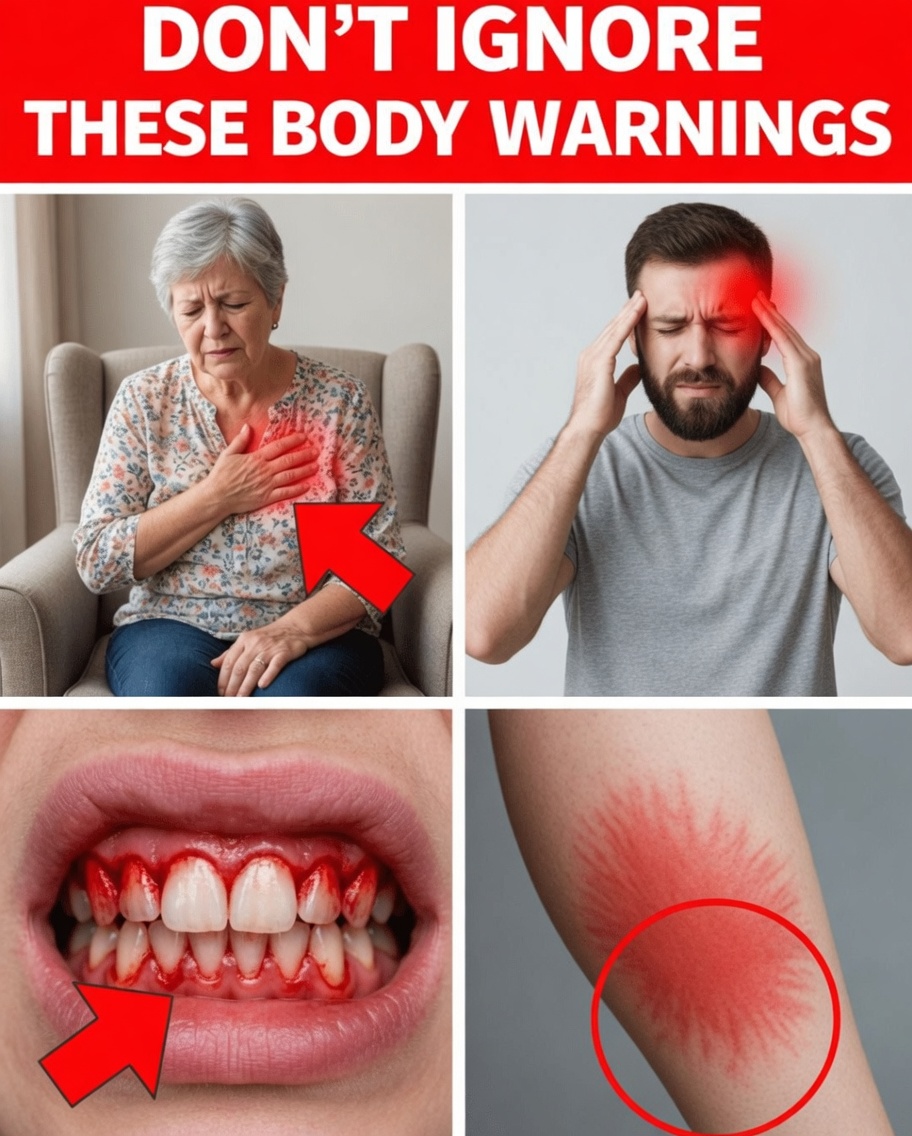
Seeing pink in the sink after brushing can feel embarrassing—and many people assume it means they brushed too hard. Dentists, however, often mention another possibility: low vitamin C intake.
Vitamin C helps maintain blood vessel integrity and supports collagen, which helps keep gums firm and resilient. When vitamin C is low, delicate gum tissues may become more fragile, causing:
- Bleeding during brushing
- Gum tenderness
- Slower healing after dental work
Nutrition research (including Harvard-linked discussions) has noted that some older adults eat fewer fruits and vegetables than recommended, which can reduce vitamin C intake.
Vitamin C–supportive foods include:
- Citrus fruits (oranges, grapefruit)
- Bell peppers
- Strawberries
- Broccoli
Sign 4: Brain Fog or Memory Slips
Walking into a room and forgetting why you’re there happens to everyone. But if mental “fogginess” becomes frequent, nutrition may be one factor worth considering.
Several nutrients support cognitive function and nerve communication, including:
- Vitamin B12
- Thiamine (vitamin B1)
- Omega-3 fatty acids
When intake is low, some people notice:
- Trouble concentrating
- Slower thinking
- Increased fatigue
Health institutions, including Mayo Clinic–cited guidance, often emphasize that improving nutrient intake can support brain health as part of overall aging well.
Brain-supportive food choices include:
- Whole grains
- Fatty fish (like salmon)
- Nuts and seeds
- Beans and lentils
Sign 5: Bruising More Easily Than Before
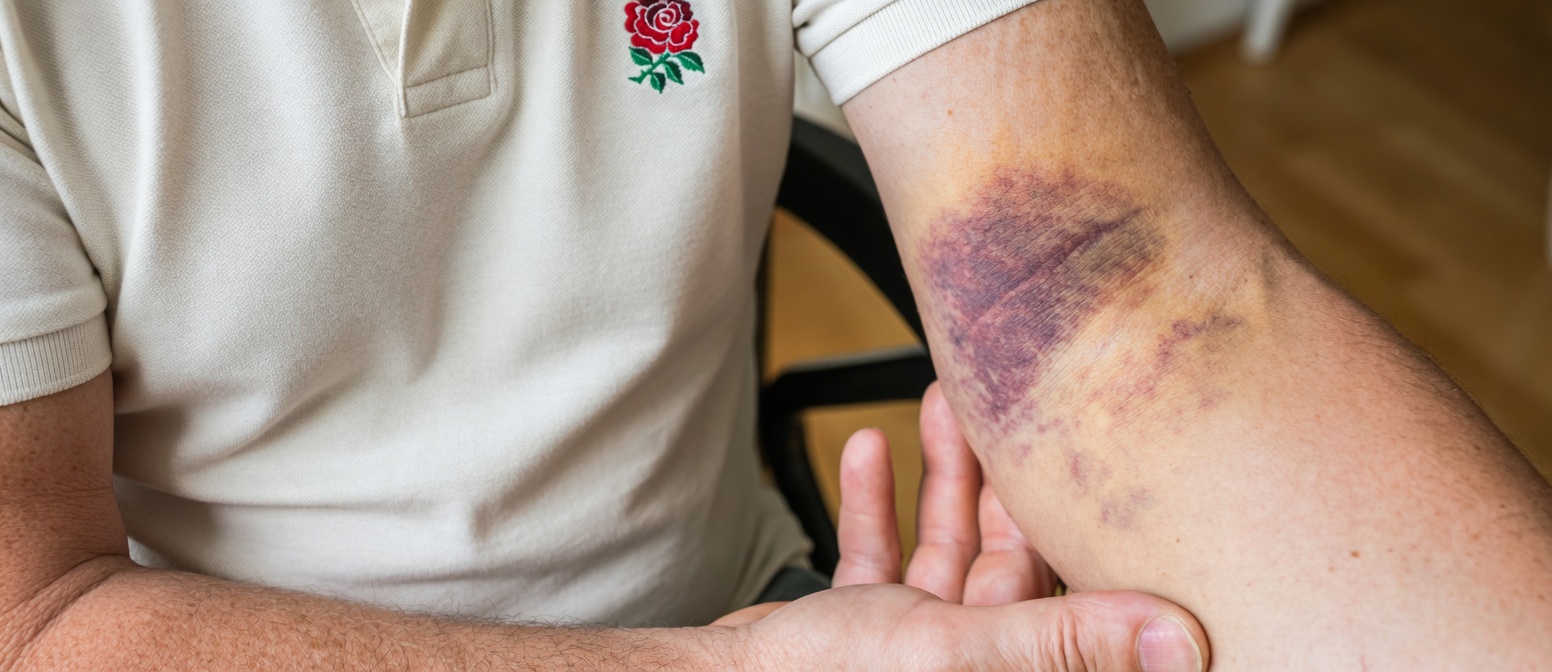
If a minor bump leads to a large purple bruise days later, aging skin may be part of it—but nutrients also influence blood vessel strength and clotting.
Two nutrients often connected to easy bruising are:
- Vitamin C (supports capillary strength)
- Vitamin K (supports normal clotting)
When intake is low, bruising can become more noticeable.
Foods rich in these nutrients include:
- Kale
- Spinach
- Citrus fruits
- Broccoli
Sign 6: Vertical Ridges on Fingernails
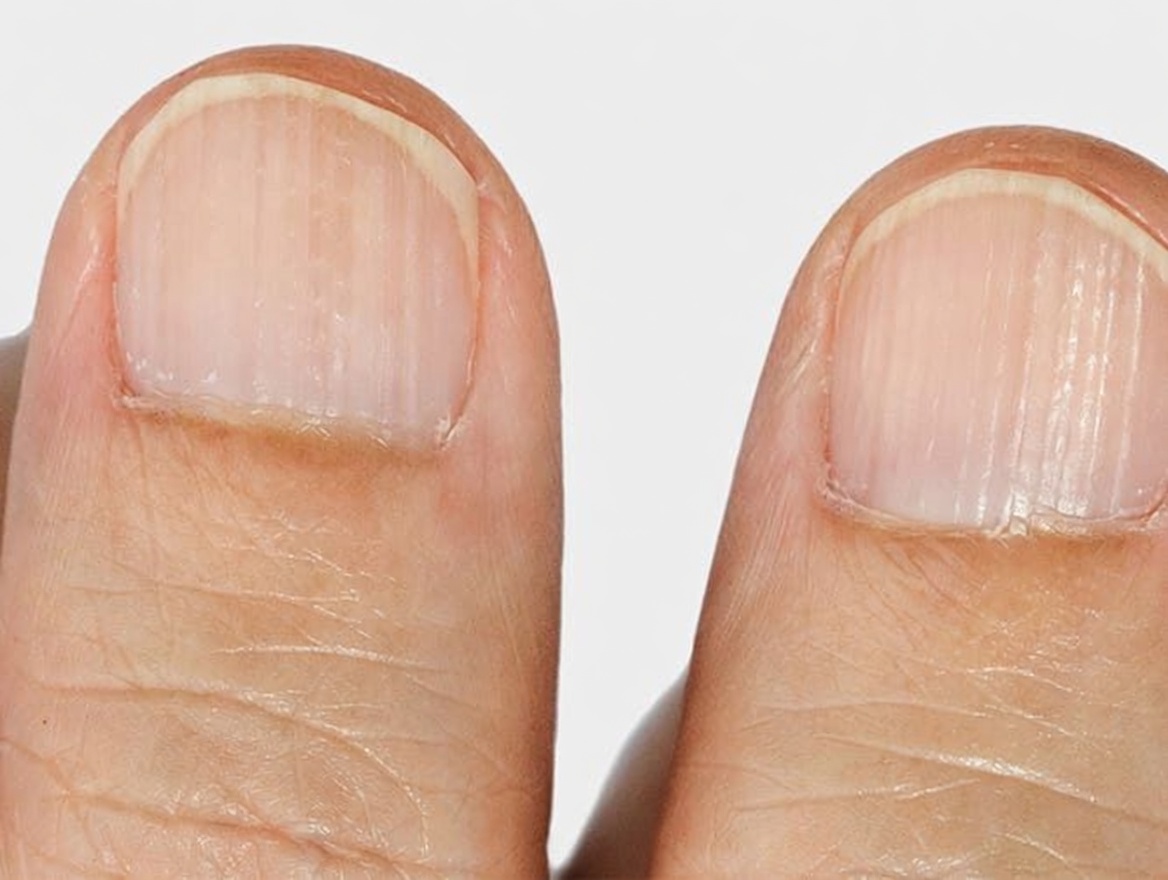
Run a fingertip across your nails. Do you feel vertical lines? Mild ridging can happen with age, but more pronounced ridges or brittle nails may sometimes reflect nutrient imbalance.
Nail health is often linked to nutrients that support keratin production, such as:
- Iron
- Biotin
- Vitamin B12
When intake is insufficient, nails may become:
- More ridged
- More brittle
- More likely to split
Nail-supportive foods include:
- Eggs
- Spinach
- Almonds
- Lentils
Sign 7: Cuts and Wounds That Heal Slowly
A small kitchen cut or gardening scrape typically improves within days. If healing drags on for weeks, the body may be missing key building blocks needed for tissue repair.
Nutrients commonly involved in wound healing include:
- Zinc
- Vitamin C
- Protein
Zinc supports immune response, vitamin C supports collagen formation, and protein provides essential material to rebuild tissue. When these are limited, skin repair may slow.
Foods that support healing include:
- Lean meats and fish
- Beans and lentils
- Pumpkin seeds
- Citrus fruits
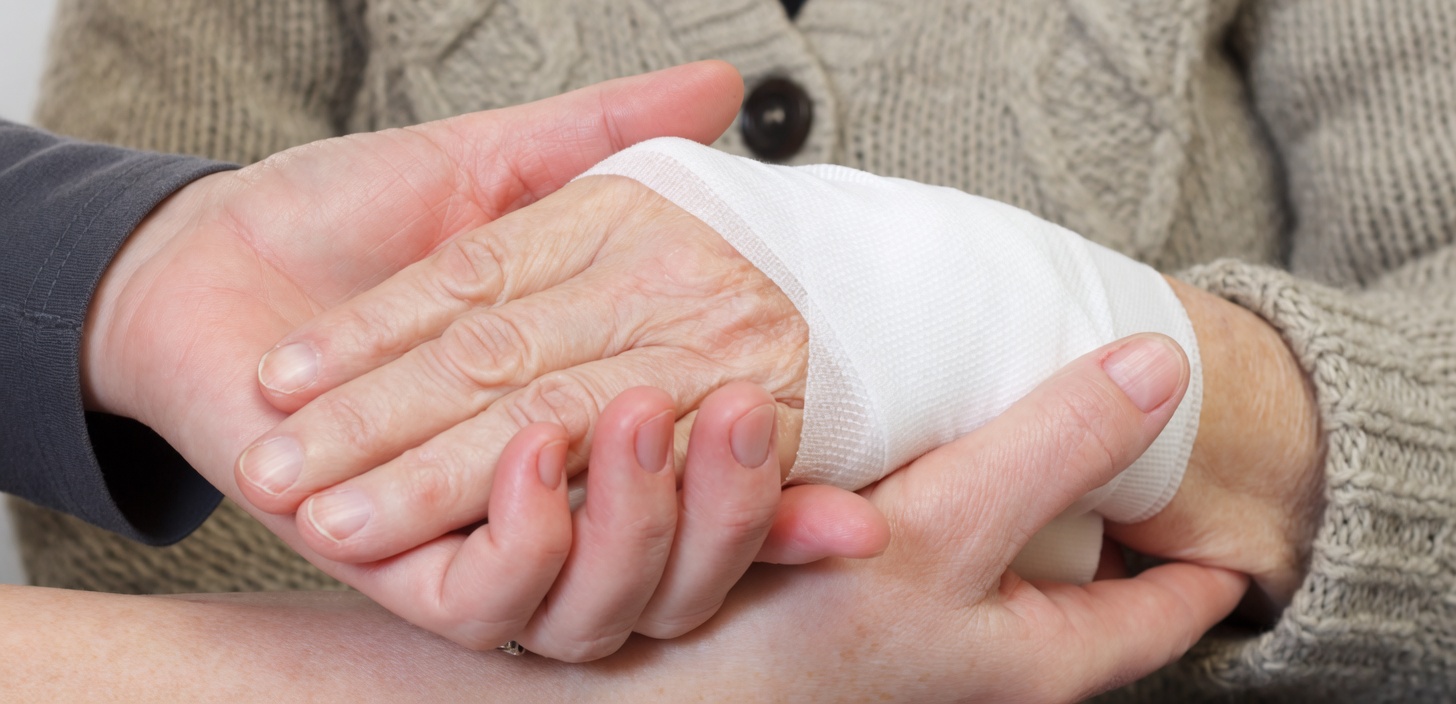
Quick Comparison: Symptoms and Possible Nutrient Links
- Night cramps: magnesium, potassium, calcium
- Example foods: leafy greens, bananas, almonds
- Tingling hands/feet: vitamin B12
- Example foods: eggs, fish, dairy
- Bleeding gums: vitamin C
- Example foods: citrus, peppers, broccoli
- Brain fog: B vitamins, omega-3
- Example foods: whole grains, fish, nuts
- Easy bruising: vitamin C, vitamin K
- Example foods: kale, spinach, citrus
- Nail ridges: iron, biotin, B12
- Example foods: eggs, lentils, almonds
- Slow wound healing: zinc, protein, vitamin C
- Example foods: meat, beans, seeds
Practical Daily Steps Older Adults Can Start Today
Healthcare providers often stress that nutrition works best when it’s simple and consistent. Consider these realistic habits:
- Add one serving of colorful vegetables to both lunch and dinner
- Include a protein source at every meal
- Drink enough water throughout the day
- Spend brief time outdoors for natural sunlight when possible
- Ask during routine visits about blood tests for key vitamin levels
Even modest improvements in daily eating patterns can make a meaningful difference over time.