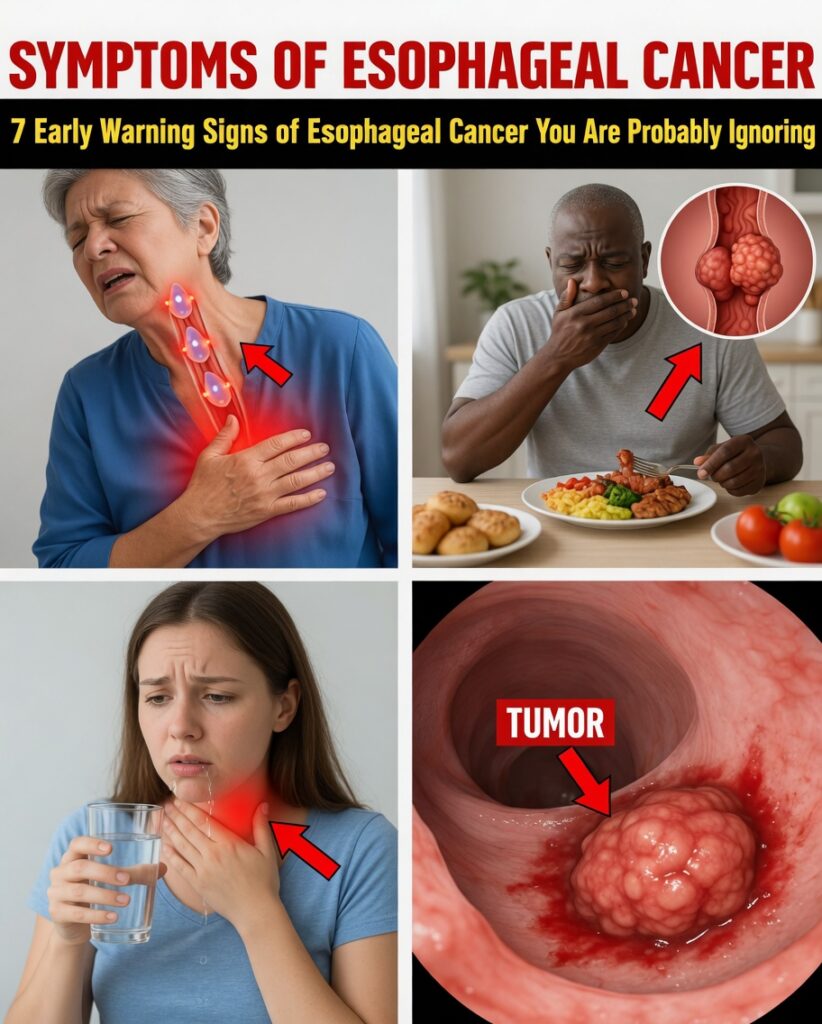
A Subtle Sensation You Shouldn’t Ignore
Picture taking a bite of food and noticing it doesn’t go down smoothly—almost as if it pauses in your throat. You sip water, it passes, and you move on, assuming it’s just a minor annoyance.
But sometimes, small changes are the body’s earliest warning system. Esophageal cancer can develop quietly and often looks like everyday problems such as heartburn, reflux, or “getting older.” According to the American Cancer Society, catching it early can meaningfully improve outcomes. If you’ve had persistent indigestion or other unusual symptoms lately, it may be worth paying closer attention.
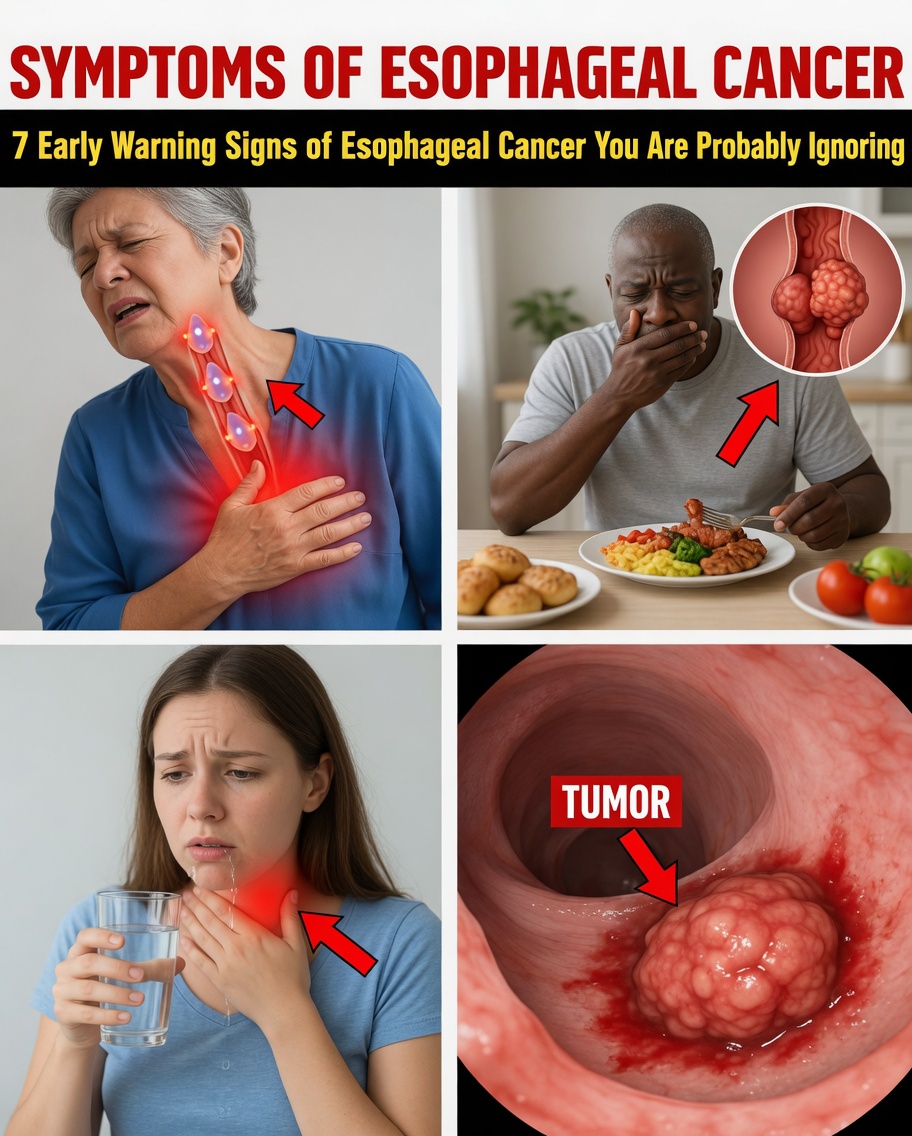
Why Esophageal Cancer Is Often Missed Early
The esophagus is the tube that carries food from your mouth to your stomach—and it usually does its job without you noticing. When cancer begins, it can gradually narrow this passage, creating discomfort that’s easy to dismiss.
Medical evidence suggests many cases are found later because early symptoms overlap with common conditions like GERD (acid reflux) or a hiatal hernia. By the time of diagnosis, unintended weight loss is present in a large share of patients (often reported at around half of cases).
Occasional heartburn doesn’t automatically mean danger. The key concern is persistent, worsening, or pattern-based symptoms—especially when several appear together.
The 7 Warning Signs Many People Overlook
Below are seven commonly reported symptoms referenced by trusted sources such as the Mayo Clinic and the American Cancer Society. These signs often blend into everyday life, which is why they’re so frequently ignored.
7) Ongoing Indigestion or Frequent Heartburn
You finish a meal and feel burning in your chest. An antacid helps, so you forget about it.
However, long-standing acid reflux can irritate and damage the esophageal lining over time. Many people write it off as “normal” after spicy or heavy food, but heartburn that persists or becomes routine deserves medical attention—especially if it’s new or worsening.
6) Hoarseness or a Chronic Cough That Won’t Quit
A raspy voice may appear without any clear reason, or a dry cough can linger for weeks.
A tumor can irritate nearby structures, affect nerves, or contribute to aspiration (when small amounts of food or liquid enter the airway). Some people notice a nagging cough that’s worse at night. It’s easy to blame allergies or a minor infection—but ongoing hoarseness or cough shouldn’t be dismissed.
5) Chest Pain or Pressure, Especially After Eating
Some people feel a dull ache, tightness, or burning behind the breastbone that flares after meals. It can resemble heart-related symptoms, anxiety, or “gas.”
As growth affects surrounding tissue, discomfort can increase. While chest pain has many causes, experts note this symptom is often non-cardiac in esophageal disease—yet still important to evaluate.

4) Food Feeling Like It’s Stuck
You swallow solid food and feel it hesitate, as though it’s lodged somewhere behind your breastbone.
This can happen when the esophagus begins to narrow. Many people unconsciously adapt by eating slower, chewing more, or avoiding certain foods—without realizing the pattern may be a sign of early dysphagia.
3) Pain When Swallowing
Instead of just “sticking,” swallowing becomes painful. The pain can be sharp and may radiate to the chest or back.
This symptom—called odynophagia—can indicate inflammation or obstruction. Dry foods often make it worse. Because it can resemble a sore throat or irritation, it’s often minimized, even though it can be a significant warning sign.
2) Unintended Weight Loss
Clothes feel looser, appetite fades, and the scale drops without any intentional effort.
This may result from eating less due to swallowing discomfort, combined with the body’s increased metabolic demands during illness. Significant unplanned weight loss is commonly reported at diagnosis and becomes more concerning when paired with other symptoms.
1) Gradually Worsening Trouble Swallowing
This is often the most common symptom—yet many people delay reporting it.
Difficulty swallowing typically begins with solid foods, then progresses to softer foods, and may eventually affect liquids. Because it happens slowly, people “adjust” for a long time before seeking evaluation, which is exactly why it can be missed.
Why These Symptoms Are So Often Confused
Many warning signs overlap with everyday conditions, which delays care.
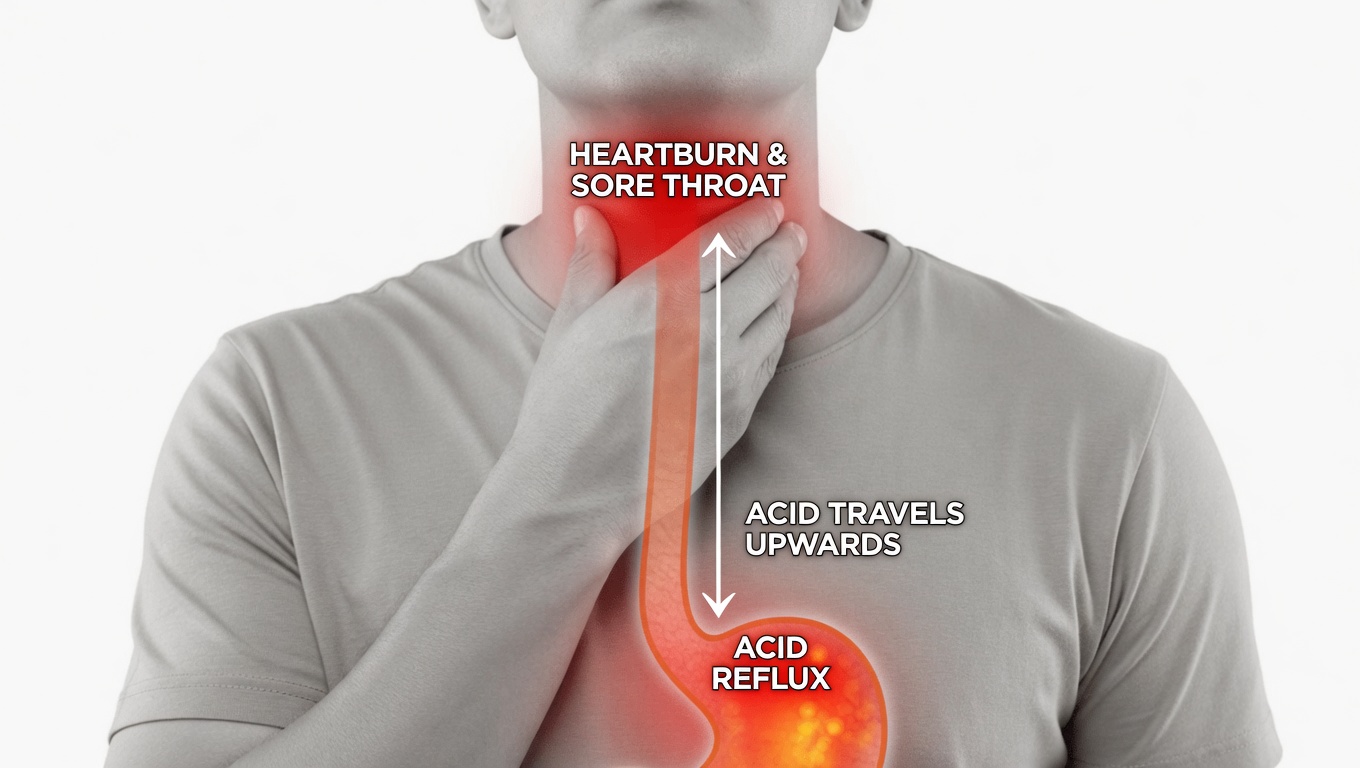
- Chronic heartburn or indigestion can look like GERD or diet-related discomfort.
- Difficulty or pain swallowing is often blamed on aging, stress, or “eating too fast.”
- Chest discomfort and weight loss may be attributed to anxiety, stress, or routine heartburn.
- Hoarseness or cough is commonly mistaken for allergies or a lingering cold.
What matters most is not one symptom in isolation, but persistent changes, worsening patterns, or multiple symptoms at once.
Real-Life Examples: When Paying Attention Helped
Many people only recognize the seriousness in hindsight.
- One older adult ignored heartburn for years and only sought help when swallowing became painful. Testing uncovered early-stage disease, treatment went well, and recovery was strong—leading them to encourage others to speak up sooner.
- Another person developed persistent hoarseness along with weight loss. A chronic cough led to evaluation, and the cancer was found while still localized. They later entered remission.
These stories aren’t meant to scare—they highlight how early attention can change the timeline.
Practical Steps to Take If These Signs Sound Familiar
There’s no need to panic, but it’s wise to be proactive. If symptoms resonate with you:
- Track what you feel and when it happens (duration, triggers, and frequency).
- Talk with a healthcare professional, especially if you are over 50 or have a long history of reflux.
- Share important risk factors such as smoking, heavy alcohol use, or relevant family history.
- Note changes in eating patterns (avoiding solids, needing extra water, slower meals).
A simple self-check can help guide next steps:
- Symptoms lasting longer than two weeks: document meals and symptoms.
- More than one warning sign: avoid relying only on self-treatment.
- Swallowing that’s getting worse: ask whether a referral or further evaluation is appropriate.
Lesser-Known Ways to Support Esophageal Health
In addition to recognizing symptoms, daily habits can support esophageal health—especially for people managing reflux.
Evidence suggests reflux control may help reduce irritation over time. Consider:
- Eat smaller meals and avoid heavy late-night eating.
- Don’t lie down immediately after meals.
- Stop smoking if applicable.
- Maintain a healthy weight to reduce pressure that can worsen reflux.
- Stay hydrated and limit alcohol.
These steps aren’t guarantees, but they can contribute positively—particularly for those with chronic reflux.
Conclusion
It’s easy to brush off small discomforts as “normal.” Yet the seven signs above—especially when persistent or progressive—can be meaningful.
Awareness is not alarmism. Recognizing patterns early and discussing them with a professional can lead to earlier action and better outcomes. If this information could help someone you care about, consider sharing it—it may start an important conversation.
P.S. A commonly overlooked point: improving reflux management through lifestyle habits may help reduce long-term irritation and support esophageal health.
FAQ
What causes esophageal cancer?
Common risk factors include long-term acid reflux, smoking, heavy alcohol use, and certain dietary patterns. The American Cancer Society links these factors to higher risk, though not everyone with these risks will develop cancer.
How is esophageal cancer detected?
Doctors may evaluate symptoms using tools such as endoscopy, imaging tests, and biopsy when needed. The first step is often discussing persistent symptoms with a healthcare provider to determine appropriate testing.
Can lifestyle changes prevent esophageal cancer?
Lifestyle changes cannot guarantee prevention, but habits like quitting smoking, maintaining a healthy weight, eating balanced meals, and managing reflux may support overall health and reduce irritation associated with chronic reflux.
Disclaimer: This article is for informational purposes only and does not replace professional medical advice. Always consult a qualified healthcare provider for personalized guidance.