Have you ever taken off your shoes after a long day and noticed a strange tingling in your toes that doesn’t fully fade? Or maybe your feet occasionally feel numb, making something as simple as walking barefoot feel “not quite right.” These subtle shifts can creep in slowly, blend into everyday routines, and leave you questioning whether it’s just tiredness—or a deeper issue.
In many cases, these quiet changes may hint at early nerve-related concerns in the feet. This is more common than most people realize, and it’s often associated with aging or underlying health conditions. The good news: learning to recognize the pattern can help you take small, practical steps toward better foot awareness—plus there’s an often-overlooked tip near the end that many people miss.
Why Nerve Issues Often Start in the Toes
Your foot nerves constantly send information to the brain about touch, temperature, and body position. When this communication pathway is disrupted, symptoms frequently begin in the toes—partly because the nerves that reach them are among the longest in the body.
At first, it’s easy to dismiss these sensations as “just sore feet” from standing or walking. Over time, however, changes in sensation can influence how you move, balance, and feel day to day.
Health organizations report that peripheral nerve problems affect more than 20 million people in the United States. They’re widespread, yet they often start quietly and go unrecognized in early stages.
Why These Sensations Get Overlooked After Age 50
As we age, the body goes through gradual changes that can make mild discomfort feel “normal.” A busy lifestyle, everyday aches, and years of wear-and-tear can disguise early warning signs.
A light pins-and-needles sensation might be blamed on:
- Tight shoes
- Sitting too long
- Minor circulation changes
- Overuse or fatigue
And sometimes those explanations are correct. But when the feeling keeps returning or lingers without a clear cause, it’s worth paying closer attention. Research suggests nerve function can shift with age, making early awareness especially useful.
Think of your toes as an early-alert system. Noticing patterns sooner can open the door to simple adjustments that support comfort and safety.
How Toe Nerves May Signal That Something Is Off
Nerve-related changes typically don’t appear overnight. They often start with sensations that come and go—like a faint buzzing, unusual warmth, or altered sensitivity.
Medical research links these experiences to the way nerves transmit signals. The key is not to panic, but to observe consistency, frequency, and progression.

8 Subtle Signs That May Point to Nerve Concerns in the Toes
8. Tingling or “Pins-and-Needles”
You may notice a fizzing, static-like feeling in your toes—similar to the sensation after standing up when a limb “falls asleep.” In medical terms, this is often described as paresthesia.
It may disappear quickly at first. If it starts showing up repeatedly (for example, mostly in the evening), it’s a sign to track.
7. Numbness That Makes Toes Feel “Far Away”
Your toes may feel less responsive, almost as if there’s a thin layer between your skin and the world—like cotton padding.
Reduced sensation often begins in extremities. You might not feel:
- Sock seams
- Small pebbles underfoot
- Minor pressure when stepping
6. Burning Feelings, Especially at Night
You may lie in bed with cool sheets, yet your toes feel as though they’re heating from within. Studies associate burning sensations with certain nerve fiber disruptions, and it can interfere with sleep quality.
5. Unusual Cold Sensation (Even When It’s Warm)
Some people experience the opposite: toes that feel cold despite a warm room. Research describes this as altered temperature perception—when nerves misinterpret hot/cold cues.
4. Sharp, Jabbing “Electric” Pains
Sudden zaps or stabbing pains can occur while walking or even resting. Neuropathy observations often link this to nerve irritability, and it may intensify in the evening or with movement.
3. Increased Sensitivity to Light Touch
A gentle brush from socks or bedsheets may suddenly feel irritating or painful. This phenomenon is often called allodynia, where normal touch becomes uncomfortable.
2. Balance Changes or Unsteady Walking
If nerves provide less feedback about where your feet are, you may feel wobbly—especially in low light or on uneven ground. Balance research ties this to reduced sensory input from the feet, which can affect stability.
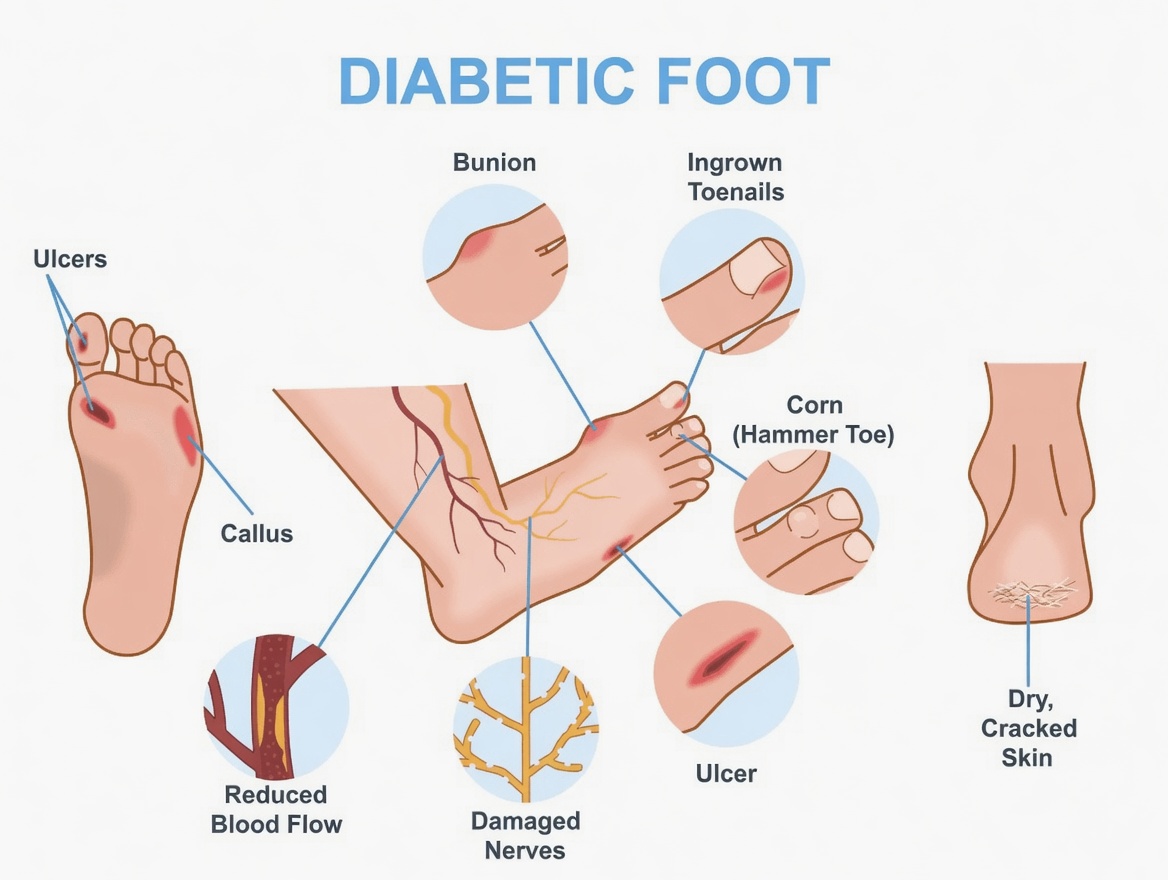
1. Skin, Nail, or Healing Changes
You might notice:
- Drier skin
- More brittle nails
- Small cuts that take longer to heal
General health insights link this to autonomic nerve involvement, which can affect moisture regulation and repair processes. When this appears alongside other symptoms, it can be a meaningful clue.
Nerve-Related Signs vs. Typical Foot Fatigue: How to Tell the Difference
Here’s a simple comparison based on common observations:
-
Duration
- Potential nerve signs: persistent, recurring, or gradually worsening
- Typical fatigue/aging: improves with rest or changes in activity
-
Pattern
- Potential nerve signs: often starts in toes and may move upward
- Typical fatigue/aging: more evenly spread and linked to overuse
-
Type of sensation
- Potential nerve signs: burning, tingling, unexplained numbness
- Typical fatigue/aging: soreness or ache after activity
-
Impact on daily life
- Potential nerve signs: may affect balance and routine movement
- Typical fatigue/aging: uncomfortable but not progressive
These distinctions aren’t perfect, but they can help you reflect on what you’re experiencing.
Real-Life Examples: When People Started Noticing Patterns
Susan, in her mid-60s, brushed off toe tingles as “just getting older.” Over time, numbness made stairs feel less secure, and she found herself avoiding activities with her grandchildren. After recognizing the pattern, she spoke with her doctor and adopted more foot-supportive habits—eventually returning to regular walks.
David, 71, blamed nighttime burning on uncomfortable footwear. Then balance issues showed up on hikes, and confidence dropped. Once he connected the repeated symptoms, he made practical lifestyle adjustments and felt steadier on trails again.
These stories highlight an important point: awareness can lead to helpful action.
Common Questions About Odd Toe Sensations
It’s normal to wonder whether occasional tingling is meaningful. Temporary sensations can happen from sitting awkwardly or crossing legs, and they usually resolve quickly.
However, if sensations repeat frequently or appear alongside risk factors such as diabetes, it’s smart to monitor them. Research supports the value of early attention, especially when symptoms persist or progress.
Simple Ways to Monitor and Support Foot Health
If you recognize any of the signs above, start with observation and small habits:
-
Track patterns
- Note timing (evening, after meals, during exercise)
- Use a simple phone note or journal
-
Check your feet regularly
- Look for skin dryness, cracks, color changes, nail issues, or slow-healing spots
- Good lighting makes subtle changes easier to spot
-
Add gentle movement
- Try toe stretches and light walking on comfortable surfaces
- Avoid extreme hot/cold exposure if your temperature sensing feels off
-
Know when to seek medical advice
- If symptoms last for weeks, worsen, affect balance, reduce safety, or appear alongside other health changes, speak with a healthcare professional
Small, consistent habits can make a meaningful difference—especially when you treat your toes as valuable signals rather than background noise.