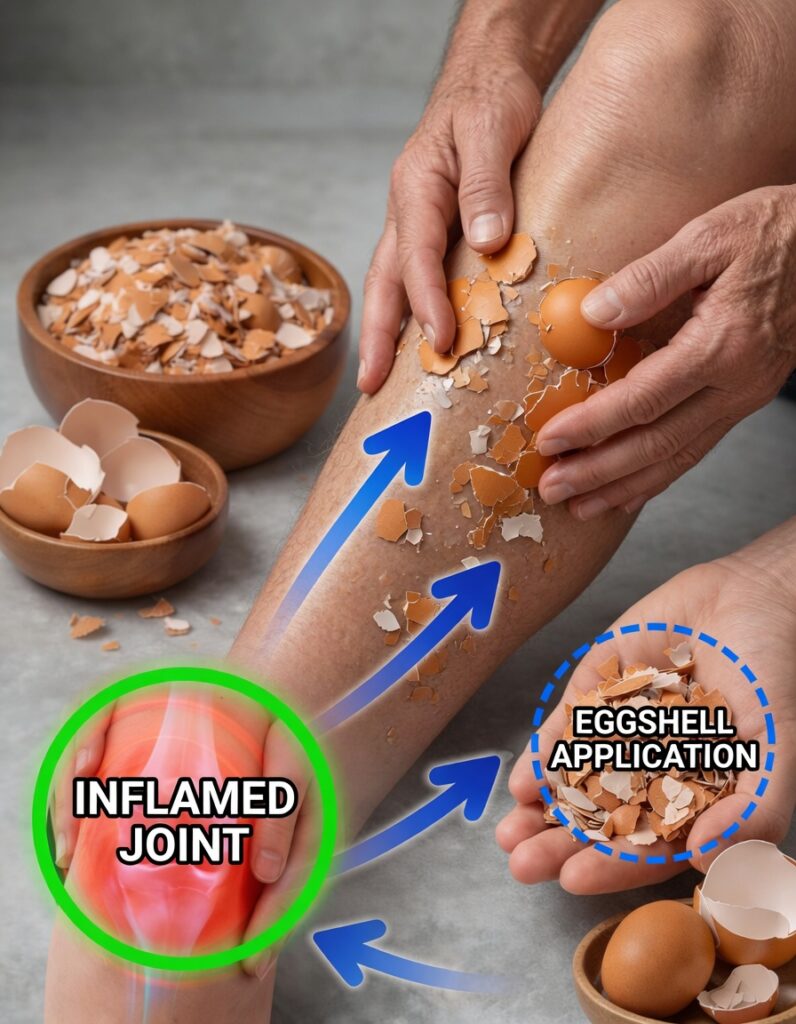
Don’t Toss Eggshells: A Free Resource Hiding in Plain Sight
Most of us crack eggs for breakfast, lunch, or baking—and the shells go straight into the bin. That simple habit throws away a surprisingly useful material loaded with calcium and trace minerals. With a little prep, eggshells can support bone and joint wellness, contribute to healthier-looking hair and skin, and even help your garden and houseplants perform better.
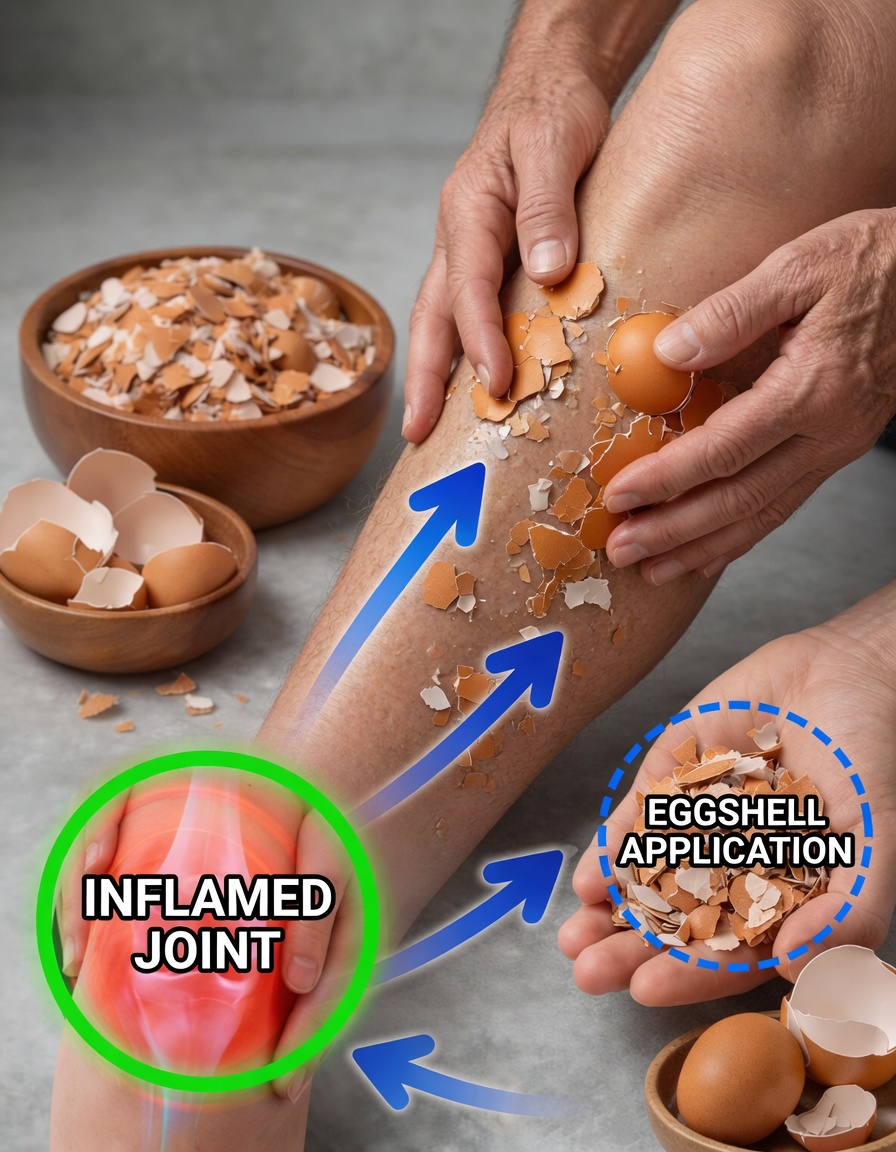
Below are 12 practical, low-cost ways to reuse eggshells—at home, in your routine, and outdoors—without complicated tools or expensive products.
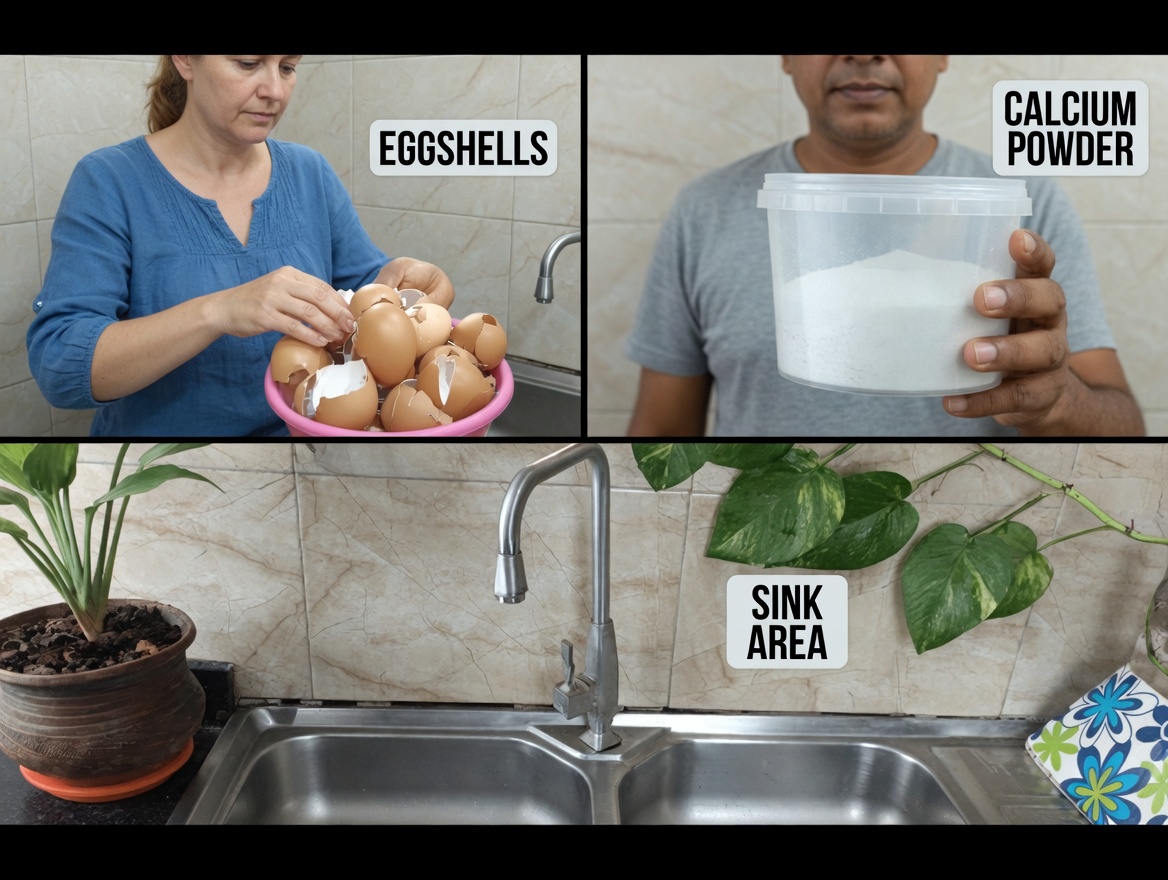
1) Make Eggshell Powder for a Natural Calcium Boost
If you deal with weak nails, occasional joint stiffness, or you’re simply looking for a food-based calcium option, eggshells are worth considering. Eggshell calcium is widely discussed for its potential bioavailability, and many people find it gentler than some supplements.
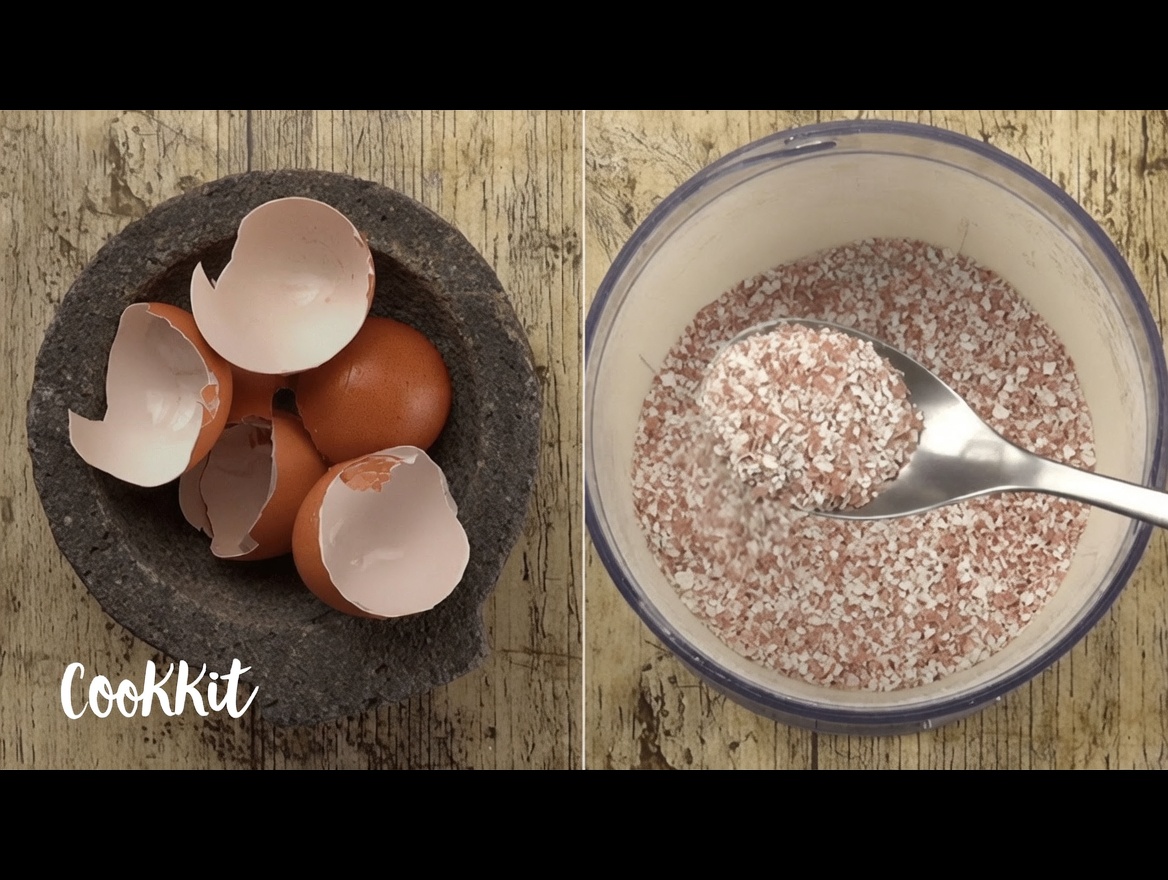
How to prepare eggshell powder
- Rinse 10–12 eggshells thoroughly.
- Boil for 10 minutes to sanitize and remove residue.
- Bake at 200°F (about 95°C) until completely dry.
- Grind into a very fine powder (blender, coffee grinder, or mortar and pestle).
How to use
- Start small: ½ teaspoon mixed into yogurt, smoothies, or soft foods.
Tip: Consistency matters—many people notice changes in nail strength after several weeks of regular use.
2) Strengthen Garden Soil With Crushed Eggshells
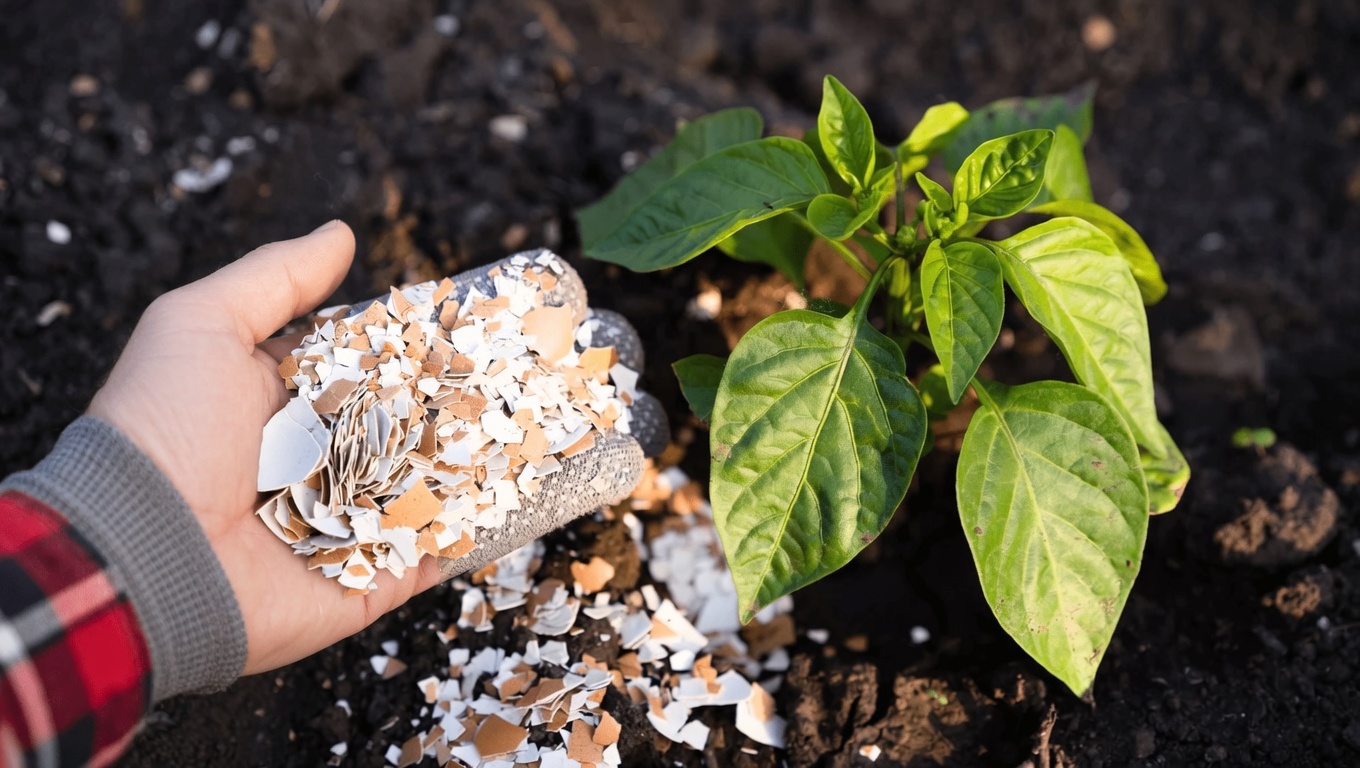
If your vegetables struggle or your soil seems “tired,” crushed shells can act as a slow-release mineral amendment—especially helpful for adding calcium over time.
Best uses
- Mix dried, crushed shells into garden beds
- Add to compost so they break down gradually
Gardeners often use eggshells to support stronger stems and improve overall plant resilience.
3) Help Prevent Blossom End Rot in Tomatoes and Peppers
Blossom end rot (that dark, sunken spot on tomatoes or peppers) is commonly associated with calcium-related issues and inconsistent watering. Eggshells offer a kitchen-scrap way to increase calcium availability in the soil.
How to apply
- Work crushed shells into the planting area before transplanting
- Keep watering consistent to support calcium uptake
4) Create a Simple Slug and Snail Deterrent
Waking up to chewed leaves can ruin your motivation fast. Coarsely crushed shells form a sharp, uncomfortable barrier that slugs and snails prefer to avoid.
How to use
- Sprinkle a thin ring around vulnerable plants (seedlings, hostas, lettuce)
- Reapply after heavy rain or watering
As the shells break down, they also contribute minerals to the soil—two benefits in one.
5) Start Seeds in Eggshell “Mini Pots”
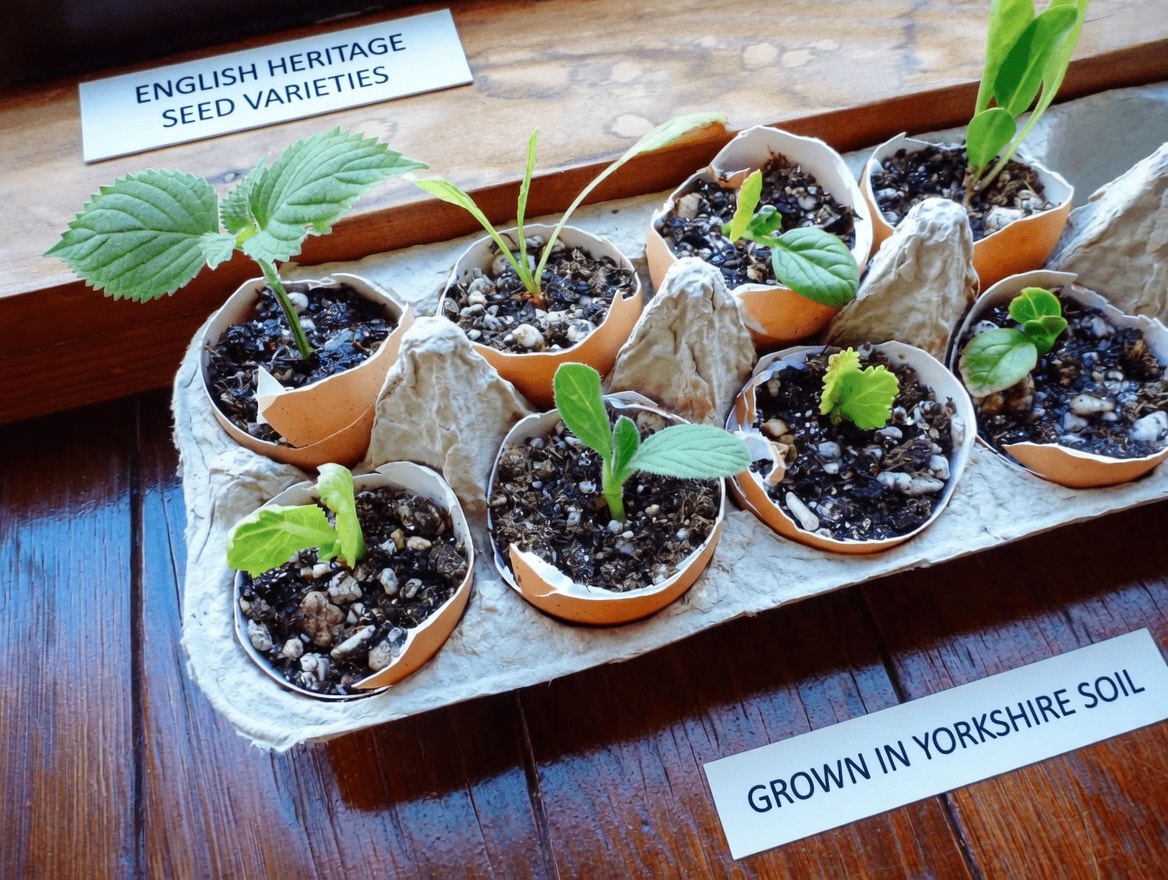
Seedlings that flop over or struggle in plastic trays are a common frustration. Eggshell halves can serve as biodegradable starter cups that provide a gentle mineral boost early on.
Steps
- Save the bottom half of the shell when cracking eggs.
- Add potting mix and plant seeds.
- When transplanting, lightly crush the shell and plant it directly in the ground.
This method reduces waste and saves money on starter containers.
6) Add Eggshells to Compost to Improve Balance
Compost can become overly acidic depending on what you add (like citrus peels or coffee grounds). Eggshells are often used in compost to help maintain a healthier balance while adding minerals.
How to do it
- Dry shells first so they don’t smell
- Crush them to speed breakdown
- Mix throughout the pile rather than leaving them on top
7) Make a Gentle DIY Facial Exfoliator (With Finely Ground Shells)
Uneven texture and dullness can make skin look tired, even with makeup. When ground to a fine powder, eggshells can work as a mild physical exfoliant for occasional use.
Simple scrub idea
- Mix a small pinch of ultra-fine eggshell powder with cleanser or a little honey
- Massage lightly in circles
- Rinse well and moisturize
Go gently—over-scrubbing can irritate skin, especially if the grains aren’t fine enough.
8) Scrub Pots and Pans Without Harsh Chemicals
Burnt-on residue can turn cleanup into the worst part of cooking. Coarsely crushed eggshells act like an eco-friendly scouring powder that helps lift grime without relying on strong chemical cleaners.
How to use
- Sprinkle crushed shells onto a damp sponge
- Add a little dish soap for extra degreasing power
- Scrub and rinse thoroughly
This is a practical zero-waste swap that many people find surprisingly effective.
9) Support Hair and Nail Health From the Inside (Using Eggshell Powder)
Brittle nails and thinning hair can point to nutrition gaps. Eggshell powder contains calcium and trace minerals that some people incorporate into food for a gentle, routine-based approach.
Easy ways to include it
- Blend ½ teaspoon into smoothies
- Stir into yogurt or oatmeal
- Add to baked goods (in small amounts)
Pairing a nutrient-dense diet (including protein and biotin-rich foods) can further support keratin-related strength.
10) Use Eggshell Powder for a Budget-Friendly Tooth Polish (Occasional)
If you’re bothered by surface stains, eggshell powder is sometimes used for its gentle abrasive effect. Minerals may also support the idea of remineralization over time, though results vary.
How to try it safely
- Mix a tiny amount into your regular toothpaste once a week
- Brush gently—avoid aggressive scrubbing
If you have enamel concerns or sensitivity, check with a dental professional before using any abrasive method.
11) Refresh Houseplants With Slow-Release Minerals
Indoor plants can look droopy or develop yellowing leaves even when watering is consistent. Mixing crushed eggshells into the top layer of soil can provide a slow, steady mineral source.
How to apply
- Crush shells and work a small amount into the soil surface
- Water as usual so minerals seep downward over time
Many plant owners notice sturdier growth and deeper green foliage with consistent care.
12) Offer Backyard Birds a Calcium-Rich Supplement (Optional, With Care)
During egg-laying seasons, birds need extra calcium. Some bird lovers add sterilized, crushed eggshells to feeders as a supplement.
Important safety steps
- Boil shells first (or bake until fully dry) to sanitize
- Crush very finely so they don’t resemble intact shell pieces
- Serve in a separate dish, not mixed into seed if you prefer control
This is an easy way to reuse shells while supporting local wildlife responsibly.
Quick Comparison: Eggshells vs. Common Store-Bought Options
| Option | Typical Cost | Potential Absorption/Effect | Eco-Friendly | Convenience |
|---|---|---|---|---|
| Eggshells (reused at home) | Free | Often well-tolerated when prepared properly | Yes | Simple once you build the habit |
| Calcium supplements | $10–30/month | Varies by product and person | Usually no | Very convenient |
| Commercial fertilizers | $15+ per bag | Fast results, depends on formula | Mixed | Can be messy |
| Chemical cleaners | $5–10 | Quick but can be harsh | No | Convenient |
Final Takeaway
Eggshells aren’t just kitchen waste—they’re a versatile, mineral-rich material you can reuse in health routines, cleaning, composting, gardening, and plant care. With a little rinsing, drying, and crushing, something you used to throw away can become one of the most practical “free upgrades” in your daily life.