Subtle Heart Attack Symptoms After 60: 7 Warning Signs Many People Miss
Feeling unusually exhausted after basic chores or noticing a vague, lingering discomfort you chalk up to “just getting older” is common after 60. The problem is that these can also be subtle heart attack symptoms after 60—and they’re often dismissed as normal aging, stress, or minor digestive issues.
The good news: when you understand the most common heart attack symptoms after 60, you’re far more likely to recognize trouble early and get help fast—often improving outcomes.
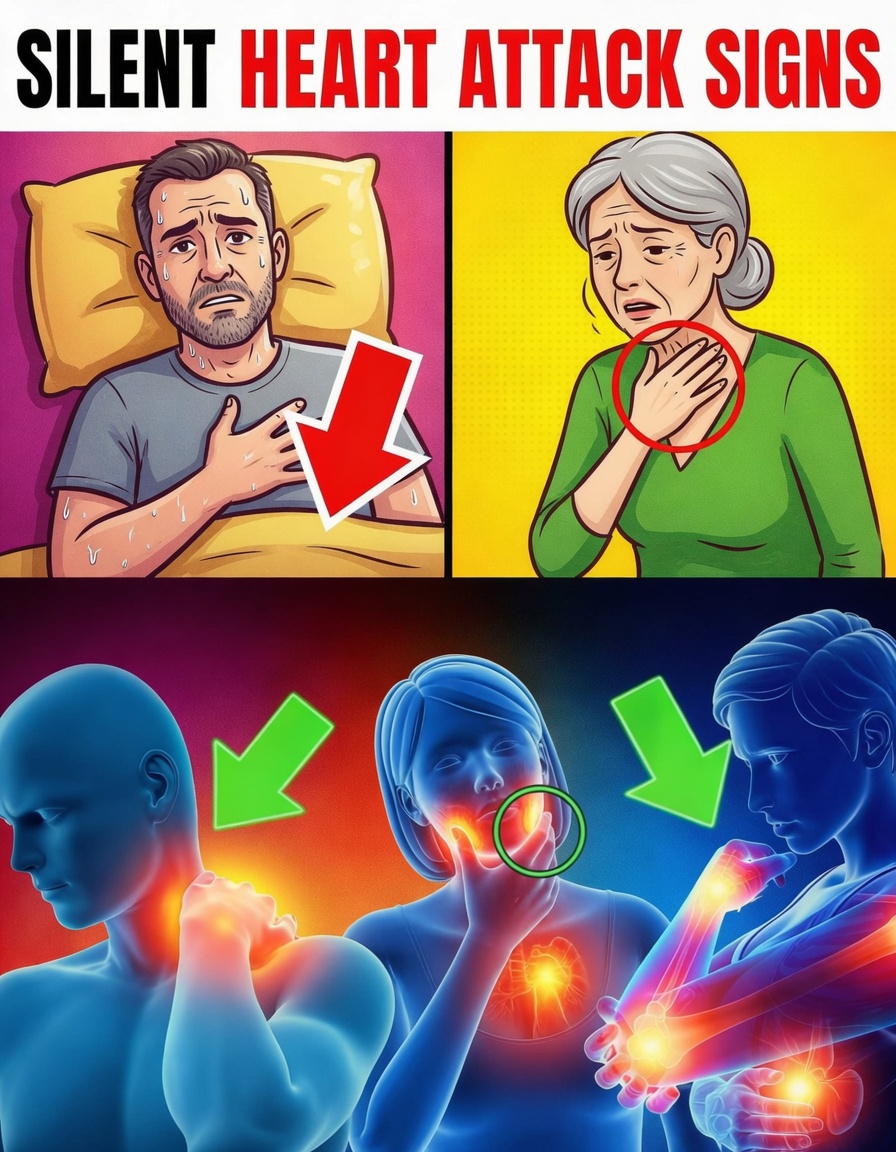
Medical sources such as the American Heart Association and Mayo Clinic note that heart attacks in older adults frequently look different from the “textbook” version. Symptoms may be milder, atypical, or show up in unexpected parts of the body. That’s why learning the patterns is so important.
Why Heart Attack Symptoms After 60 Can Look Different
As the body ages, heart-related distress may not trigger the intense, crushing chest pain many people expect. Several factors can blunt or complicate symptom signals, including:
- Reduced pain sensitivity
- Diabetes, which can affect nerve function and pain perception
- Other chronic conditions that overlap with cardiac symptoms (lung disease, reflux, arthritis)
- Medication effects that can mask warning signs

Because of this, many adults over 60 delay care, assuming they’re dealing with ordinary fatigue, indigestion, or aches. Awareness changes that—because you’re more likely to treat unusual symptoms as actionable, not “normal.”
The 7 Most Overlooked Heart Attack Symptoms After 60 (Countdown)
7. Sudden, Extreme Fatigue
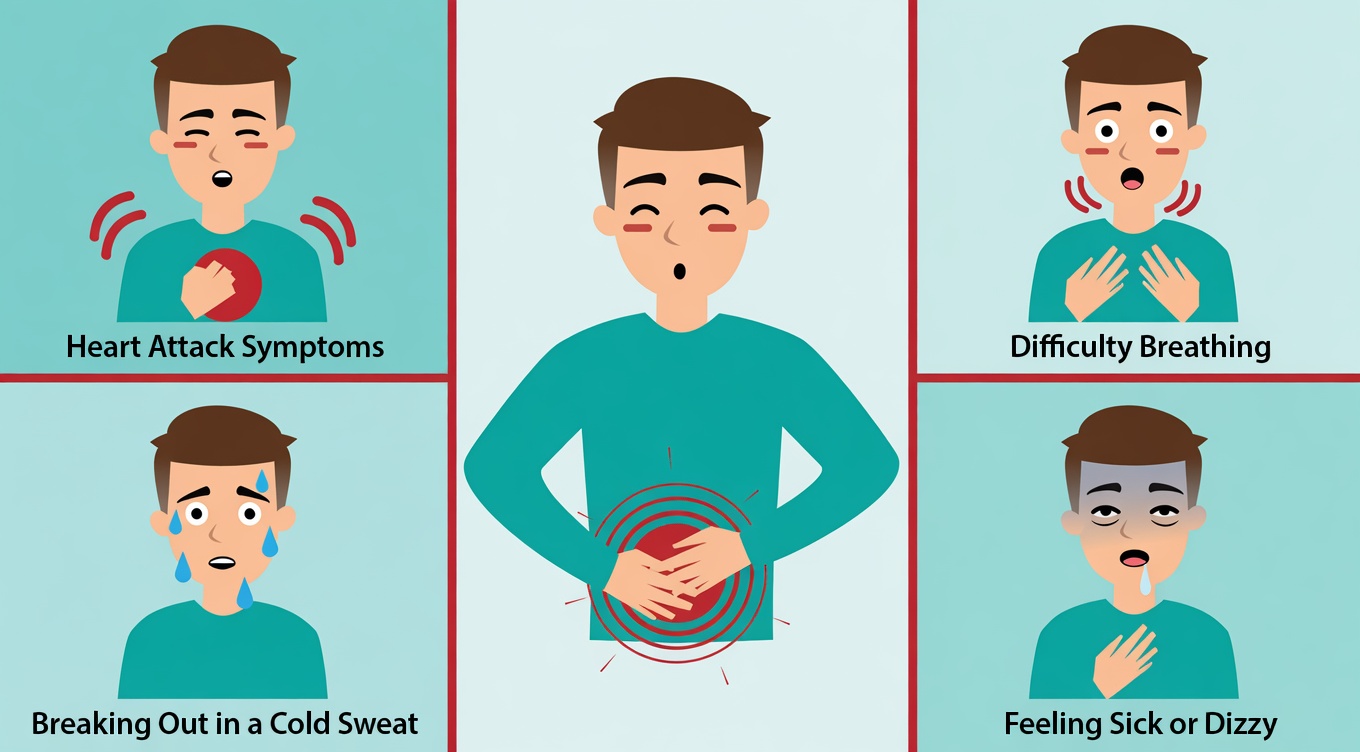
A wave of overwhelming tiredness that appears abruptly—especially when it’s out of proportion to what you’re doing—can be a key heart attack symptom after 60. You may feel drained by routine tasks and not bounce back with rest.

Many people assume it’s poor sleep or aging, but sudden, profound fatigue can indicate the heart is struggling to meet the body’s demands.
6. Shortness of Breath With Little or No Effort
Feeling winded while sitting, talking, or doing minimal movement is one of the most common heart attack symptoms after 60. It can occur with or without chest discomfort.

This may be related to fluid buildup in the lungs or the heart’s reduced ability to pump effectively. It’s frequently misread as “being out of shape,” which can dangerously delay urgent care.
5. Nausea or Indigestion-Like Discomfort
Heart-related symptoms can feel like stomach trouble—nausea, heartburn, bloating, or an upset stomach—and this pattern is reported more often in older adults, particularly women.

It’s easy to blame on food or reflux. But when indigestion-like discomfort is unusual for you, persistent, or paired with other symptoms, it should not be ignored.
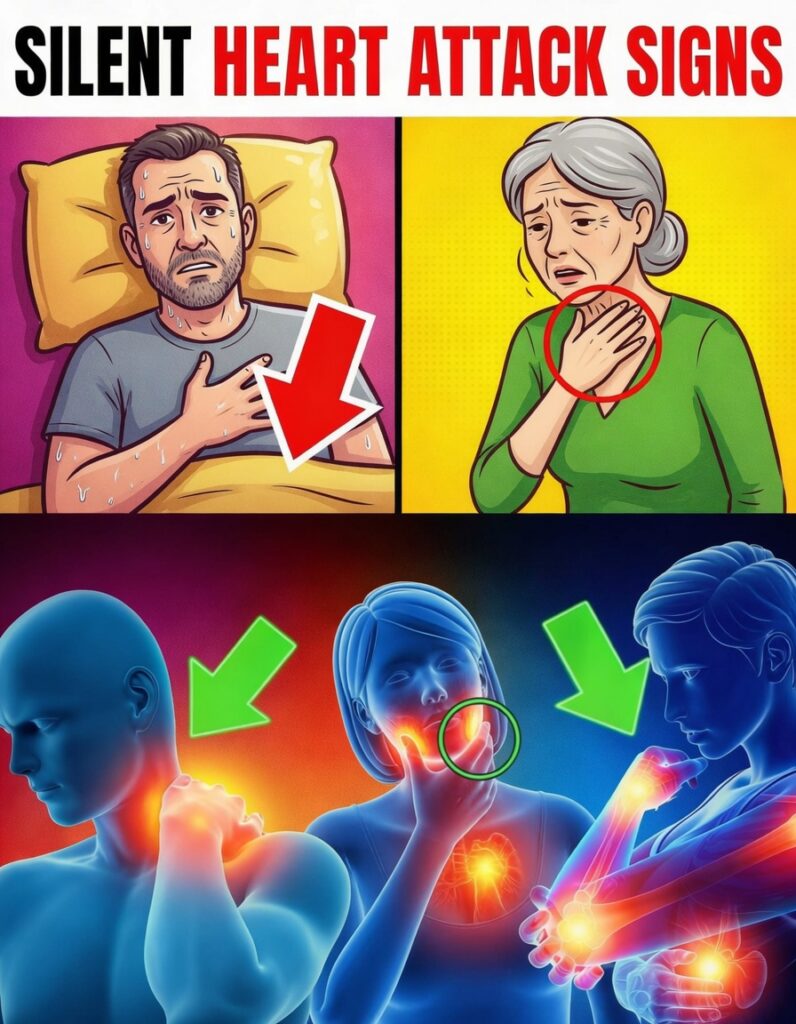
4. Pain in the Jaw, Neck, Back, or Shoulders
Instead of obvious chest pain, some people over 60 feel discomfort that radiates to the:
- Jaw
- Neck
- Upper back
- Shoulders
This can resemble arthritis, muscle strain, or a flare-up of an old injury. If the pain is new, unexplained, or combined with fatigue or breathlessness, consider it a potential cardiac warning sign.
3. Sudden Dizziness or Confusion
A sudden episode of lightheadedness, mental fog, or confusion may signal reduced blood flow—another important heart attack symptom after 60.
People often attribute this to dehydration, blood sugar changes, or medication side effects. If it comes on abruptly or feels “not like you,” treat it as urgent—especially with additional symptoms.
2. Cold Sweats or a Clammy Feeling
Breaking into an unexplained cold sweat—especially with a sense of weakness, nausea, or impending doom—can be heart-related. Because it may resemble anxiety, hot flashes, or stress, it’s often brushed aside.
If sweating is sudden, unusual, and unrelated to heat or exertion, it deserves immediate attention.
1. No Clear Symptoms (Silent Heart Attack)
The most concerning possibility is the absence of obvious warning signs. Silent heart attacks can occur in older adults and may only be discovered later during routine testing—despite real heart damage.
This is one reason regular checkups and risk-factor management matter so much after 60.

How Heart Attack Symptoms After 60 Commonly Differ From Classic Signs
Understanding the differences can help you recognize risk sooner:
- Chest pain may be mild or absent, not severe and crushing
- Shortness of breath may be the main symptom, not an add-on
- Fatigue can be sudden and profound, not just “after exertion”
- Nausea/indigestion-like discomfort is more common, especially in women
- Pain may appear in the jaw, neck, back, or shoulders, not the center of the chest
- Dizziness or confusion may be more noticeable
- Silent heart attacks occur more often than many people realize
What to Do If You Notice Possible Heart Attack Symptoms After 60
If you suspect symptoms could be heart-related, act quickly:
- Stop what you’re doing and rest.
- Call emergency services immediately (do not drive yourself).
- Chew aspirin only if your doctor has advised it and you are not allergic.
- Track what you feel and when it began to tell responders.
- Stay as calm as possible while waiting for help.
For prevention, review your personal risk factors (blood pressure, cholesterol, diabetes, smoking history, family history) with your healthcare provider regularly.
Conclusion: Protect Your Heart by Recognizing the Subtle Signs
Heart attack symptoms after 60 don’t always arrive dramatically. They may look like fatigue, indigestion, breathlessness, or aches you’ve felt before. Most unusual sensations have harmless explanations—but when symptoms are new, unexplained, persistent, or clustered, getting urgent care can be lifesaving.
Frequently Asked Questions
What are the most common heart attack symptoms after 60?
Shortness of breath, sudden extreme fatigue, nausea/indigestion-like discomfort, and atypical pain (jaw, back, shoulders) are frequently reported—often with less classic chest pain than in younger adults.
Are heart attack symptoms after 60 different for women?
Yes. Women over 60 more often experience nausea, back or jaw pain, shortness of breath, and fatigue rather than strong, central chest pain.
How do I know if fatigue could be a heart attack symptom after 60?
Fatigue is more concerning when it is sudden, severe, unexplained, or appears alongside symptoms like shortness of breath, nausea, dizziness, or cold sweats. When in doubt, seek urgent evaluation.
Disclaimer: This article is for informational purposes only and does not replace medical advice. If you suspect a heart attack, call emergency services immediately and follow guidance from licensed healthcare professionals.