
Seeing a viral claim that creatinine can plunge in a few days just by eating certain fats can trigger two strong feelings at once: hope that your kidneys can “bounce back” quickly, and fear that you’re running out of time. When you’re already worried about elevated creatinine levels and kidney health, those posts can keep your mind spinning—searching for a shortcut while dreading permanent damage.

The problem is that the hype rarely matches how the body actually works. Understanding healthy fats for kidney health can reduce anxiety and support long-term wellness—without relying on unrealistic promises.
Read on to learn why major creatinine drops in days are uncommon, and which kidney-friendly fats may help gently over time.
Why Rapid Creatinine “Miracles” Are Usually Not Real
High creatinine often raises alarm because it may suggest the kidneys aren’t filtering waste efficiently. That’s why a dramatic claim—like dropping from 7.1 to 0.9 in 48 hours—feels so tempting. It implies that certain healthy fats for kidney health could reverse serious kidney concerns overnight.
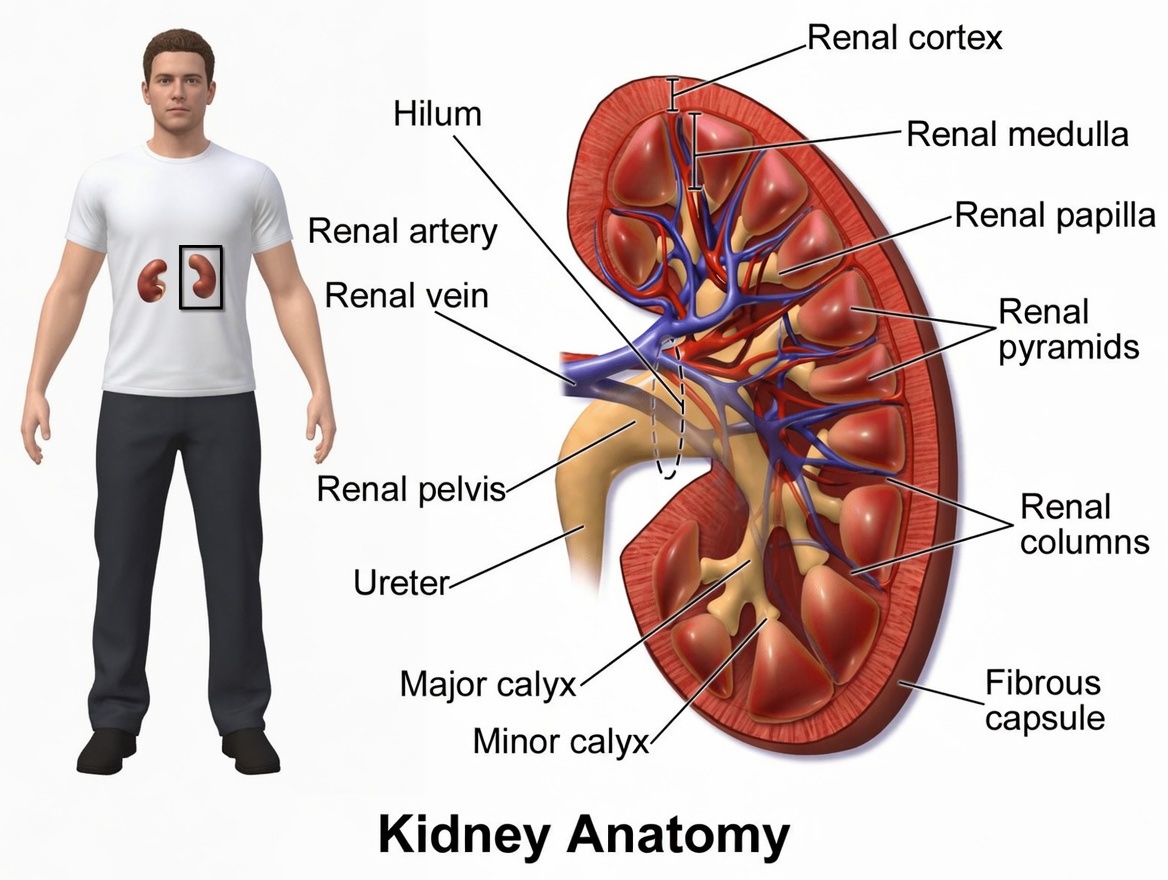
In reality, creatinine is influenced by muscle metabolism, hydration status, and kidney filtration—and it typically reflects trends over time rather than instant changes. While “normal” ranges vary, levels above roughly 1.3 mg/dL can be linked to factors such as dehydration, medication effects, acute illness or injury, or chronic kidney disease.
Huge, fast drops are generally seen only when the cause is quickly reversible and treated appropriately (for example, correcting dehydration with medical care). Diet choices alone rarely produce a sudden transformation. Reputable kidney health guidance consistently shows that improvement usually comes from steady management, not viral hacks. Chasing extreme claims can also delay the medical evaluation that elevated creatinine often requires.
Where Healthy Fats Fit in a Kidney-Friendly Diet
Healthy fats for kidney health don’t function as a magic lever that instantly lowers creatinine. Instead, they can support overall wellness by:
- Providing energy without excess sodium or added sugars
- Supporting heart health, which is closely tied to kidney outcomes
- Helping reduce inflammation when they replace more harmful fats

A practical goal is to emphasize unsaturated fats (especially monounsaturated and omega-3 fats) and limit saturated and trans fats. This approach aligns with heart-protective nutrition patterns and may indirectly reduce strain on the kidneys over time.
Four Healthy Fats for Kidney Health to Consider
These options are often considered kidney-friendly when used in appropriate portions and tailored to your lab results and stage of kidney disease.
-
Olive oil
High in monounsaturated fats and antioxidant compounds. It’s commonly used in kidney-conscious eating because it’s typically low in potassium and phosphorus. Use it for salad dressings or low-to-medium heat cooking. -
Canola oil
A neutral-tasting oil with a favorable balance of mono- and polyunsaturated fats and relatively low saturated fat. It works well for everyday cooking, including higher-heat methods. -
Fatty fish (such as salmon)
A source of omega-3 fats that may support anti-inflammatory pathways. Because fish can contribute phosphorus (and protein load), portion size matters. Many people aim for moderate servings a couple of times per week if approved by their clinician. -
Avocado
Rich in monounsaturated fat and nutrients, but also higher in potassium. Smaller portions (often around 1/4 avocado) may fit better when potassium needs monitoring.
Four Fats to Use With Caution When Creatinine Is Elevated
Even fats that sound “healthy” can be less ideal depending on kidney function, phosphorus/potassium limits, and cardiovascular risk.
-
Peanuts
Can be high in phosphorus and potassium, which may be challenging in later-stage kidney disease or when labs are trending upward. -
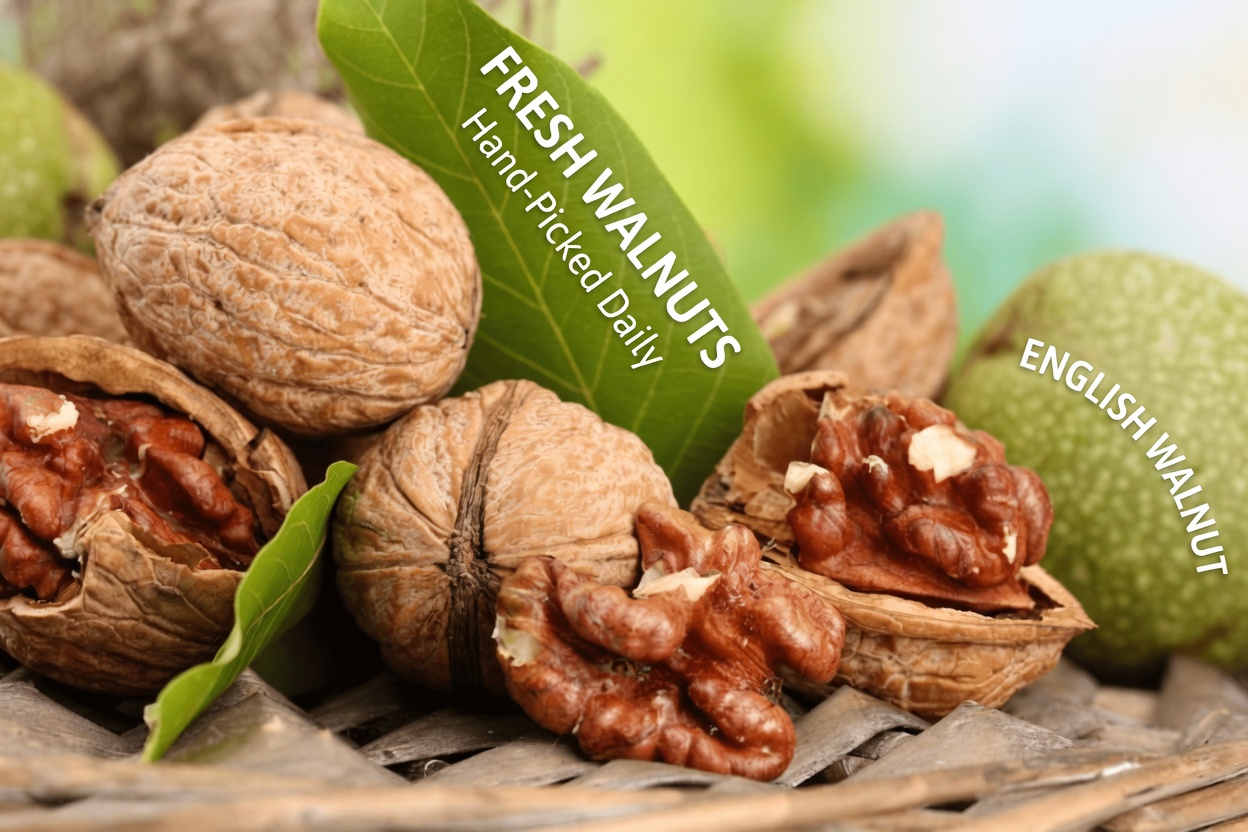
Walnuts
Provide plant omega-3s, but also contain notable phosphorus and potassium. If included, keep portions small and monitor lab results. -
Coconut oil
Often marketed as a health food, yet it’s high in saturated fat and may raise LDL cholesterol for some people—an important concern given the heart–kidney connection. -
Processed and deep-fried fats
Frequently associated with trans fats, excess sodium, and inflammatory additives. These can worsen cardiovascular strain and contribute to an overall dietary pattern that’s harder on the kidneys.
Quick Comparison: Common Fats and Kidney Considerations

- Olive oil (monounsaturated): anti-inflammatory support; generally low kidney-mineral concerns; easy daily use
- Canola oil (mono/polyunsaturated): versatile; low saturated fat; good for routine cooking
- Salmon/fatty fish (omega-3): inflammation support; watch phosphorus/protein load; moderate servings
- Avocado (monounsaturated): nutrient-dense; higher potassium; smaller portions when needed
- Peanuts (mostly polyunsaturated): convenient; higher phosphorus/potassium; limit in advanced kidney disease
- Walnuts (polyunsaturated with omega-3): plant omega-3s; mineral content can be significant; moderate and monitor
- Coconut oil (saturated): limited benefit for most kidney goals; may raise LDL; use sparingly
- Processed/fried fats (trans/saturated): no meaningful benefit; higher inflammation and sodium; avoid when possible
Overall, unsaturated, minimally processed fats tend to be the safest foundation in kidney-friendly eating patterns.
Practical Ways to Add Healthy Fats for Kidney Health (Safely)
If you’re worried about creatinine, small consistent changes are usually more sustainable than dramatic diet overhauls.
- Replace butter, shortening, or lard with olive oil or canola oil for daily cooking
- Add small avocado portions to meals if potassium levels allow
- Include fatty fish occasionally if your care team approves your protein and phosphorus targets
- Check labels and reduce processed oils, fried foods, and high-sodium snacks
- Support the basics: hydration (as advised), blood pressure control, medication adherence, and regular lab monitoring
These steps won’t create overnight shifts, but they can strengthen your overall nutrition strategy.
Realistic Expectations: What People Commonly Notice
Many individuals report gradual improvements in overall health markers—such as steadier cholesterol or better energy—when they swap in more supportive fats. However, creatinine changes typically move slowly and often improve only as the underlying cause (blood pressure issues, dehydration, medication side effects, diabetes control, and more) is addressed. The consistent pattern is stability and support—not sudden reversals.
Final Thoughts: Supporting Kidney Health Without Viral Promises
Choosing healthy fats for kidney health is a practical, evidence-aligned way to care for your body while managing anxiety about creatinine. Focus on unsaturated fats in reasonable portions, limit high-risk and processed fats, and pair nutrition with hydration guidance, blood pressure management, and medical oversight.
Sustainable, consistent habits outperform “miracle” posts every time.
Frequently Asked Questions
Can certain fats lower creatinine quickly?
Fast creatinine drops are uncommon and usually occur when an underlying cause is rapidly treated medically. Healthy fats for kidney health are best viewed as long-term support, not an overnight fix.
Are nuts completely off-limits for kidney health?
Not necessarily. Some nuts (such as macadamias or pecans) can be lower in certain minerals, while peanuts and walnuts may require more caution—especially in later stages. Your lab values and clinician guidance should decide the fit.
How much olive oil is typically reasonable per day?
For many people, 1–2 tablespoons daily (for cooking or dressing) is a practical range, since olive oil is generally low in potassium and phosphorus. Adjust based on total calories and your overall plan.
This article is for informational purposes only and does not replace professional medical advice. Always consult your healthcare provider for personalized guidance on kidney health, creatinine concerns, and dietary changes.