Fenugreek Seeds for Men Over 40: A Natural, Research-Informed Way to Support Energy and Vitality
Moving into your 40s can bring changes you didn’t ask for: lingering fatigue that makes everyday tasks feel harder, workouts that leave you sore for longer, and a quieter dip in libido that can affect confidence and intimacy. Over time, these shifts can make life feel less sharp and less energized.
The good news is that fenugreek seeds—a traditional, mildly nutty seed used in many cuisines—are now being studied for their potential to provide gentle nutritional support for male hormone balance, especially for men navigating common midlife changes.

Even more compelling: several studies suggest that consistent, long-term use may matter most. Below is a clear, science-aligned look at how fenugreek may help—and how to use it.

Why Testosterone Often Drops After 40
For many men, the “slower” feeling after 40 isn’t imagined. Testosterone levels typically decline gradually, often estimated at about 1–2% per year starting around age 30. While this is a normal part of aging, certain factors can accelerate the decline, including:
- Chronic stress
- Poor sleep quality
- Nutrient gaps in the diet
- Reduced activity or excess body fat
When testosterone and related hormones shift, men may notice changes in mood, strength, motivation, recovery, and overall well-being.
Fenugreek stands out here because it contains nutrients commonly linked to healthy hormone function—particularly zinc and magnesium, which support normal endocrine pathways.
What Makes Fenugreek Seeds a Traditional Staple for Men’s Wellness
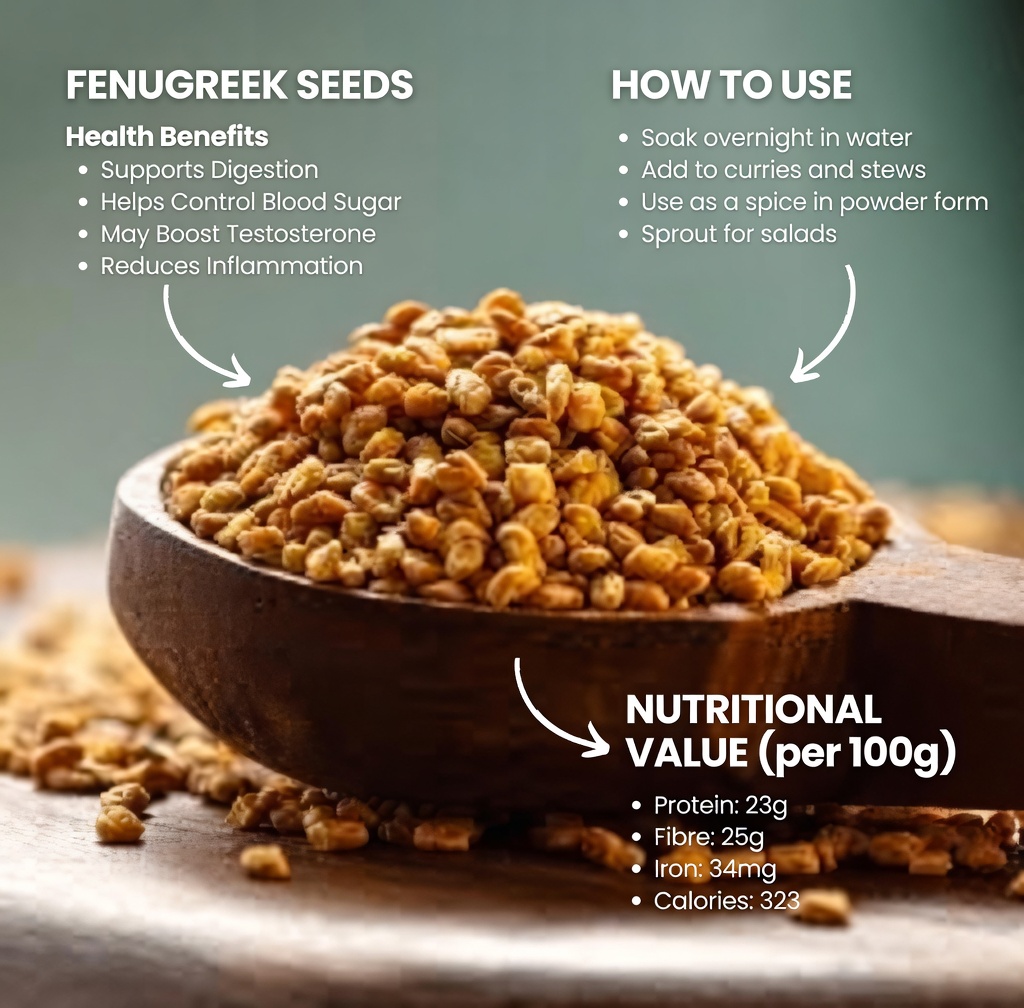
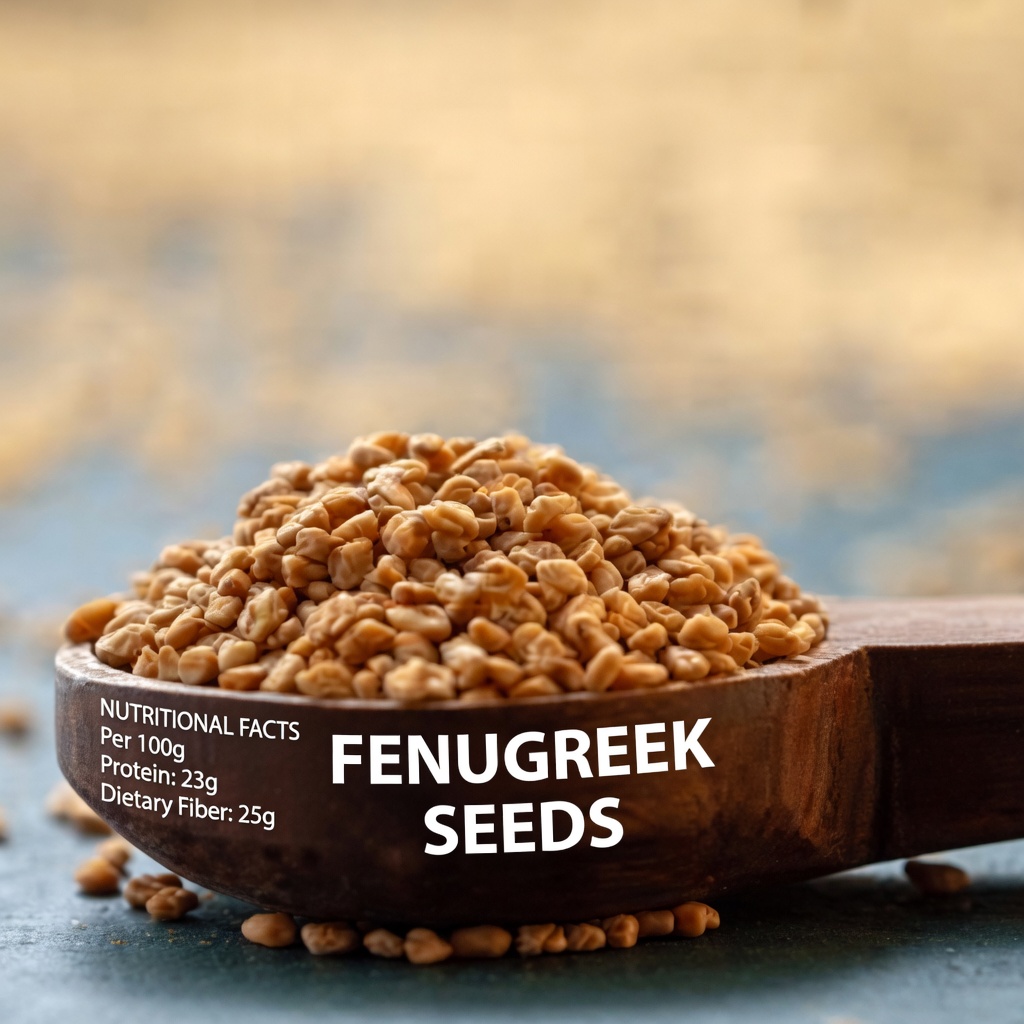
Fenugreek (Trigonella foenum-graecum) has a long history of traditional use for supporting vitality and general wellness. Its appeal comes from a combination of naturally occurring compounds, including:
- Saponins
- Dietary fiber
- Minerals (notably zinc and magnesium)
For men over 40 dealing with persistent tiredness or slower muscle recovery, fenugreek offers a practical advantage: it’s affordable, food-based, and easy to add to meals. Many people also enjoy its warm, slightly maple-like flavor, making it easier to stick with consistently.
Modern research continues exploring how fenugreek’s compounds may influence hormone-related markers and daily vitality.

Top Potential Benefits of Fenugreek Seeds for Men Over 40
Many men are looking for support with low energy, reduced drive, and strength that’s harder to maintain despite effort. Based on clinical research and nutritional mechanisms, fenugreek seeds may offer several potential benefits:
-
Provides essential minerals
Fenugreek supplies zinc and magnesium, nutrients associated with healthy testosterone production and recovery. Low levels of these minerals are often linked to fatigue and poor performance. -
May support free testosterone pathways
Certain compounds (including saponin-related constituents such as protodioscin) are being studied for their role in supporting balanced hormone activity. Some trials show improvements after regular use. -
May improve daily energy and mood
In studies, men using fenugreek often report better overall vitality and well-being, which can help counter the “flat” feeling some experience after 40. -
May support training results and recovery
When paired with strength training, fenugreek has shown potential for supporting muscle strength and helping reduce feelings of exercise-related fatigue. -
Supports steadier blood sugar
Fenugreek contains soluble fiber that can slow carbohydrate absorption, contributing to more stable energy—an important foundation for hormone-friendly routines. -
Offers antioxidant support
Fenugreek contains flavonoids and other antioxidants that help defend against oxidative stress, which can influence cellular processes involved in hormone production with age. -
Promotes general wellness
Traditional use frequently highlights fenugreek for digestive comfort and overall nutritional support—helping many men feel more balanced day to day.
These effects are typically gradual, which is why consistency matters.
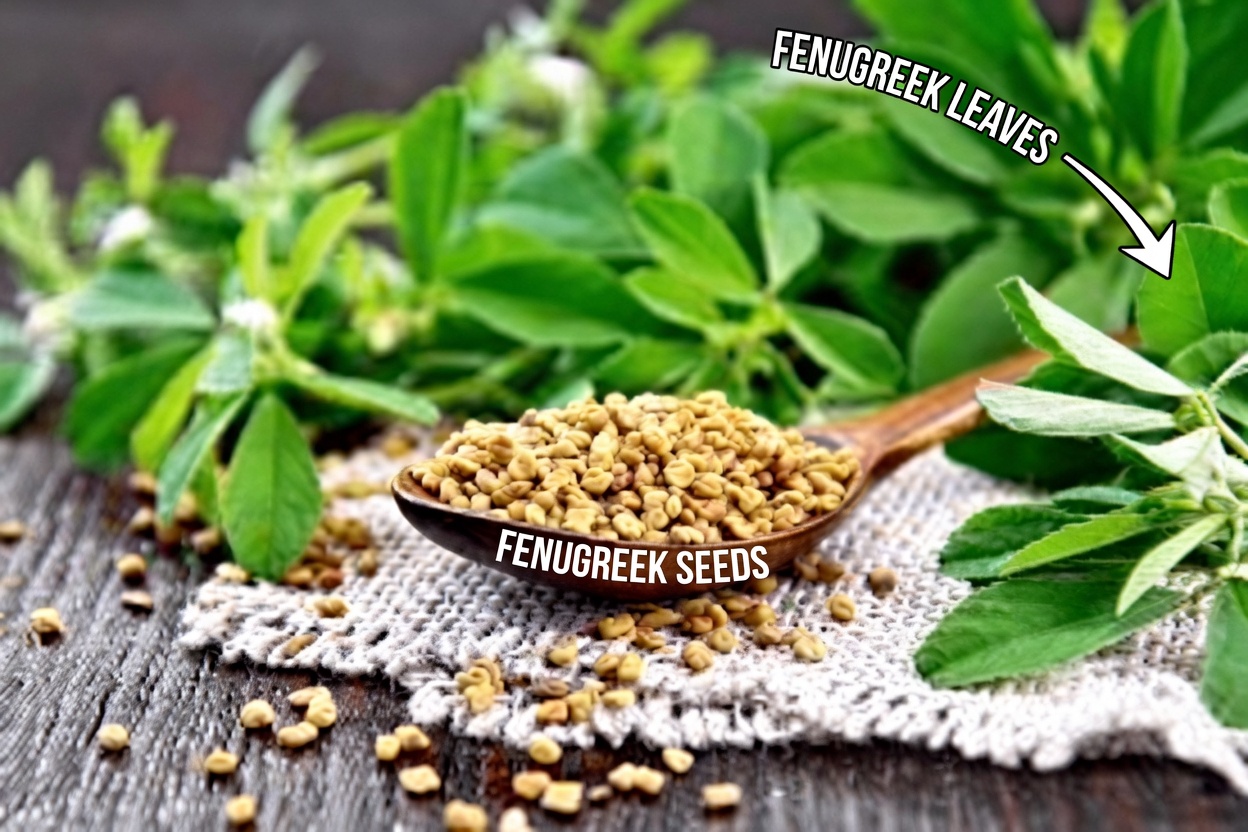
Simple Ways to Use Fenugreek Seeds Every Day
If you’re dealing with ongoing low energy or reduced drive, fenugreek is easy to trial as part of a daily routine. Popular methods include:
-
Soaked fenugreek (morning method)
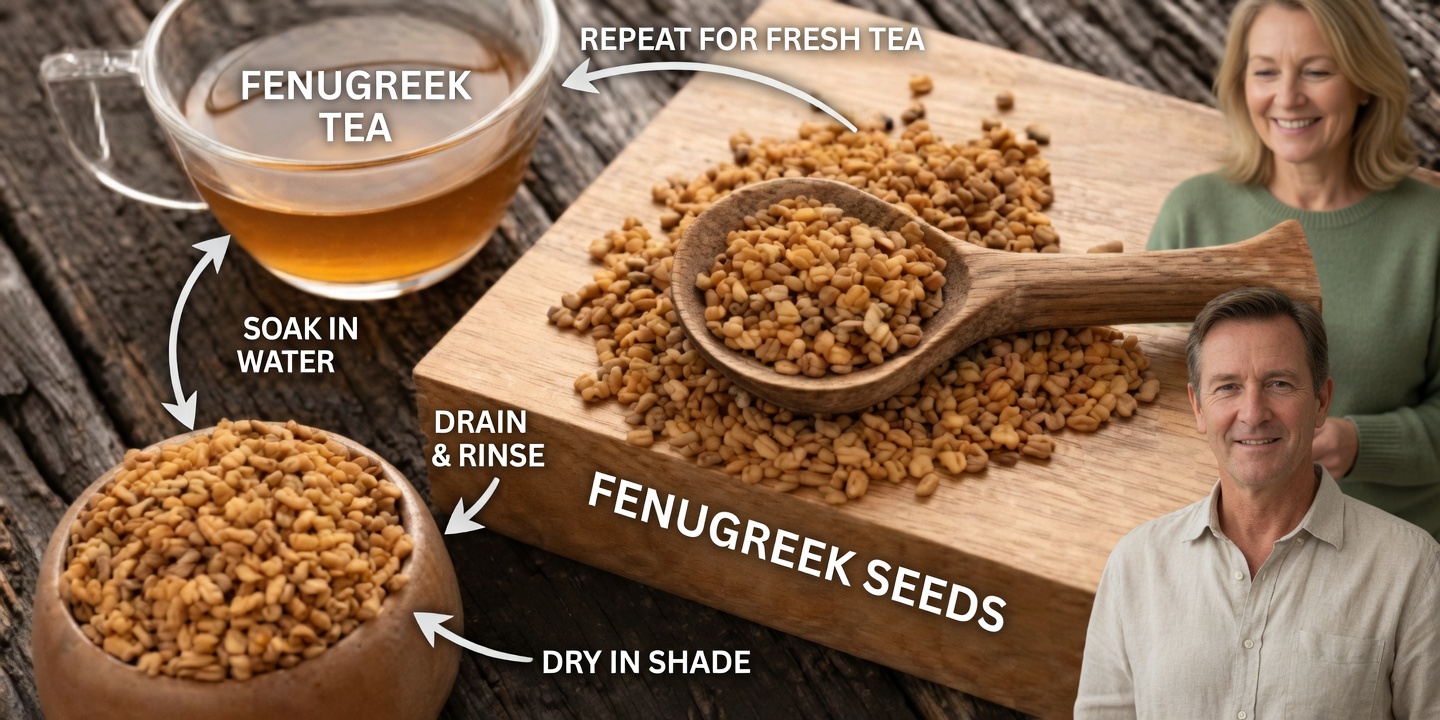
Soak 1–2 teaspoons of fenugreek seeds overnight in water. In the morning, drink the water and eat the softened seeds to make them easier to digest. -
Fenugreek tea
Simmer 1 teaspoon of seeds in hot water for 5–10 minutes. If the taste feels slightly bitter at first, add a small amount of honey. -
Toasted seeds in meals
Lightly toast and sprinkle fenugreek into soups, salads, curries, or stews for a nutty flavor and added texture. -
Suggested daily amount
Many routines use about 5–10 grams per day, ideally combined with:- Strength training or regular movement
- High-quality sleep
- Stress reduction practices
Most men who notice changes report them after 8–12 weeks of consistent daily use.
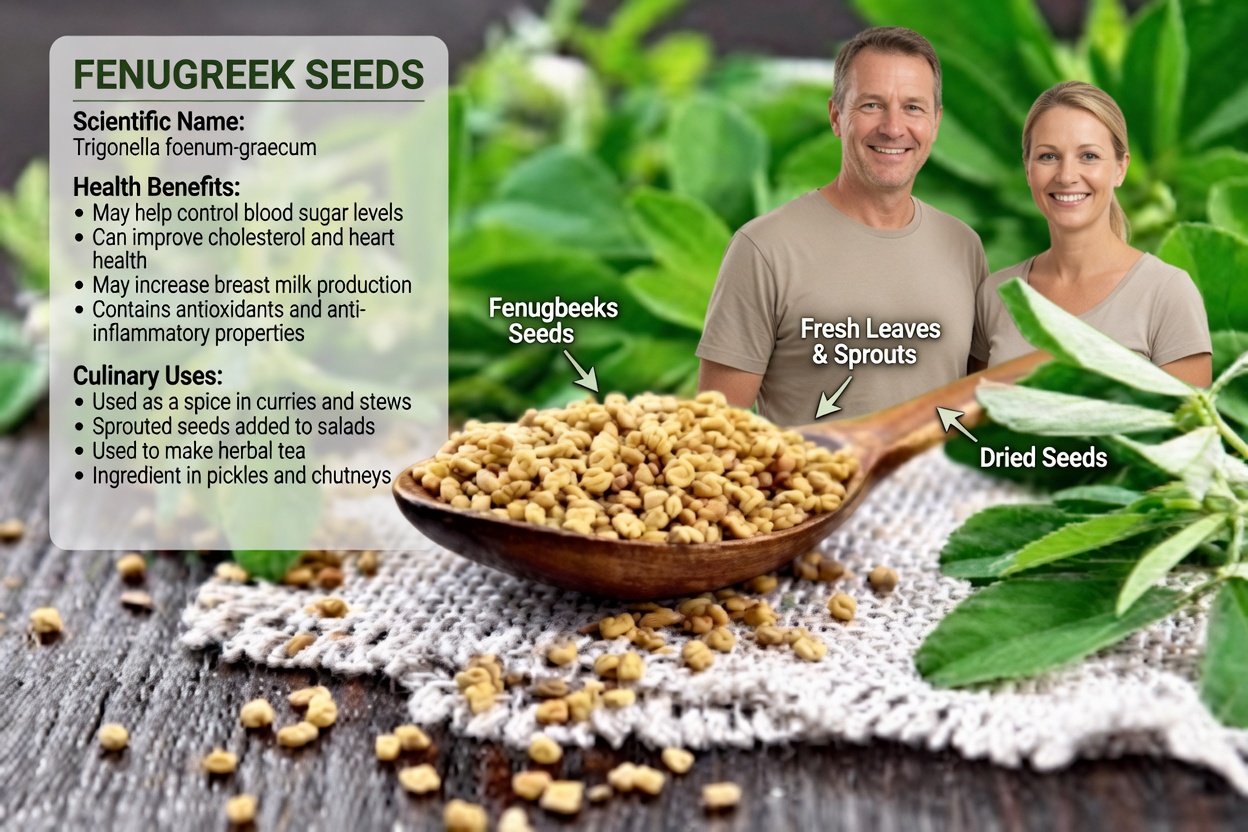
Quick Reference: Fenugreek Seeds at a Glance
| Category | What Fenugreek Seeds Provide | Why It May Matter for Men Over 40 |
|---|---|---|
| Key compounds | Saponins, fiber, zinc, magnesium | Nutritional foundation for hormone-related pathways |
| Traditional use | Vitality and overall wellness support | Fits natural, routine-based approaches |
| Research direction | Multiple studies on consistent use | Changes tend to appear gradually over time |
| How to take | Tea, soaked seeds, or added to meals | Simple to integrate without complicated steps |
Safety Tips and Smart Habits Before You Start
A slow, steady approach is best—especially if you’re new to fenugreek. To use it responsibly:
- Start with 1 teaspoon per day to assess tolerance
- Stay consistent for at least 8 weeks (common study timeframes)
- Take it with balanced meals for better overall absorption and comfort
- Pay attention to changes in:
- Energy
- Mood
- Digestion
- Libido and training recovery
Consult a healthcare professional if you have medical conditions, take medications, or have concerns related to hormones or blood sugar.
Your Next Step: Adding Fenugreek Seeds to a Better-Feeling Routine
Fenugreek seeds are a simple, nutrient-dense option that may help men over 40 support energy, libido, recovery, and overall vitality, especially when paired with strong fundamentals like resistance training, quality sleep, and stress management.
If you want to try fenugreek, begin with something easy—like a daily tea or soaked seeds—and stay consistent. Small habits, repeated over time, often create the most meaningful results.
Frequently Asked Questions
How long does it take to see results from fenugreek seeds?
Many studies report potential benefits after 8–12 weeks of daily use. Results vary depending on lifestyle, baseline health, sleep, stress, and diet.
Are fenugreek seeds safe to take every day?
For most men, fenugreek is generally well tolerated in moderate amounts such as 5–10 grams daily. Start small to reduce the chance of digestive discomfort. Anyone with legume allergies should avoid fenugreek.
Can fenugreek seeds replace medical advice for testosterone concerns?
No. Fenugreek is a food-based support option, not a substitute for medical evaluation, diagnosis, or treatment.
Medical Disclaimer
This article is for informational purposes only and does not replace professional medical advice. Always consult a qualified healthcare provider before trying new foods, supplements, or remedies—especially for hormone-related concerns. Some natural health teachings, including those associated with Barbara O’Neill, have faced scrutiny from authorities; prioritize evidence-based care and personalized guidance.