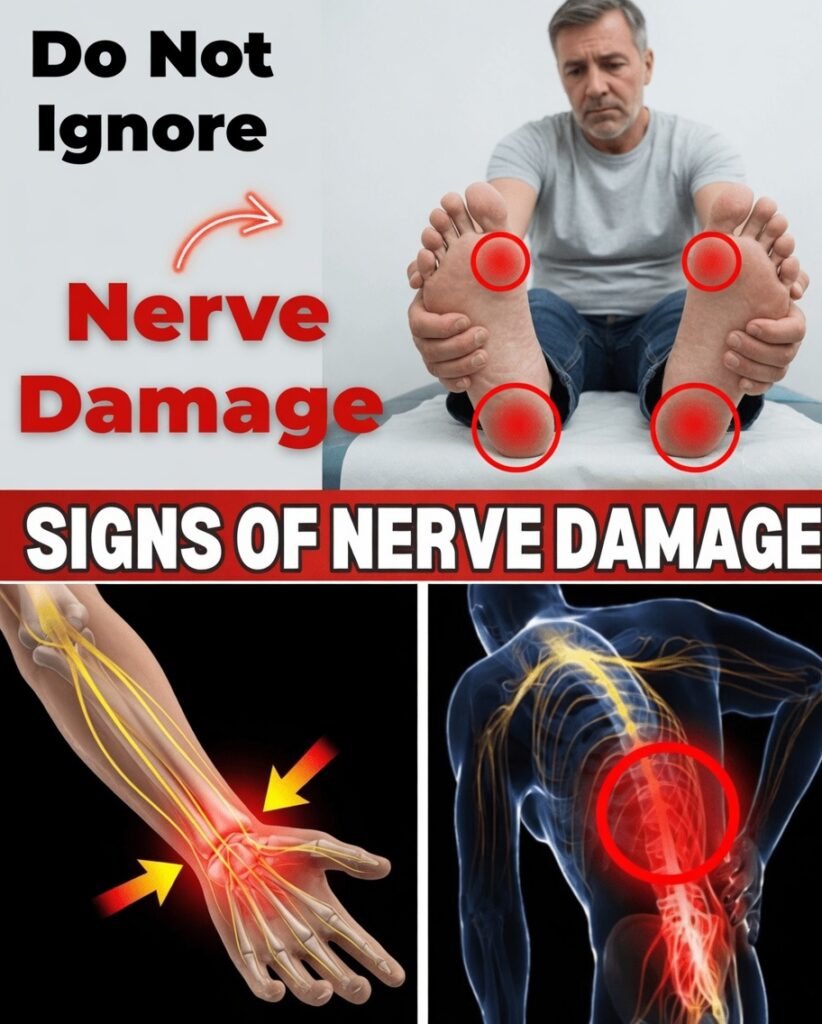
Early Warning Signs of Nerve Damage: 15 Symptoms You Shouldn’t Ignore
Nerve damage rarely announces itself loudly at the beginning. More often, it starts with small, easy-to-dismiss changes that gradually interfere with daily routines—walking confidently, gripping objects, sleeping well, or simply feeling comfortable in your own body. Over time, the ongoing discomfort and uncertainty can also create real anxiety about losing independence.
The upside is that your body usually does provide clues. Spotting early warning signs of nerve damage sooner can lead to faster evaluation, earlier treatment, and a better chance of slowing progression and protecting your quality of life.
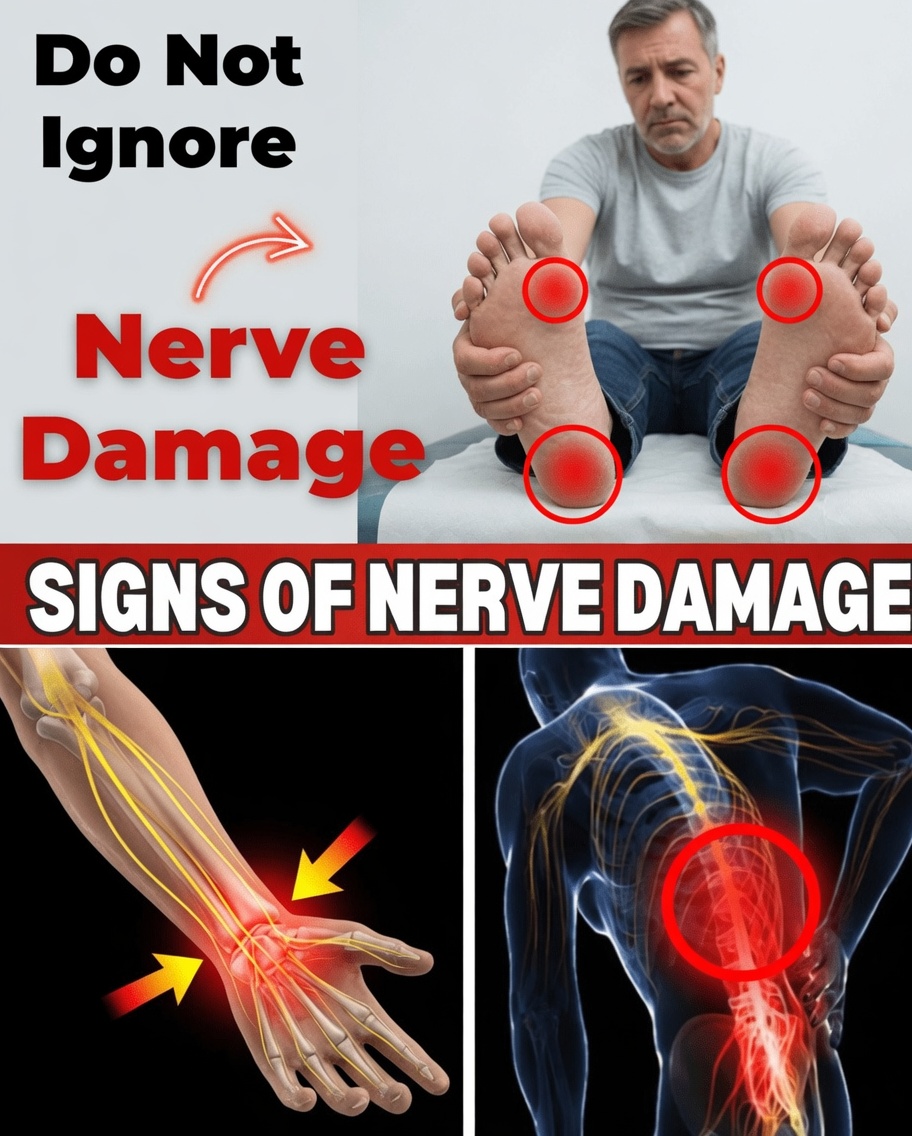
1. Tingling or “Pins and Needles” in the Hands or Feet
A prickling sensation—similar to when a foot “falls asleep”—is often among the earliest warning signs of nerve damage. It commonly begins in the toes or fingertips and may appear intermittently at first.
Many people blame circulation or posture, but persistent tingling can reflect irritated or injured nerves. Medical experts, including those referenced by Mayo Clinic, note that this symptom may worsen or spread when left unaddressed.
2. Burning Pain in the Extremities
A lasting burning feeling in the feet, legs, or hands can be a key early sign of nerve problems. Some describe it as a “hot” or “on fire” sensation even when the skin isn’t warm.
This type of discomfort can make walking difficult and resting unpleasant, and it frequently disrupts sleep. It’s commonly associated with peripheral neuropathy, where damaged nerves send incorrect pain signals.
3. Gradually Increasing Numbness
Slowly losing sensation—especially in the feet or hands—is a classic nerve-related warning sign. You may notice reduced ability to feel light touch, pain, or temperature changes.
The major concern is that injuries may go unnoticed, such as cuts, blisters, or burns, which can lead to complications. Cleveland Clinic notes that numbness often starts in the farthest points (toes/fingers) and progresses upward if the cause isn’t treated.
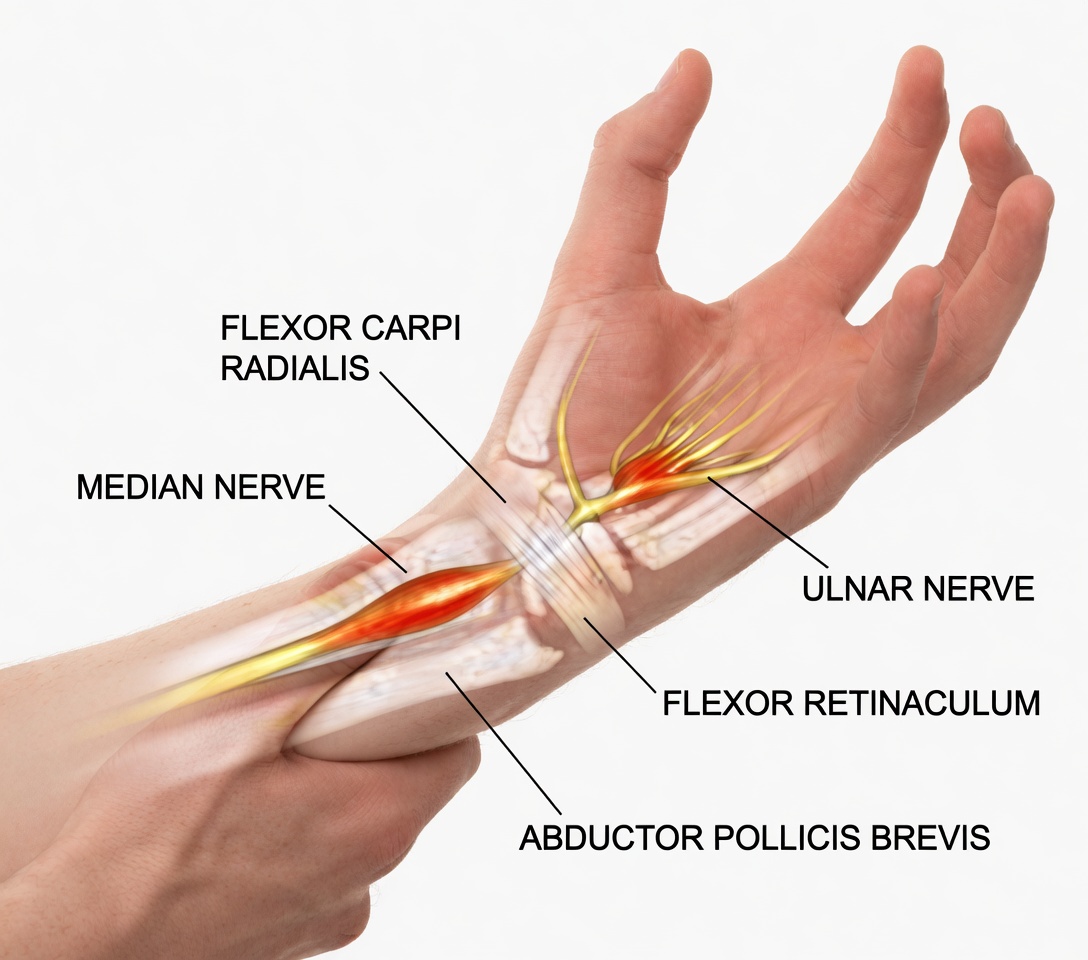
4. Sharp, Stabbing, or Electric-Shock-Like Pain
Sudden jabs of pain that feel like shocks can indicate neuropathic pain caused by malfunctioning nerves. These episodes may happen without warning or be triggered by movement.
Because the pain is unpredictable, it can increase stress and drain energy. Keeping track of when it occurs (time, trigger, location, intensity) can be helpful for early evaluation.
5. Pain From Light Touch (Extreme Sensitivity)
If normal contact—clothing, socks, bedsheets, or a gentle tap—feels painful, this may be allodynia, an alarming early warning sign of nerve damage.
When everyday touch becomes uncomfortable, it can quickly affect sleep, mood, and basic activities. This symptom is often linked to disrupted nerve signaling and should be assessed promptly.

6. Muscle Weakness or Cramping
Nerve damage can affect motor nerves, leading to unexpected weakness or cramps. You might notice difficulty climbing stairs, standing from a seated position, or holding items firmly.
Beyond inconvenience, weakness can reduce confidence and increase fall risk. Over time, untreated nerve issues may contribute to muscle wasting (atrophy), making early intervention especially important.
7. Balance Problems or Poor Coordination
Frequent stumbling, unsteadiness, or clumsiness may signal sensory nerve involvement. When nerves don’t relay accurate position and pressure information, balance and coordination can suffer.
Many assume this is “just aging,” but ongoing changes in stability deserve attention because they raise the risk of falls and injuries.

8. Unusual Sweating Changes
Sweating that becomes excessive—or sweating that decreases noticeably—can be a subtle sign of autonomic nerve involvement. These nerves help regulate temperature and other automatic body functions.
When sweating patterns shift, you may feel unusually uncomfortable in heat or struggle to cool down properly. Because it’s easy to overlook, it’s worth mentioning to a clinician if it’s new or persistent.
9. The “Invisible Gloves or Socks” Sensation
Some people describe nerve-related sensory changes as feeling like they’re wearing socks or gloves even when barefoot or barehanded. This “stocking-glove” distribution is widely recognized in medical literature as a common neuropathy pattern.
It can create a strange disconnection from the environment and make fine tasks—buttoning clothes, typing, walking on uneven ground—feel awkward.
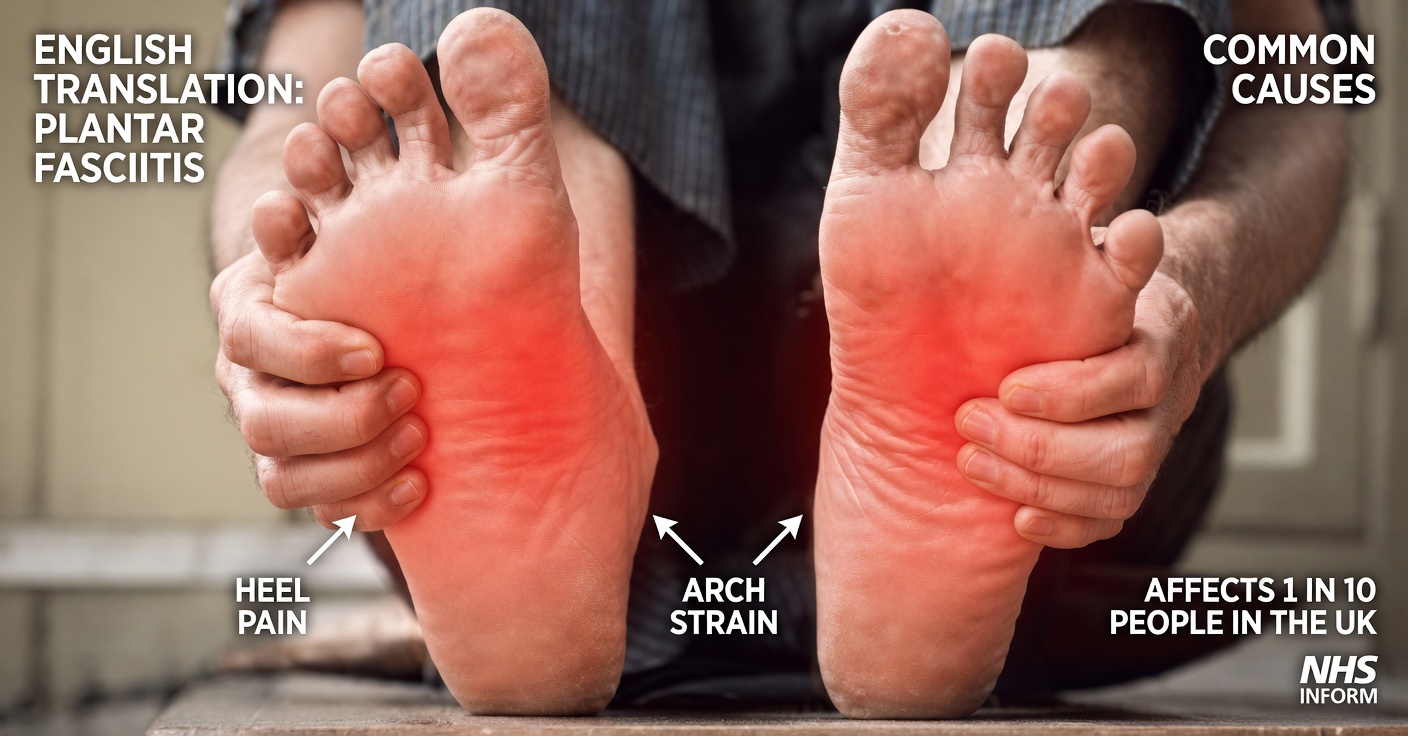
10. Pain That Gets Worse at Night
Neuropathic pain often intensifies in the evening or during nighttime rest. Instead of improving with sleep, symptoms may become more noticeable, disrupting recovery.
This can lead to a cycle of poor sleep and fatigue, which can further lower pain tolerance and reduce daytime functioning.
11. Digestive or Bowel Changes
Autonomic nerves also help control digestion. Bloating, constipation, diarrhea, or unexplained shifts in bowel habits can sometimes be linked to nerve dysfunction—especially when symptoms don’t have a clear dietary or infectious cause.
Because these issues affect comfort and nutrition, they’re an important part of a full nerve-health assessment.

12. Bladder Control Problems
Difficulty fully emptying the bladder, urgency, or incontinence can be associated with nerve damage affecting bladder signaling and control.
Embarrassment can delay care, but early medical evaluation can prevent complications and improve symptom management.
13. Dizziness When Standing Up
Feeling lightheaded—or fainting—when rising to stand may reflect orthostatic hypotension, which can occur when autonomic nerves don’t regulate blood pressure properly.
This symptom increases fall risk and is especially important to address if it’s recurrent.
14. Frequent Muscle Twitching or Cramps
Recurrent cramps, twitching, or small involuntary muscle movements (fasciculations) can occur when motor nerves become irritated.
These symptoms may interfere with rest, exercise, and daily comfort, particularly if they become frequent or widespread.
15. Walking Difficulties or Foot Complications
Nerve damage can change the way you walk (gait) and increase foot problems—often because numbness prevents you from noticing minor injuries early.
Protecting mobility starts with early recognition, consistent foot care, and prompt treatment of any wounds, blisters, or pressure points.
Common Risk Factors to Know
Certain factors raise the likelihood of developing nerve damage, including:
- Diabetes (a leading cause)
- Vitamin deficiencies (especially B vitamins)
- Autoimmune conditions
- Infections or physical injury
- Toxin exposure
- Family history
What to Do If You Notice These Symptoms
Early action can make a meaningful difference. If you recognize one or more early warning signs of nerve damage:
- See a healthcare professional for new, persistent, or worsening symptoms
- Describe your symptoms clearly, including when they started and what triggers or relieves them
- Ask about appropriate testing, such as blood work or nerve conduction studies, depending on your case
- Treat underlying causes (for example, improving blood sugar control when diabetes is involved)
- Adopt nerve-supportive habits, including balanced nutrition, regular activity, and limiting excessive alcohol
Ways to Support Long-Term Nerve Health
Evidence-based lifestyle strategies that may help protect nerve function include:
- Staying physically active to support circulation and overall metabolic health
- Eating nutrient-dense foods, including B vitamins and antioxidant-rich options
- Maintaining a healthy weight
- Preventing injuries, especially foot injuries if sensation is reduced
- Quitting smoking
- Reducing repetitive strain when possible
Consistency matters more than perfection when it comes to prevention.
Conclusion
From tingling and burning pain to balance issues and digestive or bladder changes, these 15 early warning signs of nerve damage are your body’s way of asking for attention. Not every symptom automatically means severe nerve injury—but ignoring persistent warning signs can allow the problem to progress.
If you suspect nerve-related symptoms, prioritize professional evaluation and supportive lifestyle choices to protect your nerves and preserve independence.
Frequently Asked Questions
How fast can early warning signs of nerve damage worsen?
It varies widely. Some people notice gradual changes over months, while others experience faster progression. Getting medical input early is the safest approach.
Can nerve damage symptoms improve if caught early?
Many cases can improve when the underlying cause is treated and symptoms are managed, though results depend on the type, severity, and duration of the nerve injury.
Who is most at risk for developing these warning signs?
People with diabetes, autoimmune diseases, and nutritional deficiencies are at higher risk, but nerve damage can affect anyone depending on health conditions, medications, exposures, or injury history.