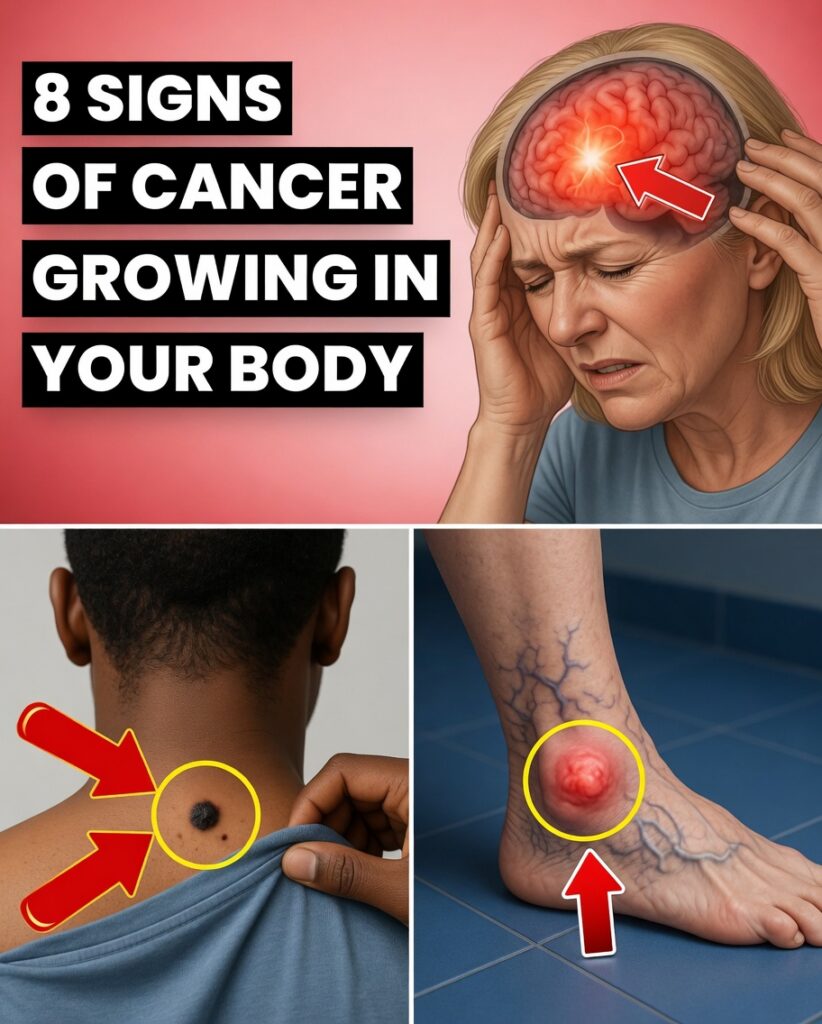
Understanding Possible Signs Cancer Is Growing in Your Body
Noticing unusual changes that don’t go away can be unsettling. When symptoms linger, it’s easy to feel anxious, distracted, and worried about what might be happening internally. Many people searching for signs cancer is growing in your body want straightforward, trustworthy guidance—because recognizing common warning signals can help you decide when to seek medical advice and regain peace of mind.
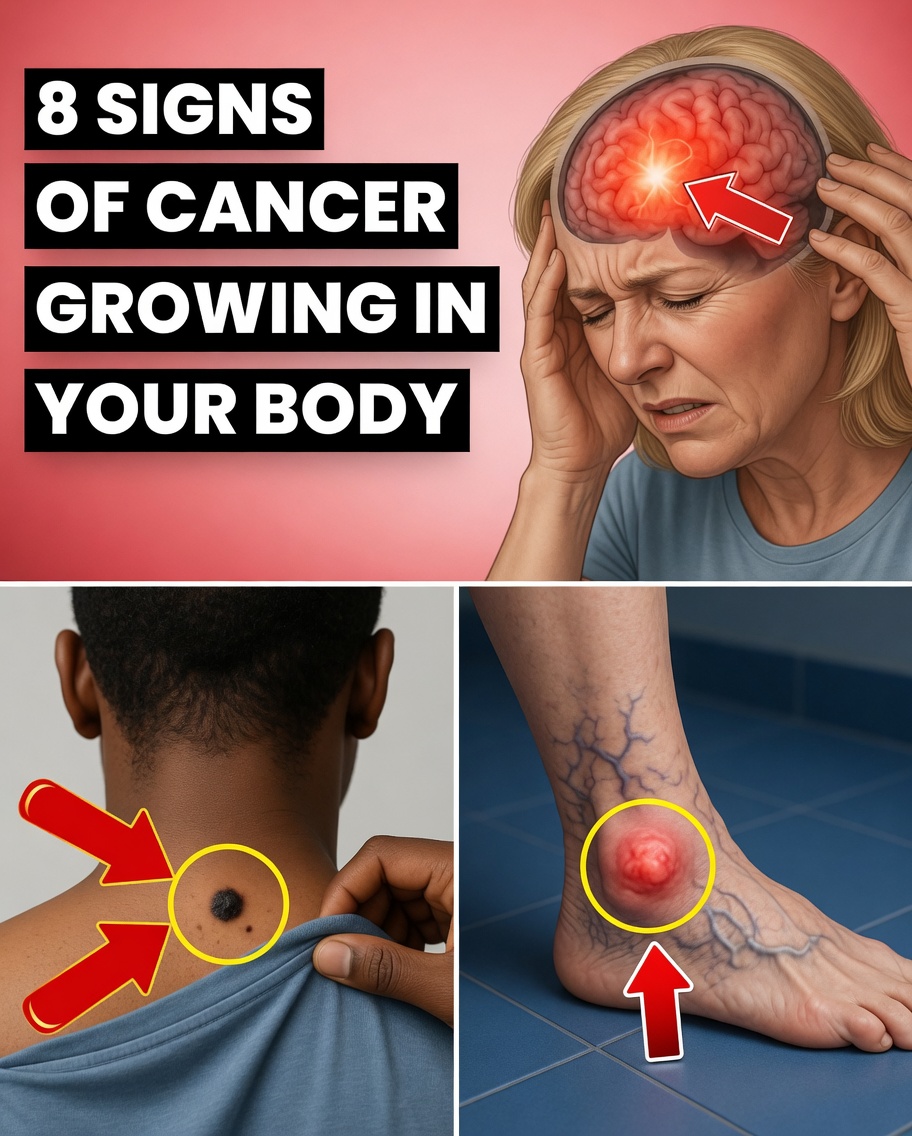
Why Paying Attention to Signs Cancer Is Growing in Your Body Matters
Overlooking ongoing symptoms can increase stress over time, especially when changes begin affecting sleep, energy, mood, or confidence. It’s important to know that many signs cancer is growing in your body are non-specific and can be caused by far more common (and treatable) conditions.
Still, health organizations such as the American Cancer Society and leading medical systems like Mayo Clinic consistently emphasize that early awareness supports better outcomes when serious illness is present. These symptoms are not proof of cancer—but they can be useful signals to track and discuss with a healthcare professional.

1. Unexplained Weight Loss
Losing weight without changing your diet or activity level can feel confusing and alarming. Among the commonly discussed signs cancer is growing in your body, unintentional weight loss stands out because certain cancers can raise metabolism, reduce appetite, or affect how the body uses nutrients.
If you lose more than 10 pounds (about 4.5 kg) without trying, it’s worth getting checked—while also remembering that stress, thyroid conditions, digestive issues, and many other factors can cause the same change.

2. Persistent Fatigue That Doesn’t Improve
Feeling drained even after adequate sleep can disrupt work, relationships, and daily routines. Persistent, severe fatigue is often mentioned as one of the signs cancer is growing in your body, potentially linked to immune-system activity, inflammation, or the body diverting energy.
If tiredness continues despite good rest, hydration, and nutrition—especially if it’s new or worsening—bring it up with a clinician.
3. New Lumps or Ongoing Swelling
Finding a new lump can trigger immediate fear. While many lumps are benign (such as cysts, lipomas, or swollen lymph nodes from infection), a lump that persists, enlarges, or feels unusual is frequently included in discussions about signs cancer is growing in your body.
Pay particular attention to lumps in the breast, neck, armpit, groin, or soft tissues. If it doesn’t resolve, professional evaluation is the safest next step.
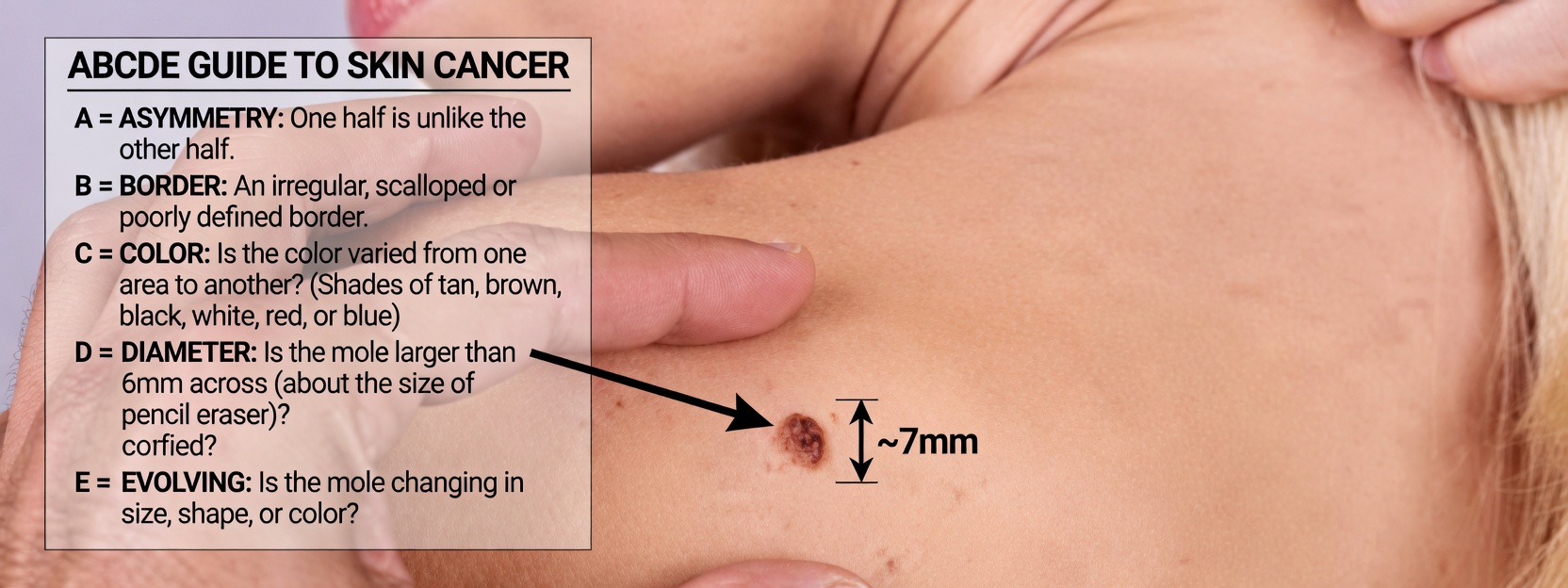
4. Skin Changes That Don’t Look or Heal Normally
Skin is one of the easiest places to notice changes—yet unusual marks can still be easy to dismiss. Potential signs cancer is growing in your body related to the skin may include:
- A sore that won’t heal
- A new spot or patch that changes over time
- Redness, thickening, or persistent irritation
- A mole that changes in shape, color, or size
For moles, use the ABCDE rule as a helpful guide:
- Asymmetry
- Border irregularity
- Color variation
- Diameter (often larger than ~6 mm, though smaller can still be concerning)
- Evolving (any change over time)
5. Ongoing, Unexplained Pain
Pain that doesn’t improve can wear you down physically and emotionally. Persistent pain is sometimes listed among subtle signs cancer is growing in your body, especially if a tumor presses on nerves, bones, or nearby organs.
Because pain has many causes—from injuries to inflammation—context matters. However, new pain that is persistent, unexplained, or progressively worse should be assessed rather than ignored.
6. Changes in Bowel Habits
Digestive changes can feel embarrassing to talk about, but they’re important to track. Potential signs cancer is growing in your body—particularly related to colorectal disease—can include:
- Ongoing constipation or diarrhea
- A change in stool shape or frequency that persists
- Blood in the stool or rectal bleeding
- Persistent abdominal discomfort
Food choices, stress, medications, and infections commonly explain these symptoms. But if changes last or worsen, it’s wise to book a medical visit.
7. A Cough That Doesn’t Go Away
A lingering cough can interfere with sleep, work, and social comfort. A persistent cough, hoarseness, or coughing up blood can appear in lists of signs cancer is growing in your body, especially regarding the lungs or throat.
Most prolonged coughs come from infections, post-viral irritation, asthma, reflux, or allergies. Still, if a cough lasts weeks, keeps returning, or comes with alarming symptoms, seek medical advice.
8. Difficulty Swallowing or Persistent Indigestion
Trouble swallowing can make eating stressful and affect nutrition. Ongoing swallowing difficulty, a sensation of food “sticking,” or persistent indigestion is sometimes mentioned among signs cancer is growing in your body, including possible concerns involving the esophagus or nearby structures.
Acid reflux can strongly mimic these symptoms. But if swallowing problems persist or worsen, a clinical review is recommended.
What to Do If You Notice Possible Signs Cancer Is Growing in Your Body
Avoiding symptoms out of fear can prolong uncertainty. Instead, take practical steps that support clarity without panic:
- Track your symptoms: Write down when they started, how often they occur, and what makes them better or worse
- Don’t self-diagnose online: Searching symptoms can increase anxiety and confusion
- Schedule routine checkups and screenings: Preventive care improves early detection
- Be direct with your doctor: Share all details, even if they feel awkward
- Act early when something persists: Timely evaluation often leads to simpler answers and better management
Important Notes to Keep in Mind
Most symptoms that resemble signs cancer is growing in your body have non-cancer explanations. These indicators are best viewed as general warning flags, not conclusions. Only a qualified healthcare professional can assess your situation through history, examination, and—when appropriate—testing.
Final Thoughts
If persistent changes have been quietly worrying you, understanding common signs cancer is growing in your body can be empowering rather than frightening. The goal isn’t to assume the worst—it’s to listen to your body, document what’s happening, and seek expert input when symptoms don’t resolve.
Frequently Asked Questions (FAQs)
Do these signs cancer is growing in your body always mean cancer?
No. Most are caused by everyday issues such as infections, stress, reflux, hormonal shifts, or medication side effects. Only a medical evaluation can identify the true cause.
How soon should I see a doctor for possible signs cancer is growing in your body?
A common guideline is to seek care if symptoms last longer than 2–3 weeks, worsen, or include red-flag features (like bleeding, a growing lump, or significant unexplained weight loss).
Can lifestyle changes reduce cancer risk?
Healthy habits support overall wellness and may lower risk over time, including:
- A balanced diet
- Regular physical activity
- Avoiding tobacco
- Limiting alcohol
- Keeping up with recommended screenings and vaccinations (when applicable)