Prostate Health After 50: 8 Everyday Fruits That May Support Urinary Comfort
Many men notice urinary changes as they get older—waking up multiple times at night, a weaker urine stream, or the frustrating feeling that the bladder never fully empties. These issues can affect sleep, energy, and confidence throughout the day. In many cases, symptoms like these are associated with benign prostatic hyperplasia (BPH), a non-cancerous enlargement of the prostate.
BPH is extremely common: research suggests that around 50% of men by age 60 show some degree of enlargement, and prevalence rises to roughly 70–90% in later decades.
The encouraging part is that daily nutrition can help support overall prostate wellness. Fruits and vegetables provide antioxidants, vitamins, and protective plant compounds, and while they’re not a replacement for medical care, certain fruits contain nutrients—such as lycopene, beta-sitosterol, and resveratrol—that are frequently studied for potential prostate-related benefits.
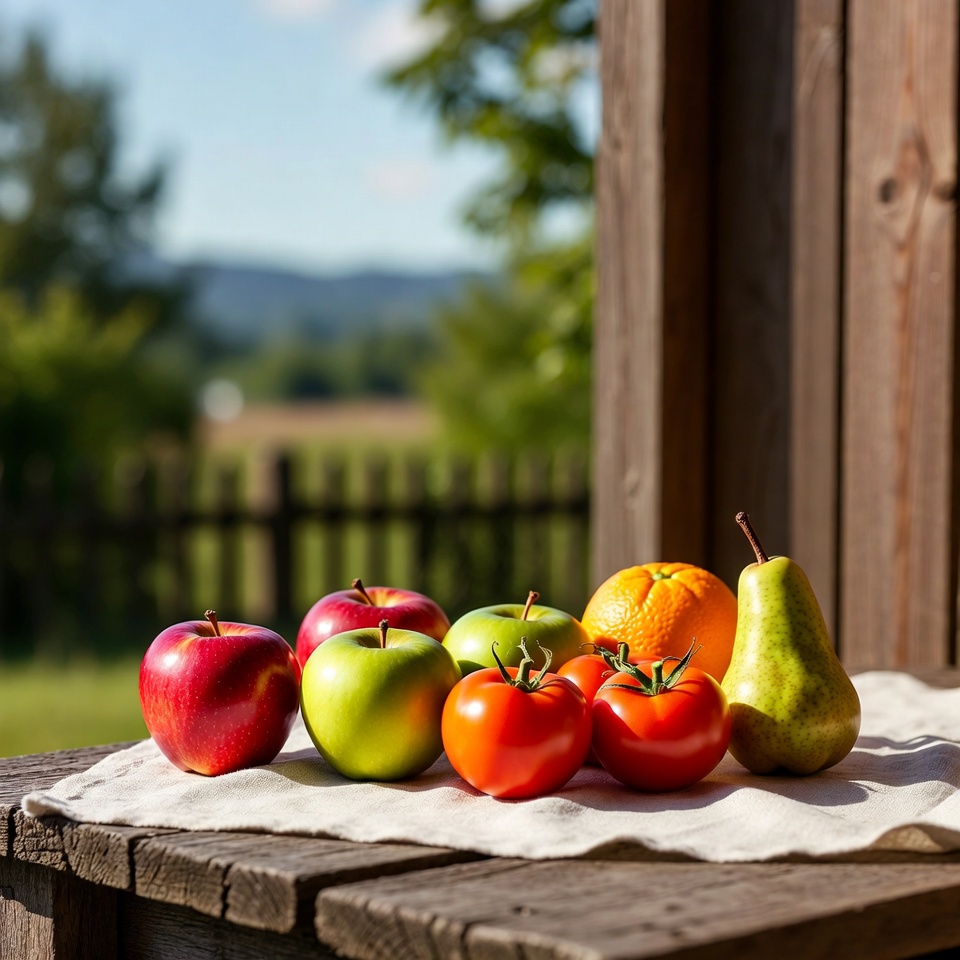
Below are eight science-supported, easy-to-find fruits, what makes them stand out, and simple ways to add them to your routine.
Why Diet Matters for Prostate Health After 50
As the prostate slowly grows, it can compress the urethra (the tube that carries urine out of the body). That pressure may contribute to lower urinary tract symptoms (LUTS) such as:
- Urgency and frequency
- Weak urine flow
- Hesitation or stopping/starting
- Nocturia (waking at night to urinate)
Lifestyle choices—especially diet—can influence inflammation and oxidative stress, two factors commonly discussed in prostate aging. Observational research and nutrition reviews often associate higher intake of antioxidant-rich foods with better prostate-related outcomes.
Several plant compounds are especially relevant:
- Lycopene (a red pigment in certain fruits) is widely studied for cellular protection in prostate tissue.
- Beta-sitosterol (a plant sterol) has been linked in research to urinary symptom support in men with BPH.
- Resveratrol and polyphenols may help the body manage oxidative stress and inflammation.
These effects are best viewed as long-term, supportive nutrition, not quick fixes or stand-alone treatments.
8 Fruits That Support Prostate Wellness
8) Red Grapes: Resveratrol for Inflammation Support
Red grapes are known for resveratrol, a polyphenol studied for anti-inflammatory and antioxidant activity. Some research explores its potential role in supporting prostate inflammation balance and urinary function.
Easy way to eat them
- Have 15–20 red grapes, ideally with the skins on (valuable compounds concentrate there).
- Try frozen grapes for a refreshing snack that still retains nutrients.
Tip: Combine grapes with a small serving of nuts to add healthy fats that may help with absorption of certain compounds.
7) Avocado: Beta-Sitosterol for Urinary Flow
Avocados offer healthy fats plus beta-sitosterol, a plant sterol frequently studied in relation to BPH symptoms. Research suggests beta-sitosterol may support stronger urinary flow and improve urinary comfort in some men.
Easy way to eat it
- Aim for ½ avocado daily, added to toast, salads, or bowls.
- A squeeze of lime and a pinch of salt makes it simple and satisfying.
Consistency matters—many people only notice changes after weeks of steady habits, not days.
6) Cooked Tomatoes: The Lycopene Heavyweight
Tomatoes are one of the most recognized sources of lycopene, an antioxidant strongly connected in research discussions to prostate support. Importantly, cooking tomatoes increases lycopene bioavailability, meaning your body can absorb it more easily.
Easy way to eat them
- Include cooked tomato foods 3–4 times per week (sauce, soup, stew).
- Add olive oil—lycopene is fat-soluble, and dietary fat helps the body use it.
Many population studies highlight tomato-rich patterns as part of prostate-friendly diets.
5) Watermelon: Hydration + Lycopene + Citrulline
Watermelon does more than hydrate. It also provides lycopene and citrulline, an amino acid associated with circulation support. Hydration itself can be helpful for urinary comfort, as it supports natural urinary tract flushing.
Easy way to eat it
- Enjoy about 2 cups per day, especially in warmer weather.
- Eat closer to the rind when possible, where some nutrients may be more concentrated.
4) Mixed Berries: Antioxidant Protection Against Oxidative Stress
Berries—such as blueberries, strawberries, raspberries, and blackberries—deliver anthocyanins and vitamin C, antioxidants that help protect cells from oxidative damage, a factor often mentioned in age-related prostate changes.
Easy way to eat them
- Add 1 cup daily (fresh or frozen).
- Frozen berries are convenient, and thawing can release more compounds as cell walls break down.
They’re an easy upgrade to oatmeal, yogurt, smoothies, or snacks.
3) Citrus Fruits (Oranges, Grapefruit): Vitamin C + Flavonoids
Citrus fruits are best known for vitamin C and also provide plant flavonoids, especially in oranges and pink grapefruit. Vitamin C supports immune health and is sometimes discussed in relation to urinary tract environment support.
Easy way to eat them
- Have one whole citrus fruit per day (e.g., an orange or half a grapefruit).
- Prefer whole fruit over juice to keep the fiber.
Important note: Grapefruit can interact with several medications. If you take prescription drugs, confirm with your clinician or pharmacist before adding grapefruit regularly.
2) Pomegranate: Polyphenols for Cellular Health
Pomegranate contains ellagic acid and other polyphenols that are studied for antioxidant and inflammation-modulating activity. It’s often highlighted for its overall antioxidant density in nutrition research.
Easy way to eat it
- Eat the arils (seeds), or drink about 8 oz of 100% pomegranate juice.
- Whole arils add fiber, which juice does not.
1) Papaya: A Standout Mix of Papain, Lycopene, and Beta-Carotene
Papaya earns attention because it combines multiple beneficial compounds in one fruit, including lycopene, beta-carotene, and papain (a digestive enzyme). Some early research and lab discussions explore papaya compounds for cellular support, contributing to its reputation as a nutrient-dense choice.
Easy way to eat it
- Eat 1–2 cups of fresh papaya daily.
- The black seeds are strong in flavor; some people include a small amount if tolerated.
For an added nutrition boost, some pair papaya with selenium-rich foods (such as a few Brazil nuts), as selenium is often discussed in prostate nutrition conversations.
Quick Nutrient Snapshot
- Lycopene-focused: cooked tomatoes, watermelon, papaya, pomegranate
- Beta-sitosterol: avocado
- Resveratrol: red grapes
- High antioxidants/polyphenols: berries, pomegranate, citrus
- Unique enzyme: papaya (papain)
Simple absorption tip: Adding a small amount of healthy fat (like olive oil) alongside lycopene-rich fruits and meals can improve uptake of fat-soluble compounds.
A Simple 30-Day Prostate-Friendly Fruit Routine
Building habits gradually is more sustainable than changing everything at once. Try this approach:
- Week 1: Papaya at breakfast, cooked tomatoes at dinner, red grapes for snacks
- Week 2: Add avocado and pomegranate
- Week 3: Add mixed berries and a daily citrus fruit
- Week 4: Rotate all eight fruits and note how you feel (sleep quality, urgency, nighttime bathroom trips)
Prep shortcuts
- Papaya: slice and scoop (seeds optional)
- Tomatoes: cook and add olive oil
- Pomegranate: buy ready arils for convenience
- Avocado: pair with citrus for a fresh, simple plate
Final Thoughts: Small Dietary Shifts, Meaningful Support
A fruit-rich eating pattern can support overall wellness—including prostate health and urinary comfort—especially when paired with hydration, regular movement, and routine medical checkups. These foods won’t “cure” BPH, but they can be part of a consistent lifestyle strategy that helps many men feel better over time.
FAQ
What is the best fruit for prostate health?
There isn’t one single “best” fruit. However, cooked tomatoes (for lycopene) and papaya (for its broad mix of compounds) are often highlighted in nutrition discussions around prostate support.
How much fruit should I eat per day for prostate support?
A practical target is 2–4 servings daily, focusing on variety and consistency. Start with one or two fruits you enjoy and expand gradually.
Can fruit replace medication for BPH?
No. Fruits can support general health, but they do not replace medical evaluation or BPH treatment. Follow your clinician’s plan for symptom management.
Disclaimer
This article is for informational purposes only and does not provide medical advice. Talk with a qualified healthcare professional before making major dietary changes—especially if you have BPH symptoms, prostate concerns, or take prescription medications (including drugs that may interact with grapefruit).