
You’re making a thoughtful choice by picking fish over red meat—seafood is often linked to better heart health and cleaner protein. But “healthy” doesn’t automatically mean “risk-free.” Hidden issues like mercury, industrial pollutants, and poor sourcing can quietly reduce the benefits of your meal. These exposures are usually small, but they can build up over time—especially if you eat the same types of fish week after week.
The reassuring news: with a few practical tweaks, you can keep seafood in your diet safely and confidently. And the most impactful change is simpler than most people expect—stay with this article to the end.

Why Certain Fish Aren’t Great for Frequent Eating
Fish is well known for being rich in protein, omega-3 fatty acids, and other nutrients that support the heart and brain. Still, seafood quality varies widely by species and source.
Some fish accumulate high mercury levels, a naturally occurring metal that can harm the nervous system when exposure becomes frequent or long-term. Others may contain environmental toxins such as PCBs (polychlorinated biphenyls), which can collect in fatty tissue.
Health authorities, including agencies like the FDA and EPA, consistently warn that large, long-lived predatory fish tend to carry the highest mercury concentrations. The reason is straightforward: the longer a fish lives and the more prey it eats, the more contaminants it can store.
Beyond mercury, farming methods, water pollution, and sustainability practices can also affect what ends up on your plate.
Fish Experts Commonly Suggest Limiting
Below are seafood choices most often flagged for higher mercury and/or quality concerns, especially when eaten regularly.
1. King Mackerel
King mackerel is prized for its bold flavor and meaty bite, but it is also frequently listed among fish with elevated mercury. Many guidelines advise avoiding or strictly limiting it, particularly for pregnant women and children.
The risk usually isn’t a single meal—it’s repeated exposure over time. If you like mackerel, smaller varieties are often a better option.
2. Shark
Shark is considered a delicacy in some cuisines, yet it commonly ranks near the top for mercury content. As a long-living apex predator, it accumulates heavy metals throughout its life.
Even healthy adults are typically advised to treat shark as an occasional food—not a weekly staple.
3. Swordfish
Swordfish is popular as a “seafood steak,” especially for grilling. However, it’s another large predator associated with high mercury levels and is often placed on “avoid” lists for sensitive groups.
If you enjoy that firm, steak-like texture, there are lower-mercury alternatives discussed later.
4. Tilefish (Gulf of Mexico)
Tilefish is a perfect example of why catch location matters. Tilefish from the Gulf of Mexico is particularly known for high mercury, and official guidance often specifies this region.
The same species caught elsewhere may test differently—so origin labeling is more important than many shoppers realize.
5. Bigeye Tuna
Tuna is a household favorite, especially in canned form—but not all tuna is the same.
Bigeye tuna (often served as sushi) generally contains more mercury than smaller tuna species. Albacore also tends to be higher than typical “light” tuna.
Mercury levels in common tuna types
- Bigeye tuna: Higher mercury
- Albacore tuna: Moderate mercury
- Skipjack tuna (often labeled “light tuna”): Lower mercury
Choosing the right tuna type can meaningfully reduce mercury exposure while still keeping tuna on your menu.
6. Imported Farmed Salmon from Weakly Regulated Sources
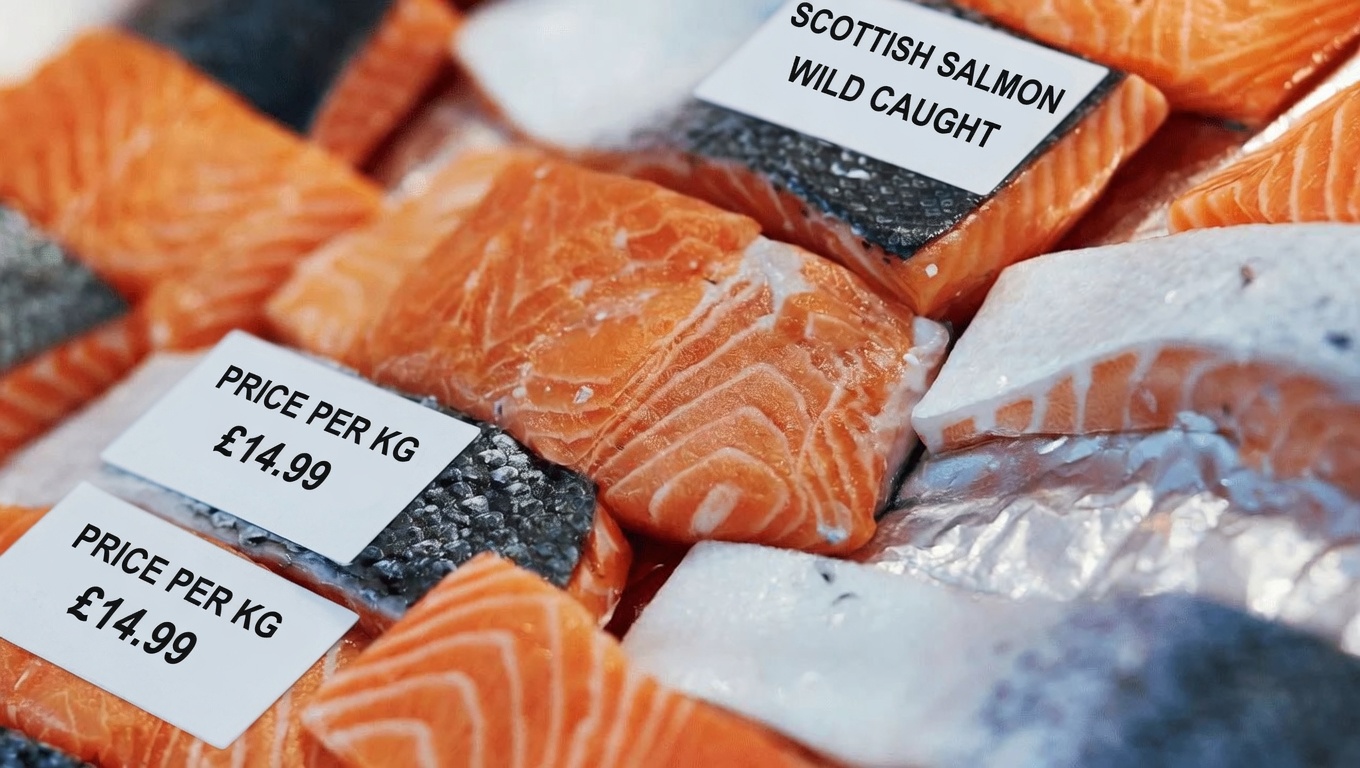
Salmon is widely viewed as a nutrition powerhouse, but sourcing can make a big difference. Some imported farmed salmon from regions with limited environmental oversight may contain higher contaminant levels, depending on farming density, feed quality, and water conditions.
This doesn’t mean farmed salmon is automatically unsafe. It means traceability and standards matter. Look for trustworthy labeling and credible certifications when possible.
7. Chilean Sea Bass
Chilean sea bass is rich, buttery, and common on high-end menus. It’s also associated with moderate mercury levels and frequent sustainability concerns due to its life history and harvesting pressures.
For most healthy adults, it may be fine once in a while—the key is not turning it into a routine choice.
8. Orange Roughy
Orange roughy has a mild flavor, but its biology is the hidden issue. This fish can live over 100 years, giving it decades to accumulate mercury and other pollutants.
It also reproduces slowly, which increases overfishing risk and adds an environmental reason to avoid frequent consumption.
The Key Pattern Behind Higher-Risk Fish
When you look at the list, a clear theme appears. Fish most often linked to higher mercury tend to be:
- Large in size
- Long-lived
- Predatory
- High on the food chain
This is why smaller fish are typically seen as safer seafood choices for regular meals.
Lower-Mercury Seafood Swaps (Smart Alternatives)
Instead of focusing only on what to avoid, it helps to build a short list of seafood that is generally lower in mercury and still rich in omega-3s.
Commonly recommended options include:
- Salmon (from reputable sources)
- Sardines
- Anchovies
- Trout
- Atlantic mackerel (not king mackerel)
- Herring
These fish tend to accumulate fewer contaminants and often reproduce faster, which can also make them more sustainable choices.
How to Choose Fish with More Confidence (A Simple Checklist)
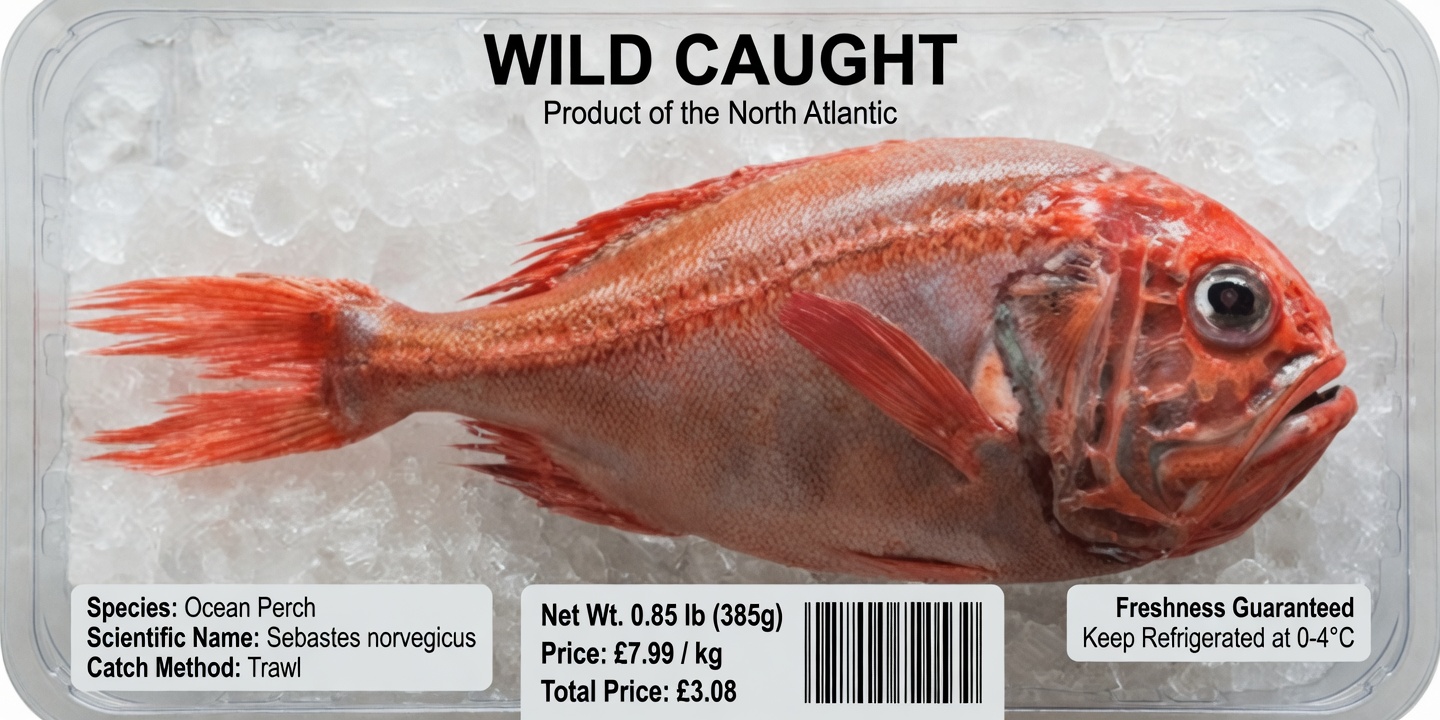
The seafood counter can feel confusing—wild-caught claims, country-of-origin labels, and marketing terms can all blur together. Use this step-by-step approach to make decisions easier.
-
Check updated official seafood guidance
Use recommendations from trusted public health agencies, which are revised based on ongoing research. -
Rotate what you eat
Don’t rely on the same fish every week. Variety reduces repeated exposure to any one contaminant. -
Watch portion sizes
Even moderate-mercury fish can fit into a balanced diet when serving sizes stay reasonable. -
Factor in life stage
Pregnant women, those planning pregnancy, nursing mothers, and young children should follow more cautious guidance due to mercury sensitivity. -
Ask about sourcing
When buying fresh fish, ask where it came from. Responsible vendors can usually provide clear origin details.
What About Canned Fish?
Canned fish is affordable, convenient, and often nutritious. In general:
- Light tuna (usually skipjack) is typically lower in mercury than albacore.
- Canned salmon and sardines are commonly considered low-mercury options.
Even with canned seafood, it’s wise to check labels and mix up your choices.
Balancing Seafood Benefits and Potential Risks
Seafood offers valuable nutrition, including high-quality protein, vitamin D, iodine, and omega-3 fatty acids that support cardiovascular and brain health. Many studies associate moderate fish intake with positive health outcomes.
The goal isn’t to fear fish—or remove it from your diet.
The goal is to choose wisely:
- Limit large predatory fish
- Prefer smaller, lower-mercury species
- Pay attention to origin and farming practices
The “Surprising” Change That Makes the Biggest Difference
Most people assume the best strategy is cutting out one specific fish forever. In reality, the biggest improvement often comes from something simpler: rotation and mindful sourcing.
By changing what you buy from week to week—and paying closer attention to where your seafood comes from—you can significantly reduce long-term exposure without giving up the taste, convenience, or health benefits of fish.
Conclusion
Some fish are nutritious but not ideal as regular staples—especially large, long-lived predators that accumulate more mercury and pollutants. The safest approach isn’t perfection; it’s consistency: choose lower-mercury seafood more often, rotate your options, and prioritize trustworthy sourcing.