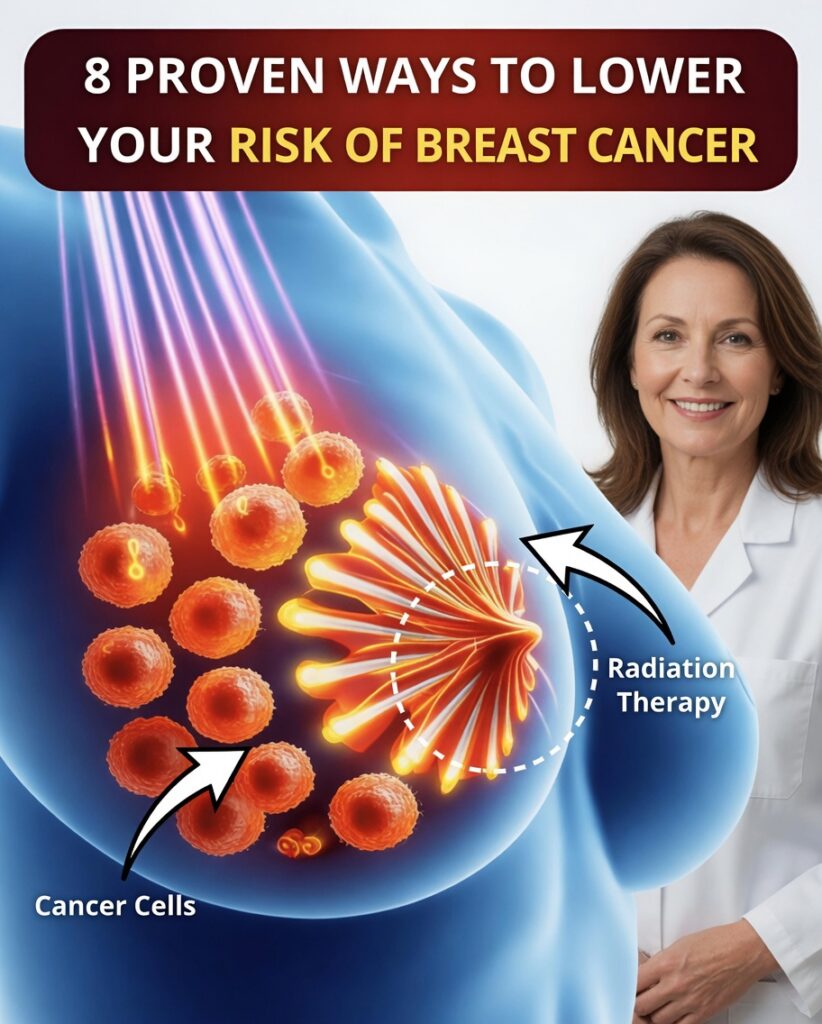
Breast Cancer and Everyday Choices: Practical Ways to Support Long-Term Breast Health
Breast cancer affects millions of families each year, and it’s normal for “what if” worries to linger—especially when you’re already trying to eat well, stay active, and make smart health decisions. The uncertainty can feel exhausting, and headlines often emphasize numbers rather than actionable steps.
The encouraging reality is that research consistently links certain daily habits with better overall health and factors tied to breast health. One of the most underestimated strategies is revealed later in this article—and it’s simpler than most people expect.
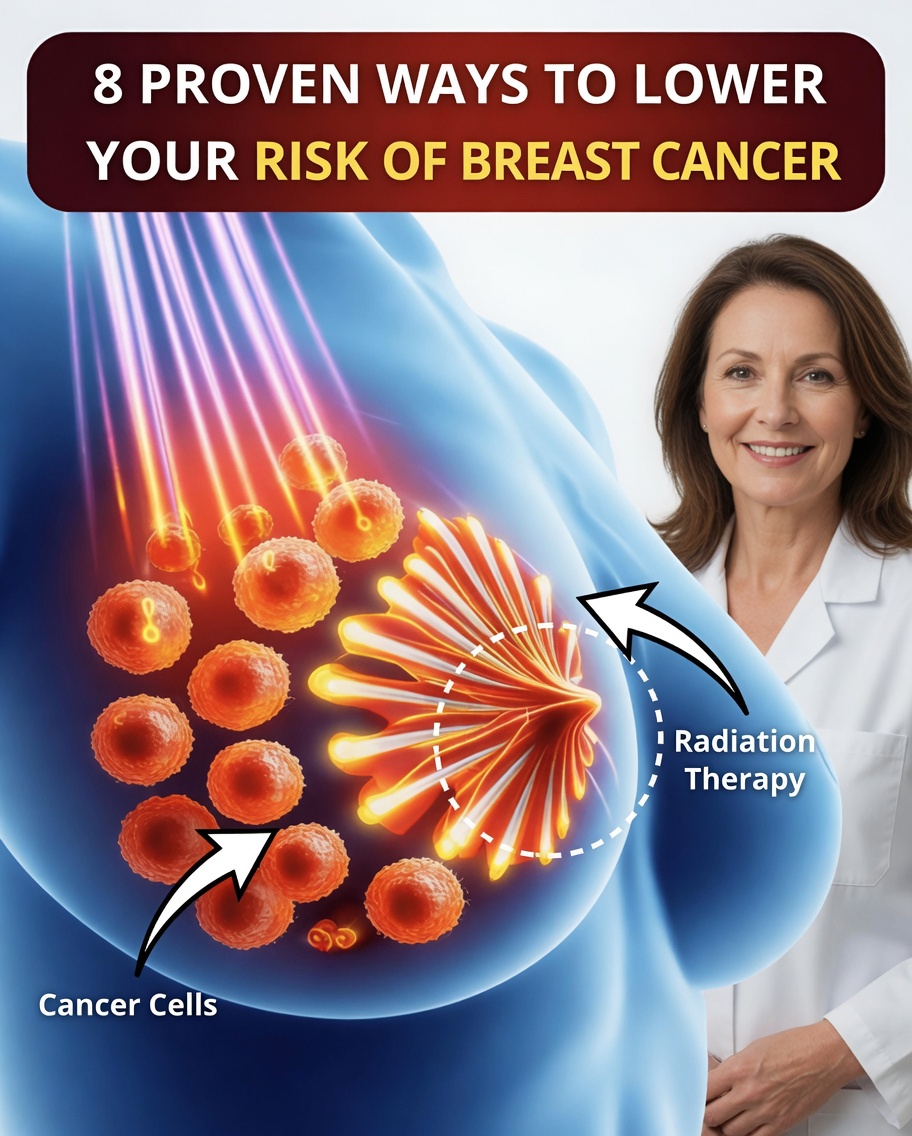
Why Lifestyle Plays a Bigger Role Than Many People Realize
Some breast cancer risk factors—like age or inherited genetics—can’t be changed. However, a significant portion of risk is influenced by lifestyle patterns that affect:
- Hormone balance
- Inflammation
- Body weight and body fat distribution
- Metabolic health (blood sugar, insulin response, lipid profile)
It’s important to be clear: lowering risk is not the same as guaranteeing prevention. Think of it as improving your odds through consistent, realistic behaviors over time.
1) Maintain a Healthy Body Weight
Higher body fat—especially after menopause—is associated with increased estrogen levels. Long-term estrogen exposure is linked in many studies to a higher risk of postmenopausal breast cancer.
Large population research suggests that keeping body weight in a healthy range (often measured by BMI and waist circumference) may help reduce risk after menopause.
Start here today:
- Prioritize minimally processed foods over ultra-processed meals
- Aim for vegetables to fill about half your plate
- Choose lean proteins and unsaturated fats (fish, olive oil, nuts, seeds)
- Pay attention to portions without extreme dieting
Sustainable balance matters far more than fast results.
2) Stay Physically Active
Regular movement supports breast health by helping regulate hormones, strengthening immune function, lowering inflammation, and making weight management easier.
The best news: you don’t need punishing workouts to benefit.
Aim for:
- 150 minutes/week of moderate activity (such as brisk walking), or
- 75 minutes/week of vigorous activity, plus
- Strength training twice weekly
Even small increases in movement—taking the stairs, walking after meals, short home workouts—can compound into meaningful long-term impact.
3) Limit Alcohol Intake
Alcohol is one of the most consistent lifestyle factors associated with increased breast cancer risk in scientific research. Even lower levels may slightly raise risk, likely through effects on estrogen and cellular damage pathways.
If you drink, consider:
- Keeping it to no more than one drink per day
- Choosing alcohol-free options for some social events
- Planning alcohol-free days each week
This isn’t about eliminating enjoyment—it’s about being deliberate.
4) Eat a Balanced, Plant-Forward Diet
There is no single “anti-breast-cancer” food. However, eating patterns rich in plant foods are associated with better metabolic health and lower inflammation markers.
Build meals around:
- A variety of colorful vegetables (especially leafy greens and cruciferous vegetables)
- Fiber-rich whole grains (oats, brown rice, whole wheat, quinoa)
- Beans, lentils, and other legumes
- Healthy fats (olive oil, avocado, nuts, seeds)
- Fatty fish for omega-3s (salmon, sardines, mackerel)
A noteworthy detail: fiber may support healthier estrogen regulation by promoting effective elimination through digestion.
5) Breastfeed If You Can and Choose To
For those who are able and decide to breastfeed, research suggests a modest reduction in breast cancer risk, with stronger protective effects linked to longer breastfeeding duration.
Scientists believe hormonal shifts during lactation may be part of the explanation. That said, breastfeeding is personal and influenced by medical, practical, and emotional factors—support and flexibility matter most.
6) Avoid Smoking and Secondhand Smoke
Smoking is widely associated with multiple cancers, and research also suggests it may increase breast cancer risk. Avoiding secondhand smoke is important as well.
Stopping smoking supports health broadly by:
- Improving circulation
- Reducing chronic inflammation
- Strengthening immune defenses
If quitting feels daunting, consider gradual steps: counseling, nicotine replacement, prescription options, or community cessation programs.
7) Make Informed Decisions About Menopausal Hormone Therapy
Certain forms of combined menopausal hormone therapy have been linked in large studies and trials to increased breast cancer risk. This doesn’t mean hormone therapy is “bad” for everyone—only that the decision should be personalized.
If you’re considering hormone therapy:
- Review risks and benefits with your clinician
- Use the lowest effective dose if appropriate
- Reassess regularly as symptoms and needs change
Individual guidance is essential here.
8) Keep Up With Recommended Screenings
Screening doesn’t reduce the chance of developing breast cancer, but it can improve outcomes by identifying changes earlier. Screening schedules depend on age, personal history, and family risk.
Your clinician may recommend:
- Clinical breast exams
- Mammograms at intervals appropriate for your risk level
One key point many people miss: screening and lifestyle habits work best together, not as separate strategies.
Risk Factors: What You Can Change vs. What You Can’t
Non-modifiable factors
- Age
- Genetic mutations
- Family history
- Early menstruation
- Late menopause
Modifiable factors
- Body weight
- Physical activity
- Alcohol use
- Smoking exposure
- Dietary patterns
Focusing on what you can influence helps shift the mindset from fear to practical control.
Stress and Sleep: The Often-Ignored Health Foundation
Chronic stress and poor sleep may affect inflammation and hormone regulation indirectly. While research is still evolving, strong sleep habits and stress management consistently support overall health.
Try these evidence-informed basics:
- Target 7–9 hours of sleep per night
- Use calming practices (deep breathing, meditation, gentle stretching)
- Reduce screen time before bed
- Keep a consistent, relaxing bedtime routine
Simple habits become powerful when repeated.
A Simple 4-Week Action Plan (No Overwhelm Required)
Week 1
- Add two servings of vegetables daily
- Take a 20-minute walk three times this week
Week 2
- Cut back on alcohol and increase water intake
Week 3
- Add two strength training sessions
Week 4
- Review sleep patterns and improve your bedtime routine
Small steps build momentum—and momentum builds lasting change.
The Overlooked Strategy That Makes Everything Work: Consistency
Here’s the “surprising” piece many people underestimate: consistency beats intensity.
Not perfection. Not extreme restrictions. Not doing everything at once. The habits that influence long-term health patterns are the ones you can maintain.
What Research Suggests About Combining Healthy Habits
Large observational studies often find that people who practice multiple healthy behaviors—rather than relying on one single change—tend to have lower overall cancer risk.
The key insight: no single habit is a standalone shield. A cluster of sustainable behaviors creates the strongest long-term advantage.
Conclusion
Reducing breast cancer risk isn’t about fear-based choices or harsh rules. It’s about building steady, science-informed routines that support hormone balance, healthy weight, and whole-body wellbeing. Maintaining a healthy body weight, staying active, limiting alcohol, eating a plant-forward diet, avoiding smoking, making thoughtful hormone therapy decisions, prioritizing sleep, and following screening guidance are all meaningful steps. Over time, small daily choices genuinely add up.
Frequently Asked Questions
- Can lifestyle changes completely prevent breast cancer?