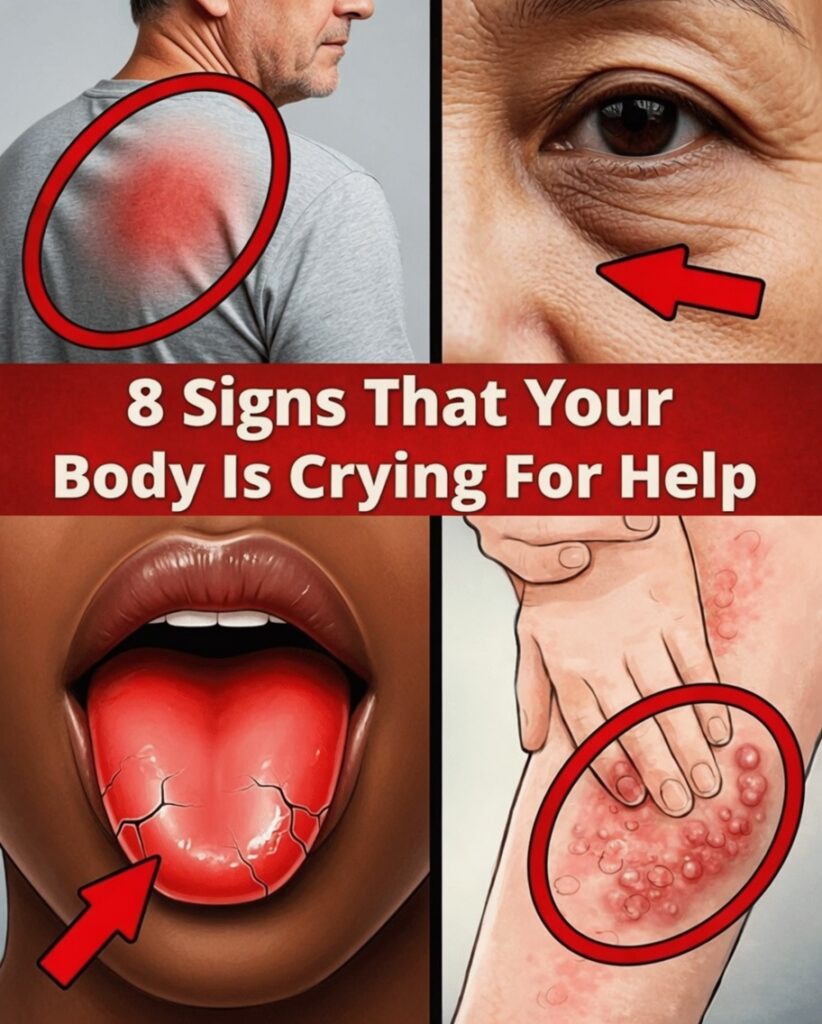
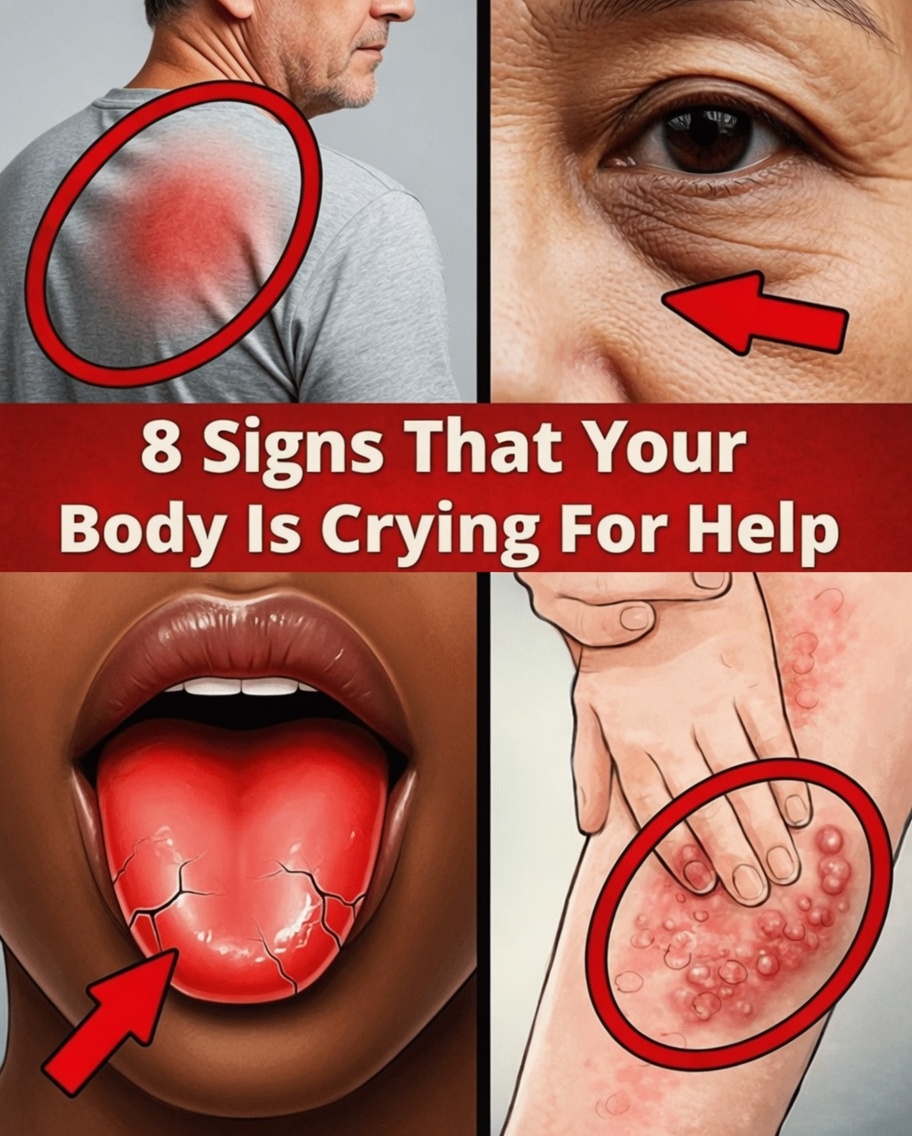
Feeling “Off” Could Be Your Body Asking for Support
Some days you just don’t feel like yourself. Your skin may seem unusually dry, your nails might snap more than they used to, or a heavy fatigue follows you even after a full night’s sleep. It’s easy to blame stress, busy schedules, or getting older—but small, persistent changes can build into daily frustration and reduced confidence.
In many cases, these subtle signals are your body’s early way of flagging possible nutrient shortfalls, hydration problems, or other imbalances that influence energy, comfort, and overall well-being. Noticing them sooner helps you take practical steps—and creates a stronger starting point for a conversation with a healthcare professional.
And there’s a simple end-of-day habit later in this article that may support several of these concerns at once.
1) Frequent Mouth Ulcers
Recurring canker sores can make eating and speaking surprisingly painful, turning meals into something you dread. Health resources frequently note that repeated mouth ulcers may be associated with low levels of vitamin B12, iron, or folate—nutrients essential for healthy tissue repair and immune function.
When your body doesn’t have enough of these building blocks, the lining of the mouth may heal more slowly, making flare-ups more common. Over time, persistent discomfort can also contribute to irritability and low mood.
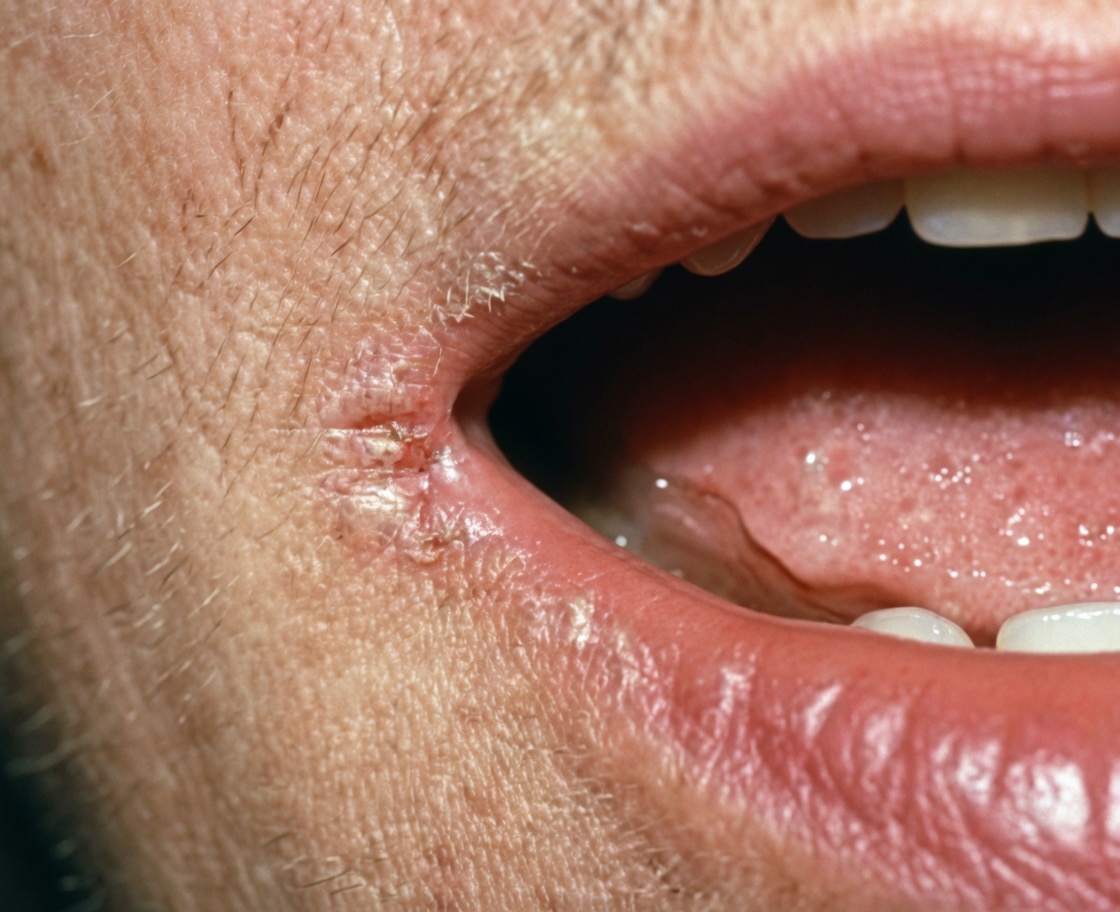
2) Cracks at the Corners of the Mouth
Sore, red splits at the edges of the lips can sting with every smile, bite, or yawn. These cracks—often described as angular cheilitis-like symptoms—are commonly linked in medical education sources to potential iron, zinc, or B vitamin insufficiency. In some cases, dehydration or fungal overgrowth may also play a role, especially when the problem keeps returning.
Beyond the physical discomfort, this sign can make social interactions awkward and may cause you to avoid certain foods.
3) A Swollen, Red, or Smooth-Looking Tongue
If your tongue appears unusually red, puffy, or “polished” (smooth), it can be unsettling—and it may affect taste and comfort while eating. Clinical reviews often connect this change to shortages in B vitamins (B2, B3, B6, B12) or iron-related anemia, both of which can influence oral tissue health.
Because the mouth often shows early signs of imbalance, tongue changes are worth noting—especially if they appear alongside fatigue or mouth soreness.
4) Weak or Brittle Nails
Nails that peel, split, or break easily can make simple tasks (typing, opening containers, grooming) more annoying than they should be. Health references commonly associate brittle nails with low biotin, iron, or calcium. In some situations, thyroid imbalance may also affect nail strength and growth.
Because nails are highly visible, these changes can feel personal—yet they’re also a useful clue that your body may need additional support.

5) Numbness or Tingling in Hands and Feet
Pins-and-needles sensations—or ongoing numbness in the hands and feet—can disrupt sleep, concentration, and even walking comfort. Educational health sources frequently point to vitamin B12 deficiency as a possible contributor because B12 is important for nerve function. Other common contributors can include circulation concerns and additional medical factors.
If tingling persists or worsens, it’s especially important to discuss it with a clinician rather than guessing the cause.
6) Persistent Dry Skin
When your skin stays flaky, tight, or itchy despite using moisturizers, the issue may go deeper than surface care. Ongoing dryness is often associated with dehydration, low intake of omega-3 fatty acids, or thyroid-related changes that affect skin turnover and moisture retention.
Supporting hydration and nutrition from the inside out often makes topical skincare more effective.

7) Foot Pain or Unusual Changes in Toe Shape
Sore feet, swelling, or noticeable changes in toe alignment can gradually limit mobility and reduce enjoyment of everyday movement. Depending on the situation, these changes may relate to circulation issues, arthritis, or factors that weaken bones and connective tissue over time—including possible nutrient gaps.
Because your feet carry your entire body weight, even small issues can snowball into bigger quality-of-life problems if ignored.
8) Chronic Fatigue
Feeling exhausted all the time—even after rest—can affect work, relationships, and motivation. Medical organizations often associate prolonged fatigue with issues such as thyroid dysfunction, anemia (often linked to low iron), and the long-term effects of stress on energy regulation.
When fatigue becomes your “new normal,” it’s a sign to pause and look for underlying drivers rather than pushing through.

Common Signs at a Glance
- Frequent mouth ulcers
- Possible related factors: B12, iron, folate
- Everyday impact: painful eating, irritation
- Cracks at mouth corners
- Possible related factors: iron, zinc, B vitamins, dehydration
- Everyday impact: stinging, self-consciousness
- Swollen/red tongue
- Possible related factors: B vitamins, anemia
- Everyday impact: taste changes, oral discomfort
- Brittle nails
- Possible related factors: biotin, iron, calcium, thyroid
- Everyday impact: breakage, reduced confidence
- Tingling in extremities
- Possible related factors: B12, circulation
- Everyday impact: disrupted sleep/focus, worry
- Persistent dry skin
- Possible related factors: dehydration, omega-3, thyroid
- Everyday impact: itchiness, discomfort
- Foot pain/changes
- Possible related factors: circulation, arthritis, nutrients
- Everyday impact: limited mobility
- Chronic fatigue
- Possible related factors: thyroid, anemia, stress
- Everyday impact: low energy, frustration
These patterns—often discussed across trusted health education sources—can overlap, which is why it’s common to notice more than one at the same time.
Quick Self-Check Questions
- Do mouth sores or cracked lip corners keep coming back and make meals stressful?
- Are your nails breaking more often, or does tingling interrupt your sleep?
- Do dry skin and constant tiredness make you feel less like yourself?
If you answered “yes” to any of these, consider them helpful data—not a reason to panic.
Practical Ways to Support Your Body
Persistent symptoms deserve professional guidance—self-diagnosis can miss important causes. To take safe, practical steps:
- Track your symptoms
- Note when they appear, how long they last, and possible links to diet, stress, sleep, or weather.
- Upgrade your nutrition gradually
- Leafy greens (folate, iron)
- Eggs and dairy (many B vitamins)
- Fatty fish, flaxseeds, walnuts (omega-3s)
- Prioritize hydration
- Aim for roughly 6–8 glasses of water daily, adjusting for activity and climate.
- Move gently to improve circulation
- Walking, light stretching, or low-impact routines can support energy and blood flow.
- Support skin and nails externally
- Use consistent moisturizers, lip balms, and protective routines—especially in dry or cold weather.
Small changes, done consistently and with medical input when needed, often create meaningful improvements.
Quick Daily Support Tips
- Eat balanced meals with protein, whole grains, and colorful vegetables to support repair and steady energy.
- Add omega-3-rich foods (salmon, chia, flax, walnuts) to nourish skin health.
- Use simple stress-lowering habits like deep breathing or a short daily walk.
- Bring your symptom notes to your doctor to get personalized testing and guidance.
Empower Yourself Through Awareness (Plus the One Simple Habit)
These eight signs—ranging from mouth ulcers to chronic fatigue—highlight how connected your body systems are. The sooner you notice patterns, the sooner you can take supportive steps and avoid feeling uncomfortable longer than necessary.
The simple daily habit that can help multiple areas at once: gentle movement at the end of the day, such as light yoga or stretching. Research commonly suggests this can support circulation, stress reduction, and recovery, which may indirectly improve how your body uses and delivers nutrients. If you have underlying conditions or pain, discuss the best approach with your healthcare provider.
FAQ
What if I notice several signs at the same time (like dry skin and fatigue)?
Track them together and speak with a healthcare professional. Shared drivers—such as thyroid function, iron status, or B vitamin levels—can sometimes connect multiple symptoms.
Can these symptoms be caused by diet alone?
Sometimes. Nutrient gaps from unbalanced eating can contribute, but stress, absorption issues, medications, and medical conditions can also be involved. A professional evaluation helps clarify the real cause.
How soon can lifestyle changes help with issues like brittle nails or fatigue?
Timing varies. Some changes (like hydration and sleep) may help within days to weeks, while nails and nutrient repletion can take longer—often several weeks or more—depending on the underlying cause and consistency.