
If you’re monitoring blood sugar, bread can feel like the first food you “should” avoid. Many refined white breads digest quickly, often triggering a rapid glucose spike followed by an energy crash that leaves you hungry again soon after. The reality is more encouraging: some breads are far more blood-sugar-friendly than others—especially those made with fiber-rich grains, protein-forward ingredients, and traditional processing methods that slow digestion.
This guide covers eight bread types that research suggests may support a more stable post-meal blood sugar response than refined options—plus practical, everyday ways to eat them. Stay to the end for a simple pairing trick that can make almost any bread work better for you.
Why Some Breads Support More Stable Blood Sugar
The difference comes down to how fast carbohydrates are broken down into glucose. Refined breads (made with highly processed flour) tend to digest rapidly, leading to sharper glucose rises. In contrast, breads that are higher in:
- Soluble fiber (such as beta-glucan)
- Protein
- Healthy fats
- Sprouted grains
- Fermented dough (true sourdough)
…generally slow digestion and reduce how quickly glucose enters the bloodstream, supporting steadier energy after meals.
Individual responses can differ, and portion size still matters—so read labels and build balanced meals around your bread choice.
1. Oat Bread: A Beta-Glucan Fiber Boost
Oat bread is notable for beta-glucan, a soluble fiber that can form a gel-like texture in the digestive tract. This slows digestion and may reduce the speed of glucose absorption. Research often links beta-glucan-rich foods with improved post-meal blood sugar patterns.
- Easy way to eat it: Toast one slice and add natural almond butter plus fresh berries for a filling breakfast.
- What to look for: Choose loaves where oats are listed first and aim for at least 3 g fiber per slice.
2. 100% Whole-Grain Bread: The Most Reliable Upgrade
“Whole wheat” on the front label doesn’t always mean truly whole-grain. For better blood sugar support, pick bread made with 100% whole grains (not enriched or refined flour) and a solid fiber content. The bran and intact grain structure slow carbohydrate breakdown.
- Balanced pairing: Make an open-faced sandwich with turkey, avocado, and spinach.
- Skip these: Loaves with added sugars, “enriched” flour, or long ingredient lists that read like dessert.
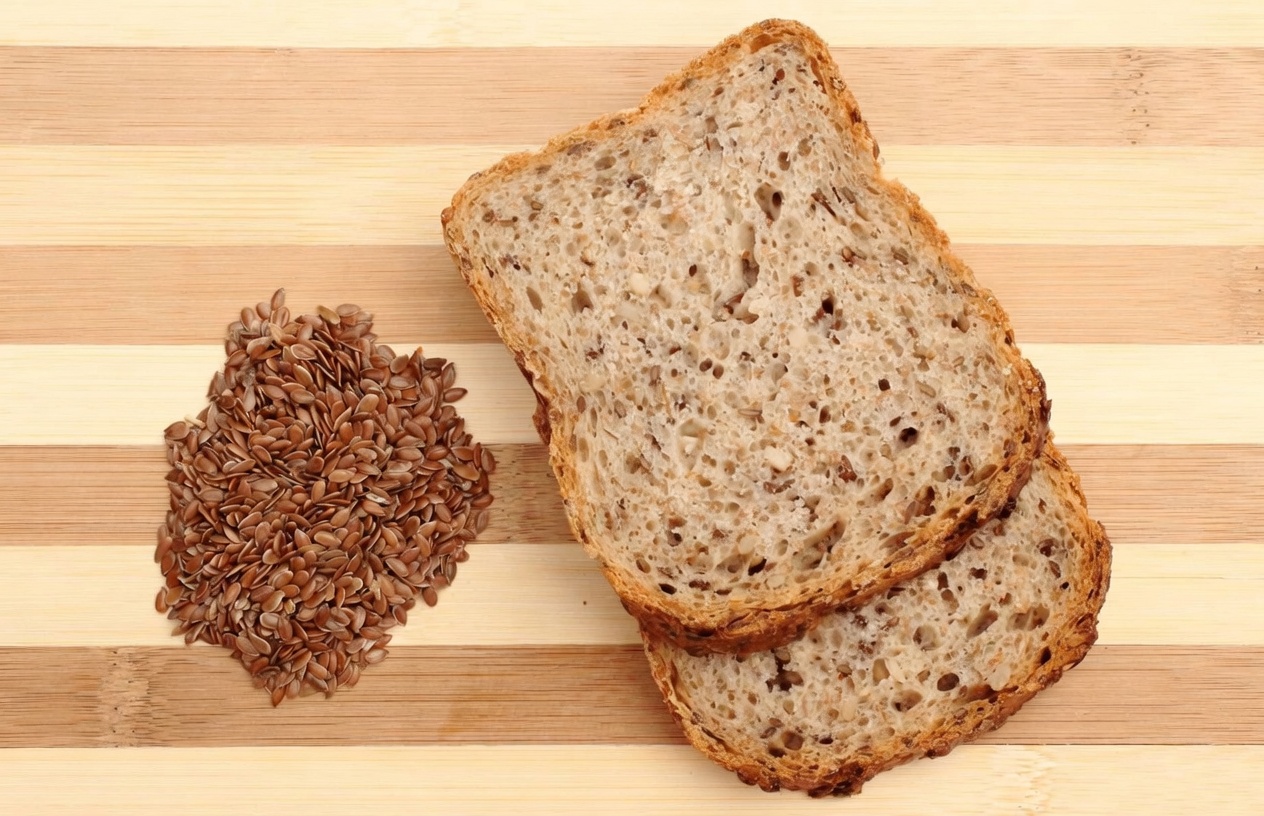
3. Flaxseed Bread: Fiber + Omega-3s in One Slice
Flaxseed bread combines extra fiber with healthy fats (including omega-3s)—a mix that can increase fullness and help slow glucose release after a meal. Research suggests flaxseed additions may support metabolic health markers.
- Try this for lunch: Hummus + cucumber slices on toasted flax bread for a light, satisfying option.
- Extra benefit: Ground flax brings a mild nutty taste and a pleasant texture without overpowering the bread.
4. Quinoa Bread: More Protein, More Staying Power
Quinoa is known as a complete protein, meaning it contains all essential amino acids. When quinoa is used in bread (especially in whole-grain forms), it can improve satiety and may help reduce post-meal spikes compared with refined breads.
- Breakfast idea: Toast quinoa bread and top with scrambled eggs and a pinch of chili flakes.
- Label tip: Many gluten-free loaves use quinoa—just confirm it’s part of a whole-grain blend, not mainly refined starches.
5. Sprouted Grain Bread: Easier-to-Digest Grains
Sprouting activates natural enzymes in grains, which can break down some starches and improve nutrient availability. Many people find sprouted breads easier to digest, and research often associates them with lower glycemic responses compared with standard refined breads.
- What to buy: Look for “sprouted whole grains” (often Ezekiel-style loaves).
- Simple meal: Sprouted toast with avocado and a poached egg for protein, fiber, and healthy fats in one plate.
6. Authentic Sourdough: Fermentation That Slows Starch Digestion
Traditional sourdough fermentation produces organic acids that can slow how quickly starch is digested. Evidence suggests true sourdough may lead to gentler blood sugar responses than many non-fermented breads.
- Best sandwich combo: Lean ham, lettuce, and tomato on sourdough for a classic, balanced meal.
- Important note: Not all “sourdough” is real—some commercial loaves use shortcuts with added yeast and sour flavoring. Look for artisan options or ingredient lists that reflect fermentation.
7. Seeded Multigrain Bread: Fiber, Protein, and Healthy Fats Together
Seeded multigrain breads often include chia, sunflower, flax, and other seeds that add fiber, protein, and fats—a combination that supports slower digestion and steadier energy.
- Tasty option: Avocado on top, finished with extra seeds for crunch.
- Choose wisely: Heavier, denser loaves with visible seeds are often better than light, airy versions.
8. Gluten-Free Whole-Grain Bread: Good Choice When Ingredients Are Right
If you avoid gluten, you can still choose bread that supports stable blood sugar—if it’s made from whole-food ingredients like brown rice, buckwheat, millet, quinoa, and seeds. The challenge is that many gluten-free breads rely on refined starches that behave more like white bread.
- Watch out: If the first ingredients are starches (and fiber is low), it may spike blood sugar quickly.
- Meal idea: Pair gluten-free whole-grain bread with grilled chicken and non-starchy vegetables for a balanced plate.
Practical Tips to Eat Bread With Better Blood Sugar Balance
Picking a smarter loaf is a strong first step. These habits can make it even more supportive:
- Pair bread with protein and fat: Eggs, Greek yogurt, nuts, tuna, lean meats, avocado, and olive oil can slow carbohydrate absorption.
- Add non-starchy vegetables: Leafy greens, tomatoes, cucumbers, peppers, and salads improve meal balance.
- Keep portions reasonable: For many people, 1–2 slices per meal is a helpful range.
- Read labels like a pro: Aim for more than 3 g fiber per slice, less than 2 g added sugar, and whole ingredients listed first.
- Timing can help: Eating bread earlier in the day (when you’re more active) may support better glucose handling.
A simple upgrade that surprises many people: add acidity (like vinegar in a side salad or a vinaigrette) or use cinnamon with your meal—both are commonly discussed for supporting steadier post-meal responses.
Final Thoughts
Bread can absolutely fit into a blood-sugar-conscious lifestyle when you choose higher-fiber, minimally refined options such as oat bread, sprouted grain bread, authentic sourdough, and seeded multigrain varieties. When you combine these choices with protein, healthy fats, and vegetables, you’re more likely to experience stable energy and fewer cravings. Test a few styles, monitor how you feel, and build your go-to meals from there.
FAQ
What makes a bread “good” for blood sugar support?
Look for bread that offers:
- At least 3 g fiber per slice
- Whole or sprouted grains as the first ingredient
- Minimal added sugar
- Optional advantages like seeds or fermentation to slow digestion
Is sourdough actually better than regular whole wheat bread?
Often, yes—if it’s authentic sourdough. Fermentation can reduce the glycemic impact compared with many yeast-risen breads. However, individual responses vary, so it’s worth testing your own tolerance.
Can you eat bread daily while watching blood sugar?
For many people, yes—if you prioritize quality, portion control, and balanced pairings. Track how your body responds and adjust based on your overall diet, activity level, and health status.
Disclaimer
This article is for informational purposes only and does not provide medical advice. For personalized guidance on blood sugar management, consult a qualified healthcare professional or registered dietitian. Individual results vary based on overall diet, lifestyle, and health conditions.