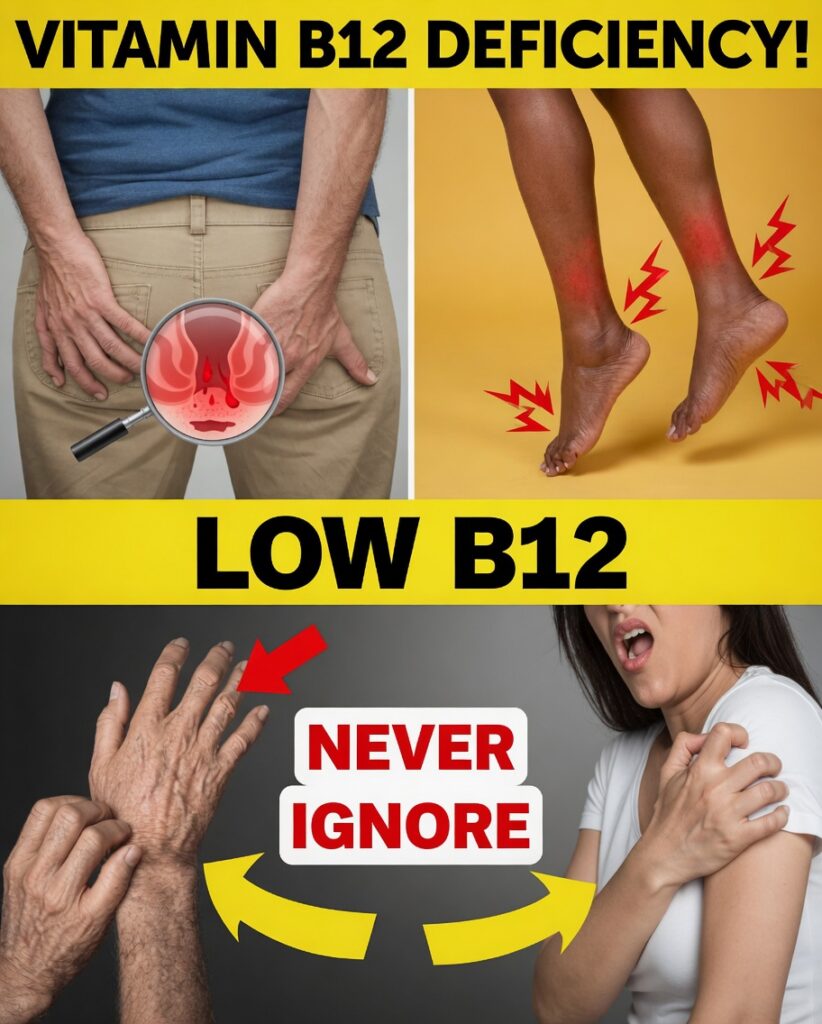
Feeling Exhausted, Foggy, or Tingly? Low Vitamin B12 Could Be the Missing Clue
Waking up tired even after a solid night of sleep can feel discouraging—especially when mental “fog” follows you through the day and faint tingling starts showing up in your hands or feet. When these changes persist, everyday tasks may suddenly feel harder than they should, leaving you wondering what’s going on.
Sometimes, these subtle shifts are your body’s early way of asking for more vitamin B12. Recognizing the signs sooner rather than later can make a meaningful difference.
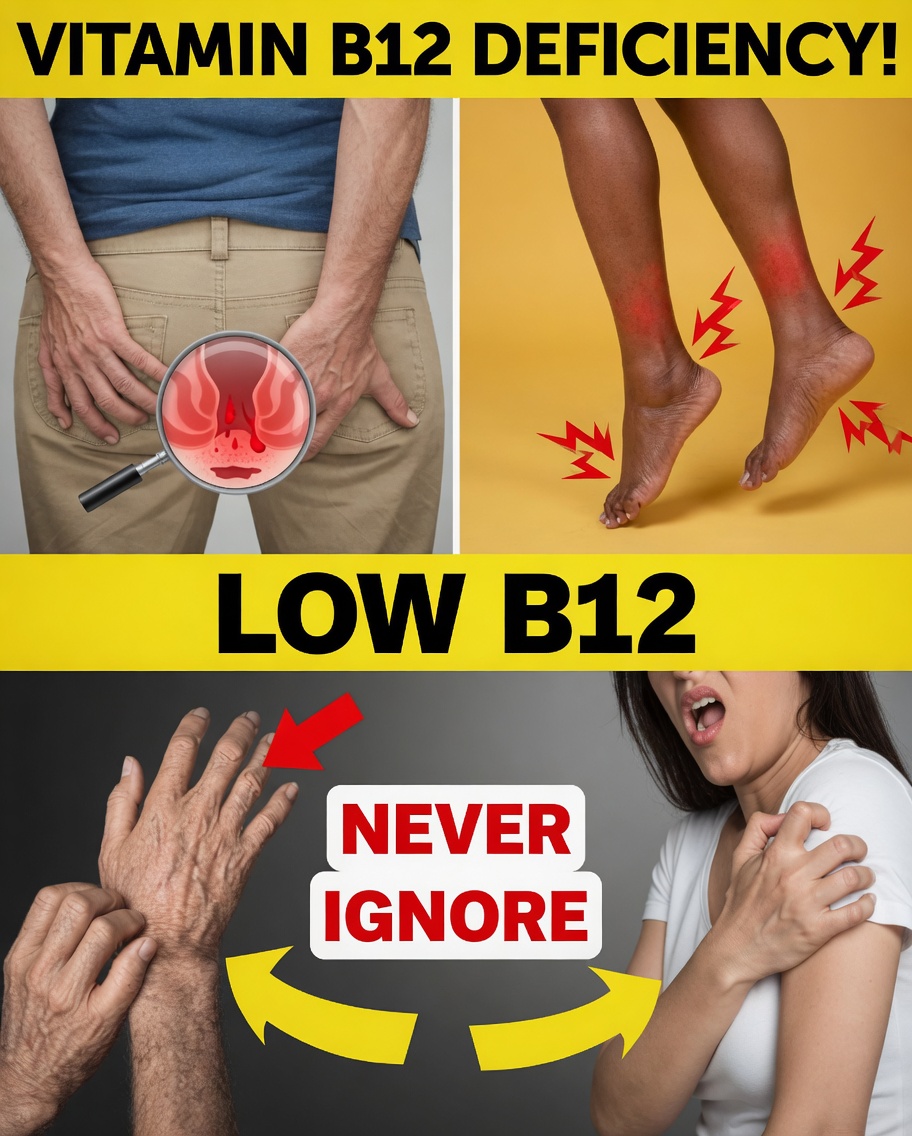
Many people dismiss these sensations as “just aging,” yet vitamin B12 deficiency or low B12 status affects millions and often develops quietly. What makes it tricky is that some of the most unusual symptoms are also the easiest to ignore. Below are eight lesser-known signs research commonly associates with low vitamin B12.
Why Vitamin B12 Supports Energy, Nerves, and Daily Function
Vitamin B12 is essential for:
- Healthy nerve signaling
- Red blood cell production
- Steady energy and mental clarity
When B12 levels drop, your body may struggle to maintain normal nerve function and oxygen delivery through red blood cells. Symptoms can build gradually, and for many adults—especially older adults—B12 absorption can decline over time, allowing problems to develop without obvious warning.

A key surprise: low B12 doesn’t always start with “classic” fatigue. In many cases, the earliest clues are stranger and more easily overlooked.
Natural Ways to Get More Vitamin B12
The most absorbable dietary vitamin B12 typically comes from animal-based foods, while fortified products can help people who eat little or no animal foods. Supplements may be useful when absorption is reduced.

- Animal foods: salmon, eggs, beef, clams
- Naturally rich in B12 and generally well absorbed
- A common option is a 3–4 oz serving as part of a meal
- Dairy foods: yogurt, cheese, milk
- Convenient, familiar, and easy to add daily
- Example: about 1 cup of yogurt
- Fortified foods: breakfast cereals, fortified plant milks
- Helpful for vegetarians/vegans or anyone limiting animal foods
- Check the label for added vitamin B12
- Supplements: oral tablets, sublingual forms, or injections
- Often considered when dietary intake or absorption is an issue
- Best chosen with medical guidance
Regularly including B12-rich choices can feel especially empowering when your energy and focus don’t seem to match your efforts.
The 8 Unusual Signs Commonly Linked to Low Vitamin B12
Everyone’s body responds differently, but studies suggest these lesser-known symptoms may show up early—sometimes before more recognizable signs.

8) Blurred or Disturbed Vision
Intermittent blurry vision can be unsettling, particularly when reading becomes difficult or driving feels more stressful. Some research suggests low B12 may affect the optic nerve in certain cases, contributing to visual disturbances.
7) Mood Shifts (Irritability, Low Mood, “Not Yourself” Feelings)
If you feel unusually irritable, flat, or down without a clear reason, it can strain relationships and reduce day-to-day enjoyment. Low vitamin B12 has been linked in research to changes that may affect brain chemistry involved in mood stability.
6) Balance Problems or an Unsteady Walk
Feeling wobbly or less steady on your feet can reduce confidence even at home. Because B12 supports nerve function, low levels may interfere with the signals involved in coordination—raising concerns about trips and falls.
5) Brain Fog and Memory Slips
Trouble concentrating, slower thinking, or forgetting small details can turn simple routines into frustrating obstacles. Cognitive changes are commonly reported in low B12 states and can lead people to question their sharpness unnecessarily.

4) Paleness or a Slight Yellowish Tint
Noticing paler skin—or a faint yellow tone—can be linked to changes in red blood cells. Since B12 is involved in red blood cell production, low levels may contribute to an altered skin appearance.
3) A Red, Glossy, or Painful Tongue
A smooth, “beefy red” tongue that feels sore can make eating and speaking uncomfortable. This symptom, often called glossitis, is a classic but surprising sign associated with low vitamin B12.
2) Ongoing Fatigue That Doesn’t Improve With Rest
Persistent exhaustion that lingers even after sleep can drain the joy from daily life. Research connects low B12 with reduced cellular energy processes, making fatigue one of the most common—and most disruptive—symptoms.
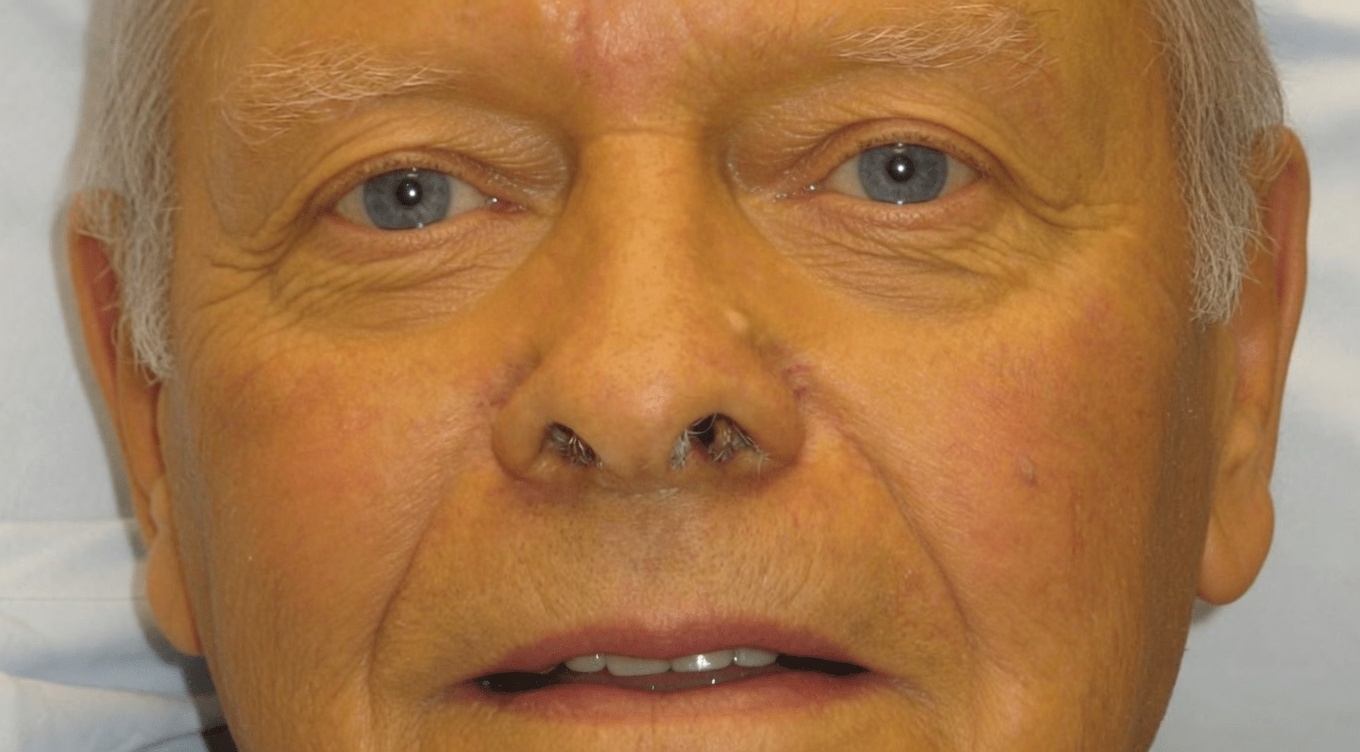
1) Tingling, Numbness, or “Pins and Needles” in Hands and Feet
That creeping sensation in the extremities can be alarming and can interfere with comfort, walking, or grip strength. Nerve involvement is one of the most concerning complications of low vitamin B12, and it’s also one of the most distinctive early warnings.
If these symptoms sound familiar, you’re not alone—and noticing them is a powerful first step toward feeling more like yourself again.
Real-Life Stories That Show What Can Change
Robert, 68, lived for years with tingling feet and mental fog, assuming it was simply part of getting older. After discovering low vitamin B12, he made straightforward adjustments and felt his clarity and steadiness return: “I finally feel sharp again.”
Evelyn, 72, struggled with a sore tongue and relentless tiredness that made meals unpleasant. Adding more vitamin B12 sources helped reduce her discomfort noticeably within a few weeks.
Many people report improvements after addressing low B12—even when earlier results looked only “borderline.”
Practical Steps to Support Healthy Vitamin B12 Levels
Small, consistent actions tend to work best:
- Add B12-rich foods daily
- Examples: eggs, salmon, yogurt
- Use fortified foods if you eat plant-based
- Look for cereals or plant milks with added vitamin B12
- Pay attention to patterns
- Track energy, focus, balance, and tingling over time
- Speak with your healthcare provider
- A simple blood test can help assess B12 status if symptoms persist
- Ask about absorption issues
- Age, digestive changes, and some medications can reduce B12 absorption, so individualized guidance matters
Listening Early Can Help You Restore Vitality
Catching unusual signs of low vitamin B12 early can help you take informed, manageable steps toward more stable energy, clearer thinking, and improved comfort. As research continues, vitamin B12 remains a key nutrient associated with healthy aging and daily function.
You deserve to feel capable and well—discussing symptoms and testing options with a qualified clinician may provide valuable answers.
Frequently Asked Questions
What can cause low vitamin B12 besides diet?
Reduced absorption is common with aging. Certain medications and digestive changes can also interfere with B12 uptake—even if your diet includes enough B12.
Can low vitamin B12 affect mood?
Yes. Research suggests vitamin B12 may influence processes involved in emotional balance, which can contribute to mood changes in some people.
How quickly do symptoms improve after increasing vitamin B12?
Many people notice gradual improvement over weeks to months, depending on the severity, the cause (intake vs. absorption), and the treatment approach recommended by a clinician.
Disclaimer: This article is for informational purposes only and does not replace professional medical advice. Always consult a healthcare provider for personalized guidance about vitamin B12 or any health concern.