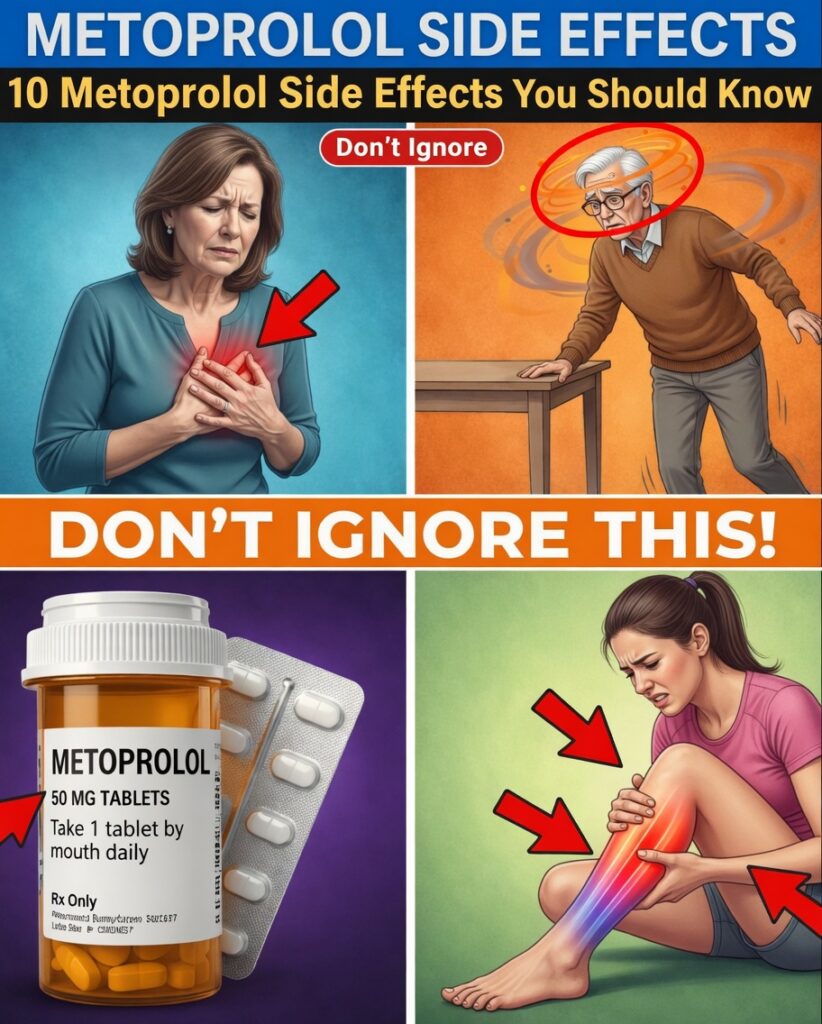
Metoprolol Side Effects People Often Miss (And Why They Matter)
Many people take Metoprolol to control high blood pressure or support heart conditions, expecting steadier days and fewer worries. Yet some users begin noticing small changes—persistent tiredness that makes mornings harder, or a low-grade uneasiness that dulls activities that used to feel enjoyable. Because these symptoms can seem vague, they’re often brushed aside, even as they gradually interfere with daily routines and overall vitality.
Learning about overlooked Metoprolol side effects can help you connect the dots, track what’s happening, and have a more productive conversation with your healthcare provider. One effect in particular tends to surprise many people as we reach the end of the list.
How Metoprolol Can Affect More Than Your Heart
Metoprolol is a beta-blocker designed to reduce the heart’s workload by slowing heart rate and lowering blood pressure. While this is beneficial for many patients, the same mechanism can also influence energy, circulation, breathing comfort, and even mood—sometimes in ways that aren’t fully discussed during short appointments.

Below are Metoprolol side effects that can be easy to overlook, explained in a practical, day-to-day context.
Side Effect #10: Unusual Fatigue That Wears You Down
You may start the day with a full plan and still feel a heavy crash by midday—where even light tasks feel draining. Fatigue is frequently reported, but it’s also commonly minimized because it can be mistaken for stress, poor sleep, or a busy schedule.
Mayo Clinic resources note that because Metoprolol slows the heart rate, it may reduce the body’s ability to ramp up oxygen delivery during activity in some people—leading to noticeable tiredness.
A helpful approach is to log when fatigue appears (morning vs. afternoon, after meals, after walking) so you can share patterns with your clinician.

Side Effect #9: Dizziness, Especially When Standing Up
A sudden head rush when rising from bed or standing after sitting can feel like the room briefly spins. This type of dizziness is often linked to an unexpected drop in blood pressure during position changes.
NHS guidance highlights that Metoprolol may lower blood pressure more than intended in certain situations, causing lightheadedness or orthostatic symptoms. That can make everyday movements feel less confident, especially when you’re in a hurry.

Side Effect #8: Cold Hands and Feet That Don’t Warm Up
If your fingers and toes stay cold even in a warm room—or you need extra layers that others don’t—this may be more than just “poor circulation.” Beta-blockers can reduce blood flow to the extremities in some individuals.
Cleveland Clinic information describes how Metoprolol may affect peripheral circulation, which can leave hands and feet feeling persistently cold and reduce comfort during normal activities.

Side Effect #7: A Slow Heartbeat You Notice More Than You’d Like
Metoprolol is intended to reduce heart rate, but occasionally the pulse becomes slower than comfortable. You might sense a sluggish heartbeat during rest, feel uneasy, or notice reduced stamina.
MedlinePlus explains that bradycardia (slow heart rate) can occur, and while it isn’t always dangerous, it’s worth monitoring—especially if it comes with weakness, dizziness, or fainting feelings. Checking your pulse periodically and sharing the readings with your doctor can be useful.

Side Effect #6: Mood Changes, Including Feeling Low
Some people describe a subtle emotional shift: less motivation, muted enjoyment, or a “gray” feeling that wasn’t there before. Because mood changes can have many causes, this effect is often overlooked.
Sources such as GoodRx and discussions in medical literature (including NCBI resources) note that beta-blockers may affect the nervous system in sensitive individuals, potentially contributing to low mood or emotional blunting.
If mood changes begin after starting or increasing Metoprolol, it’s reasonable to bring it up—especially if it affects relationships, work, or overall quality of life.

Side Effect #5: Shortness of Breath That Feels Unexpected
If a short walk, a flight of stairs, or light exertion leaves you pausing for air, it can be alarming—particularly if you didn’t have this issue before. While many people do well on Metoprolol, some may notice breathing discomfort.
Mayo Clinic information and TOPROL-XL prescribing details mention that beta-blockers can influence bronchial activity in certain individuals, which may feel more noticeable during exercise or in people with underlying respiratory sensitivity.
This symptom should not be ignored—especially if it’s new, worsening, or accompanied by chest symptoms.

Side Effect #4: Digestive Problems Such as Diarrhea or Nausea
Digestive upset can disrupt your day quickly—cramps, nausea, or diarrhea may make meals stressful and schedules unpredictable. These symptoms are sometimes dismissed as a food issue or a passing bug, but they can be medication-related.
Cleveland Clinic and NHS resources list gastrointestinal effects among possible reactions, including nausea and diarrhea. Tracking when symptoms occur (after dosing, after certain foods, at specific times) can help your provider identify next steps.
Side Effect #1: Weight Gain That Gradually Adds Up
A slow, creeping weight change—despite stable eating and activity habits—can be confusing and discouraging. For some patients, this becomes one of the most surprising Metoprolol-related issues.
Clinical observations suggest beta-blockers may contribute to modest weight gain in some people, potentially through reduced energy expenditure, lower exercise tolerance, or fluid-related changes. Not everyone experiences this, but noticing it early can help you respond proactively with your clinician.
Common vs. Less Common Metoprolol Side Effects (Quick Comparison)
Based on widely referenced medical sources such as Mayo Clinic, here’s a simple way to think about what may be seen more often versus less often:
Common side effects
- Fatigue
- Dizziness
- Slow heartbeat
- Cold hands and feet
- Shortness of breath
- Gastrointestinal upset
- Mood changes
Less common side effects
- Blurred vision
- Chest pain
- Confusion
- Unusual sweating
- Bloating
Your individual response matters—two people can take the same dose and have very different experiences.
Practical Ways to Manage Possible Metoprolol Side Effects
Noticing side effects does not mean you should stop Metoprolol suddenly. Abrupt discontinuation can be risky. Instead, consider these safer steps:
- Keep a simple symptom journal (what you felt, when it happened, possible triggers).
- Check your heart rate periodically and bring readings to your appointment.
- Stand up slowly and stay hydrated to reduce dizziness.
- Track weight weekly without panic—look for trends rather than daily fluctuations.
- Discuss ongoing symptoms directly; your clinician may consider dose adjustments, timing changes, or alternative options.
Taking an Active Role in Your Health
Overlooked Metoprolol side effects—such as fatigue, cold extremities, mood shifts, digestive upset, and weight changes—can quietly reduce day-to-day comfort if they’re not recognized. Paying attention to patterns turns uncertainty into useful information.
A focused conversation with your healthcare provider—supported by clear notes—can make treatment feel more personalized and manageable.
FAQ
What are the most common overlooked Metoprolol side effects?
Many people under-report fatigue, dizziness, cold hands/feet, and a slow heartbeat, even though these can strongly affect daily life.
Do Metoprolol side effects improve over time?
Some symptoms may lessen as the body adjusts, but any side effect that persists, worsens, or interferes with normal activities should be reviewed medically.
Should I stop Metoprolol if I notice these side effects?
No. Do not stop Metoprolol abruptly. Always speak with your healthcare provider first to reduce risk and explore safer options.
Disclaimer: This article is for informational purposes only and does not provide medical advice. Always consult a qualified healthcare provider regarding symptoms, medication concerns, or treatment decisions. Individual responses to Metoprolol can vary.