Peanuts: Healthy Snack or Hidden Risk?
Peanuts are a go-to snack worldwide—tasty, convenient, and often praised for their protein, fiber, and healthy fats. But here’s the catch: how you eat peanuts matters just as much as what’s in them. The wrong type, poor storage, or simply eating too much can lead to bloating, digestive discomfort, elevated sodium intake, or even more serious health concerns.
Below are 8 common mistakes to avoid when eating peanuts, so you can enjoy their benefits while reducing potential risks.
1. Eating Too Many Peanuts
Why it can be harmful
Peanuts are nutrient-rich, but they’re also high in calories. Because they’re energy-dense, mindless snacking can quickly push you into a calorie surplus, which may contribute to gradual weight gain over time.
What to do instead
- Keep it to about 1 ounce (28 grams) per day (roughly a handful).
- Treat peanuts as a portion-controlled snack, not an unlimited one.
2. Choosing Salted or Heavily Flavored Peanuts
Why it can be harmful
Many packaged peanuts come loaded with salt or seasoning blends. Too much sodium is associated with high blood pressure, potential kidney strain, and increased cardiovascular risk.
What to do instead
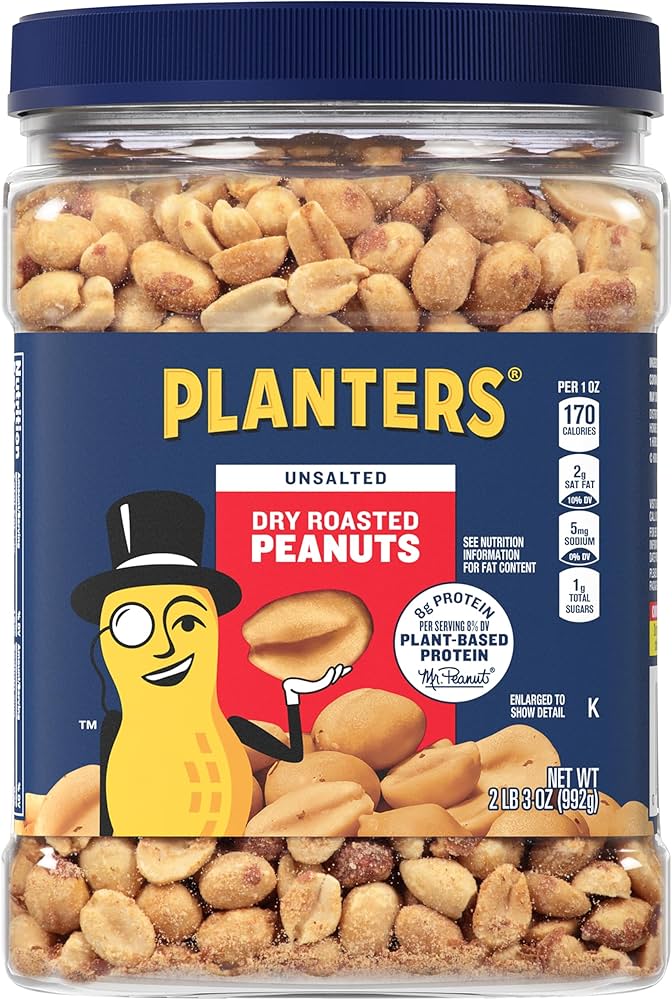
- Pick unsalted peanuts or dry-roasted versions with no added salt.
- Read labels carefully—“roasted” doesn’t always mean “low sodium.”
3. Dismissing Peanut Allergy Risks
Why it can be harmful
Peanut allergy is one of the most common food allergies and can trigger severe reactions, including anaphylaxis. For sensitive individuals, even trace amounts can be dangerous.
What to do instead
- If you suspect an allergy or have reacted to peanuts before, talk to a doctor before eating them again.
- If you’re diagnosed and at risk, carry an epinephrine auto-injector as advised by your healthcare provider.
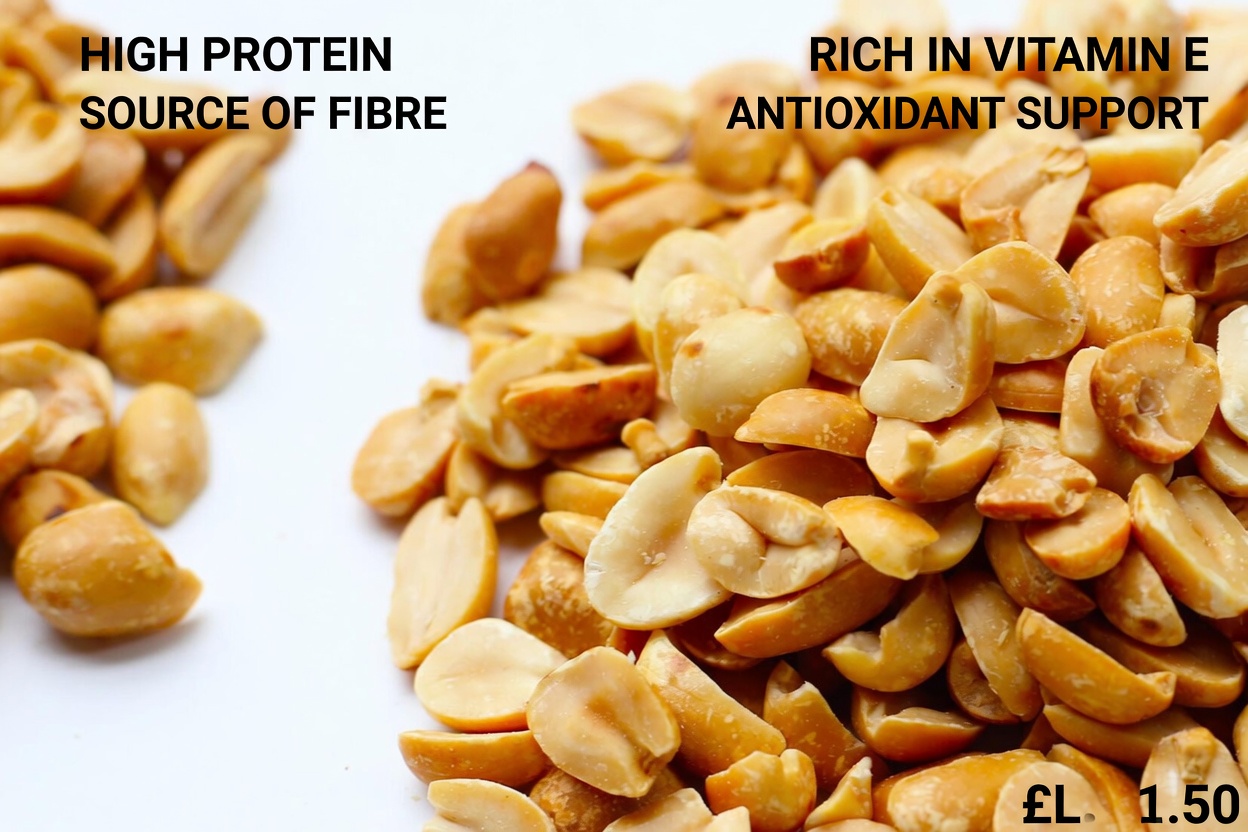
4. Eating Peanuts That May Contain Aflatoxins
Why it can be harmful
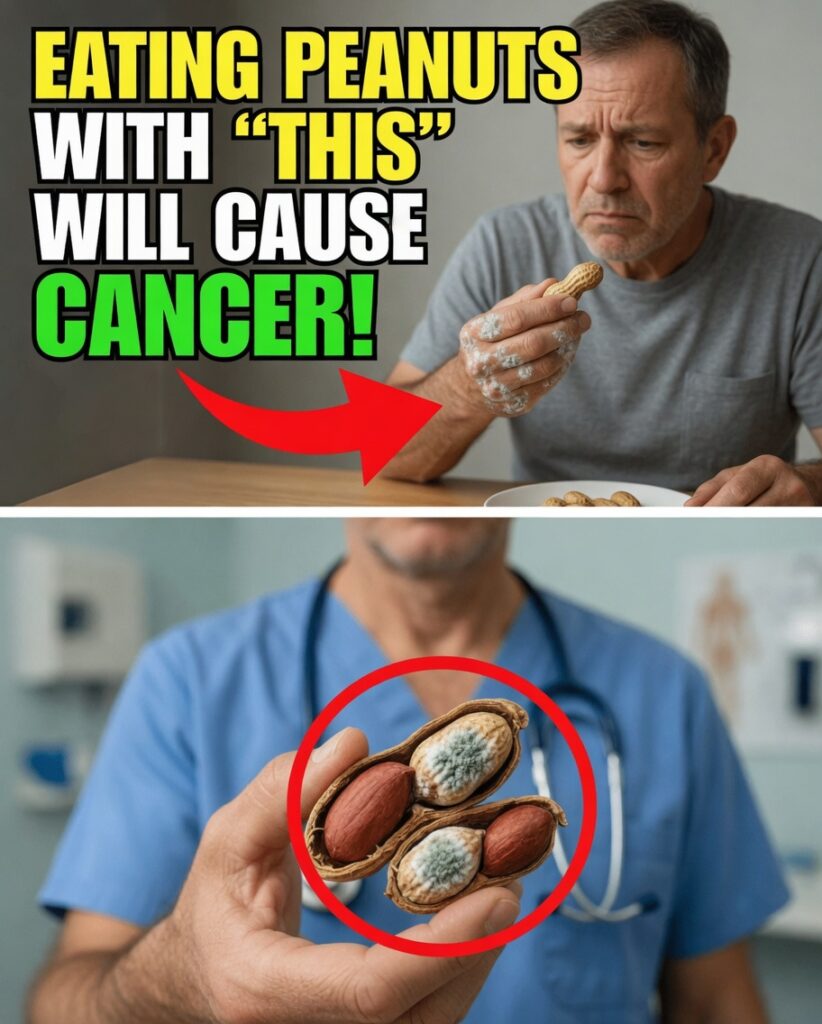
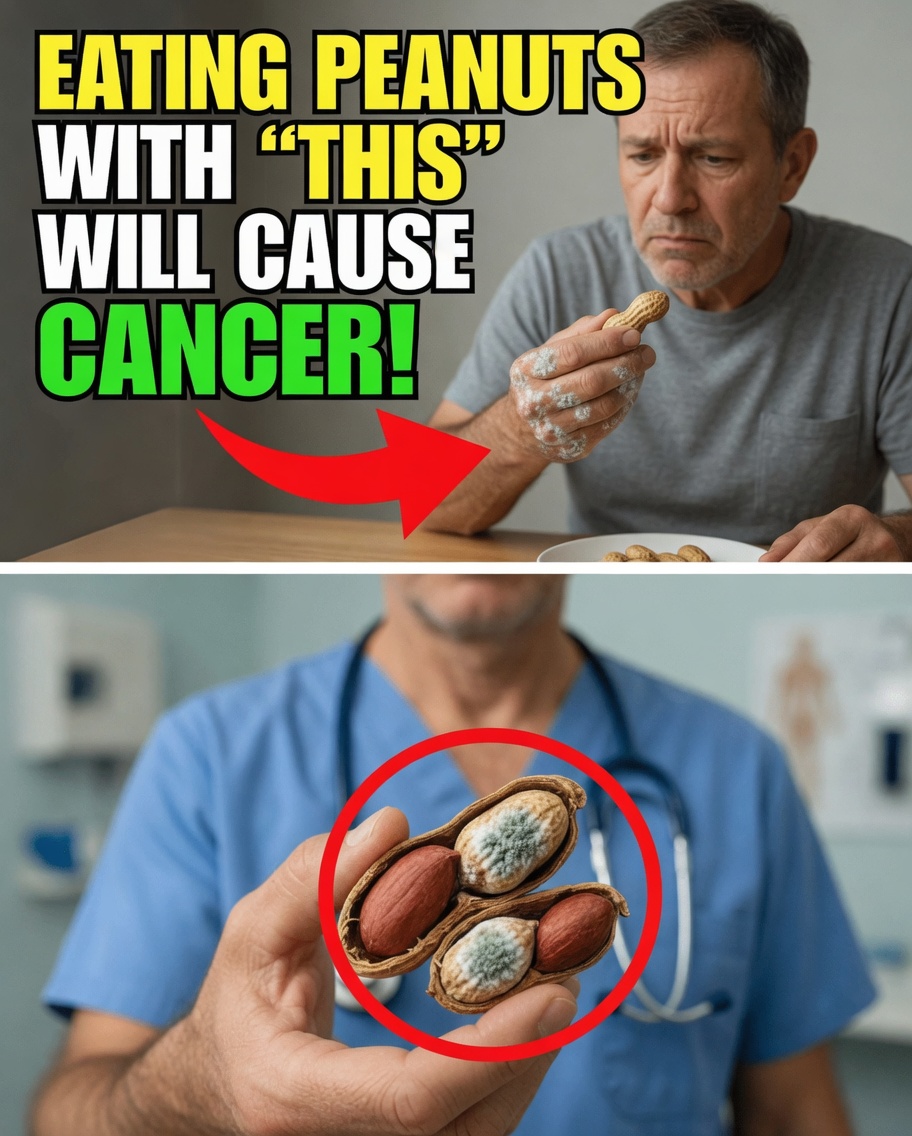
Peanuts can be contaminated by molds that produce aflatoxins—toxic compounds linked to liver damage and a higher cancer risk, especially when exposure is ongoing.
What to do instead
- Buy peanuts from reputable brands and trusted suppliers.
- Store peanuts in a cool, dry place to discourage mold growth.
- Note: high-heat roasting may help reduce aflatoxin levels, but good sourcing and storage matter most.
5. Consuming Raw Peanuts Without Caution
Why it can be harmful
Raw peanuts may be harder to digest for some people due to naturally occurring compounds like lectins. There’s also a higher chance of exposure to unwanted bacteria or contaminants compared with properly processed peanuts.
What to do instead
- Choose roasted or boiled peanuts for improved digestibility and safety.
- Avoid peanuts with any odd smell, taste, or discoloration.
6. Pairing Peanuts with Too Much Added Sugar
Why it can be harmful
Peanuts themselves are nutritious, but sugar-heavy peanut snacks (sweet coatings, candy mixes, sugary peanut butter) can reduce their health value. Excess added sugar is linked to weight gain, higher type 2 diabetes risk, and inflammation.
What to do instead
- Use natural peanut butter with no added sugar.
- If sweetening at home, keep it light or use small amounts of honey or other minimal sweeteners.
7. Eating Peanuts on an Empty Stomach
Why it can be harmful
Because peanuts contain a significant amount of fat, eating them when your stomach is empty may cause bloating, heaviness, or indigestion—especially if you’re sensitive to fatty foods.
What to do instead
- Eat peanuts with other foods, not alone on an empty stomach.
- Pair them with fiber-rich options (like fruit, whole grains, or vegetables) for a more comfortable snack.
8. Losing Track of Portions with Peanut Butter
Why it can be harmful
Peanut butter is delicious and nutrient-dense, but it’s also extremely easy to overeat. On top of that, many commercial versions include added sugar, extra salt, and preservatives.
What to do instead
- Stick to 1–2 tablespoons per serving.
- Choose natural, unsweetened peanut butter (ideally with peanuts as the main ingredient).
Conclusion: Enjoy Peanuts the Smart Way
Peanuts can absolutely be part of a healthy diet—when you choose the right type, store them properly, and keep portions reasonable. Avoiding common issues like overeating, high-sodium products, questionable storage, and sugar-loaded peanut snacks helps you get the benefits of this nutrient-dense snack without the downsides.
FAQ: Common Questions About Peanuts
Are peanuts good for weight loss?
They can be. In moderation, peanuts may support satiety thanks to their protein and fiber, which can help reduce unnecessary snacking.
Can peanuts trigger allergies in children?
Yes. Peanut allergy is common in children. If there’s a family history of allergies or you’re uncertain, consult a healthcare professional before introducing peanuts.
Is peanut butter healthy?
Natural peanut butter without added sugar or preservatives can be a healthy choice. It’s rich in beneficial fats and protein, but it should still be eaten in controlled portions due to its calorie density.