Why Peeing After Sex Matters for Urinary Tract Health
Have you ever noticed a sudden urge to use the bathroom right after intimacy? It may feel like a minor, almost automatic habit—but urinating after sex can be one of the easiest ways to support urinary tract health and lower your risk of urinary tract infections (UTIs).
UTIs are especially common in women and often bring symptoms like burning, urgency, pressure, and discomfort that can interfere with daily life. Sex doesn’t directly “cause” a UTI, but it can make it easier for bacteria to reach the urinary tract. Peeing after sex helps flush those bacteria out before they can settle and multiply.
The Connection Between Sex and UTIs
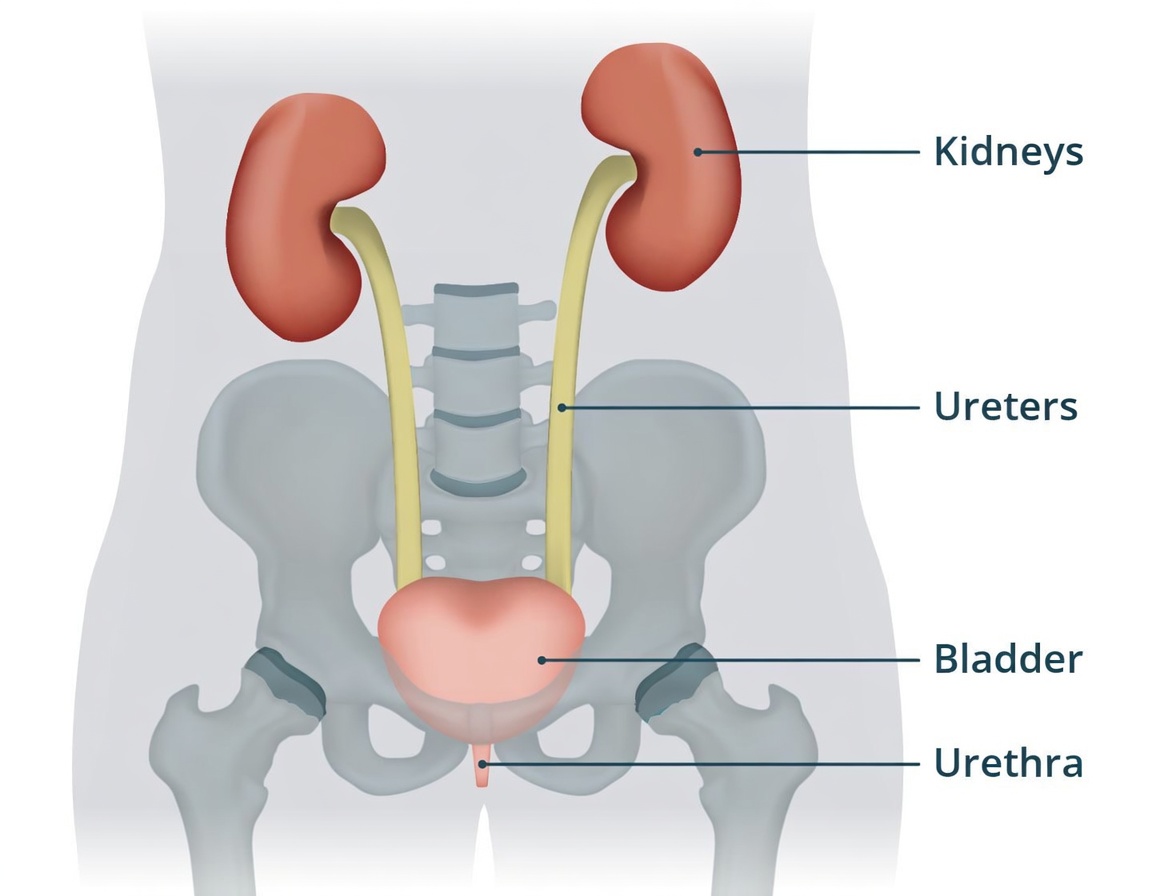
During sexual activity, bacteria from the genital area (and sometimes the anal area) can be pushed closer to, or into, the urethra—the tube that carries urine from the bladder out of the body. This matters most for people with shorter urethras (typically women and people assigned female at birth), because bacteria have a shorter path to the bladder.
Once bacteria—most commonly E. coli—enter the urethra, they can multiply and trigger irritation, inflammation, and a full UTI. Common symptoms include:
- A burning feeling when urinating
- Frequent or urgent need to urinate
- Cloudy or strong-smelling urine
- Pelvic or lower abdominal discomfort
Men can also get UTIs or post-sex irritation, but their longer urethras generally make it harder for bacteria to travel upward. Even so, many men still find that peeing after sex improves comfort and hygiene.
The body’s built-in protective tool is simple: urine flow. Using it soon after sex can help reduce the chance that bacteria linger in the urethra.
How Urinating After Sex Helps Protect the Urinary Tract
Urine inside the bladder is typically sterile. The issue isn’t the urine—it’s what can be introduced near the urethral opening during sex. When you urinate afterward, the flow acts like a mechanical rinse, helping to push bacteria out before they cling to the urethral lining or move toward the bladder.
Medical guidance from well-known health organizations (including clinicians commonly cited by institutions such as Cleveland Clinic and UCLA Health) often supports this habit because:
- It clears bacteria that may have been introduced during sex
- It reduces bacterial attachment to the urethra by flushing the channel
- Hydration strengthens the effect by promoting a stronger, more frequent urine flow
For many people who deal with recurrent UTIs, adding this step to their routine can noticeably reduce episodes—without medication or complicated changes.
What Research and Experts Generally Agree On
Evidence supporting peeing after sex is largely observational, and large randomized trials proving direct cause-and-effect are limited. Still, many medical organizations recommend it as part of a broader UTI prevention approach because it’s practical and low risk.
Key points often mentioned in the medical consensus:
- People who urinate soon after sex—often cited as within about 15 minutes—may report fewer UTIs
- It works best when paired with other healthy habits like hydration, good wiping technique, and overall genital hygiene
The bottom line: Peeing after sex isn’t a guaranteed shield, but it’s a sensible, low-effort habit that supports the body’s natural defenses.

Real-World Impact: What People Often Notice
Many individuals report fewer infections or less irritation when they consistently urinate soon after sex.
- Lisa, 42, had frequent post-intimacy UTIs. After she started urinating within 10–15 minutes and drinking extra water, her episodes dropped significantly.
- Alex, 35, didn’t commonly get UTIs but adopted the habit after a partner suggested it. He noticed fewer mild irritations and felt more comfortable overall.
While personal experiences aren’t the same as clinical proof, they reflect why this practice remains widely recommended.
Is Peeing After Sex Safe—and Is It Really Worth Doing?
For most people, yes—it’s safe and worth trying, especially if you’re prone to UTIs. It’s unlikely to cause harm unless you have a condition that makes urination painful.
- For women, benefits can be more noticeable due to anatomy and UTI risk patterns.
- For men, benefits may be smaller but still relevant for cleanliness and reducing minor irritation.
Important: If you have symptoms such as:
- Burning that persists
- Blood in urine
- Fever
- Back pain
…don’t rely on this habit alone. Seek medical care—untreated UTIs can spread and become more serious (including kidney infections).
Tips to Make Peeing After Sex Easy and More Effective
- Timing: Try to urinate within 15–30 minutes after sex
- Hydration: Drink water before or after sex to encourage a stronger urine flow
- Before sex: Empty your bladder beforehand if possible for comfort and reduced pressure
- Extra hygiene:
- Wipe front-to-back
- Choose breathable underwear (like cotton)
- Avoid irritating products (such as douches)
- Consider avoiding spermicides if you’re UTI-prone
These small changes can work together to strengthen everyday urinary tract protection.
Peeing After Sex vs. Other UTI Prevention Strategies
-
Urinate after sex
- Helps: Flushes bacteria from the urethra
- Effort: Very easy
- Evidence: Supportive (not definitive)
-
Drink plenty of water
- Helps: Dilutes urine and increases flushing frequency
- Effort: Easy
- Evidence: Strong
-
Wipe front-to-back
- Helps: Reduces bacterial transfer
- Effort: Very easy
- Evidence: Strong
-
Cranberry products
- Helps: May reduce bacterial adhesion
- Effort: Moderate
- Evidence: Mixed
-
Avoid irritants (e.g., spermicides)
- Helps: Supports natural protective barriers
- Effort: Moderate
- Evidence: Moderate
A Small Habit With Potentially Big Benefits
Adding urinating after sex to your routine is simple, fast, and aligns with how the body naturally clears bacteria. While it won’t prevent every UTI, it can reduce risk and improve comfort—especially when combined with hydration and healthy hygiene habits.
FAQ: Frequently Asked Questions
-
Can peeing after sex prevent every UTI?
It can lower risk, particularly for people who frequently get UTIs, but it’s not a guarantee. It’s most effective when paired with other prevention steps. -
How soon should I pee after sex?
Aim for 15–30 minutes afterward, so bacteria have less time to settle in the urethra. -
What if it hurts when I pee after sex?
Painful urination can signal an infection or another issue. Contact a healthcare professional for proper evaluation.
Disclaimer
This article is for informational purposes only and does not replace professional medical advice. If you have recurrent UTIs, painful urination, or ongoing urinary symptoms, consult a qualified healthcare provider for personalized diagnosis and treatment.