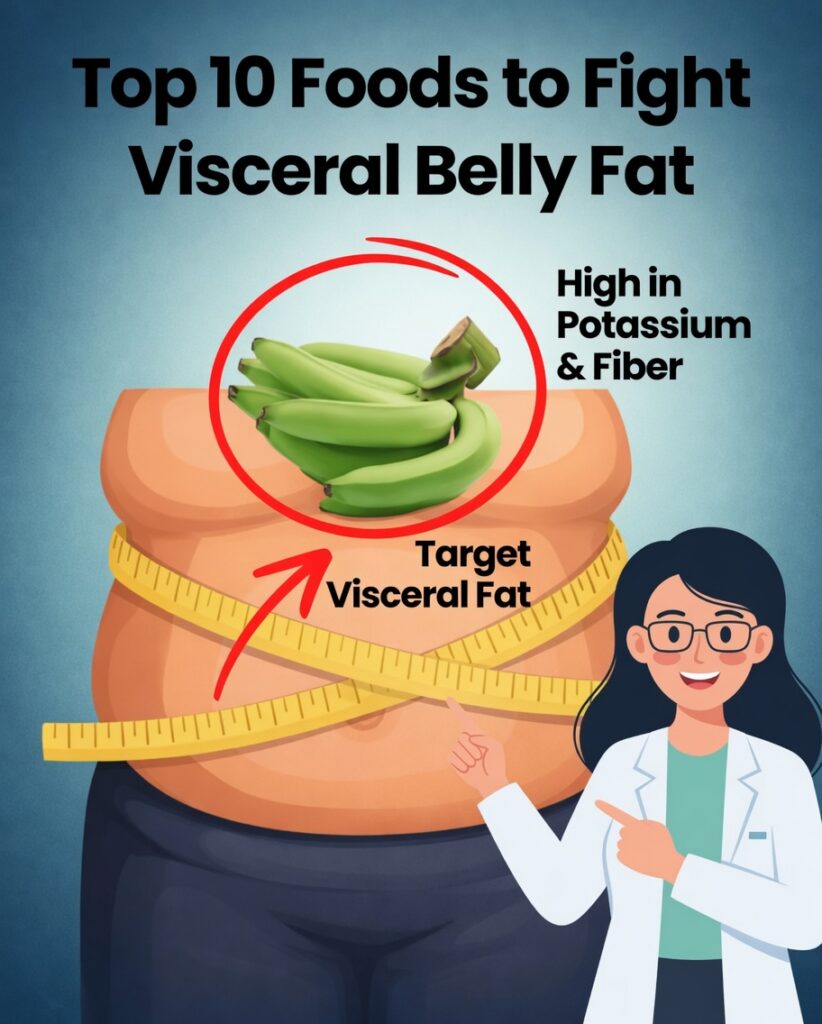
Visceral Belly Fat: Why It Matters (Even If You Look Slim)
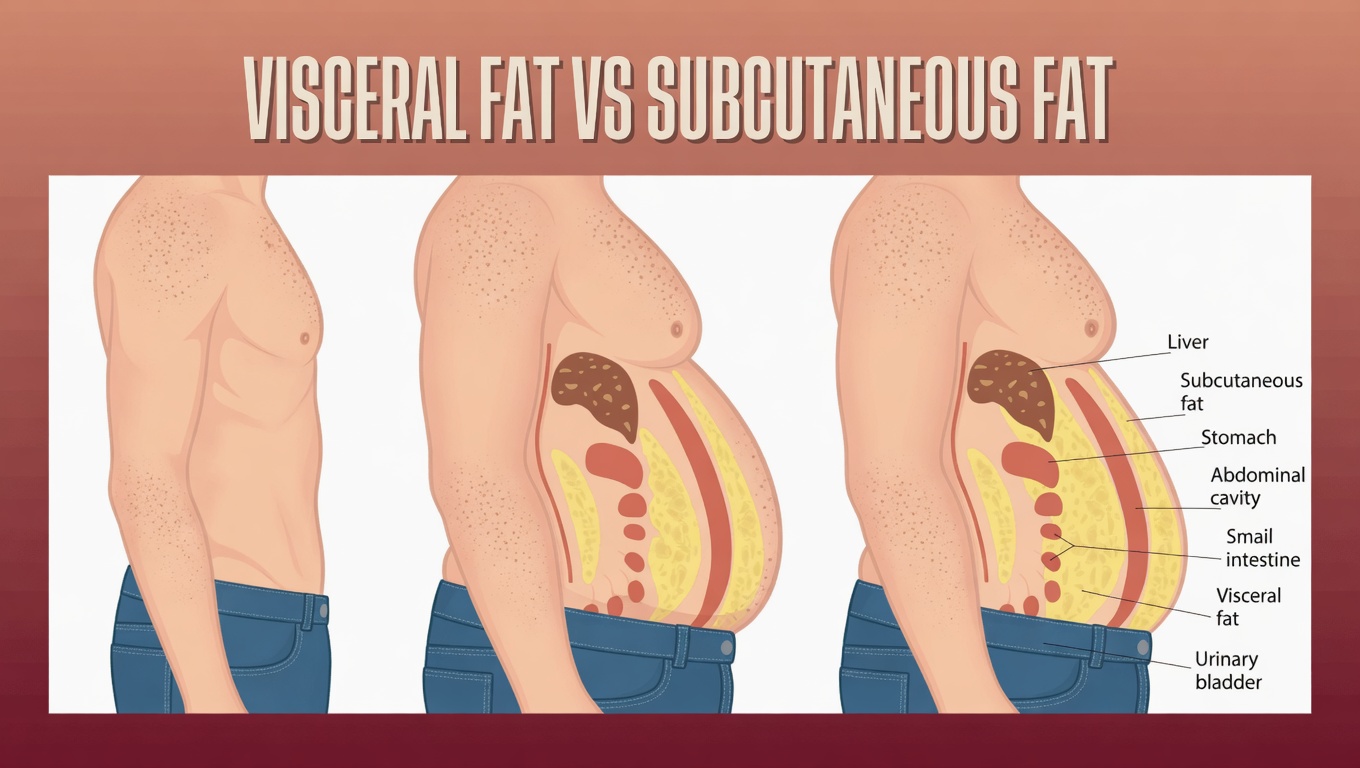
Visceral belly fat is the deep abdominal fat that surrounds your internal organs. Unlike the “pinchable” fat under the skin, visceral fat can stay largely invisible—meaning you may look lean while still carrying a higher internal fat load. This matters because visceral fat is strongly associated with inflammation, which can influence cardiovascular health, blood sugar regulation, and day-to-day energy levels.
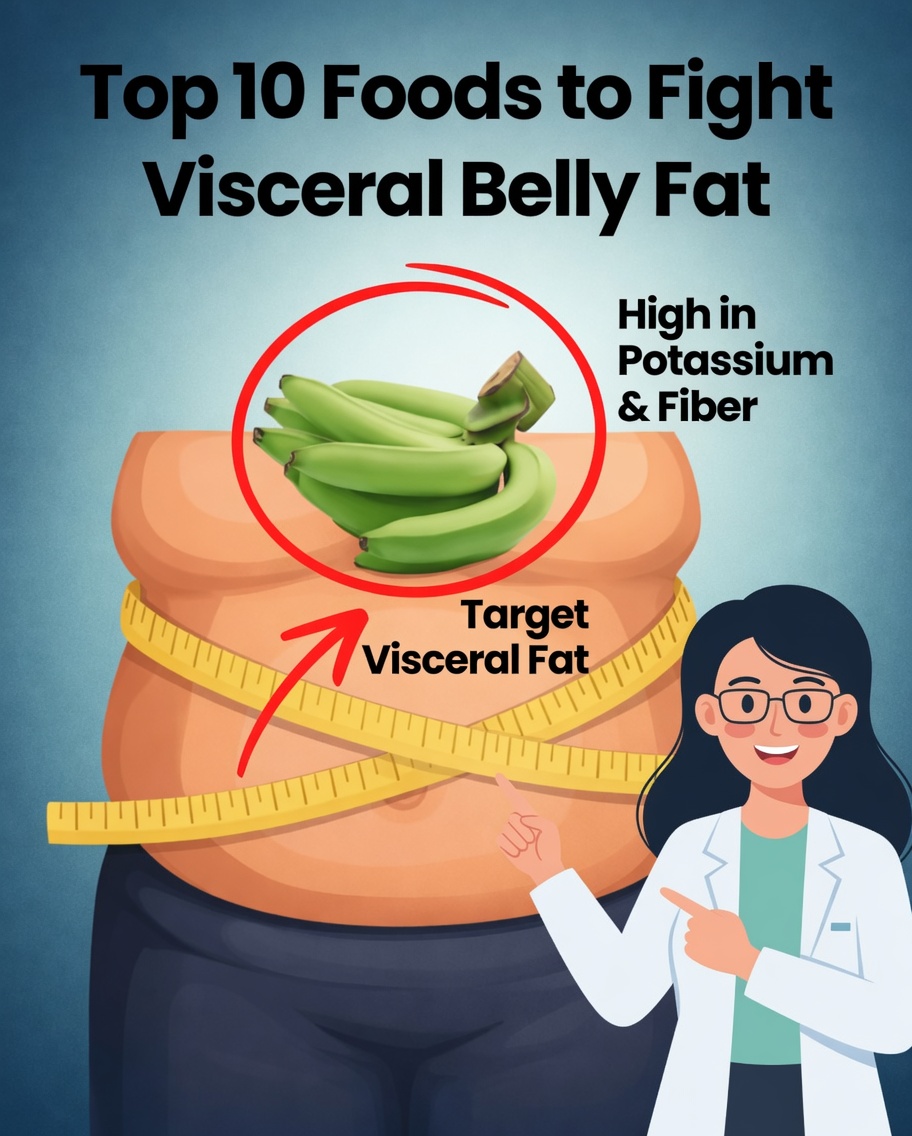
Many people don’t realize how much visceral belly fat can affect how they feel—until fatigue, stubborn midsection changes, or metabolic concerns begin to show up. The good news: adding specific nutrient-dense, whole foods may provide gentle, natural support for healthier visceral fat balance over time.
Why Food Choices Can Support Visceral Fat Management
Carrying excess visceral fat may increase long-term health risks even when body weight looks “normal.” It can be discouraging when your routine doesn’t seem to address deep abdominal fat effectively. Research increasingly points to a practical foundation: focusing on fiber-rich, anti-inflammatory foods, healthy fats, and supportive proteins can help the body maintain healthier visceral fat levels.
10 Foods Research Suggests May Help Support Visceral Belly Fat
Below is a science-informed countdown of foods that may help support metabolism, gut health, appetite control, and inflammation—key factors commonly linked to visceral fat.
10) Fatty Fish
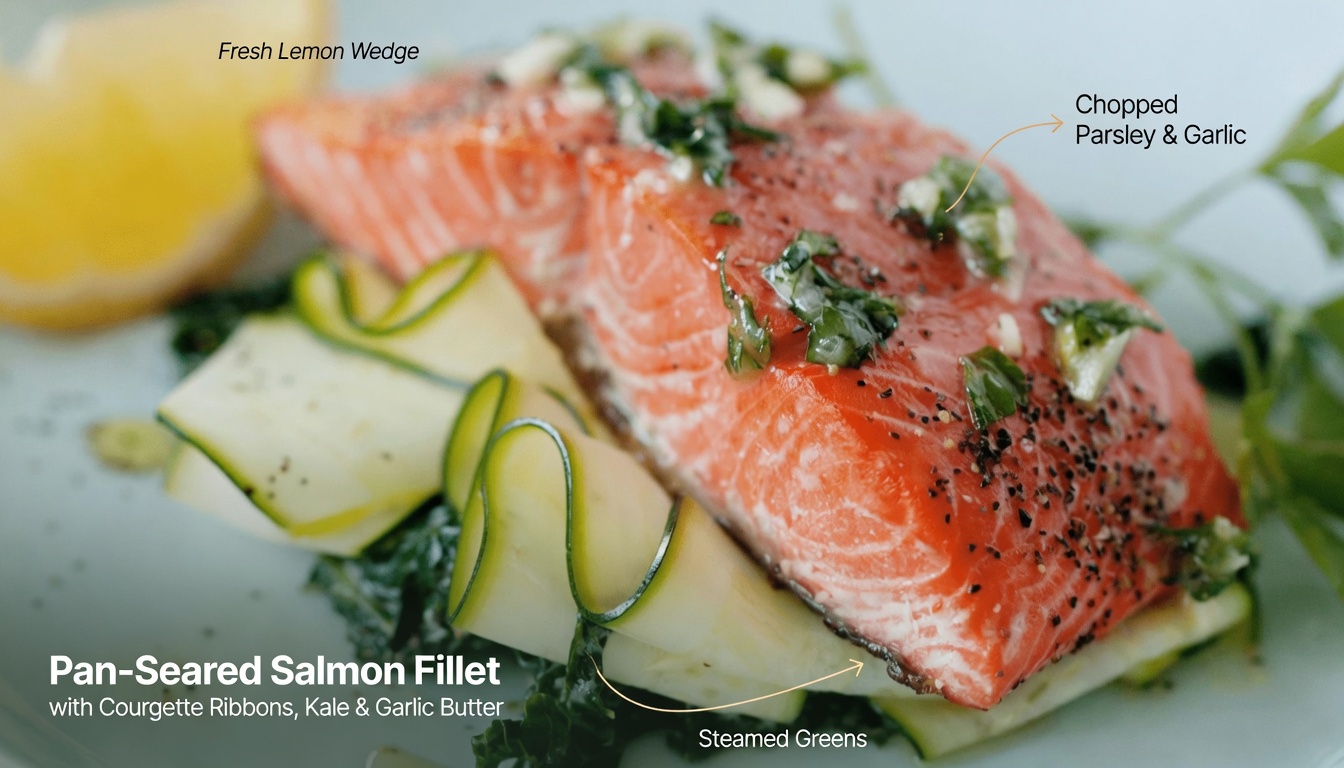
If omega-3 intake is low, inflammation may remain higher than ideal, potentially contributing to visceral fat concerns. Fatty fish such as salmon, sardines, mackerel, and herring provide omega-3 fatty acids alongside high-quality protein, which can help you feel satisfied.
Try: aiming for two servings per week, and choose wild-caught options when possible.
9) Nuts
Snack cravings can easily sabotage visceral fat goals. Almonds, walnuts, pistachios, and pecans deliver a filling mix of healthy fats and protein. Studies often associate regular nut intake with improved waist measurements over time—likely because they help curb overeating and stabilize appetite.
Try: a small handful as a snack or added to yogurt and salads.
8) Fermented Foods
Gut health can quietly influence how the body stores fat and manages blood sugar. Fermented foods such as yogurt, kefir, kimchi, and sauerkraut provide probiotics that support a healthier microbiome and may help improve insulin sensitivity—an important factor for visceral fat regulation.
7) Pasture-Raised Dairy
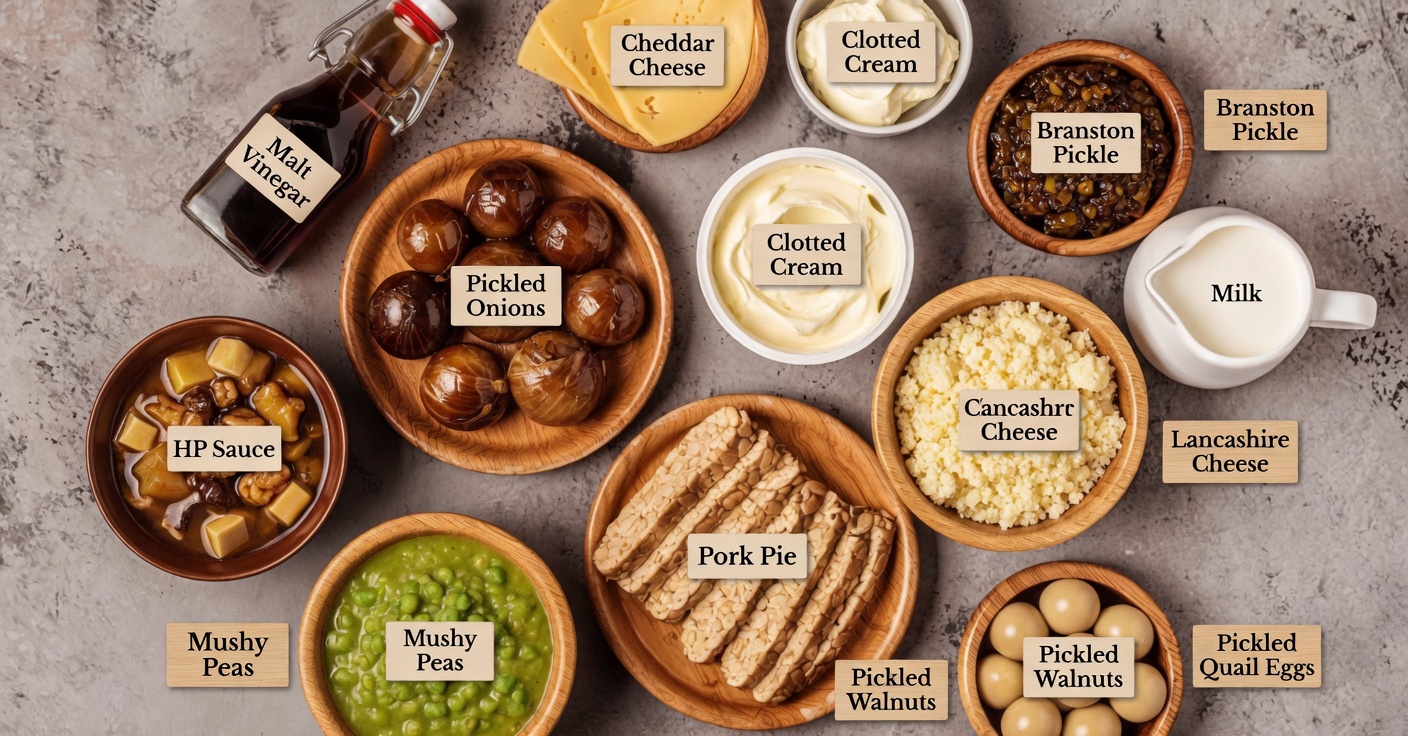
Not all dairy is equal in nutrient quality. Pasture-raised dairy may contain a more favorable fat profile and offers protein that supports fullness. Options like Greek yogurt and quality cheeses can also help maintain lean mass, which supports metabolic health.
Tip: choose minimally processed, low-sugar options whenever possible.
6) Apple Cider Vinegar
Post-meal blood sugar spikes may encourage fat storage over time. Apple cider vinegar contains acetic acid, which research suggests may support steadier blood sugar and possibly fat oxidation in some people.
How to use: dilute in water (never drink it straight) as a simple daily habit.
5) Green Tea
When energy feels low, it’s harder to stay consistent with habits that support a healthier waistline. Green tea contains catechins—especially EGCG—plus a modest amount of caffeine. Together, these may gently support metabolic rate and fat utilization.
Try: 1–3 cups daily, depending on caffeine tolerance.
4) Resistant Starches
Some carbohydrates can contribute to unwanted fat storage when portions and quality are off. Resistant starch is different: it acts more like fiber, feeding beneficial gut bacteria and supporting fullness with fewer usable calories. Sources include:
- Cooked-then-cooled potatoes
- Green bananas or plantains
- Cooked-then-chilled rice
This type of carb may help support digestion and a more favorable metabolic response.
3) Beans and Lentils
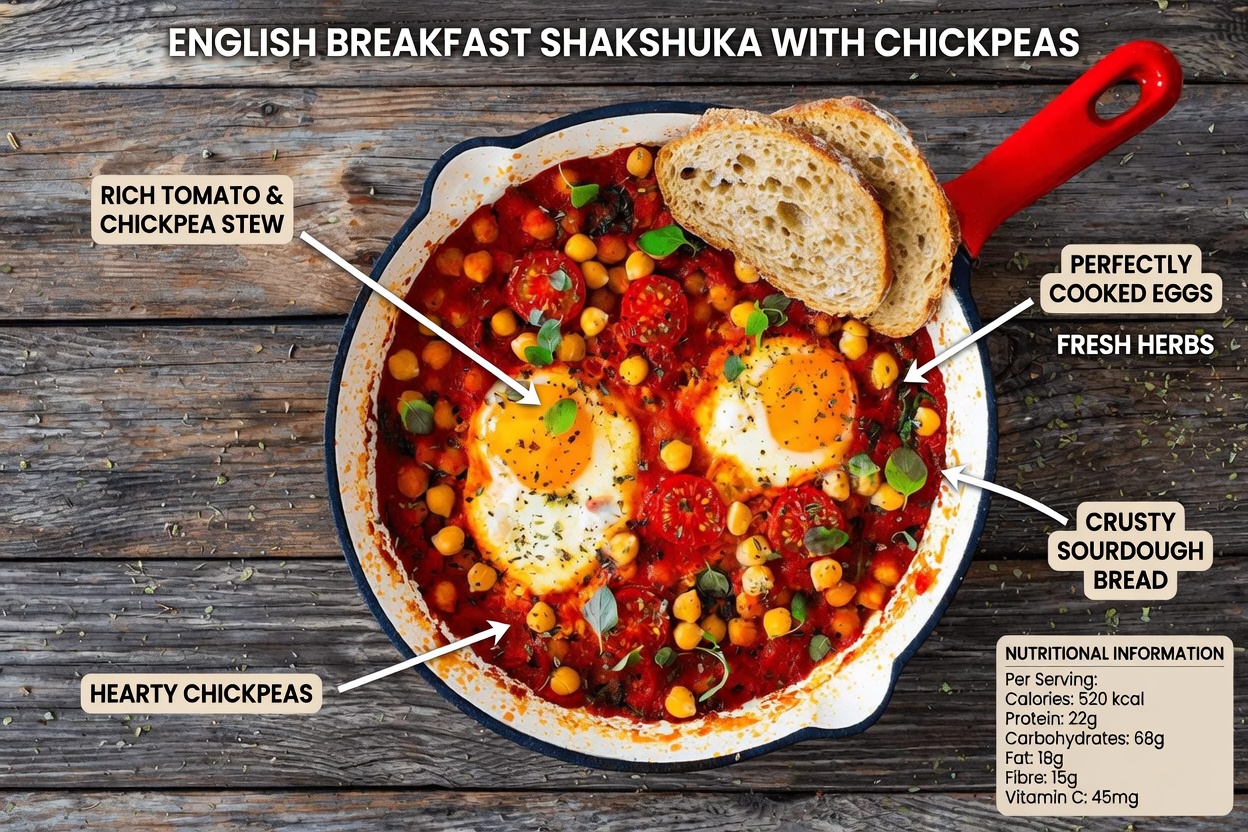
Low fiber intake often leads to increased hunger and overeating—two patterns linked to visceral fat gain. Beans, lentils, and chickpeas are rich in soluble fiber and plant protein, both of which support satiety. They also provide magnesium, which supports steady energy and healthier stress responses.

2) Whole Eggs
Skipping yolks due to outdated fears can mean missing valuable nutrients. Whole eggs offer a satisfying combination of protein and healthy fats, supporting fullness and more stable appetite. Yolks also contain choline and antioxidants, which support broader metabolic function.
1) Pasture-Raised Meat
Quality and processing make a major difference. While processed meats may increase inflammation, pasture-raised red meat can provide nutrients like iron and B vitamins, plus CLA (conjugated linoleic acid)—a compound some studies associate with improved body composition, including fat reduction and muscle retention.
Best approach: enjoy mindfully, prioritize quality, and balance your plate with fiber-rich plants.
Quick Summary: Visceral Fat–Supportive Foods at a Glance
- Fatty fish — omega-3s; may help lower inflammation
- Nuts — healthy fats + protein; supports fullness and waist control
- Fermented foods — probiotics; supports gut health and insulin balance
- Pasture-raised dairy — quality protein + fats; supports satiety
- Apple cider vinegar — acetic acid; may help stabilize blood sugar
- Green tea — EGCG + caffeine; gentle metabolic support
- Resistant starches — prebiotic “fiber”; supports fullness and gut health
- Beans and lentils — soluble fiber + magnesium; supports appetite control
- Whole eggs — choline + protein; sustained satiety
- Pasture-raised meat — CLA + B vitamins; supports body composition goals
Easy Ways to Add These Foods to Your Day
Sustainable change works best when it’s simple. Consider these practical swaps:
- Replace processed snacks with nuts or Greek yogurt
- Add fatty fish to dinner twice per week
- Sip green tea mid-morning, or use diluted apple cider vinegar as part of a routine
- Mix beans or lentils into salads, soups, or grain bowls
- Use cooled starches (like chilled rice or potatoes) as an occasional side
- Keep whole eggs and high-quality meats as steady protein options
Making These Foods a Consistent Habit
If visceral belly fat is affecting your energy, confidence, or overall wellbeing, leaning into supportive whole foods can be a powerful step. These 10 options are practical, satisfying, and research-supported choices that may help encourage healthier visceral fat levels naturally.
For best results, combine smart food choices with regular movement, restorative sleep, and stress management.
Frequently Asked Questions
How fast can dietary changes affect visceral belly fat?
With consistent habits, improvements may appear over weeks to months, especially when paired with overall healthy lifestyle changes.
Are these foods safe if I have medical conditions?
Many are widely tolerated, but check with your clinician—especially if you manage blood sugar, take medications, or have digestive conditions.
Can I eat these foods even if I’m not overweight?
Yes. Supporting healthy visceral fat levels can benefit people at any visible body size, including those who appear slim.
Medical note: This article is for informational purposes only and does not replace professional medical advice. Speak with a qualified healthcare provider before making dietary changes.