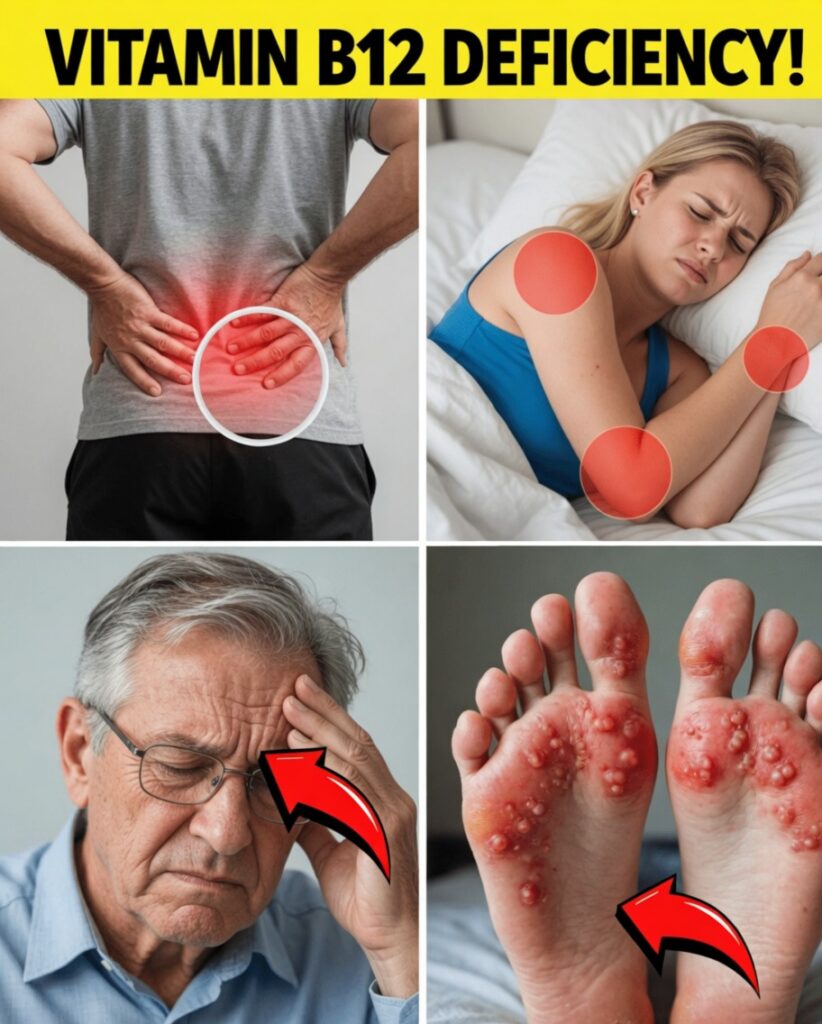
Many adults live with persistent tiredness, shifting moods, or unusual sensations and chalk them up to stress, getting older, or a busy routine. Because these changes often develop gradually, the real cause can be easy to miss. Yet research suggests vitamin B12 can be low or borderline in a meaningful share of adults, especially those over 60. Depending on how deficiency is defined, estimates commonly fall in the ~6–20% range, with major health sources (including NIH-referenced materials and leading medical organizations) pointing to diet, absorption difficulties, and age-related changes as frequent contributors.
If some everyday “off” feelings are actually your body asking for more B12 support, the good news is that the solution may be straightforward. Below are eight science-backed signs to watch for—plus practical ways to improve intake and follow up appropriately.
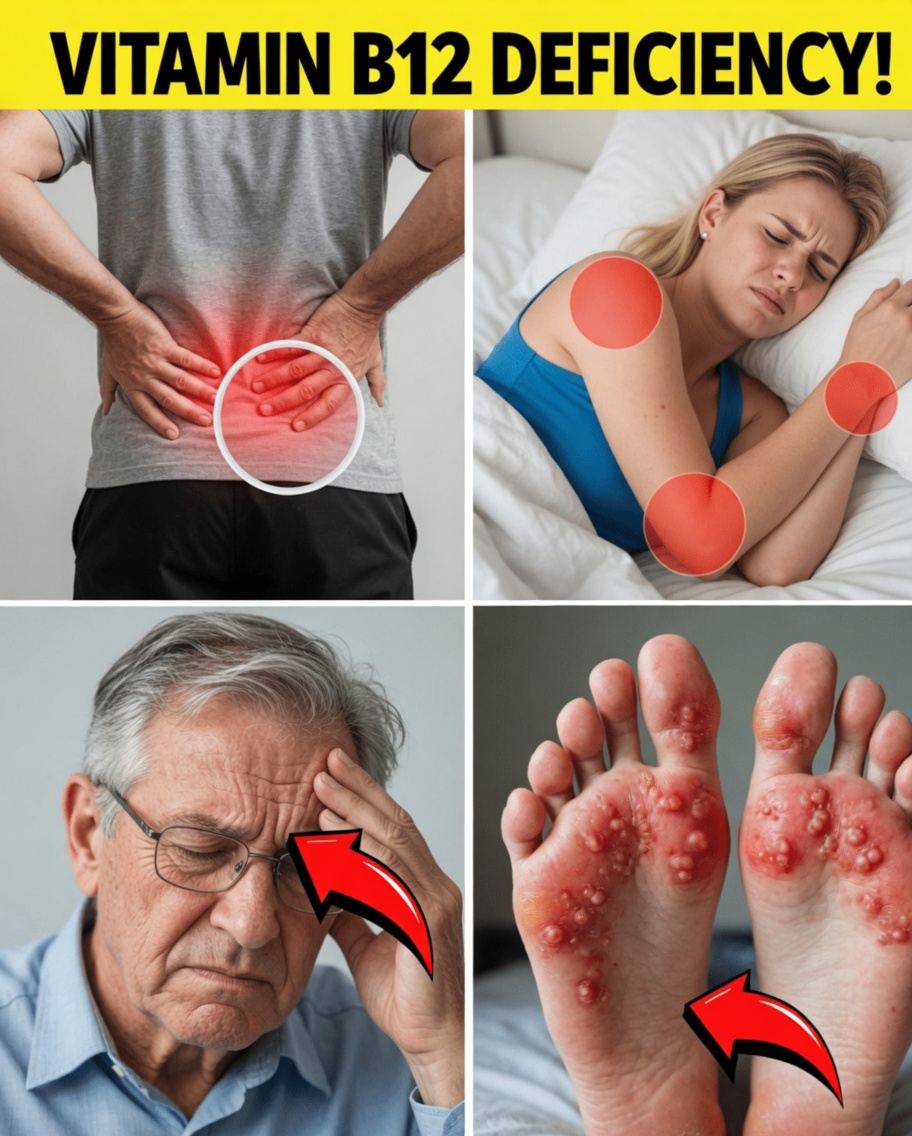
The Often-Overlooked Role of Vitamin B12 in Energy, Nerves, and Brain Health
Vitamin B12 is essential for several core functions, including:
- Building healthy red blood cells
- Supporting nerve function (including protective nerve coverings)
- Maintaining brain health and normal neurological signaling
When B12 drops too low, oxygen delivery may become less efficient and nerves may not be supported as well as they should be. The result can be a slow buildup of symptoms that many people don’t connect to nutrition until much later. Catching patterns early can make dietary changes (or testing) far more effective.
Sign #1: Persistent Fatigue That Sleep Doesn’t Fix
If you feel worn out even after adequate rest, low B12 may be part of the picture. B12 helps your body make red blood cells, and when that process is impaired, oxygen transport can decline, leaving you feeling drained throughout the day.
Health sources such as the Cleveland Clinic and widely cited medical reviewers frequently list fatigue among early signals associated with low B12 and B12-related anemia patterns.
- Try a simple check-in: track your energy for 7 days and note whether fatigue is constant or fluctuates with meals and activity.
Sign #2: Mood Shifts, Low Mood, or Irritability
Emotional changes—such as feeling unusually irritable, down, or “not yourself”—can sometimes be linked to B12 status. Vitamin B12 contributes to pathways involved in producing and regulating key brain chemicals (including serotonin-related activity).
Medical reviews describe that when B12 is insufficient, these neurological processes may be disrupted, which can contribute to mood instability in some individuals.
- Ask yourself: have your mood patterns changed without an obvious reason (sleep, work stress, life events)?

Sign #3: Paler Skin or a Slight Yellow Tint
A noticeable change in complexion—looking washed out or subtly yellow—can occur when red blood cells are affected by B12 shortfalls. Increased breakdown or abnormal turnover of red blood cells can release pigments that influence skin tone.
Trusted resources like WebMD and Mayo Clinic describe pallor and jaundice-like changes as possible signs in anemia-related contexts.
- If friends or family comment that you “look pale,” it’s worth taking seriously.
Sign #4: A Sore, Red Tongue or Recurring Mouth Issues
B12 supports normal tissue maintenance. When levels are low, some people develop:
- A swollen or painful tongue (glossitis)
- Burning sensations
- Recurrent mouth ulcers or tenderness
Clinical observations often report symptom improvement after B12 levels are corrected.
- If mouth discomfort keeps returning, don’t ignore it—especially when combined with fatigue.
Sign #5: Tingling or Numbness in Hands and Feet
Pins-and-needles sensations or numbness (paresthesia) can reflect changes in nerve function. One reason B12 matters here is its role in maintaining the myelin sheath, the protective layer surrounding nerves.
Research links low B12 to peripheral neuropathy-like symptoms in some cases, and consistent B12 support often helps when deficiency is the driver.
- Note frequency and pattern: occasional tingling after sitting awkwardly is common; repeated, unexplained tingling is different.

Sign #6: Heart Palpitations or a Racing Heart Sensation
Some people notice irregular heartbeats or a racing feeling in the chest. This can occur when the body struggles to deliver oxygen efficiently due to reduced healthy red blood cells—an anemia-like effect that some health resources associate with low B12 status.
- Sudden or severe palpitations should always be discussed with a clinician.
Sign #7: Brain Fog, Poor Focus, or Forgetfulness
If concentration feels harder than usual or you experience frequent memory slips, B12 may be relevant. Because B12 supports nerve signaling in the brain, low levels can be associated with cognitive sluggishness in some individuals.
Research discussions often connect B12 status with cognitive function, and many people report clearer thinking after restoring adequate levels.
- Don’t assume it’s “just aging”—especially if the change feels new or progressive.
Sign #8: General Weakness or Balance Problems
Over time, low B12 can affect both muscles and nerves, contributing to:
- Overall weakness
- Unsteadiness
- Coordination or balance challenges
Addressing B12 early can help support stability and strength, particularly in older adults where falls are a serious concern.
Quick Summary: How These Signs May Relate to B12
- Ongoing fatigue → reduced oxygen delivery from fewer healthy red blood cells
- Mood changes → disrupted brain-chemical pathways
- Pale/yellowish skin → pigment changes from altered red blood cell turnover
- Sore tongue/mouth issues → impaired tissue maintenance
- Tingling/numbness → reduced nerve protection (myelin support)
- Palpitations → strain from oxygen-delivery challenges
- Brain fog → slower or impaired nerve signaling
- Weakness/balance issues → combined muscle and nerve effects
Practical Ways to Support Healthy Vitamin B12 Levels
Build consistency step by step:
- Weeks 1–2 (Energy focus): Add B12-rich foods daily (eggs, salmon, dairy).
- Weeks 3–4 (Mood and steadiness): Include fortified foods such as cereals or nutritional yeast when needed.
- Month 2 and beyond (Long-term support): Consider routine bloodwork, especially if you’re over 50 or have risk factors affecting absorption.
Best Food Sources of Vitamin B12
- Clams and liver: among the richest natural sources
- Fish and poultry (salmon, tuna, chicken): practical everyday choices
- Eggs and milk: easy to add consistently
- Fortified cereals and plant milks: helpful when animal products are limited
Tips That May Help With Absorption
- Eat B12-containing foods with meals for consistency.
- If supplements are recommended, some people are advised to use methylcobalamin forms.
- Pairing meals with vitamin C foods (like citrus) is sometimes suggested to support overall nutrient uptake.
- If you’re at higher risk (age 50+, certain medications, digestive conditions), test levels regularly to catch issues early.
With steady habits, many people notice gradual improvements—especially when low B12 is a key contributor.
Important Note
This content is for informational purposes only and does not replace medical advice. If you suspect a vitamin B12 deficiency or plan major dietary or supplement changes, consult a qualified healthcare professional.
FAQ
What commonly leads to low vitamin B12?
Typical causes include:
- Low intake of animal foods (and lack of fortified foods)
- Age-related absorption changes (such as reduced stomach acid)
- Certain medications
- Gastrointestinal conditions affecting absorption
Because plants do not naturally provide reliable B12, people following vegan diets often need fortified foods or supplements.
How can I confirm whether I need more B12?
Symptoms alone aren’t enough for diagnosis. A clinician may order:
- Serum B12
- Sometimes additional markers such as methylmalonic acid (MMA)
Your doctor can interpret results in context with your health history and symptoms.
Are vitamin B12 supplements generally safe?
For many people, yes—especially crystalline forms that can absorb well even when absorption is reduced. Still, it’s best to discuss the right form and dose with a healthcare provider, particularly if you have medical conditions or take medications.