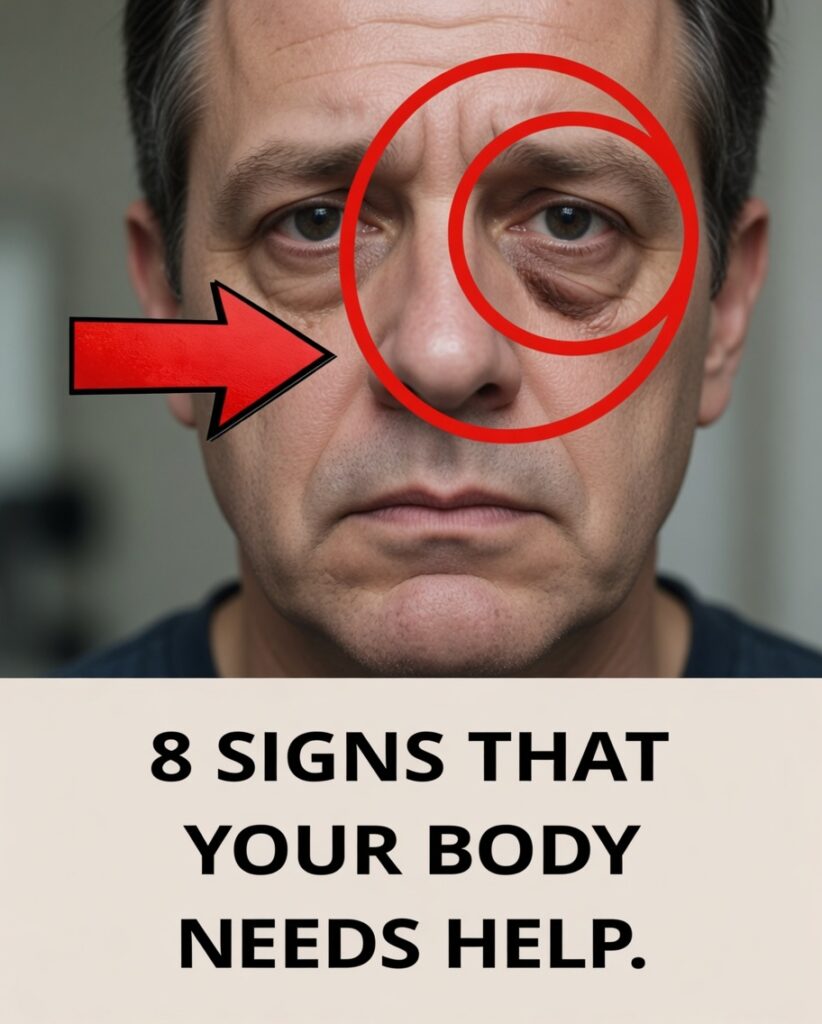
A Morning in Guadalajara: When Small Body Changes Speak Loudly
Yesterday morning in Guadalajara, Don Carlos sat down to breakfast with his family. As he slipped on his shoes, he realized one toe was bent at an odd angle. When he walked across the room, his gait looked awkward—and he felt embarrassed, assuming it was just “what happens when you get older.”
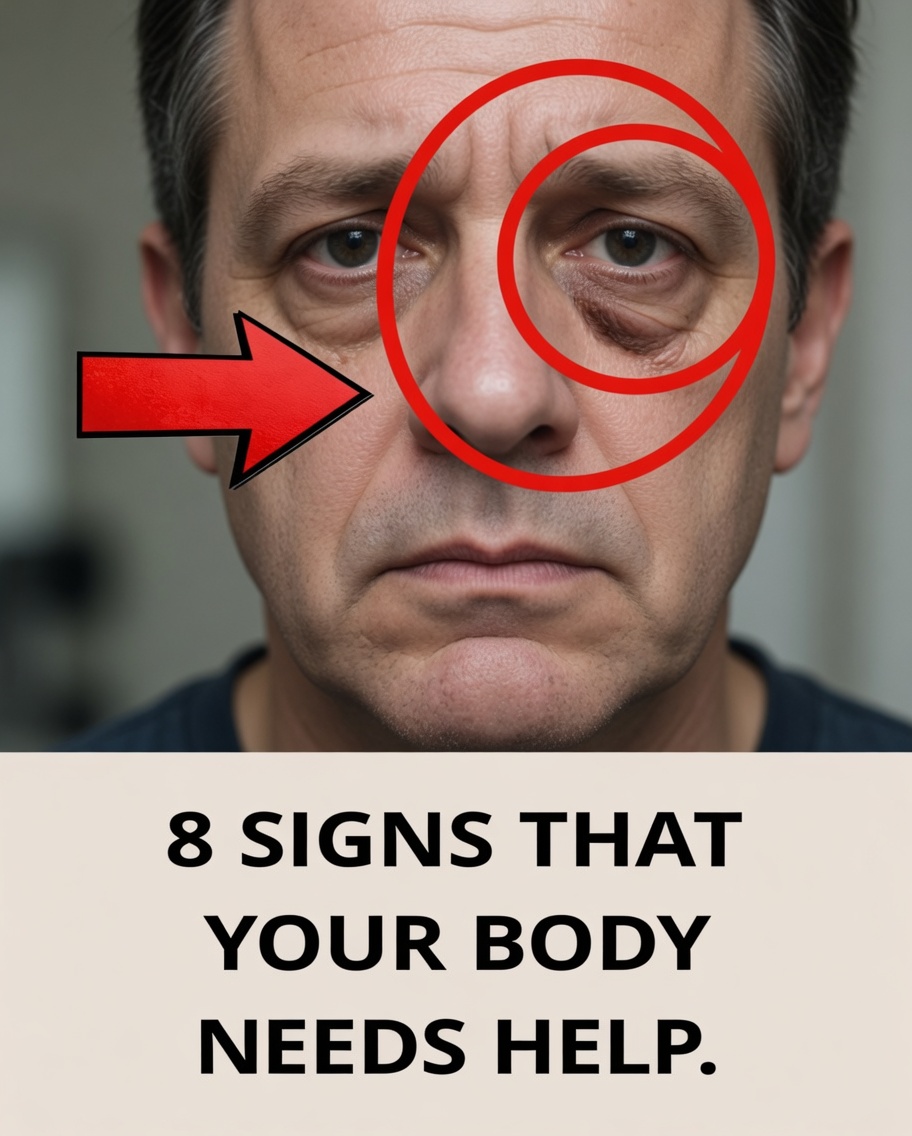
But the body rarely changes without a reason. Seemingly minor signs—like fragile nails, ongoing exhaustion, intense sugar cravings, or dry skin—can be early clues that something needs support. In many cases, these subtle signals show up months (even years) before bigger issues become noticeable.
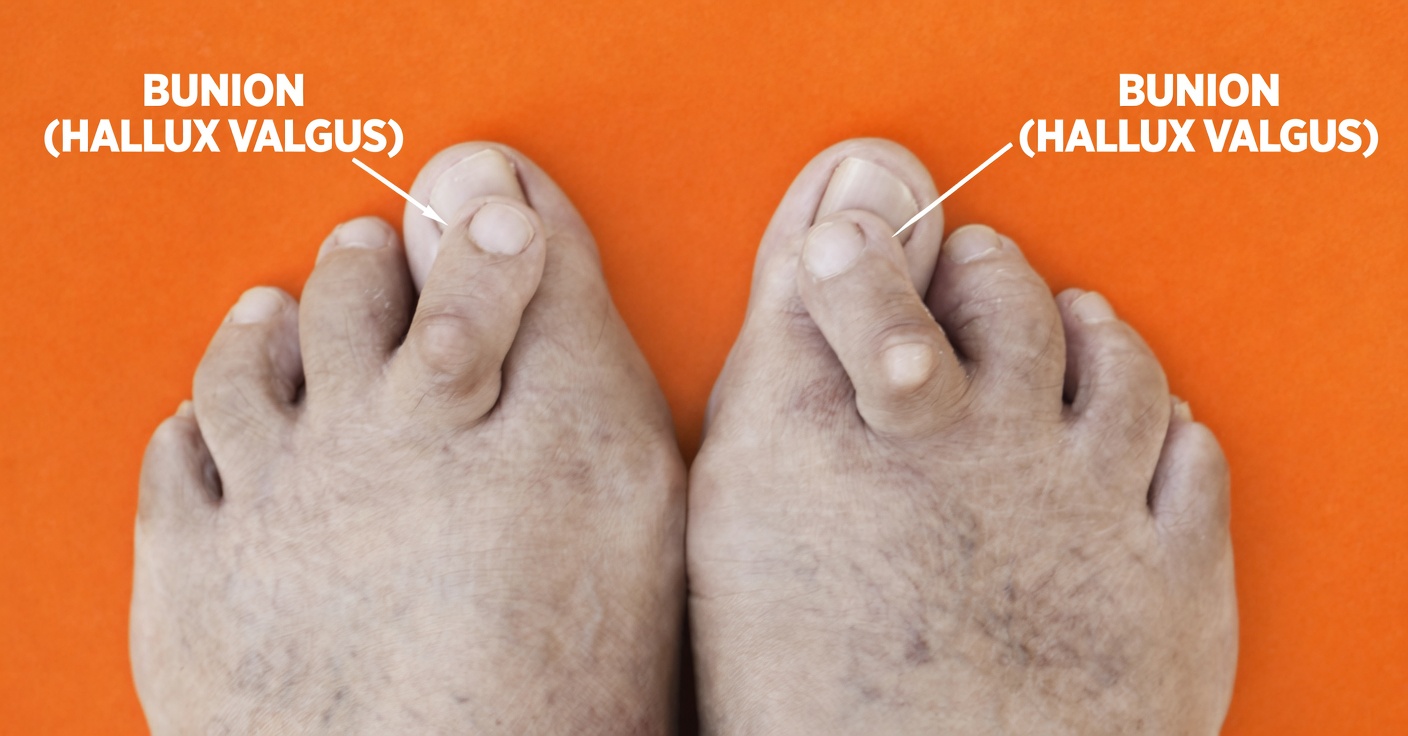
Curled or Overlapping Toes: A Foot Signal You Shouldn’t Dismiss
It’s common for older adults to notice a toe lifting upward, curling, or crossing over the toe next to it. Many people blame age or uncomfortable footwear—and sometimes that’s true. However, the key issue is what happens when the toe stays bent for long periods: foot muscles and tendons may gradually tighten and shorten, which can increase pressure in shoes and make walking uncomfortable.
Common causes
- Tight or narrow shoes that squeeze the toes
- Imbalance between foot muscles
- Age-related changes in joints
- Genetic foot shape or structure
- Nerve irritation or sensitivity
What to do next
- Choose shoes with a wide toe box
- Do gentle foot stretches and mobility exercises
- Maintain a healthy body weight to reduce foot stress
- Consider orthotic inserts for better support
Small daily adjustments often keep this from getting worse.
Persistent Fatigue: When Rest Doesn’t Restore You
Feeling tired occasionally is normal. The concern is when fatigue becomes your baseline—day after day—even after a full night of sleep. Many people describe it as: “I sleep, but I wake up exhausted.”
Fatigue often comes with
- Brain fog or trouble focusing
- Headaches
- Feeling weak during daytime
- Low motivation
- Occasional lightheadedness
Research on aging and nutrition suggests that low iron, low vitamin B12, and poor sleep quality can strongly affect energy.
Habits that can improve energy
- Keep a consistent sleep and wake schedule
- Eat meals with protein and iron-rich foods
- Drink enough water across the day
- Reduce stress where possible (even small changes help)
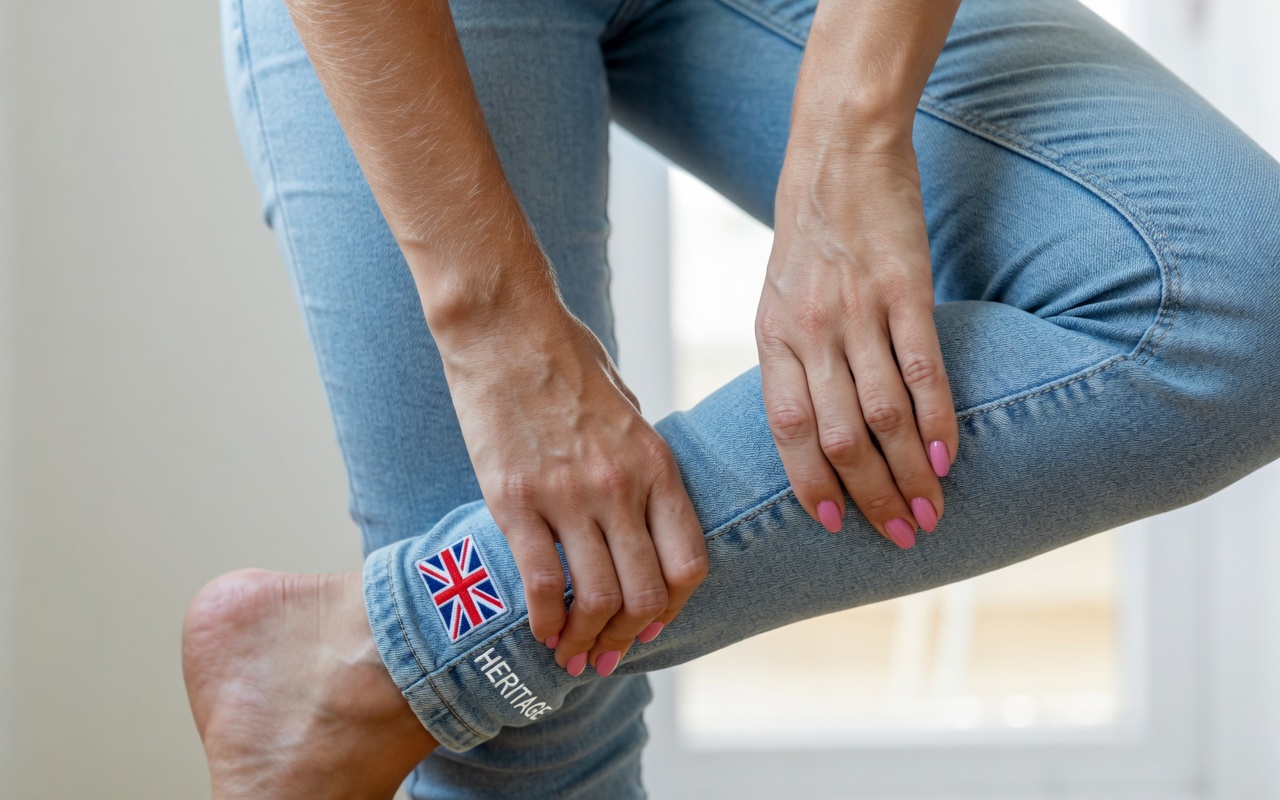
Brittle or Peeling Nails: What Your Fingertips Can Reveal
Nails aren’t just protective—often, they reflect internal balance. If your nails break easily, split, or peel in layers, it may be linked to nutrition or repeated exposure to drying substances.
Possible reasons
- Not enough dietary protein
- Iron deficiency
- Low biotin intake
- Dehydration
- Frequent contact with harsh cleaning chemicals
Typical nail signs
- Splitting or cracking with little pressure
- Peeling in thin layers
- More noticeable vertical ridges
Nutrients and foods that may help
- Beans and legumes
- Eggs
- Seeds and nuts
- Fish and other protein sources
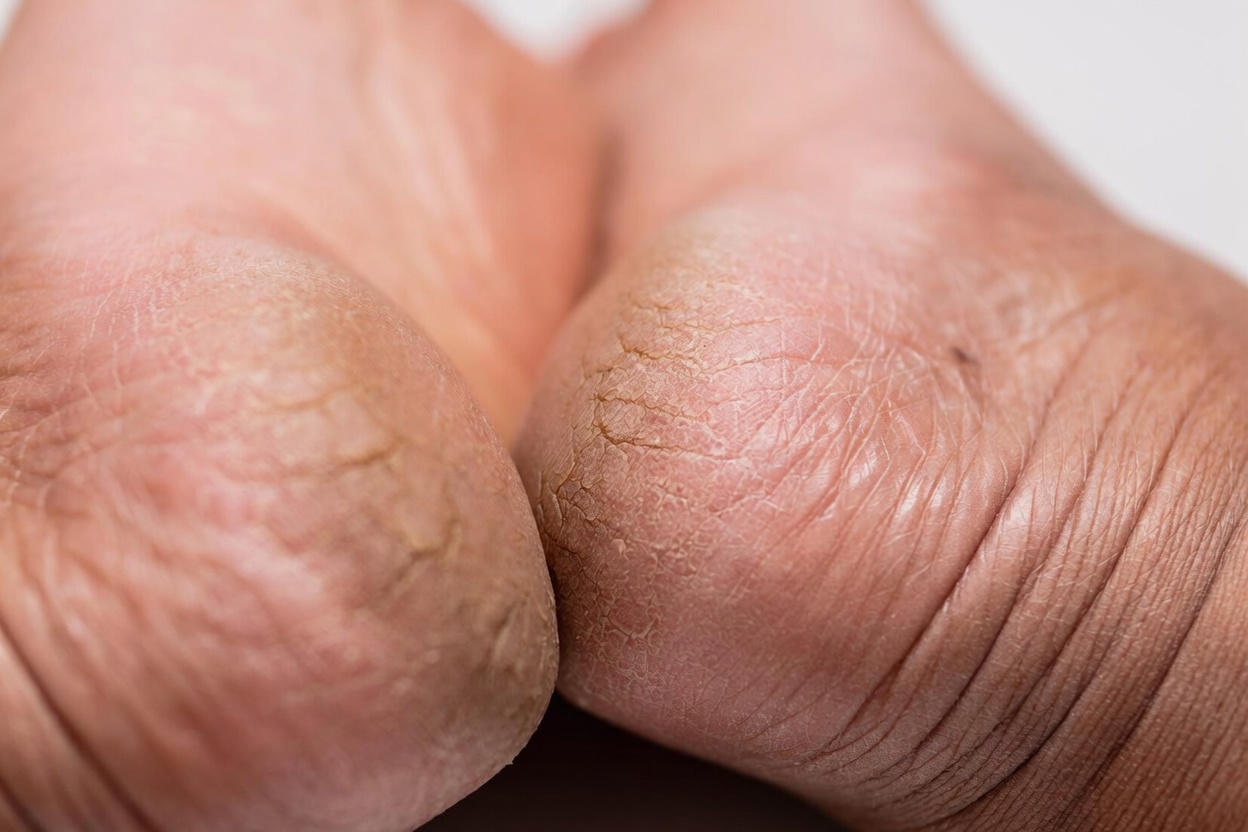
Dry or Cracked Skin: When Your Body Needs Hydration and Healthy Fats
Dry skin can happen in cold weather, but skin that stays rough, flaky, or cracked for weeks may suggest your body needs more hydration—or a better balance of nutrients.
Areas often affected
- Hands
- Elbows
- Heels
- Face
Common contributors
- Not drinking enough fluids
- Low intake of healthy fats
- Very dry air indoors
- Hormonal shifts with age
Supportive habits
- Sip water consistently throughout the day
- Add nuts and seeds (healthy fats) to meals
- Use gentle moisturizers regularly
- Avoid harsh soaps that strip the skin barrier
Frequent Muscle Cramps: Sudden Nighttime Tightening
Many older adults know the experience of waking up with a sharp calf cramp. It may last seconds, but the pain can be intense. Often, cramps are tied to mineral imbalance, hydration, or muscle strain.
Potential triggers
- Low magnesium
- Potassium imbalance
- Dehydration
- Muscle overuse or inactivity
What may reduce cramps
- Eat potassium-rich foods like bananas and avocados
- Stay hydrated during the day
- Stretch legs before bed
- Keep activity moderate and consistent
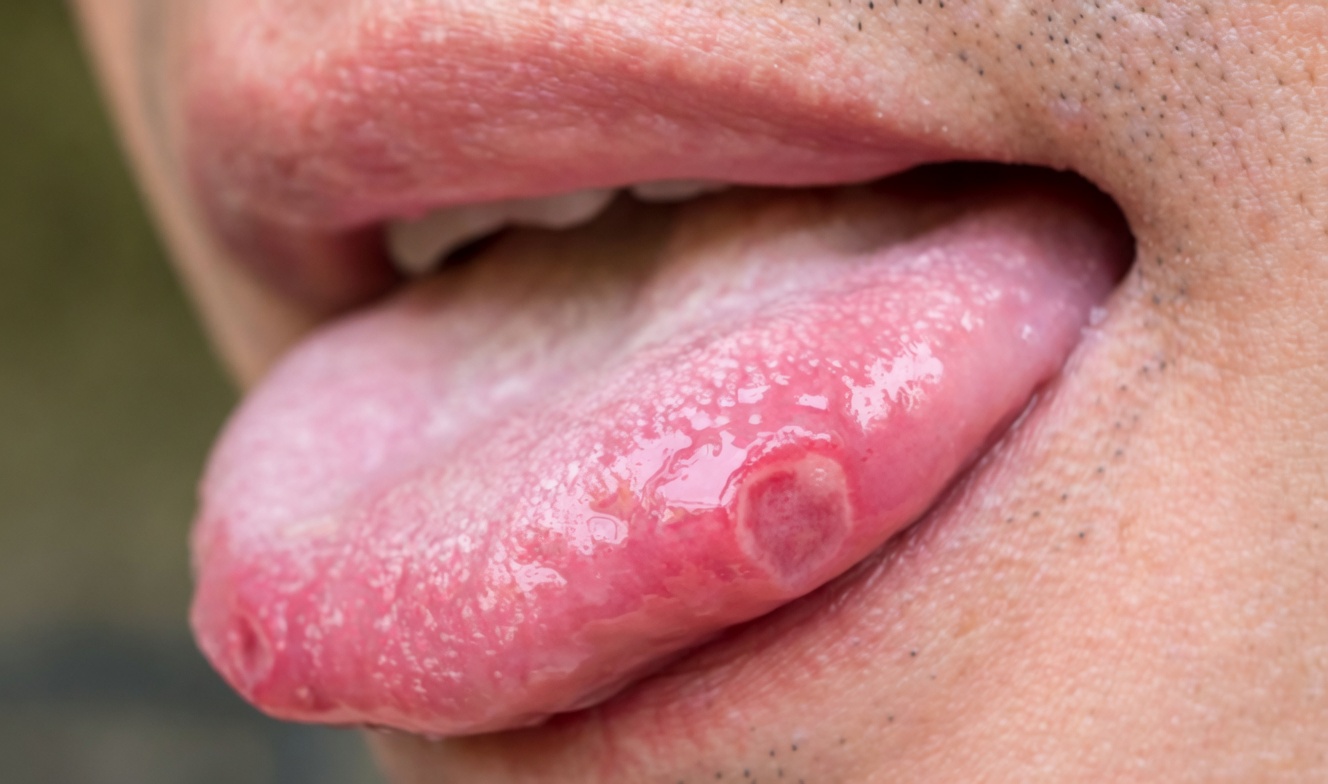
Pale or Swollen Tongue: An Overlooked Clue in Your Mouth
Most people rarely check their tongue, but clinicians often do because it can offer useful clues about overall health.
Signs to watch
- Unusually pale color
- Very smooth surface
- Mild swelling
- Burning or sensitivity
In some cases, these changes are associated with low iron or low vitamin B12. A balanced, nutrient-rich diet is one of the best foundations for long-term wellness.
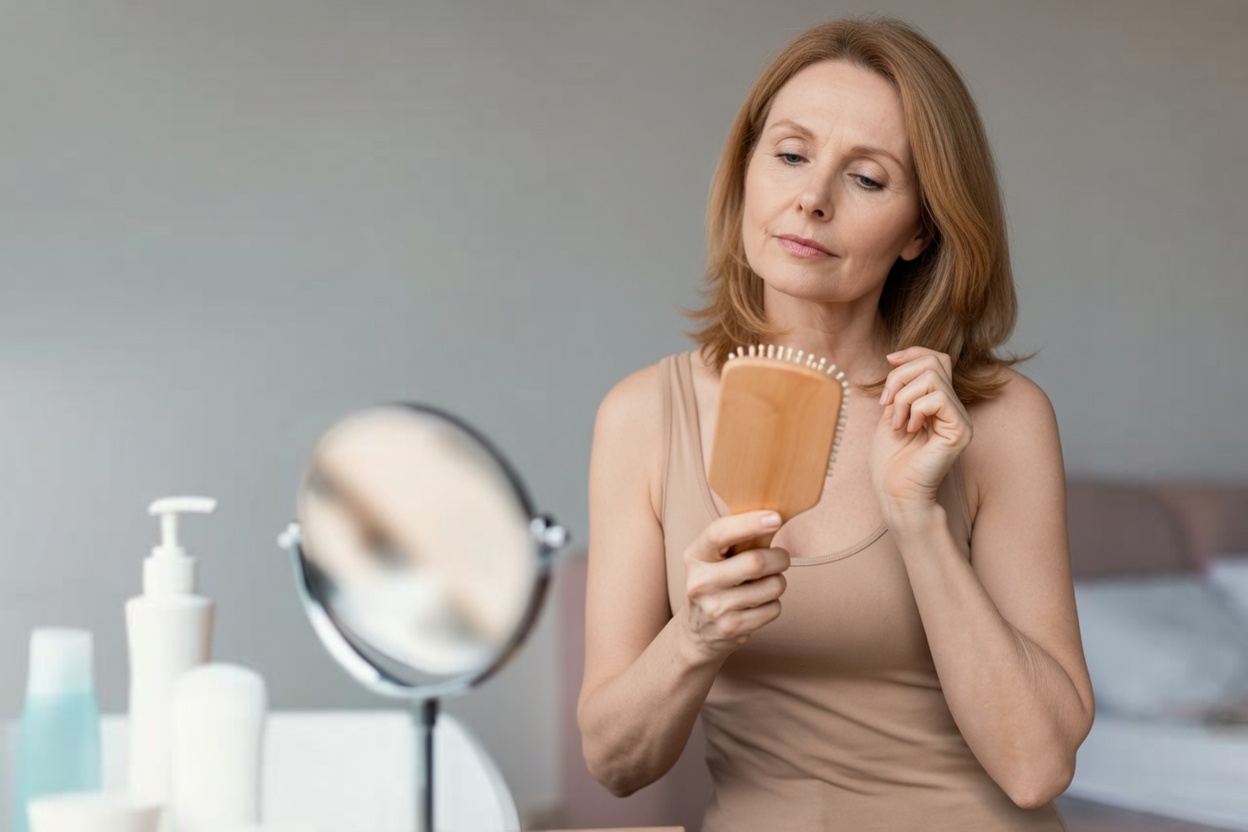
Sudden Hair Thinning: When Your Hair Responds Early
Noticing more hair in your brush can feel alarming. Hair often reacts quickly to internal stressors, including nutritional gaps and prolonged stress.
Possible contributing factors
- Long-term stress
- Too little protein in the diet
- Hormonal fluctuations
- Iron deficiency
Habits that support healthier hair
- Get enough protein each day
- Include leafy greens regularly
- Protect sleep quality and routine
- Lower stress through movement, relaxation, or breathing practices
Constant Sugar Cravings: Why You Keep Wanting Sweets
Many people feel an urge for sweets right after a meal. When cravings are frequent and intense, it may reflect rapid rises and drops in energy—often tied to blood sugar swings and lifestyle habits.
Common contributors
- Skipping meals
- Poor sleep
- Chronic stress
- A diet heavy in processed foods
Strategies that often help
- Build meals with protein + fiber
- Eat at consistent times
- Prioritize adequate sleep
- Cut back on sugary drinks
Quick Comparison: Body Signals and Common Explanations
- Curled toes: shoe pressure or muscle imbalance
- Persistent fatigue: nutrient deficiency or poor sleep quality
- Brittle nails: nutritional imbalance or dehydration
- Dry skin: dehydration or lack of healthy fats
- Muscle cramps: mineral imbalance or low hydration
- Pale tongue: low iron or vitamin levels
- Hair thinning: stress, hormones, or nutritional deficiency
- Sugar cravings: energy and blood sugar fluctuations
Simple Daily Habits That Support Whole-Body Health
Small, consistent choices can make a meaningful difference:
- Eat fresh, balanced meals most days
- Stay active with gentle movement (walking, stretching)
- Aim for 7–8 hours of sleep
- Drink water regularly
- Notice changes early instead of ignoring them
Listening to your body is one of the most powerful ways to protect long-term health.
Conclusion
The human body is remarkably intelligent. Before major health problems appear, it often sends quieter signals—changes in feet, nails, skin, energy, hair, or appetite. These signs may feel minor at first, but they can be reminders to adjust habits and give your body what it needs.
The goal isn’t fear. The goal is awareness: observe patterns, improve daily routines, and seek professional guidance when something feels off or worsens over time.
Frequently Asked Questions
Do these signs always indicate something serious?
No. Many are linked to everyday factors like sleep quality, hydration, diet, stress, and footwear.
At what age do these signals usually show up?
They can appear at any age, but they become more common after 50.
When should someone talk to a healthcare professional?
If symptoms start suddenly, get progressively worse, or disrupt daily life, it’s wise to seek medical advice.
Medical Disclaimer
This article is for informational purposes only and does not replace professional medical advice, diagnosis, or treatment. Always consult a qualified healthcare provider regarding symptoms or health concerns.