Knee Pain in Adults: Practical, Evidence-Informed Ways to Support Comfort and Mobility
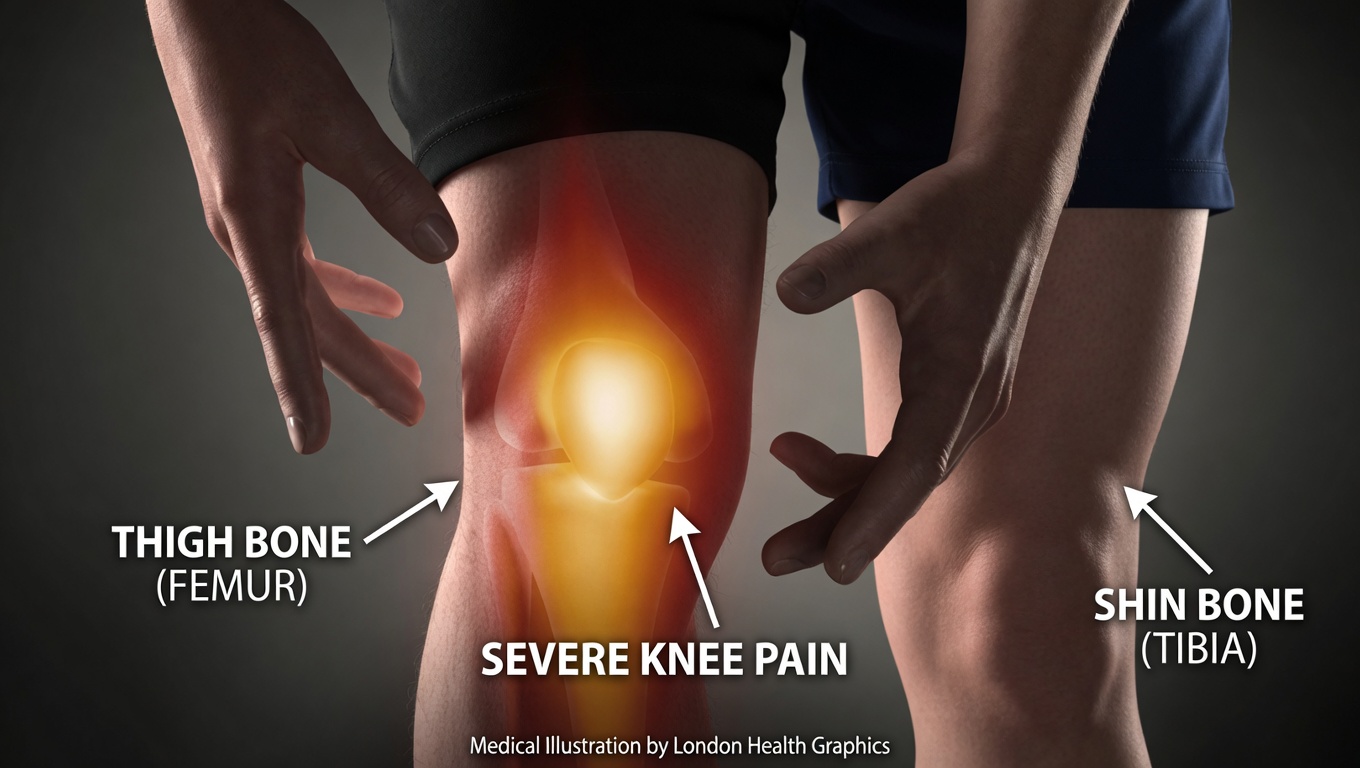
Knee pain affects many adults and can quickly interfere with everyday life—walking, climbing stairs, or even standing up from a chair may feel uncomfortable. Common contributors include normal wear and tear, less joint lubrication, and weaker muscles that are meant to stabilize the joint. When the knees feel stiff or unstable, even simple movement can become frustrating and limit independence.
The good news is that supportive lifestyle habits—focused on hydration, nutrition, movement, and smart daily routines—can help promote joint comfort and resilience over time.
A detail many people miss is that small, consistent changes can add up. Keep going to see the ninth strategy that helps connect everything into a long-term, sustainable approach.
Why Knee Support Becomes More Important After 40
From the 40s onward, natural aging processes can make the knees more sensitive to stress. Cartilage may gradually thin, and ligaments can lose some elasticity. It’s common to notice occasional stiffness or aching after activity—signals that your joints may benefit from more intentional support.
Studies also associate knee discomfort with factors such as:
- Higher body weight (more mechanical load on the joint)
- Low hydration (less fluid support for smoother movement)
- Muscle imbalances (reduced stability around the knee)
Left unaddressed, mild discomfort can worsen over time and affect mobility. Building evidence-based habits—especially nutrition and targeted movement—offers a practical, realistic way to support knee function without making unrealistic promises.
Quick check: On a scale of 1–10, how comfortable do your knees feel during normal daily tasks today? Write it down—you’ll revisit it later.
The 9 Practical Strategies to Support Stronger Knees
These nine steps start with fundamentals and progress toward more targeted support. Each is rooted in research and real-world habits that may improve joint comfort and function for many people.
Foundation Builders (Strategies 1–4)
1) Focus on Hydration for Better Joint Lubrication
Water helps maintain synovial fluid—the natural “cushion” that reduces friction inside joints. When you’re dehydrated, that fluid balance may drop, and movements can feel less smooth.
Many people notice less morning stiffness when they consistently drink enough water. A simple target is 8 glasses (about 2 liters) per day, spread throughout the day—more if you sweat a lot or exercise frequently.
Hydration check: Rate your current hydration from 1–10. If it’s below 7, add one extra glass tomorrow and build from there.
2) Eat More Protein to Support Connective Tissue
Protein supplies amino acids needed to build and maintain collagen, a major structural component of cartilage, tendons, and ligaments. Research links adequate protein intake with better tissue maintenance, especially as we age.
Try adding protein-rich foods such as:
- Lean poultry
- Fish
- Eggs
- Beans and lentils
- Quinoa
A simple shift—like making protein the “anchor” of each meal—can support steadier strength and stability during daily movement.
3) Maintain a Healthy Weight to Reduce Knee Stress
Extra body weight increases force through the knee joint. Research shows that even modest weight reduction can lower joint load and may improve comfort and function.
A sustainable approach typically works best:
- Portion awareness (not extreme restriction)
- Regular activity you can maintain
- Patience—meaningful changes often take months
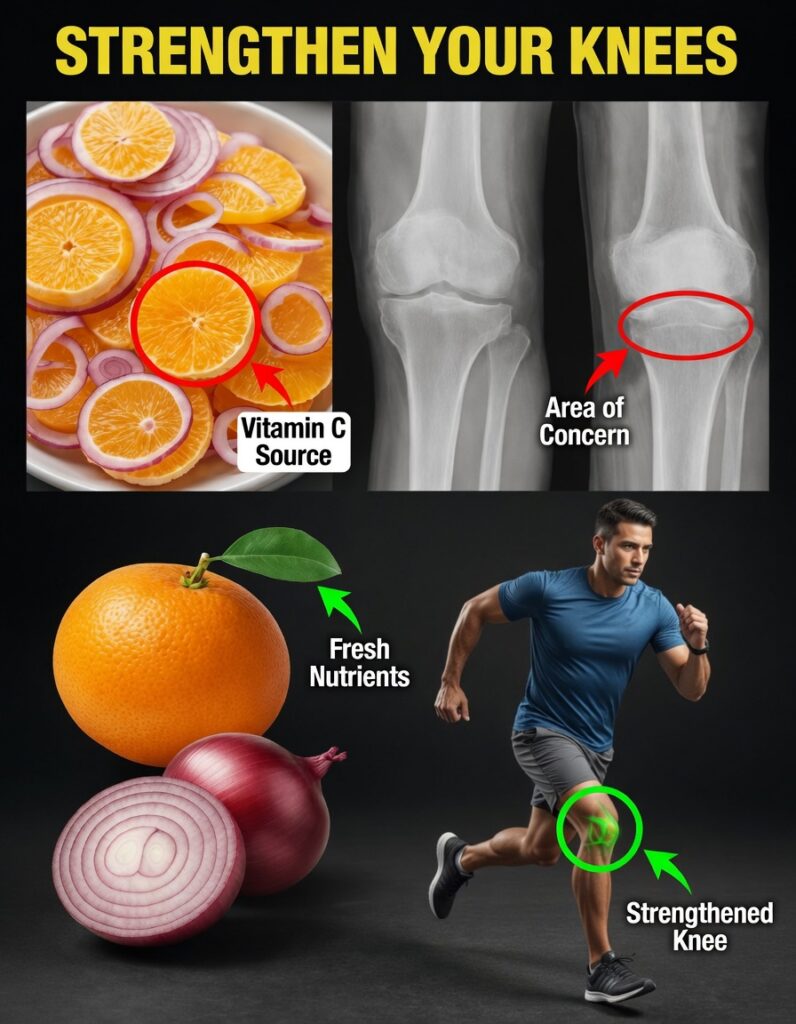
4) Get Enough Vitamin C to Promote Collagen Formation
Vitamin C supports collagen synthesis and also provides antioxidant protection. Evidence suggests it plays a role in maintaining healthy connective tissue.
Easy daily vitamin C options include:
- Citrus fruits
- Bell peppers
- Strawberries
These first four steps create a strong baseline for knee support.
Momentum Builders (Strategies 5–8)
5) Add Strength Training to Improve Knee Stability
Strong muscles around the knee—especially the quads, hamstrings, glutes, and calves—help stabilize the joint and reduce strain on ligaments and cartilage. Research supports resistance training for improving stability and supporting joint function.
Start gently with bodyweight exercises 2–3 times per week, such as:
- Straight-leg raises
- Wall sits
- Step-ups (low step, controlled pace)
Progress slowly to stay safe and consistent.
Mini check-in:
- How many foundation strategies were there? (4)
- What’s your biggest knee challenge right now: stiffness, pain, weakness, or instability?
6) Use Allium Vegetables for Sulfur-Based Compounds
Allium vegetables—such as garlic, onions, and leeks—contain sulfur compounds that may support connective tissue and help regulate inflammation in some cases.
Practical tip: add them regularly to soups, stir-fries, sauces, and roasted dishes for both flavor and potential joint benefits.
7) Eat Fatty Fish for Omega-3 Support
Fatty fish like salmon, sardines, and mackerel provide omega-3 fatty acids known for anti-inflammatory effects. Studies suggest omega-3 intake may help reduce stiffness and support mobility in some individuals.
Aim for 2–3 servings per week if it fits your diet.
8) Stretch Daily to Improve Mobility and Circulation
Gentle stretching supports flexibility, circulation, and range of motion—helping nutrients reach joint tissues more effectively.
Try 10–15 minutes daily, focusing on:
- Hamstrings
- Quadriceps
- Calves
Hold each stretch 20–30 seconds, staying smooth and controlled (no bouncing).

Advanced Support (Strategy 9)
9) Consider Glucosamine and Chondroitin (With Medical Guidance)
Glucosamine and chondroitin are commonly used supplements associated with cartilage structure. Research results are mixed, but some studies report improvements in comfort and function with consistent use over time.
Because supplements can interact with medications and may not be appropriate for everyone, speak with a healthcare professional first—especially if you have medical conditions or take prescriptions.
Easy Implementation Toolkit (Quick Reference)
| Strategy | Daily/Weekly Tip | Best For | Typical Timeline |
|---|---|---|---|
| Hydration | 8+ glasses of water/day | Lubrication support | Days to weeks |
| Protein intake | Prioritize protein at meals | Tissue maintenance | 4–8 weeks |
| Weight management | Balanced eating + activity | Load reduction | Months |
| Vitamin C | Citrus/peppers daily | Collagen support | Ongoing |
| Strength training | 2–3 sessions/week, progressive | Stability | 6–12 weeks |
| Allium vegetables | Add garlic/onion/leeks to meals | Potential inflammation support | With consistency |
| Fatty fish | 2–3 servings/week | Omega-3 benefits | 4–8 weeks |
| Daily stretching | 10–15 minutes/day | Flexibility | Immediate daily benefit |
| Glucosamine/chondroitin | Consider only with clinician input | Targeted support | 2–3 months |
For an easy start, pick one or two habits—hydration plus protein is a practical, manageable combo.
Important Safety Notes
These strategies are meant to support general wellness and do not replace medical care. Weight loss (if needed) should be gradual to protect muscle mass. Supplements can cause side effects or interact with medications—always confirm safety with a qualified healthcare provider. This article is for informational purposes only and is not medical advice.
The Habit That Makes Everything Work: Consistency
The biggest results typically come from staying consistent:
- Hydration supports joint fluid balance
- Protein provides building blocks for tissue maintenance
- Strength training improves stability and protection
- Healthy weight reduces daily mechanical stress
Think about how your knees could feel 30 days from now with small, steady changes.
Start simple: drink one extra glass of water tomorrow. What’s the first change you’ll try?
P.S. Pair strength training days with vitamin C-rich foods to potentially support collagen-building processes.
Disclaimer: This content is not medical advice. Consult your healthcare provider before making changes, especially if you have health conditions or take medications.