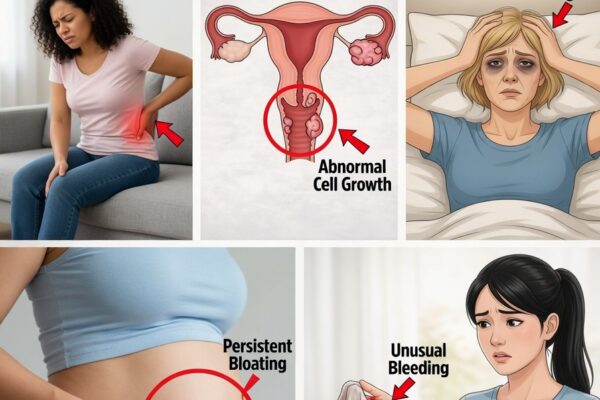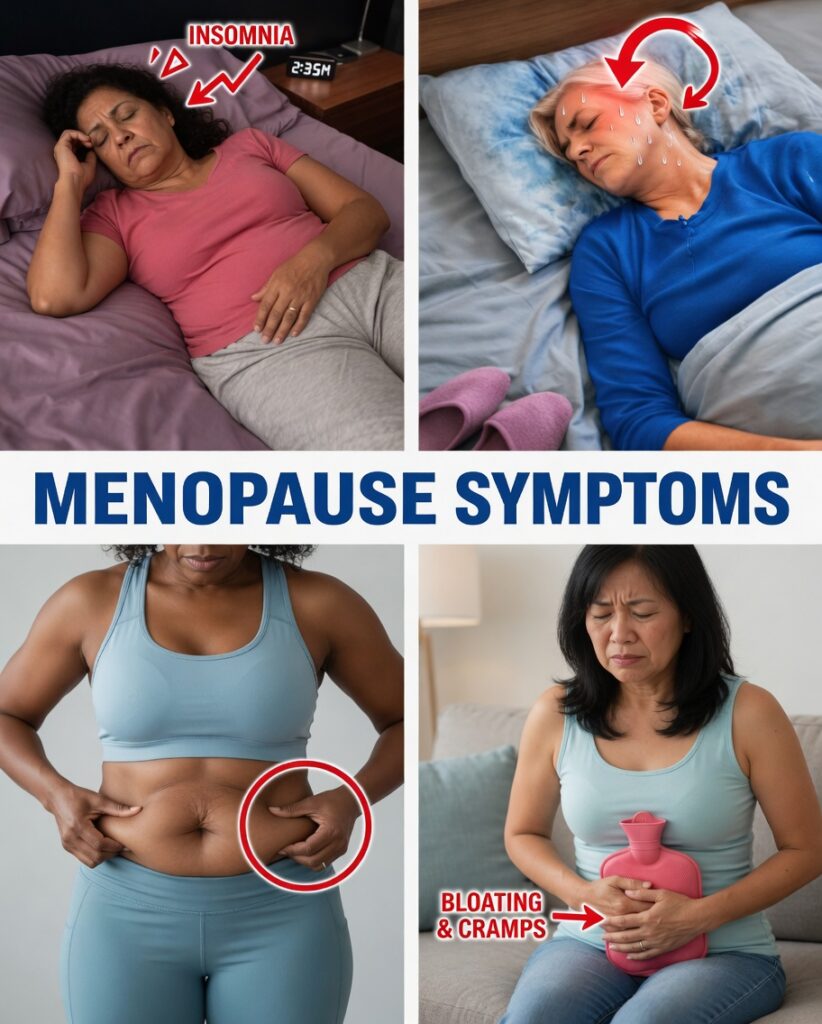
Have you ever woken up feeling strangely overheated—or noticed your emotions swinging for no obvious reason? For many women in their 40s and 50s, these quiet shifts can be confusing and even discouraging. When everyday routines start to feel harder than they should, it’s natural to wonder: is this stress, aging, or something else?
The encouraging part is that these signals often follow a recognizable pattern. Once you understand what your body may be communicating, you can make this transition feel far less overwhelming—and far more manageable. Stay with this guide to the end for a simple, surprising tip that can genuinely help you handle these changes more confidently.
Why Menopause Can Feel So Hard to Decode
Menopause is a normal life stage that marks the end of menstrual cycles, most commonly happening around age 51. It begins as the ovaries gradually reduce estrogen production, which triggers a wide range of physical and emotional changes. The North American Menopause Society notes that symptoms can start quietly during perimenopause—the lead-up phase that may last for years.
The challenge is that many women don’t link early symptoms to hormones right away. Mayo Clinic research highlights how hormonal fluctuations can influence sleep, mood, metabolism, and even memory—yet these changes are often dismissed as “just stress” or “getting older.”
The upside? When you spot the patterns early, you gain options. Below are the most common signs, starting with one many women recognize immediately.
9. Hot Flashes and Night Sweats
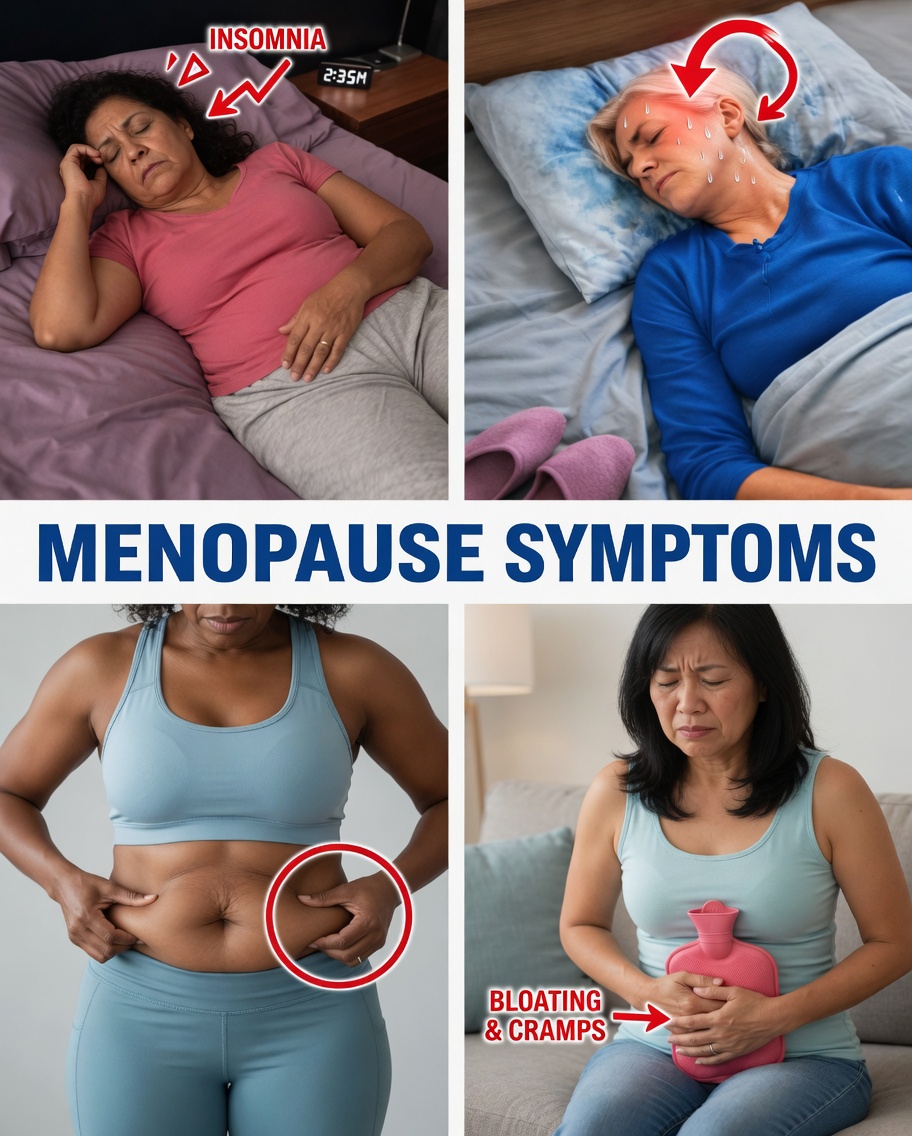
A hot flash can feel like an internal heat wave that rises suddenly, even if the room is cool. It may come with sweating, a fast heartbeat, and a flushed face. According to the National Institutes of Health, up to 80% of women experience hot flashes during the menopause transition.
When these episodes happen at night (night sweats), sleep can be interrupted repeatedly—leading to fatigue and irritability the next day.
Key clues often include:
- A rapid surge of heat that seems to come “from inside”
- Sweating followed by chills or damp, clammy skin
- Unpredictable timing that disrupts work, social life, or rest
8. Irregular Periods
As menopause approaches, cycles commonly become unpredictable. You may skip months, have shorter or longer cycles, or notice bleeding that is heavier or lighter than your usual pattern. The CDC reports that roughly 70% of women notice cycle changes during perimenopause.
This happens because ovulation becomes inconsistent. While stress can influence periods too, ongoing irregularity is often hormonally driven.
A practical move: keep a simple cycle log (dates, flow intensity, spotting). Over time, trends become much clearer.
7. Mood Swings and Irritability
Feeling emotionally “fine” one moment and overwhelmed the next is a common experience during hormonal change. This can show up as irritability, anxious feelings, sudden sadness, or a shorter temper than usual. Johns Hopkins Medicine reports that about half of women experience mood-related changes linked to estrogen’s effect on brain chemistry.
These shifts can feel personal or out of character, which can lead to guilt or self-criticism. Understanding the hormone connection often helps reduce self-blame—and encourages healthier coping strategies.
A Quick Comparison of Common Menopause Signs
The symptoms of menopause often overlap. This overview—based on widely shared clinical insights from sources such as Harvard Health and the Cleveland Clinic—shows how each sign may connect to hormonal shifts:
-
Hot Flashes/Night Sweats
- Possible cause: Estrogen fluctuations
- Key clue: Sudden heat, sweating, disrupted sleep
-
Irregular Periods
- Possible cause: Reduced/uneven ovulation
- Key clue: Skipped cycles, heavier/lighter flow
-
Mood Swings
- Possible cause: Brain chemistry changes influenced by estrogen
- Key clue: Unpredictable emotional spikes
-
Brain Fog
- Possible cause: Hormonal impact on cognition
- Key clue: Forgetfulness, difficulty focusing
-
Fatigue
- Possible cause: Sleep disruption and hormonal shifts
- Key clue: Persistent tiredness even after rest
-
Weight Gain
- Possible cause: Slower metabolism + body composition changes
- Key clue: Increased abdominal fat without major diet change
-
Vaginal Dryness
- Possible cause: Lower estrogen and thinner tissues
- Key clue: Irritation, discomfort, pain with intimacy
-
Sleep Problems
- Possible cause: Night sweats + hormonal changes
- Key clue: Trouble falling asleep or staying asleep
-
Joint Pain
- Possible cause: Estrogen’s role in inflammation control
- Key clue: Persistent stiffness/aches without injury
6. Brain Fog
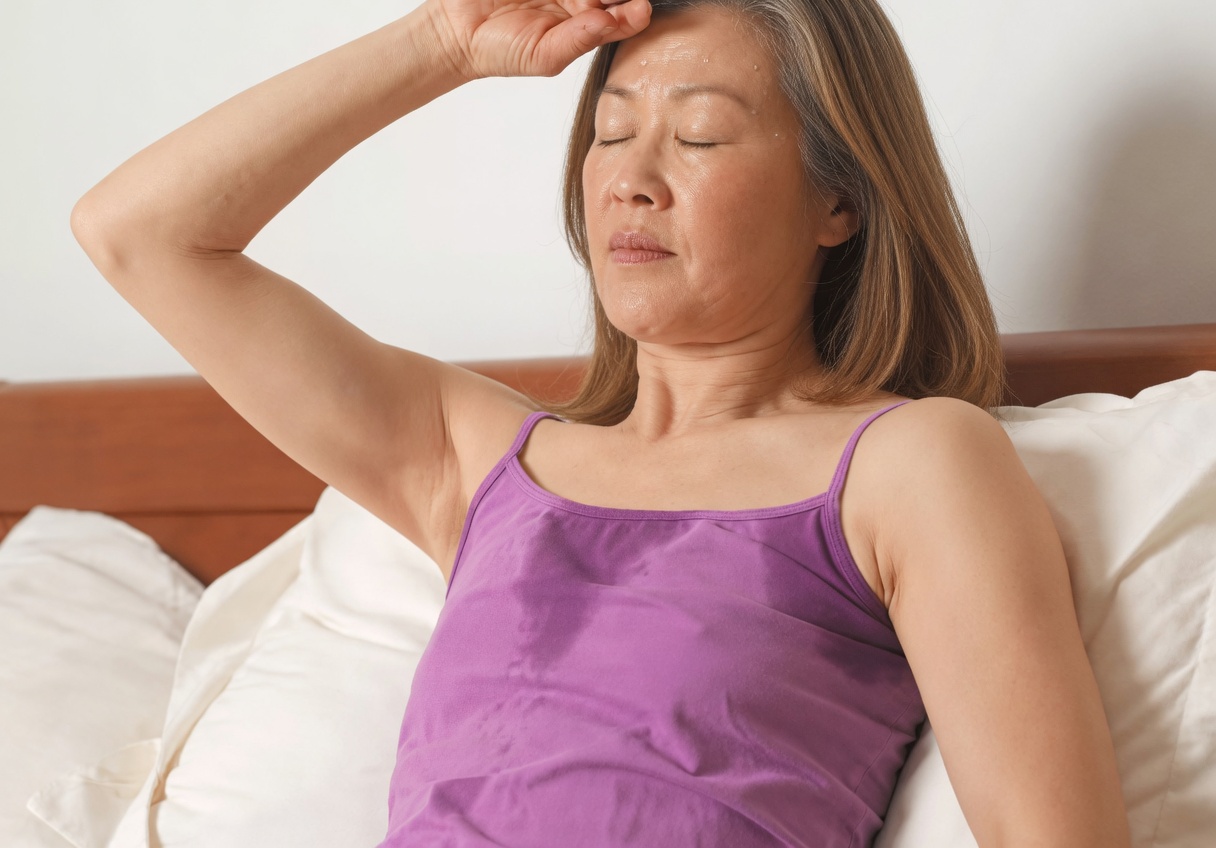
If your memory feels less reliable—or focus is harder than it used to be—you’re not imagining it. Harvard Health Publishing explains that estrogen supports aspects of cognitive function, and when levels drop, many women experience forgetfulness or mental “fuzziness.”
Common examples include:
- Misplacing items more often
- Struggling to find words or recall names
- Feeling mentally slower during routine tasks
While busy schedules can contribute, frequent day-to-day lapses may point to hormonal transition. The good news: targeted mental habits can help (more on that later).
5. Fatigue That Doesn’t Improve With Rest
Ongoing exhaustion is another frequent sign. Even after a full night in bed, your energy may feel depleted. The Cleveland Clinic reports fatigue affects around 65% of women during the transition.
Hormonal shifts, fragmented sleep, and stress can all combine—creating a loop where poor rest fuels fatigue, and fatigue makes it harder to manage everything else.
4. Weight Gain (Especially Around the Midsection)
Many women notice body changes that feel sudden and unfair—particularly more fat around the abdomen, even when eating habits haven’t changed much. The Mayo Clinic connects this to estrogen decline and metabolic slowdown, affecting about 50% of women.
What often stands out:
- Weight concentrates more in the belly area than before
- Calorie burn becomes less efficient due to slower metabolism
- Changes correlate with shifting hormone balance
This can be frustrating, but recognizing the cause is the first step toward effective adjustments.
3. Vaginal Dryness
Reduced estrogen can thin vaginal tissues and lower natural lubrication, leading to dryness, irritation, and discomfort during intimacy—or even during daily activities. The NIH estimates this affects around 40% of women.
This symptom can feel private or isolating, but it’s common and treatable. Many women find relief with over-the-counter moisturizers or lubricants, and a healthcare professional can offer additional options if discomfort persists.
2. Sleep Problems
Menopause-related sleep issues can look like difficulty falling asleep, waking often, or waking too early. Night sweats, anxiety, and hormonal shifts all play a role. Stanford Medicine research suggests around 60% of women struggle with sleep disruption during this phase.
If stress is the only explanation you consider, it’s easy to miss the hormonal pattern. Consistency—night after night—is often the key clue.
1. Joint Pain and Stiffness
Aches in the knees, hips, hands, or shoulders may appear or intensify during perimenopause and menopause. The Arthritis Foundation points to estrogen’s anti-inflammatory effects, noting that reduced estrogen may contribute to increased joint discomfort in about half of women.
If stiffness lasts for weeks without a clear injury or overuse explanation, it may be part of the broader menopause picture.
When to Track Symptoms (and What to Do Next)
Tracking symptoms helps you move from confusion to clarity. Logging for even one month can make healthcare conversations far more productive.
Use this quick guide:
-
Hot Flashes/Night Sweats
- Track when: Several times per week
- Next step: Try cooling bedding; consider medical advice if frequent
-
Irregular Periods
- Track when: Cycles are off for 3+ months or bleeding patterns change significantly
- Next step: Journal cycle details; consult a gynecologist if changes persist
-
Mood Swings
- Track when: Emotional shifts feel unexplained or intense
- Next step: Use a mood log; consider counseling or therapy support
-
Brain Fog
- Track when: Memory or focus issues happen daily
- Next step: Try cognitive exercises; ask a clinician if it worsens
-
Fatigue
- Track when: Rest doesn’t restore energy
- Next step: Request bloodwork and/or a sleep evaluation
-
Weight Gain
- Track when: Abdominal weight increases without lifestyle changes
- Next step: Review diet and activity; ask about hormone-related factors
-
Vaginal Dryness
- Track when: Discomfort becomes persistent
- Next step: Try lubricants/moisturizers; see a gynecologist for options
-
Sleep Problems
- Track when: Sleep is disrupted most nights
- Next step: Improve sleep habits; consult a specialist if ongoing
-
Joint Pain
- Track when: Stiffness/aches last weeks
- Next step: Consider anti-inflammatory nutrition; consult a doctor if persistent
Practical, Real-World Ways to Manage These Changes
These steps can make symptoms easier to understand and often easier to reduce:
-
Start a symptom diary
Track date, time, intensity, triggers (food, alcohol, stress), and sleep quality. Patterns tend to emerge quickly. -
Strengthen your sleep routine
Keep the bedroom cool and dark, reduce late caffeine/alcohol, and aim for consistent sleep/wake times. -
Support your brain and mood with daily structure
Short walks, sunlight exposure, hydration, and regular meals can reduce emotional volatility and mental fog. -
Make small, sustainable habit shifts for weight and joints
Prioritize strength training, protein intake, and anti-inflammatory foods (e.g., oily fish, leafy greens, olive oil).
The Surprising Tip That Can Make a Real Difference
When a hot flash or nighttime anxiety hits, try slow paced breathing for a few minutes—steady, gentle breaths that lengthen the exhale (for example, inhale for 4 seconds, exhale for 6). Many women find this simple technique helps dial down intensity in the moment and improves the sense of control.
Menopause is natural—but struggling without clarity doesn’t have to be. When you recognize the signs and track them consistently, you’re far better equipped to choose the right next steps for your body and your life.