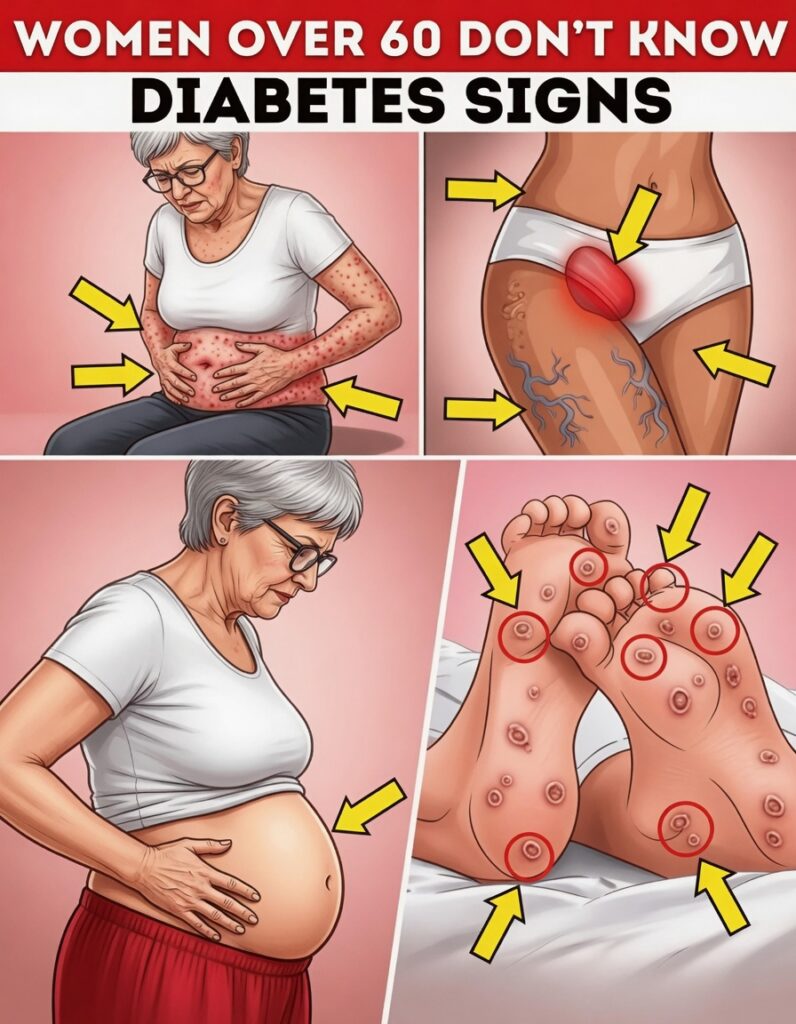
Subtle Early Signs of Diabetes in Women: 9 Clues Your Body May Be Sending
Many women in their 40s, 50s, and beyond start noticing small but frustrating shifts: ongoing tiredness that sleep doesn’t solve, unexpected changes in belly weight, or infections that seem to show up more often. These symptoms can quietly drain your energy for work, relationships, and self-care—and they’re often dismissed as stress, hormones, or “just aging.”
The truth is, these can be subtle early signs of diabetes in women. Learning to recognize the 9 subtle clues your body gives before diabetes can help you respond early with supportive, practical steps—without panic and without guesswork.
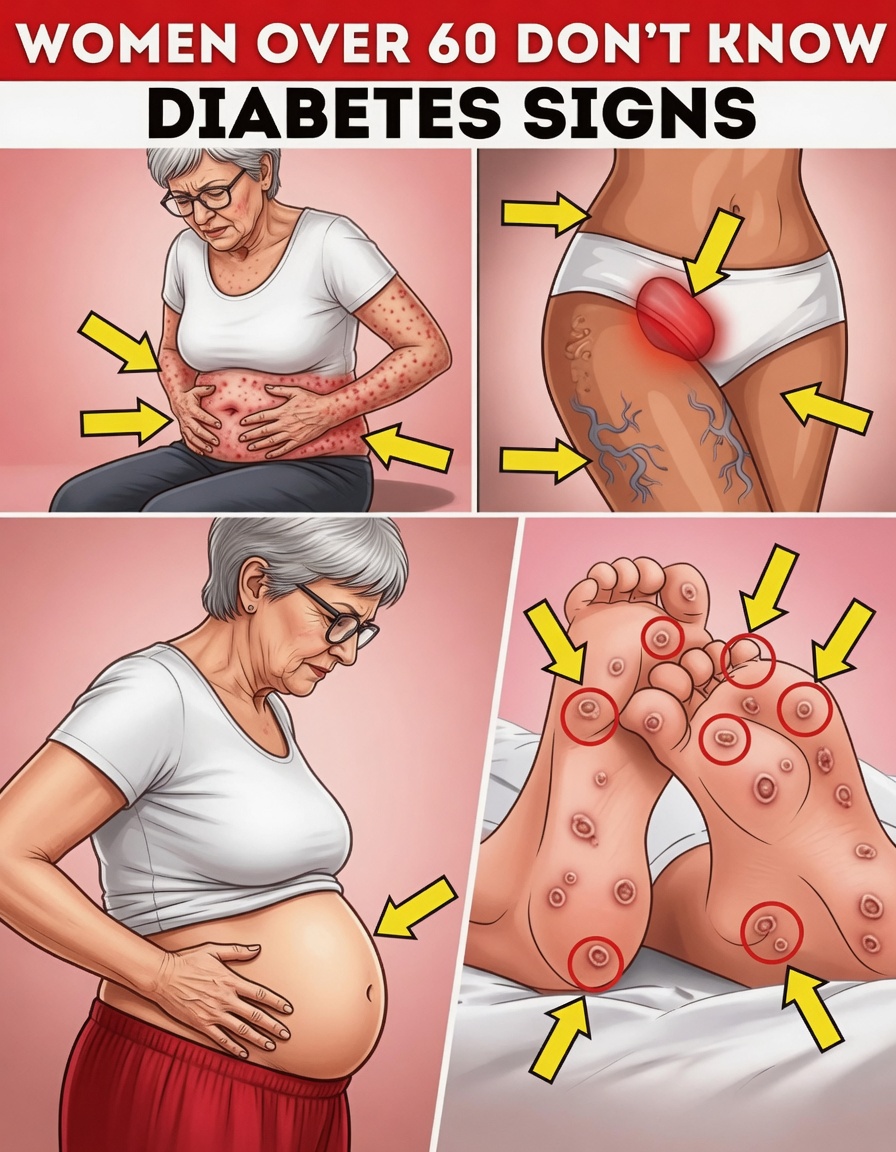
1) Persistent Fatigue Even After Rest
One of the most common subtle clues your body gives before diabetes is a deep, lingering fatigue that doesn’t improve much—even after a solid night’s sleep. You may feel “heavy” in the morning or hit a wall in the afternoon, making work and family responsibilities feel harder than they used to.
When blood sugar runs high, the body may struggle to move glucose into cells efficiently, meaning your cells can’t access energy as smoothly. For women, this can overlap with perimenopause and menopause changes, making the fatigue easier to overlook.
2) Constant Thirst and a Dry Mouth That Won’t Quit
Feeling unusually thirsty—paired with a persistently dry mouth—is another early diabetes sign many women report. You might keep refilling your water bottle yet still feel dehydrated, especially on busy days or in warm weather.
Because women often experience hormonal fluctuations that can affect hydration and cravings, this signal can be brushed aside until it starts disrupting daily life.

3) More Frequent Urination (Especially Waking at Night)
If you’re waking up at night to urinate more often, it may be more than “just drinking more water.” Frequent bathroom trips—particularly overnight—can interrupt sleep and leave you worn down the next day.
Higher glucose levels can push the kidneys to work overtime, increasing urination. For many women, pelvic floor changes over time can make this symptom feel even more noticeable.
4) Blurry or Fluctuating Vision
Vision that goes in and out of focus—without a clear explanation—can be a meaningful subtle clue your body gives before diabetes. You might struggle with small print, screen time, or driving at dusk, even if your eyes were fine recently.
Rising blood sugar can shift fluid levels in the eye and temporarily affect the lens, leading to changes in clarity. It’s worth taking seriously, especially if it keeps happening.

5) Tingling, Numbness, or “Pins and Needles” in Hands and Feet
A mild tingling sensation in the feet or hands can start subtly and then become more obvious after long periods of sitting, standing, or working. Over time, it can interfere with walking, sleeping, or even typing.
This can be linked to nerve irritation associated with prolonged elevated blood sugar—one reason this symptom deserves prompt attention rather than being normalized.
6) Cuts, Scrapes, or Bruises That Heal More Slowly
If minor wounds seem to linger longer than they used to—like a small cut that stays irritated or a bruise that takes weeks to fade—this can be an early warning signal.
Many women also notice increased dryness or irritation of the skin at the same time, which can add discomfort and make healing feel even slower.

7) Recurrent Yeast Infections or UTIs
Repeated yeast infections or urinary tract infections (UTIs) are especially relevant early diabetes signs for women. They may return even when you follow your usual prevention routines, affecting comfort, confidence, and intimacy.
When glucose levels are higher, yeast and bacteria can thrive more easily—making infections more likely to recur.
8) Dark, Velvety Skin Patches (Acanthosis Nigricans)
Darkened, velvety-looking patches on the neck, underarms, or groin can be a visible subtle clue your body gives before diabetes. Many women first notice them while getting dressed or applying skincare and may feel self-conscious.
This change is often associated with insulin resistance. It’s also more common in women with a history of PCOS, which can increase metabolic risk over time.

9) Midsection Weight Gain, Stronger Hunger, or Increased Cravings
Unexplained weight gain around the middle—or feeling hungrier than usual even with regular meals—can be another early clue. Some women also notice stronger carbohydrate cravings, making balanced eating feel unusually difficult.
Hormonal transitions (including menopause) and a history of gestational diabetes can amplify this pattern, which is why it’s important to view it in context rather than as a willpower issue.
What These 9 Subtle Clues May Mean for Women
Seeing one sign doesn’t automatically mean diabetes. But when several of these subtle clues your body gives before diabetes show up together—and persist—they can form a pattern worth noticing calmly and clearly.
Women may face added risk linked to:
- Pregnancy history (including gestational diabetes)
- PCOS and insulin resistance
- Post-menopausal metabolic shifts
The encouraging part: early awareness opens the door to simple daily habits and timely medical screening that can make a real difference.
Women’s Quick Reference: The 9 Subtle Clues Your Body Gives Before Diabetes
- Persistent fatigue despite rest
- Constant thirst and dry mouth
- Frequent urination, especially at night
- Blurred or changing vision
- Tingling or numbness in hands/feet
- Slow-healing cuts and bruises
- Recurrent yeast infections or UTIs
- Dark, velvety skin patches
- Midsection weight changes or increased hunger
“Common Reaction” vs. Better Everyday Support
-
Fatigue
- Common reaction: more coffee, extra naps
- Supportive next step: balanced meals + consistent movement
-
Thirst and dry mouth
- Common reaction: sweetened drinks or extra snacks
- Supportive next step: water + high-fiber foods
-
Frequent bathroom trips
- Common reaction: ignore it or restrict fluids
- Supportive next step: track timing/patterns, discuss with a clinician
-
Blurred vision
- Common reaction: assume you “just need glasses”
- Supportive next step: eye exam + blood sugar awareness
-
Recurring infections
- Common reaction: repeated over-the-counter fixes
- Supportive next step: talk with your healthcare provider about underlying causes
A Simple Timeline for Responding
- Week 1: Track symptoms, sleep, and water intake (patterns matter).
- Weeks 2–4: Add about 30 minutes of walking most days and prioritize whole foods.
- After 1 month: Schedule a check-up to discuss symptoms and consider screening.
Easy Morning and Daily Habits That Support Balance
- Build breakfast around protein + fiber + healthy fats to help steady energy and reduce crashes.
- Choose gentle movement (walking, yoga, light strength work) to support circulation and reduce tingling sensations.
- Hydrate consistently with plain water or herbal tea, especially if thirst and dry mouth are persistent.
Small shifts, done consistently, can help you feel more steady, more informed, and more in control—because you listened when your body spoke up.
FAQ
1. Are these early diabetes signs the same for every woman?
Not exactly. Life stage (perimenopause/menopause), PCOS history, pregnancy history, and overall health can make certain symptoms more noticeable. The pattern—and persistence—matters most.
2. When should I speak with my doctor?
If two or more symptoms persist for several weeks, or if symptoms are worsening, schedule an appointment. Screening can clarify what’s happening and what support is appropriate.
3. Can lifestyle changes help if I notice these clues?
Yes. Nutrition, movement, sleep quality, and stress management can support metabolic health—especially when started early. Your clinician can also recommend testing and a plan tailored to your risk factors and symptoms.