Many people enjoy everyday favorites—grilled meats, grab-and-go snacks, or fizzy drinks—without realizing that research has linked some of these choices to cancer risk factors such as chronic inflammation, weight gain, and exposure to certain processing- or cooking-related compounds. These effects are often indirect and gradual, which is why they can be easy to overlook until they accumulate over time.
The encouraging part: you don’t need a dramatic diet overhaul. By understanding what may contribute to cancer risk factors, you can make simple, realistic swaps that support long-term health.
Why Some Everyday Foods Are Linked to Cancer Risk Factors
Cancer is influenced by many variables, including genetics, environment, and lifestyle. Diet is one piece of the puzzle. Health authorities such as the World Health Organization (WHO) and organizations like the American Cancer Society have discussed how certain foods may increase risk by:
- Introducing compounds created during processing or high-heat cooking
- Increasing body fat through excess calories and added sugars
- Potentially promoting inflammation in some dietary patterns
It’s important to be clear: no single food “causes” cancer on its own. However, limiting specific items—and eating more whole, minimally processed foods—can help reduce several known and suspected cancer risk factors.

9 Foods Often Discussed in Cancer Risk Factor Research (and Better Alternatives)
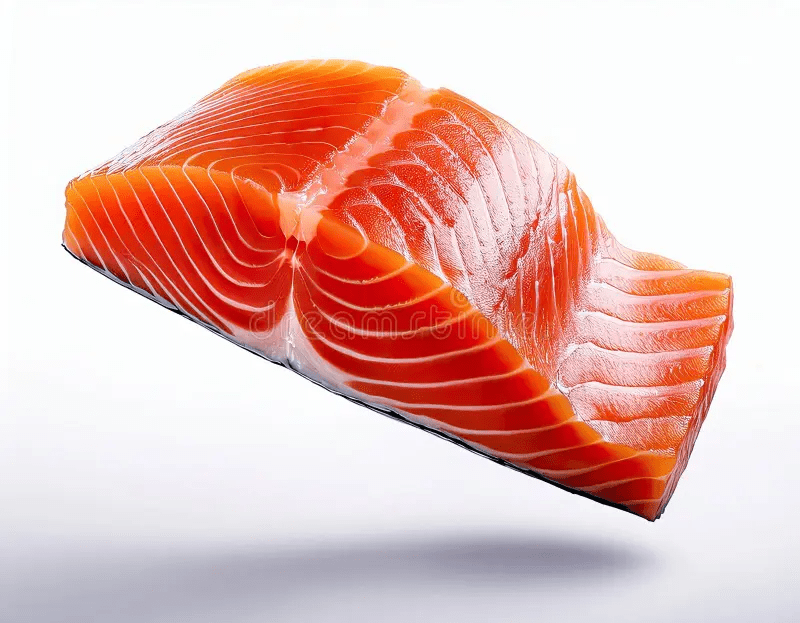
9. Farmed Salmon: Potential Contaminants in a Popular Protein
Farmed salmon is widely eaten for its omega-3 content, but older research reported higher levels of pollutants such as PCBs compared with wild salmon. In high exposures, some pollutants are considered carcinogenic.
Farming standards have improved and contaminant levels are generally lower than in the past. Still, if you want to minimize exposure, consider:
- Choosing wild-caught salmon when available
- Rotating with smaller oily fish like sardines
8. Non-Organic Strawberries: Pesticide Residues to Keep in Mind
Strawberries often appear on lists of produce with relatively higher pesticide residues. Some pesticides have shown hormone-related effects in lab research, though real-world impact varies and is still debated.
Practical ways to reduce exposure without avoiding fruit:
- Wash thoroughly under running water
- Buy organic strawberries when possible
- Remember: eating fruit is generally beneficial overall

7. Diet Soda: Ongoing Questions About Artificial Sweeteners
Diet soda is commonly used to reduce sugar intake, but sweeteners such as aspartame have been labeled “possibly carcinogenic” (IARC Group 2B). Evidence in humans remains mixed and overall conclusions are cautious.
A reasonable approach:
- Keep diet soda as an occasional drink
- Swap more often to sparkling water, tea, or water with citrus

6. Processed Meats: The Most Established Link
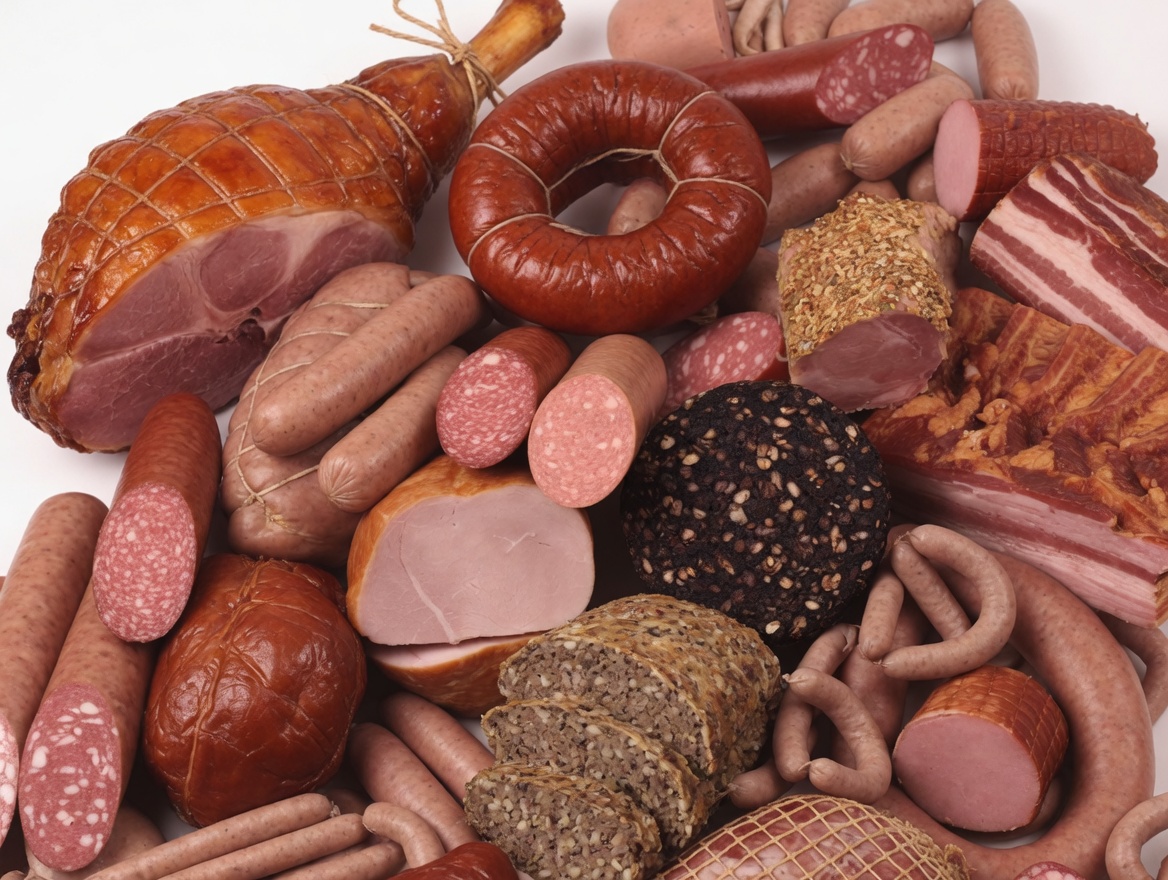
Processed meats (such as bacon, sausages, hot dogs, and deli meats) have the strongest evidence base. The WHO classifies processed meat as a Group 1 carcinogen, with robust research linking it to colorectal cancer.
Why it matters:
- Compounds from curing and smoking (including those formed from nitrates/nitrites) can become harmful in the body
Most practical improvement:
- Reduce frequency and portion size
- Choose fresh poultry, fish, beans, lentils, tofu, or other minimally processed proteins
5. Some Commercial Whole-Wheat Products: Possible Herbicide Residues
Some wheat-based products may contain trace residues of glyphosate, an herbicide classified as “probably carcinogenic” (IARC Group 2A). The evidence in humans is debated, and regulatory views differ by country.
If you prefer to limit potential exposure:
- Choose organic grains when feasible
- Opt for minimally processed breads (for example, simpler-ingredient sourdough)
4. Commercial Orange Juice: Sugar Without the Fiber
Orange juice can deliver vitamins, but it also provides sugar in a fast-absorbing form—without the fiber found in whole fruit. Over time, frequent high-sugar beverages may contribute to weight gain and blood sugar instability, both recognized cancer risk factors.
A simple swap:
- Eat whole oranges (or other whole fruits) for fiber and steadier energy
3. Charred or Well-Done Grilled Meats: Compounds Formed at High Heat
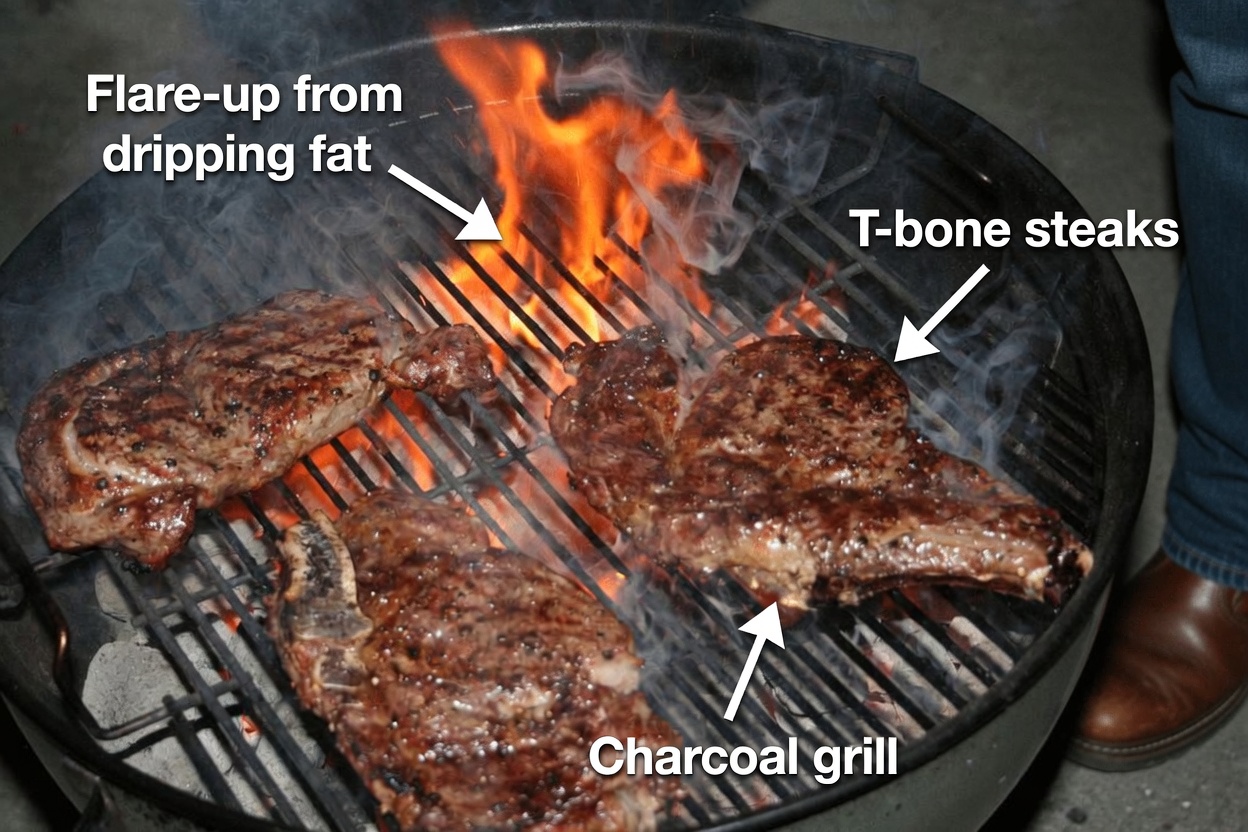
When meat is cooked at very high temperatures or becomes charred, it can form chemicals such as:
- HCAs (heterocyclic amines)
- PAHs (polycyclic aromatic hydrocarbons)
These compounds have been linked to increased risk in animal studies and supported by some human research patterns.
Ways to reduce formation:
- Cook at moderate temperatures
- Avoid heavy charring (trim burnt parts)
- Use marinades and add grilled vegetables more often
2. Microwave Popcorn Bags: Past Packaging Chemical Concerns
Older microwave popcorn bags sometimes used linings containing PFOA, a chemical that raised health concerns and was described as “possibly carcinogenic.” Many manufacturers have phased it out, but consumer concern persists.
Lower-worry option:
- Make air-popped popcorn and season it yourself
1. Refined Seed Oils: The Omega-6 Balance Discussion
Refined oils like soybean and canola are higher in omega-6 fats. Some research explores whether omega-6-heavy patterns may relate to inflammation—an indirect cancer risk factor.
Large reviews generally do not show a strong direct cancer link from these oils alone. The most helpful strategy is balance:
- Use a variety of fats
- Include omega-3 sources (fatty fish, flax, chia)
- Consider more olive oil and avocado oil for routine cooking
Quick Comparison: Common Foods and Smarter Swaps
- Farmed salmon → Wild-caught salmon or sardines
- Non-organic strawberries → Organic berries or wash thoroughly
- Diet soda → Sparkling water with lemon
- Processed meats → Fresh poultry, fish, beans, or tofu
- Some commercial wheat breads → Organic grains or simple-ingredient sourdough
- Commercial orange juice → Whole oranges or whole fruit
- Charred grilled meat → Lower-heat cooking + more vegetables
- Microwave bag popcorn → Air-popped popcorn
- Refined seed oils → Olive oil, avocado oil, or other balanced fat choices
Simple, Sustainable Steps to Reduce Cancer Risk Factors
Small shifts are easier to maintain than strict rules. Try these habits:
- Read labels and buy fewer ultra-processed foods
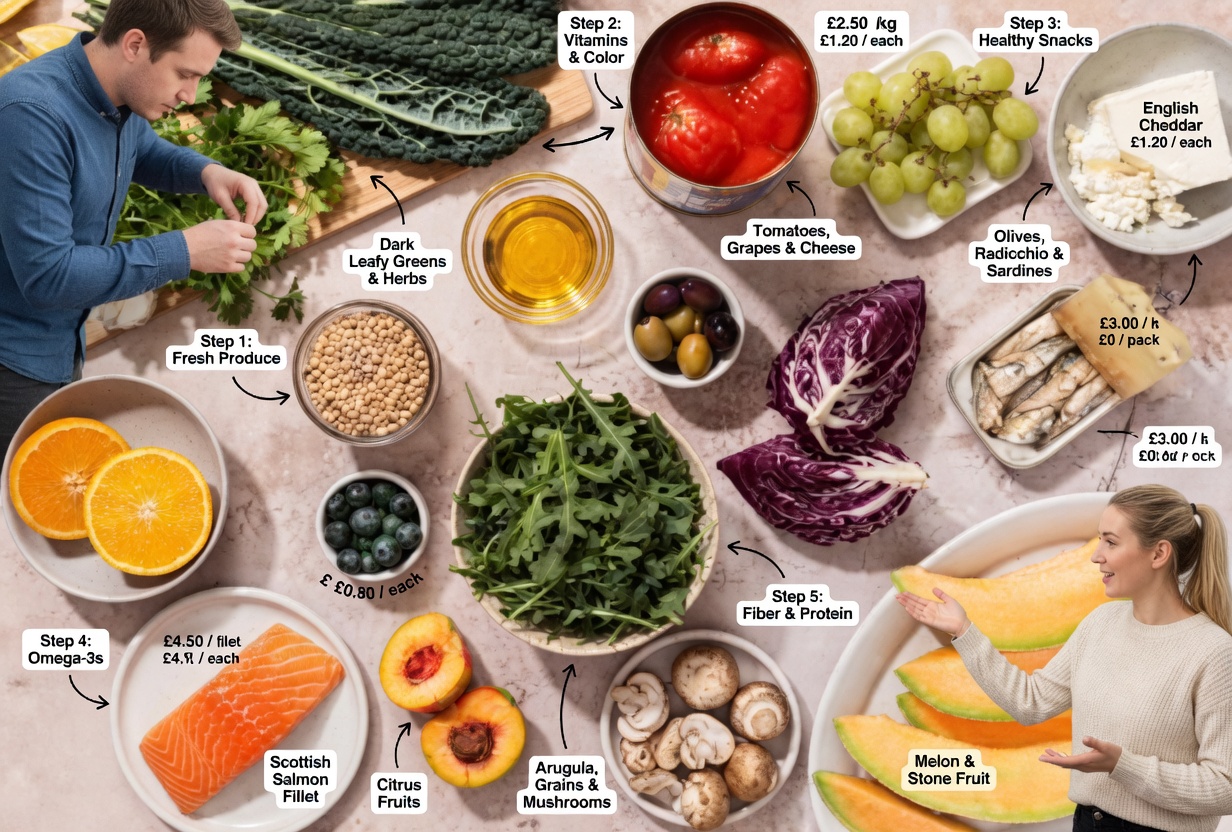
- Build meals around whole foods (vegetables, fruit, legumes, whole grains)
- Use moderate heat and add herbs/spices for flavor
- Aim for a plate that’s vegetable-forward
- Make one swap per week and track what feels doable
Final Thoughts: Better Habits Through Informed Choices
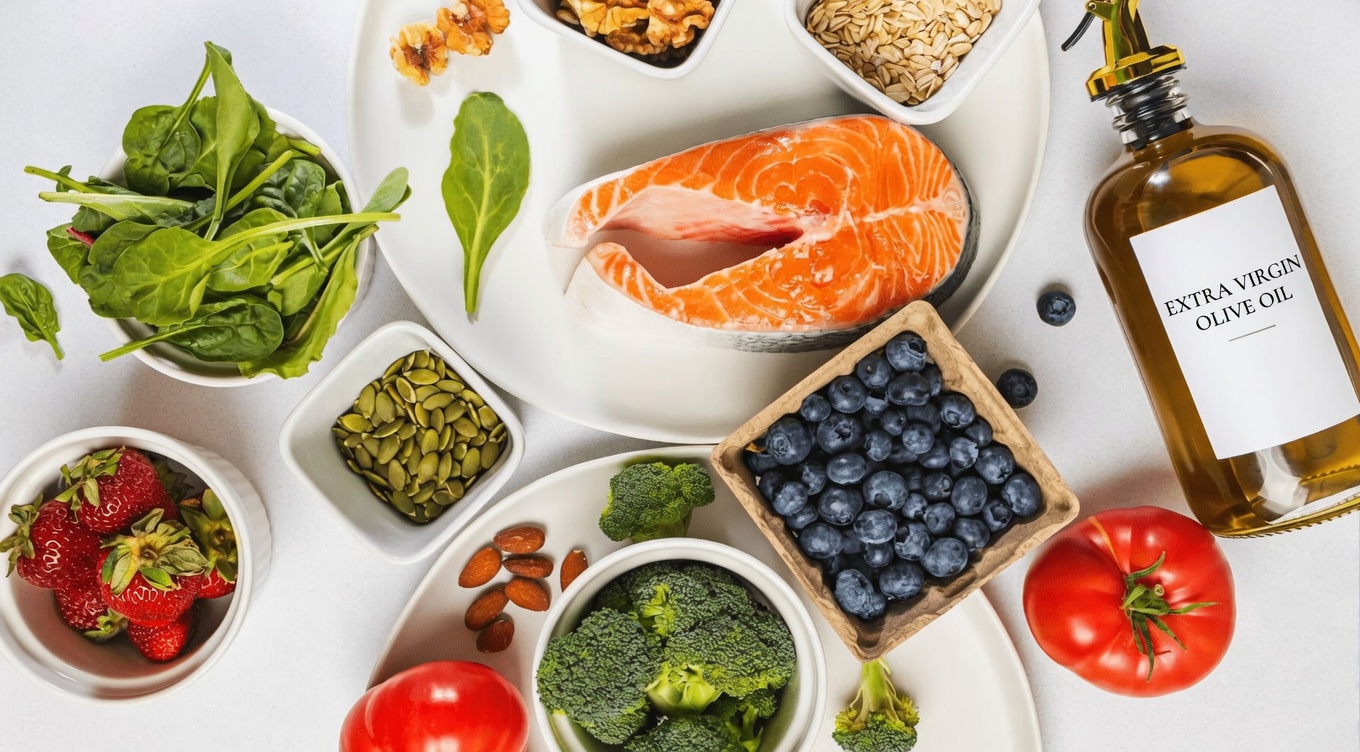
Knowing which foods are often discussed in relation to cancer risk factors can help you make calmer, more informed decisions. Focus on variety, moderation, and whole foods—because consistent, practical changes tend to deliver the greatest long-term benefit.
Frequently Asked Questions
Which food has the strongest evidence for increasing cancer risk?
Processed meats have the clearest, most consistently supported link, especially with colorectal cancer, according to major health organizations.
Do these foods definitely cause cancer?
No. Cancer risk is influenced by many factors. Reducing these foods can support healthier overall patterns and lower certain risk factors.
Can I still have these foods sometimes?
Yes. Moderation and balance matter. Prioritize quality, reasonable portions, and a whole-food foundation most of the time.